ChatGPT
 Google AI
 Grok
Grok Claude
Music becomes memorable when simple harmony turns expressive and colorful. Many famous songs rely on a simple piano chord progression, yet skilled pianists transform these structures using smart piano chord progression techniques, expressive piano chord voicings, and creative piano accompaniment patterns that make the music feel richer, fuller, and emotionally powerful.
When you understand piano harmony techniques, you begin to notice how professionals shape ordinary chords into flowing textures. These methods help musicians discover how to make piano chords sound better, improve piano harmony and voicing, and develop confident beginner piano accompaniment skills that work beautifully in pop, jazz, and modern piano performance.
Understanding the Basics of Piano Chord Progressions
 Every song relies on harmony that guides the listener through emotional movement. A simple piano chord progression often begins with piano triads, yet musicians transform these patterns through rhythm, inversion, and piano chord voicings that add depth, color, and musical personality to otherwise ordinary harmonic movement.
Understanding how chords interact helps you explore countless piano chord progression ideas and refine your piano playing techniques. Once you grasp how tonic chord piano structures lead into dominant harmony, it becomes easier to reshape a simple piano chord progression into engaging piano accompaniment patterns used across pop, gospel, and modern keyboard arrangements.
What a Chord Progression Means in Piano Music
A chord progression represents the sequence of harmonic structures supporting a melody, where piano triads, major and minor chord voicing, and tonal centers such as the tonic chord piano determine emotional direction, forming the harmonic backbone that allows melodies and piano accompaniment style patterns to interact naturally throughout a musical composition.
Why Simple Progressions Sound So Good
Listeners often enjoy a simple piano chord progression because predictable harmonic motion feels comfortable and satisfying, especially when musicians enhance it using piano harmony and voicing, rhythmic piano groove patterns, expressive piano harmony techniques, and smooth piano chord voicings that make familiar progressions feel fresh and emotionally engaging.
Popular Chord Progressions Used in Famous Songs
Many well-known songs rely on universal harmonic formulas such as the I–V–vi–IV progression or a chord progression in F major, where pianists transform these familiar structures through piano accompaniment patterns, right hand piano patterns, and expressive left hand bass patterns piano that create movement while maintaining a recognizable musical foundation.
The Role of the I–iii–IV–V Progression in Modern Music
Modern pop and gospel arrangements often feature the I–iii–IV–V progression because it creates smooth harmonic transitions, allowing musicians to experiment with dominant chord piano color, piano chord voicings, and rhythmic piano accompaniment style techniques that turn a basic structure into a vibrant and expressive simple piano chord progression.
Technique 1 – Enriching Chords with 7th and Suspended Notes
 One powerful way to transform a simple piano chord progression involves expanding basic triads into seventh chords piano harmony and expressive suspended chords piano textures, which introduce subtle tension and warmth while preserving the original harmonic framework that listeners already recognize and enjoy.
These harmonic colors appear constantly in jazz, pop, and worship music because they enrich piano harmony and voicing without complicating the progression. Musicians exploring piano harmony techniques often combine add2 chords piano, suspended chords, and extended voicings to discover elegant ways of improving piano chord progression techniques.
What Are Major and Minor 7th Chords
In piano harmony, seventh chords piano extend basic piano triads by adding the seventh scale tone above the root, creating richer textures that allow musicians to enhance piano chord voicings, develop advanced piano harmony techniques, and transform a simple piano chord progression into a deeper and more expressive musical structure.
How Suspended Chords Create Musical Tension
In suspended chords piano, the third note temporarily disappears and gets replaced by the second or fourth interval, creating gentle tension that encourages resolution while helping pianists build engaging piano accompaniment patterns, expressive piano groove patterns, and modern piano chord progression ideas within a familiar harmonic structure.
When to Use Sus2 and Sus4 in Piano Playing
Pianists often choose sus2 chords to produce airy textures in ballads and cinematic music, while sus4 chords build stronger tension before resolving to major harmony, making them valuable tools for improving piano chord voicings, enhancing pop piano accompaniment, and developing creative approaches to a simple piano chord progression.
Technique 2 – Using Chord Inversions and Extensions for Richer Harmony
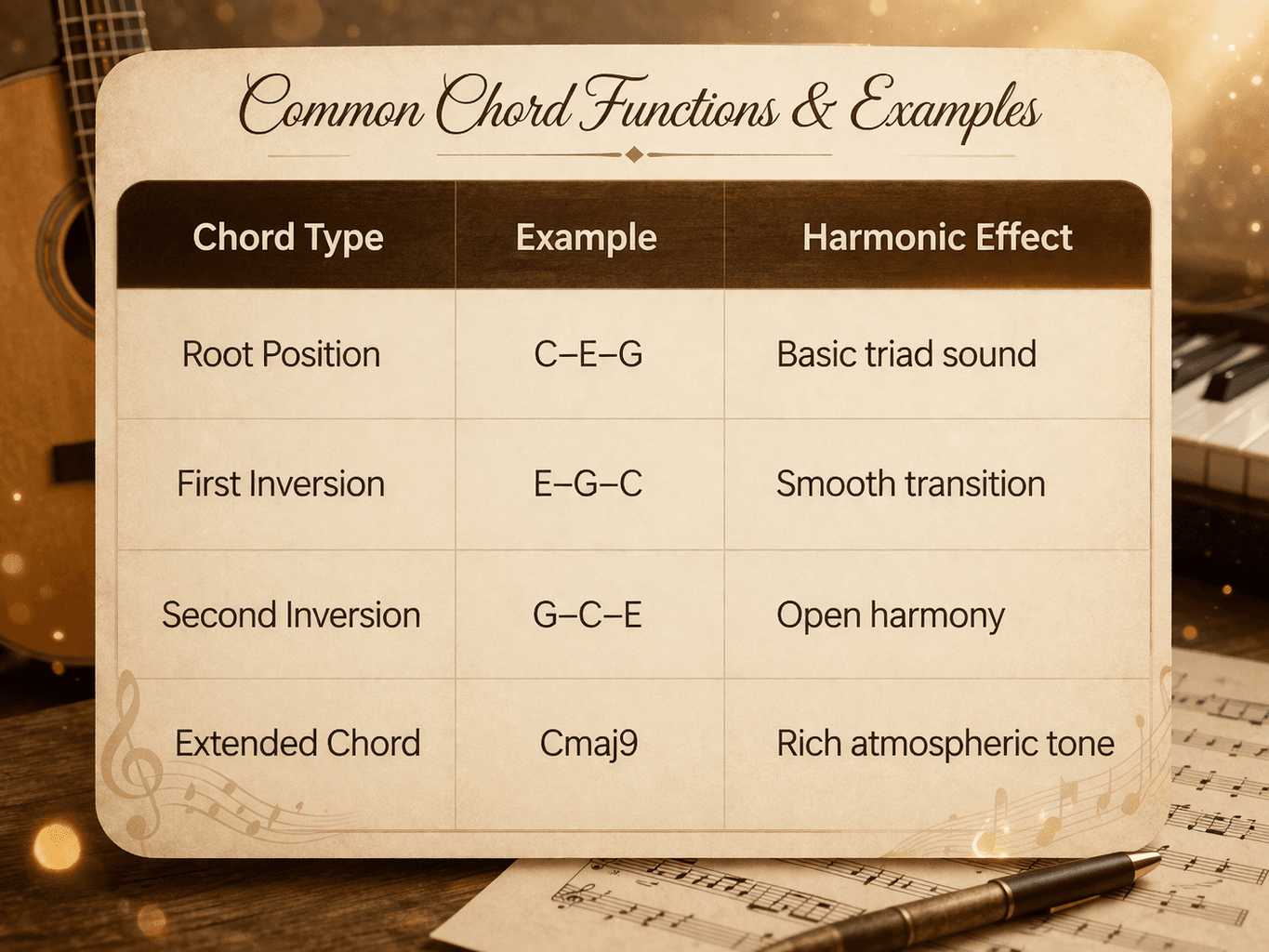
Professional pianists rarely play chords in simple root position because chord inversions piano create smoother transitions and allow hands to move less across the keyboard. These techniques dramatically improve piano harmony and voicing, helping musicians reshape a simple piano chord progression into elegant flowing harmony.
Adding color tones such as chord extensions piano like ninths or thirteenths expands harmonic possibilities further. Musicians often combine inversions with add2 chords piano, dominant chord piano voicings, and layered textures that bring life to piano accompaniment patterns used in pop, jazz, and cinematic piano music.
Understanding First, Second, and Third Inversions
In chord inversions piano, the lowest note changes position while the chord remains harmonically identical, allowing musicians to create smooth voice-leading, improve piano chord voicings, refine piano harmony techniques, and transform a simple piano chord progression into a seamless harmonic flow across the keyboard.
Adding 9th, 11th, and 13th Notes to Expand Harmony
Advanced chord extensions piano such as ninths, elevenths, and thirteenths expand the harmonic spectrum dramatically, helping musicians develop lush piano harmony and voicing, expressive piano accompaniment style, and innovative piano chord progression ideas that elevate ordinary progressions into sophisticated musical arrangements.
How Inversions Improve Smooth Chord Transitions
When pianists apply chord inversions piano, the distance between chords becomes smaller which improves piano timing and rhythm practice, supports smoother right hand piano patterns, strengthens rhythmic piano accompaniment, and ultimately transforms a simple piano chord progression into a polished professional-sounding performance.
“Great pianists rarely change the chords themselves. They change how the chords breathe, move, and interact.”
Technique 3 – Creating Movement with Broken Chords
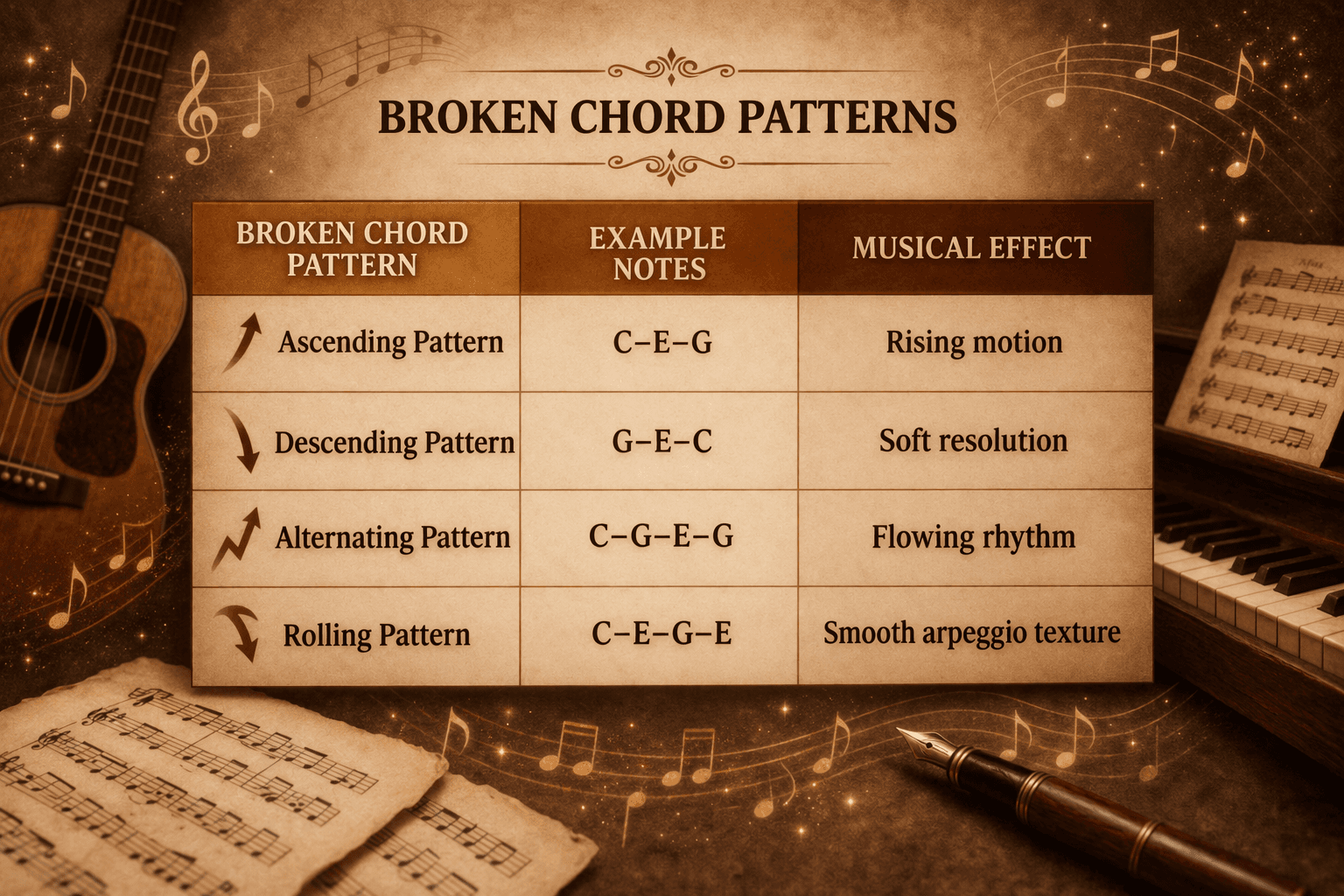
 Motion transforms static harmony into expressive accompaniment. When pianists convert a simple piano chord progression into broken chords piano patterns, each chord unfolds gradually across time, producing gentle movement that feels musical and natural while supporting melody lines.
This technique appears across classical, pop, and cinematic piano writing. Musicians often combine arpeggio piano patterns, flowing piano accompaniment style, and stable left hand bass patterns piano to create elegant textures that improve piano chord progression techniques and elevate ordinary chord progressions.
What Are Broken Chords in Piano Accompaniment
In broken chords piano, the pianist separates chord tones into sequential notes rather than striking them together, which produces elegant arpeggio piano patterns, improves rhythmic piano accompaniment, strengthens piano accompaniment patterns, and transforms a simple piano chord progression into a flowing musical texture.
Step-by-Step Method to Practice Broken Chord Patterns
Effective practice begins slowly by repeating simple piano triads as arpeggio piano patterns, gradually adding inversions and right hand piano patterns, which helps players strengthen coordination while developing refined piano timing and rhythm practice that supports expressive performance across many musical styles.
Songs and Styles That Use Broken Chord Accompaniments
Broken chord accompaniment appears widely in classical piano pieces, modern ballads, and pop piano accompaniment, where musicians rely on piano accompaniment patterns, flowing rocking chord patterns, and subtle piano groove patterns to transform a simple piano chord progression into emotionally rich music.
Technique 4 – Playing Flowing Eighth-Note Patterns
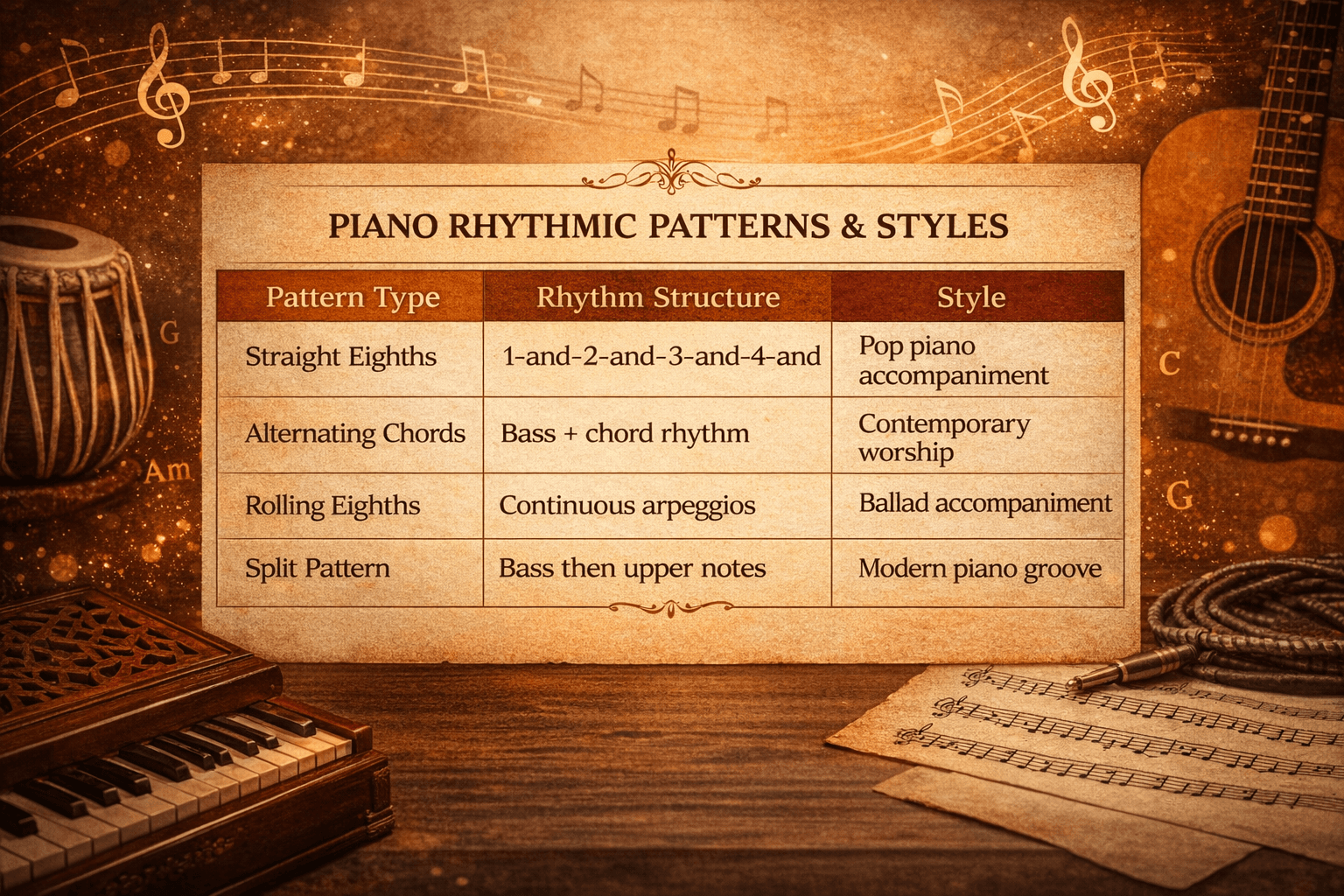
 Rhythm shapes how harmony feels to listeners. By dividing chords into a steady eighth note piano pattern, musicians convert static harmony into a driving rhythmic piano accompaniment that gives energy and motion to a simple piano chord progression.
Many modern pop songs rely on this technique because it produces continuous motion without sounding complicated. Pianists combine right hand piano patterns, balanced piano harmony techniques, and controlled piano timing and rhythm practice to create smooth and energetic accompaniment textures.
How 8th-Note Patterns Add Rhythm and Energy
When pianists apply an eighth note piano pattern, they divide each beat into two steady pulses which produces a consistent rhythmic drive that strengthens piano groove patterns, enhances piano accompaniment style, and reshapes a simple piano chord progression into lively musical motion.
Right Hand Techniques for Smooth Flow
Smooth performance requires relaxed fingers and efficient movement when executing right hand piano patterns, allowing pianists to maintain fluid piano accompaniment patterns, develop reliable piano rhythm exercises, and sustain consistent rhythmic energy across the entire chord progression.
Technique 5 – Increasing Energy with Sixteenth-Note Patterns
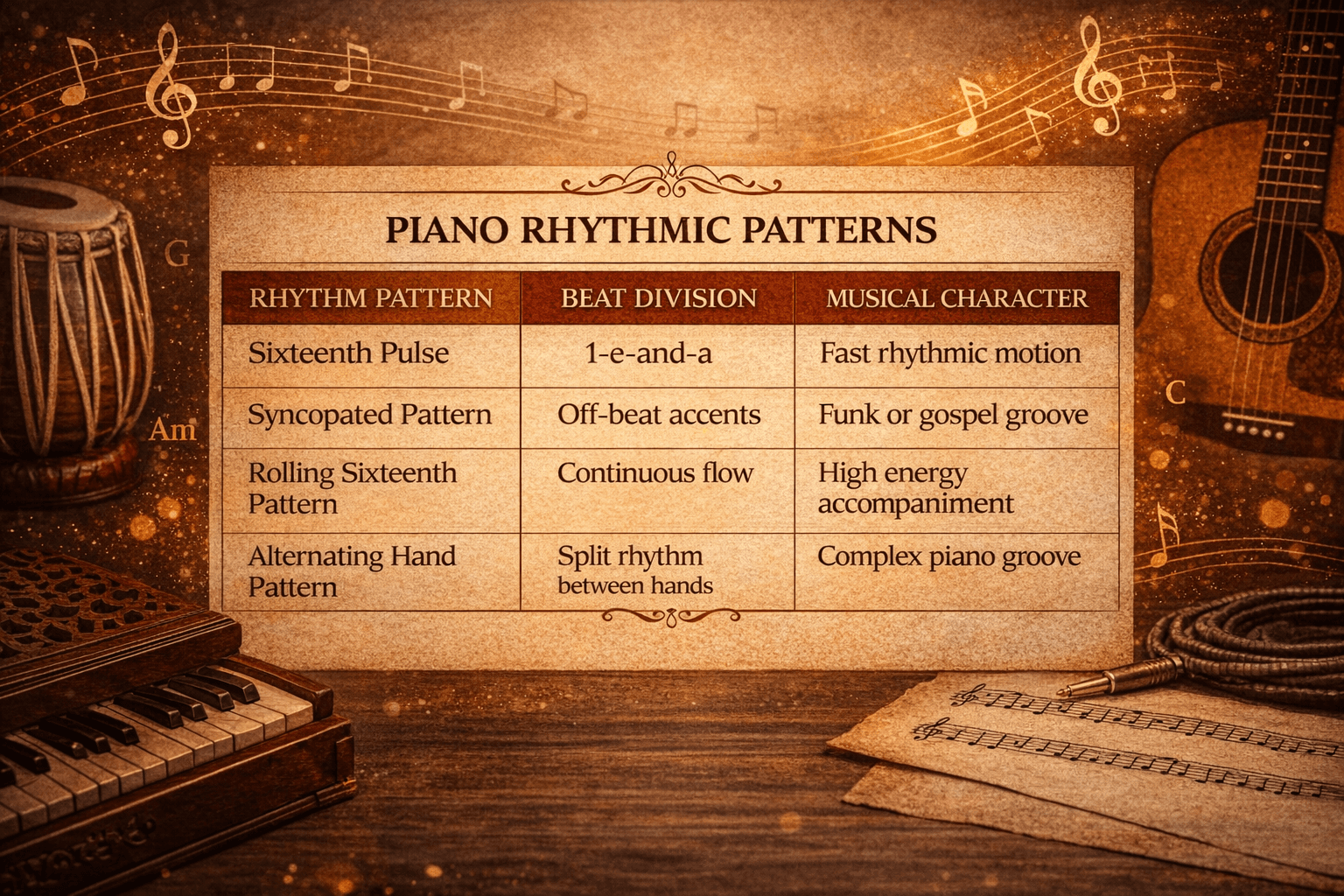
 While eighth notes create steady movement, faster rhythms introduce excitement. A sixteenth note piano rhythm multiplies the number of notes within each beat, producing energetic textures that transform a simple piano chord progression into a dynamic performance style.
This rhythmic approach appears frequently in gospel, funk, and modern pop piano. Musicians combine piano groove patterns, expressive piano accompaniment style, and coordinated left hand bass patterns piano to produce exciting rhythmic layers that energize the music.
How Faster Note Patterns Add Musical Excitement
The sixteenth note piano rhythm increases rhythmic density dramatically which intensifies rhythmic piano accompaniment, strengthens piano groove patterns, and adds excitement to a simple piano chord progression while maintaining the same harmonic structure.
Practicing Speed While Maintaining Accuracy
Developing control requires slow piano rhythm exercises, consistent piano timing and rhythm practice, and gradual tempo increases so pianists can maintain clarity in both hands while executing rapid right hand piano patterns and coordinated bass movement.
Technique 6 – Expanding Chords Across the Keyboard
 Professional pianists often spread notes across the keyboard instead of stacking them closely together. This approach enlarges the sonic space and transforms a simple piano chord progression into a wide, cinematic texture that feels fuller and richer.
Wide spacing improves piano harmony and voicing because bass notes anchor the harmony while upper notes shimmer above. Musicians combine left hand bass patterns piano, expressive piano chord voicings, and layered piano harmony techniques to create a balanced and powerful piano sound.
What It Means to Spread Chords on the Piano
Spreading chords means distributing piano triads, major and minor chord voicing, and extended harmony across several octaves so that the bass anchors the harmony while upper notes provide brightness, helping pianists transform a simple piano chord progression into a spacious and powerful musical texture.
How Wide Voicings Create a Bigger Sound
Wide piano chord voicings improve piano harmony and voicing by separating chord tones across the keyboard which allows each note to resonate clearly, producing fuller sound while strengthening piano accompaniment patterns used in cinematic, pop, and modern keyboard arrangements.
Technique 7 – Using Repeating Piano Patterns for Strong Groove
 Repetition creates identity in music. Many famous songs rely on repeating piano groove patterns that keep harmony consistent while rhythm drives the energy of a simple piano chord progression.
These repetitive piano patterns strengthen musical flow because listeners quickly recognize the rhythmic structure. Pianists combine these patterns with expressive piano accompaniment style, steady rhythmic piano accompaniment, and balanced right hand piano patterns to produce memorable piano textures.
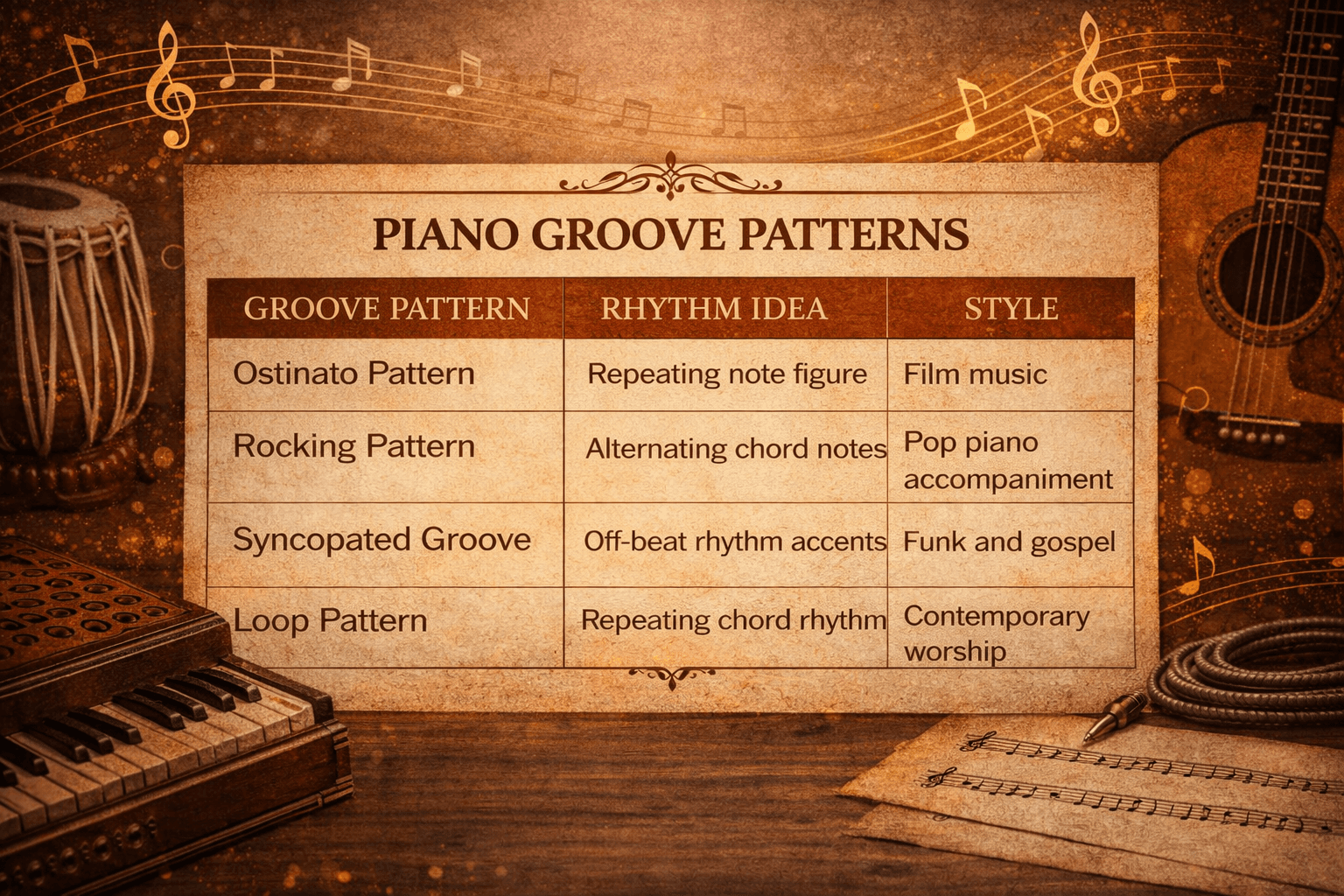
Understanding Ostinato Patterns in Piano Music
An ostinato refers to repetitive piano patterns that repeat continuously while harmony changes underneath, allowing musicians to maintain rhythmic stability while reshaping a simple piano chord progression using creative piano accompaniment patterns and expressive piano groove patterns.
How Repetition Builds Musical Identity
Repeated rhythmic structures strengthen piano accompaniment style because listeners quickly recognize the pattern, allowing musicians to layer melody and piano harmony techniques above the groove while keeping the harmonic foundation of a simple piano chord progression stable.
Technique 8 – Adding Chromatic Bass Motion
 Bass movement dramatically affects harmony. When musicians introduce stepwise bass lines between chords, a simple piano chord progression gains emotional tension and smoother transitions.
This technique appears frequently in jazz and gospel music. Pianists combine left hand bass patterns piano, expressive dominant chord piano harmony, and subtle piano harmony techniques to create fluid bass movement that enhances the overall musical experience.
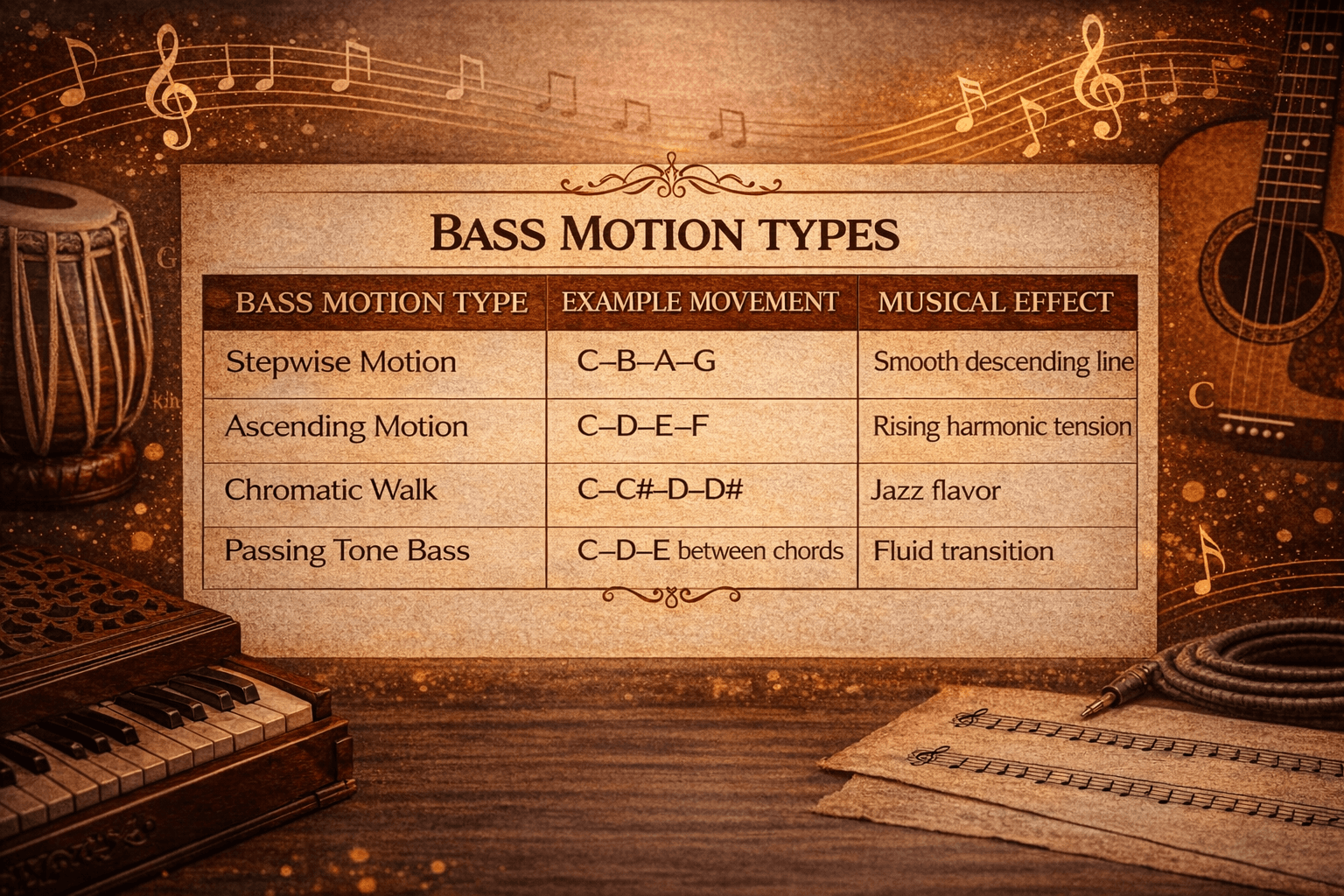
What Chromatic Bass Lines Are in Piano Music
Chromatic bass movement occurs when left hand bass patterns piano move through half-step intervals between chords, helping musicians connect harmony smoothly while enriching piano harmony and voicing and transforming a simple piano chord progression into a sophisticated musical passage.
How Bass Movement Adds Tension and Release
Gradual bass movement strengthens piano chord progression techniques because each passing tone builds anticipation before the harmony resolves, allowing pianists to develop expressive piano accompaniment patterns that feel dynamic and emotionally satisfying.
Technique 9 – Combining Broken Chords with Chromatic Bass Lines
 Combining broken chords piano with moving bass lines creates layered accompaniment that sounds complex while remaining easy to play. This approach transforms a simple piano chord progression into flowing harmony supported by steady motion in both hands.
Many pop and cinematic arrangements use this technique because it blends melody, rhythm, and bass movement together. Pianists often mix arpeggio piano patterns, expressive left hand bass patterns piano, and elegant piano harmony techniques to produce sophisticated accompaniment.
Creating Layered Piano Accompaniment
Layered accompaniment develops when broken chords piano, arpeggio piano patterns, and left hand bass patterns piano work together, allowing pianists to create flowing piano accompaniment style textures that transform a simple piano chord progression into expressive musical storytelling.
Examples of Progressions That Sound Rich with This Technique
Progressions such as a chord progression in F major become dramatically richer when chromatic bass movement supports rolling arpeggio piano patterns, creating elegant piano groove patterns that strengthen piano harmony techniques and produce smooth harmonic motion.
Technique 10 – Creating a Gospel-Style Piano Progression
 Gospel piano uses bold harmony and emotional rhythm to reshape a simple piano chord progression into a soulful musical experience. The style blends extended harmony, rhythmic movement, and expressive piano chord voicings that fill the keyboard with warmth.
Many gospel musicians rely on advanced piano harmony techniques, rich dominant chord piano voicings, and expressive piano accompaniment patterns that bring energy to worship music, jazz, and modern keyboard performance.
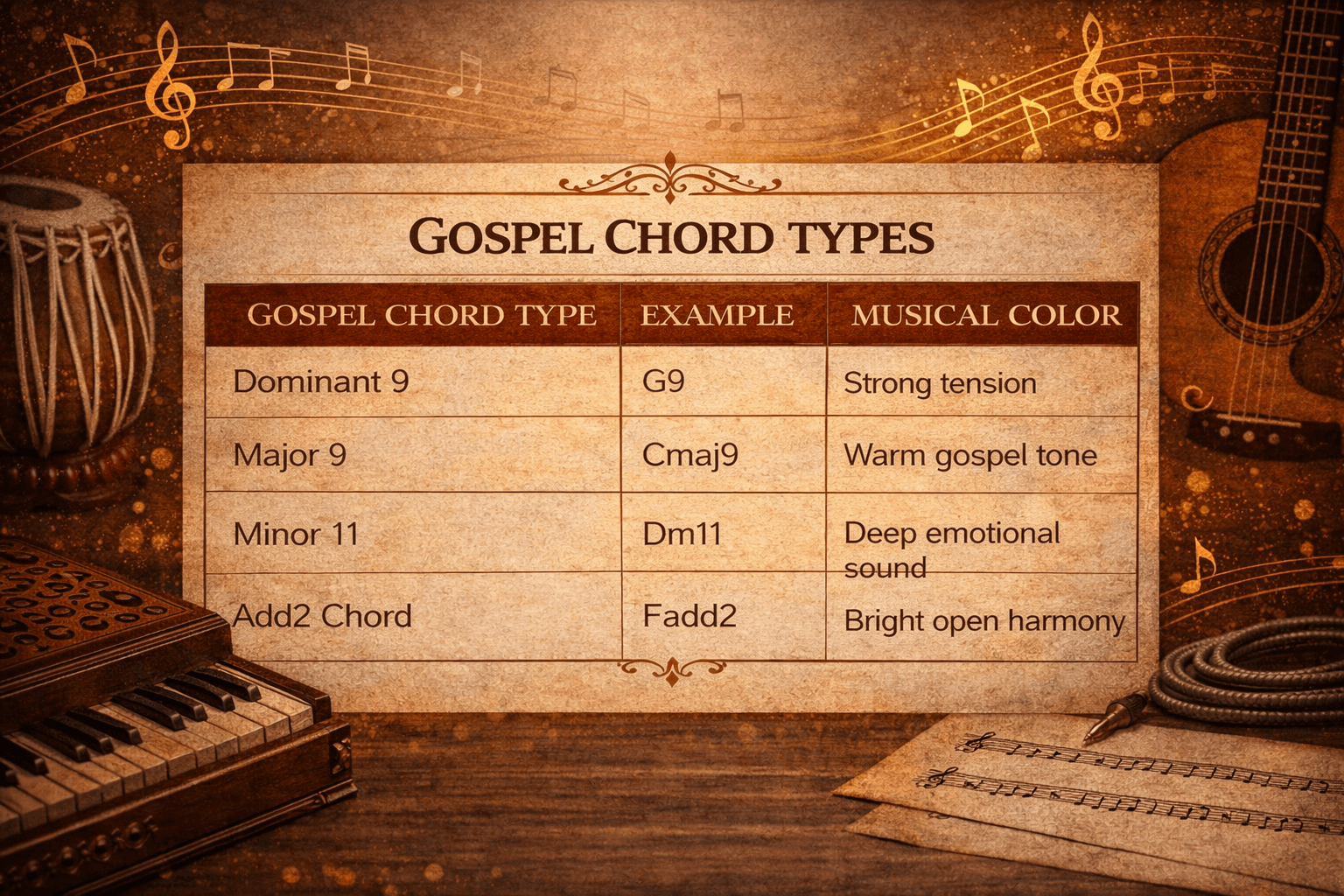
Characteristics of Gospel Piano Harmony
Gospel harmony frequently blends seventh chords piano, chord extensions piano, and expressive major and minor chord voicing techniques that reshape a simple piano chord progression into powerful musical expression filled with energy and emotional warmth.
How Gospel Voicings Add Soulful Expression
Soulful gospel sound emerges when musicians combine extended harmony with wide piano chord voicings, layered piano harmony and voicing, and rhythmic piano accompaniment style that produces a deep and resonant piano tone.
Practicing Gospel-Inspired Progressions
Learning gospel progressions requires consistent piano rhythm exercises, careful piano timing and rhythm practice, and experimentation with expressive piano chord progression ideas that help musicians develop personal style.
Practice Tips to Master Advanced Piano Chord Techniques
 Mastering harmony takes patience and repetition. Regular practice allows musicians to refine piano chord progression techniques, improve coordination, and build expressive piano accompaniment patterns that transform a simple piano chord progression into a confident performance.
Consistent exercises also strengthen piano timing and rhythm practice while improving both hand independence and harmonic understanding. Over time these habits improve piano harmony and voicing and create greater control over musical phrasing.
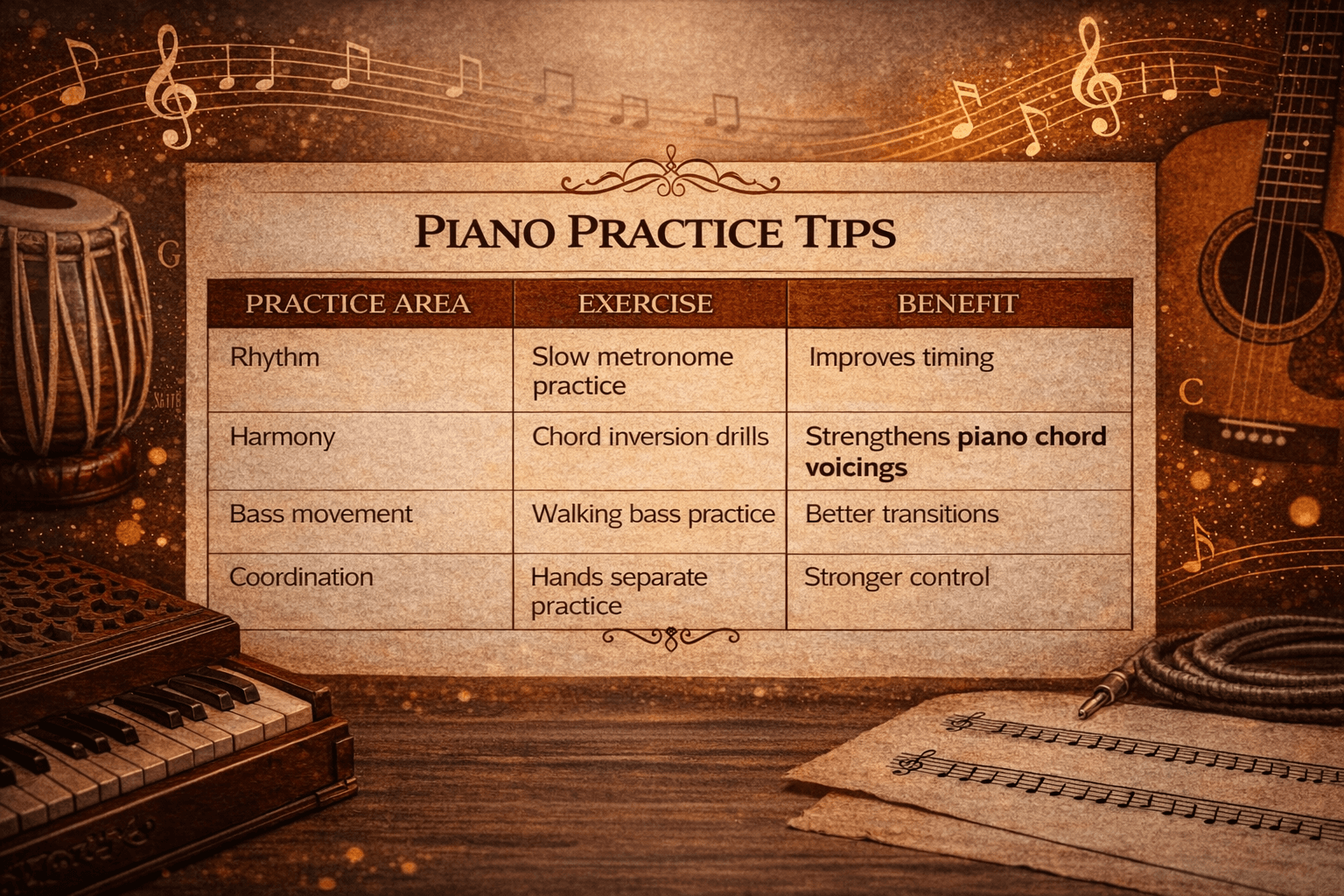
Exercises to Improve Chord Transitions
Practicing chord inversions piano, repeating piano triads, and exploring multiple piano chord voicings strengthens hand movement and allows musicians to transform a simple piano chord progression into smooth harmonic transitions.
How to Practice Rhythm and Hand Coordination
Strong coordination develops through steady piano rhythm exercises, structured piano timing and rhythm practice, and repeated right hand piano patterns combined with stable left hand bass patterns piano.
Common Mistakes Beginners Should Avoid
Many beginners rush rhythm or play chords too forcefully, yet balanced piano accompaniment style, relaxed finger movement, and controlled rhythmic piano accompaniment create smoother musical results.
Learn Piano Chord Progressions with Art Gharana
 Learning piano becomes easier with structured guidance. A clear curriculum helps students understand piano chord progression ideas, refine piano harmony techniques, and confidently transform a simple piano chord progression into expressive musical performance.
Modern online learning environments allow students worldwide to explore piano accompaniment patterns, strengthen piano playing techniques, and practice real musical applications that develop confidence.
Final Thoughts on Making Simple Piano Chords Sound Professional
Great piano music often begins with a simple piano chord progression. Through thoughtful piano harmony techniques, expressive rhythm, and creative piano chord voicings, musicians transform these basic chords into powerful musical storytelling.
With consistent practice, exploration of piano accompaniment patterns, and development of strong piano harmony and voicing, any pianist can discover exciting new piano chord progression ideas that make their playing sound confident, expressive, and professional.