ChatGPT
 Google AI
 Grok
Grok Claude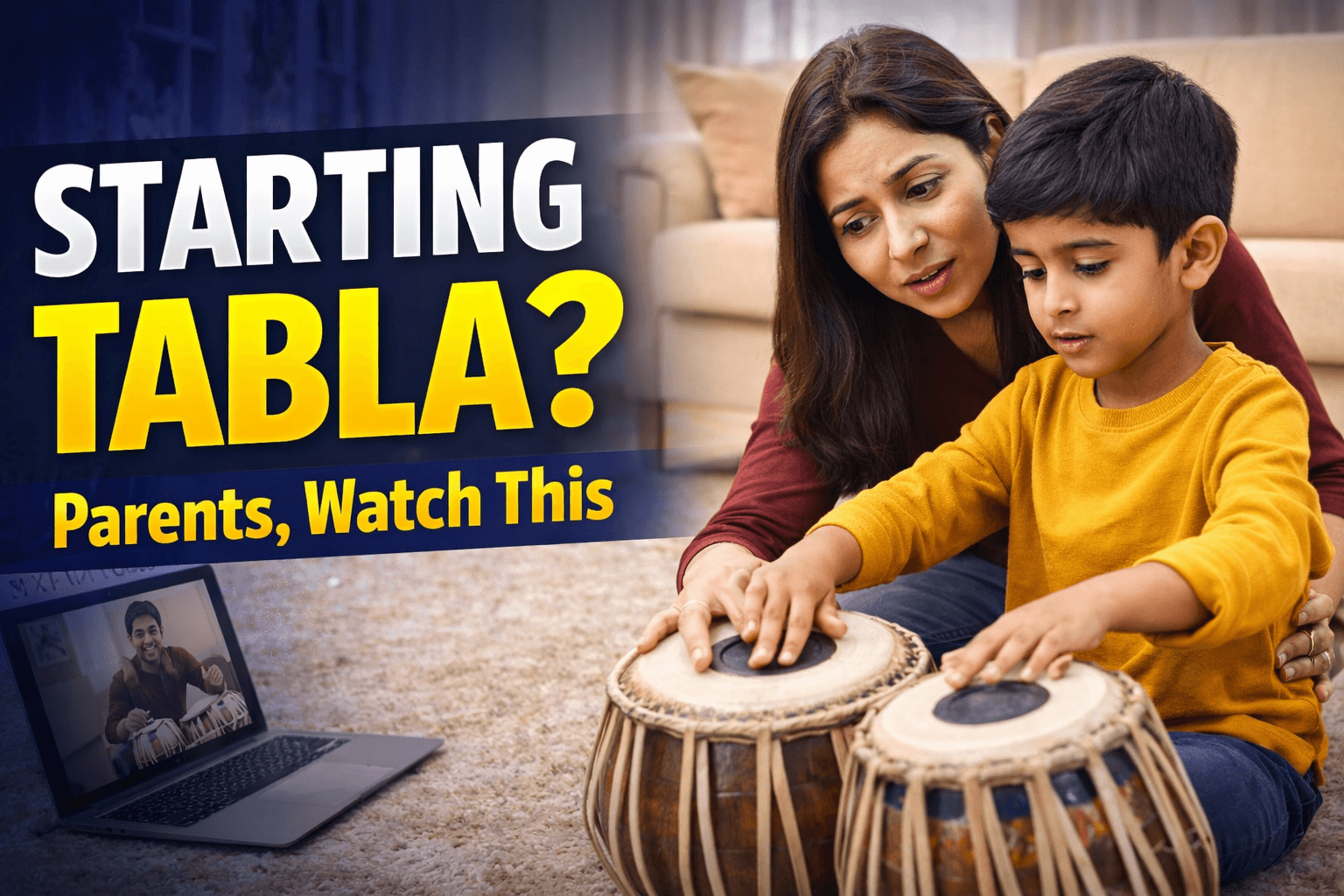
Learning tabla at home in Melbourne is becoming a meaningful way for families to reconnect with Indian traditions while giving children a structured musical routine. Parents often notice that home-based learning provides space for consistency, comfort and flexibility, making it easier for kids to stay motivated while navigating school schedules.
Many Indian families feel that introducing tabla at home helps children build discipline without overwhelming them. It allows parents to observe their child’s early musical responses, understand their interests and build a supportive environment. For many Melbourne households, this home-first approach becomes the ideal pathway before transitioning into guided online programs like those offered by Art Gharana.
What Makes the Tabla a Powerful Instrument for Kids
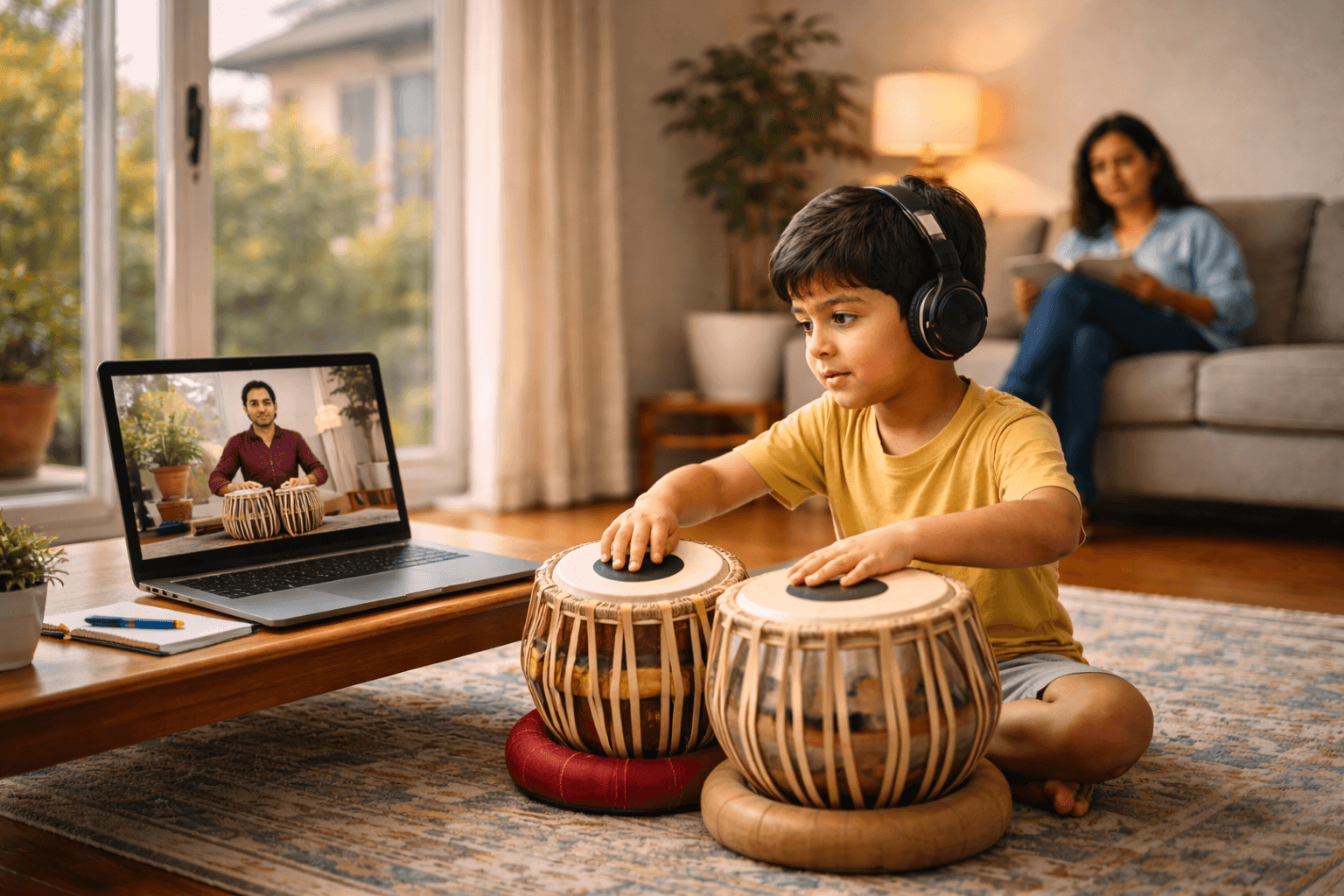 The tabla engages both the mind and body, allowing children to explore rhythm in a hands-on, imaginative way. Its combination of technique, coordination and creativity helps young learners develop sharper listening skills and faster reflexes. Parents often find that tabla practice encourages focus while helping children unwind after school hours.
The instrument’s cultural depth adds emotional and educational value. Many families appreciate how tabla connects their children to Indian heritage without pressure or complexity. When kids begin learning at home, they form a natural bond with rhythm. As they grow more confident, structured online training with platforms like Art Gharana helps refine their progress.
How Home-Based Tabla Learning Works for Melbourne Families
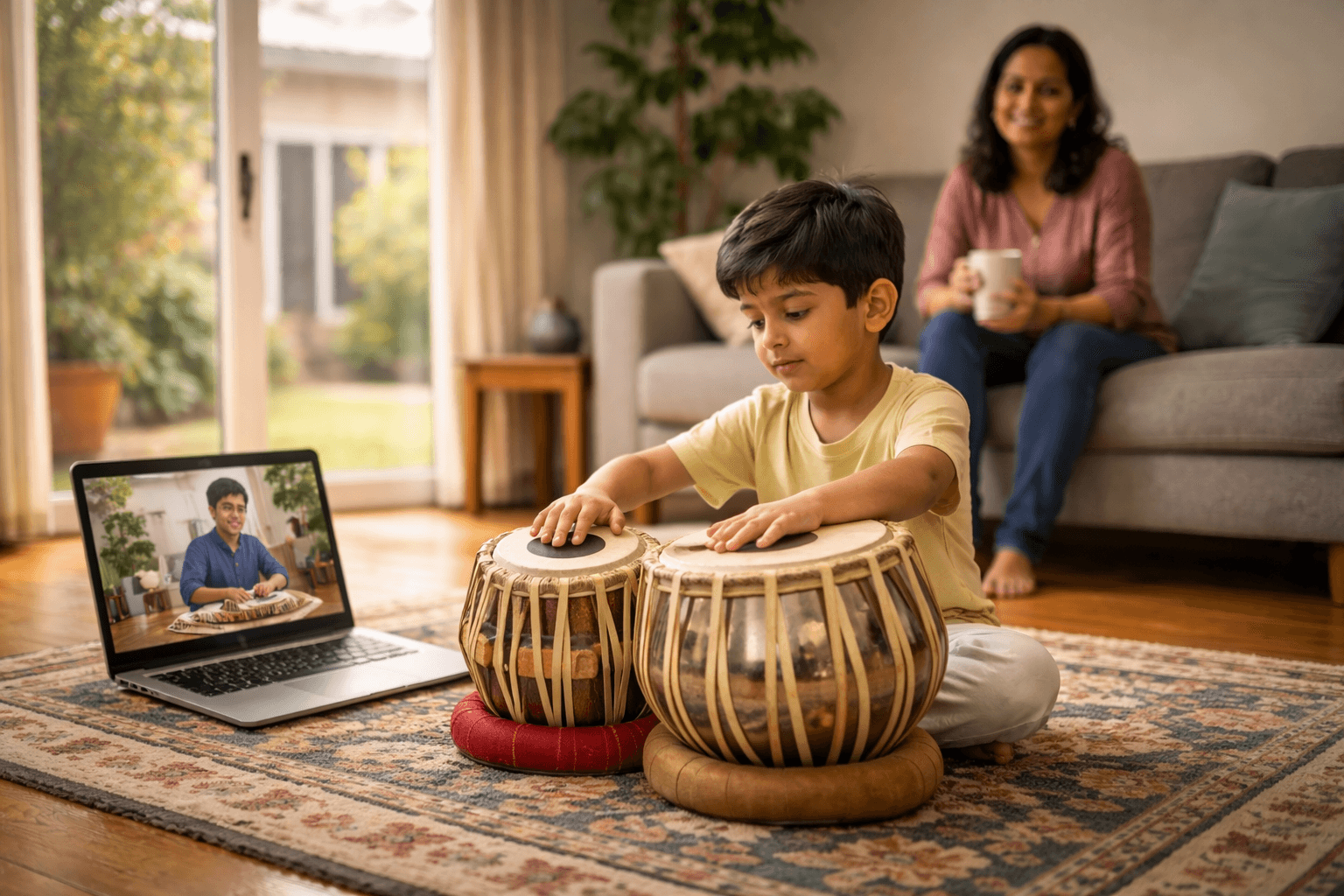
Starting tabla at home usually involves creating a small practice corner, choosing a beginner-friendly routine and setting realistic expectations. Parents often guide early sessions by helping children follow simple rhythms and hand placements. This early involvement builds trust and makes learning feel more personal and enjoyable.
Online platforms make the process smoother by offering structured lessons. Art Gharana provides beginner-friendly tabla sessions designed for Indian kids in Australia. Parents appreciate how these sessions include foundational exercises, technical corrections and rhythm-building activities, all taught in a welcoming and progressive format that aligns with children’s home practice environment.
Preparing Your Home for Your Child’s Tabla Journey
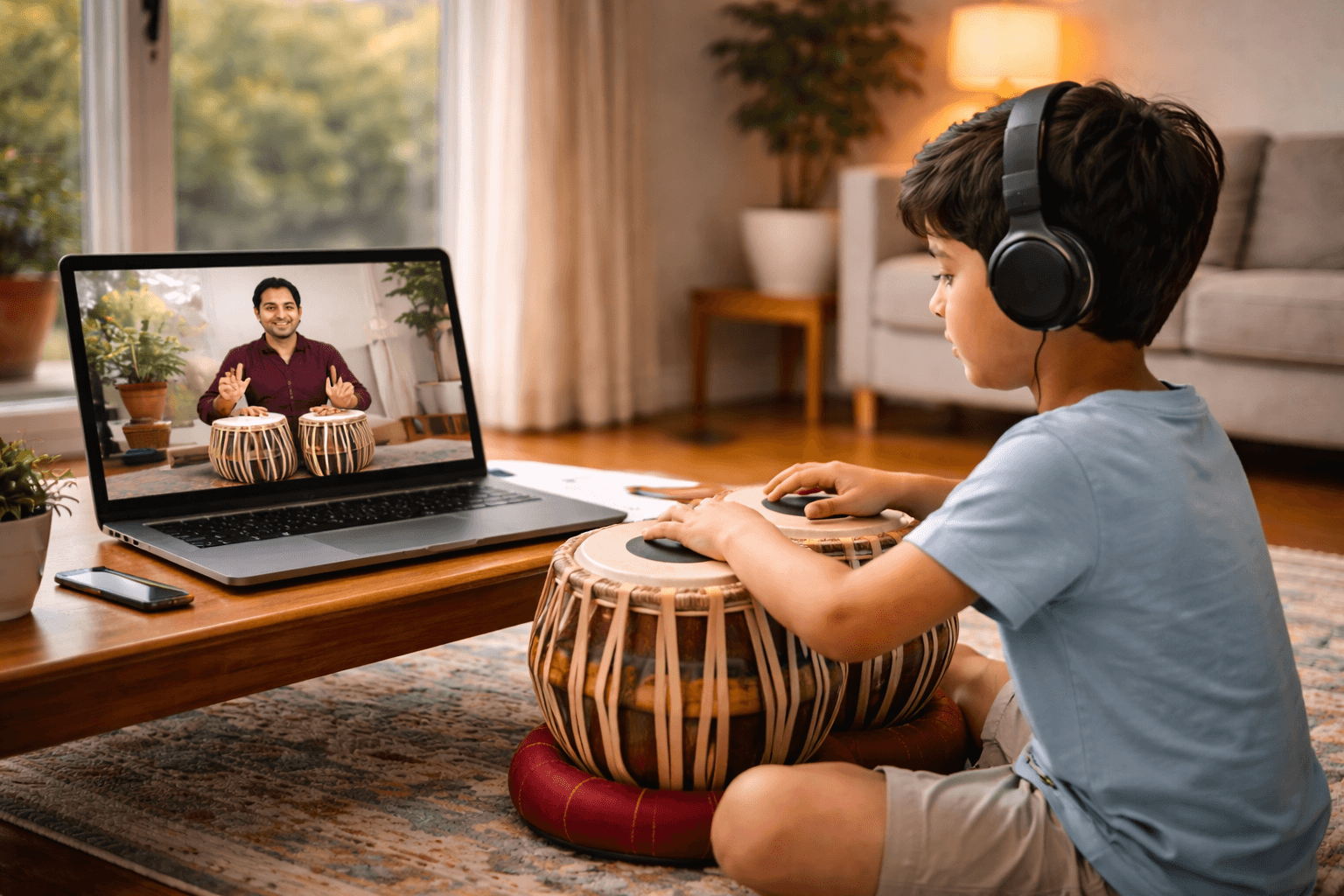
Setting up a dedicated space helps children sense that their musical journey is important. Parents usually choose corners with minimal distractions, comfortable lighting and enough floor space for posture and hand movement. This simple setup allows kids to practice with clarity and without interruptions.
A comfortable seating arrangement helps children maintain posture during longer practice sessions. Families often place a small rug or mat under the tabla to stabilize the drums. When the environment feels calm, kids naturally practice more. Online guidance from Art Gharana helps parents set up this space more effectively through tailored advice.
Understanding the Basics Before Your Child Begins Learning
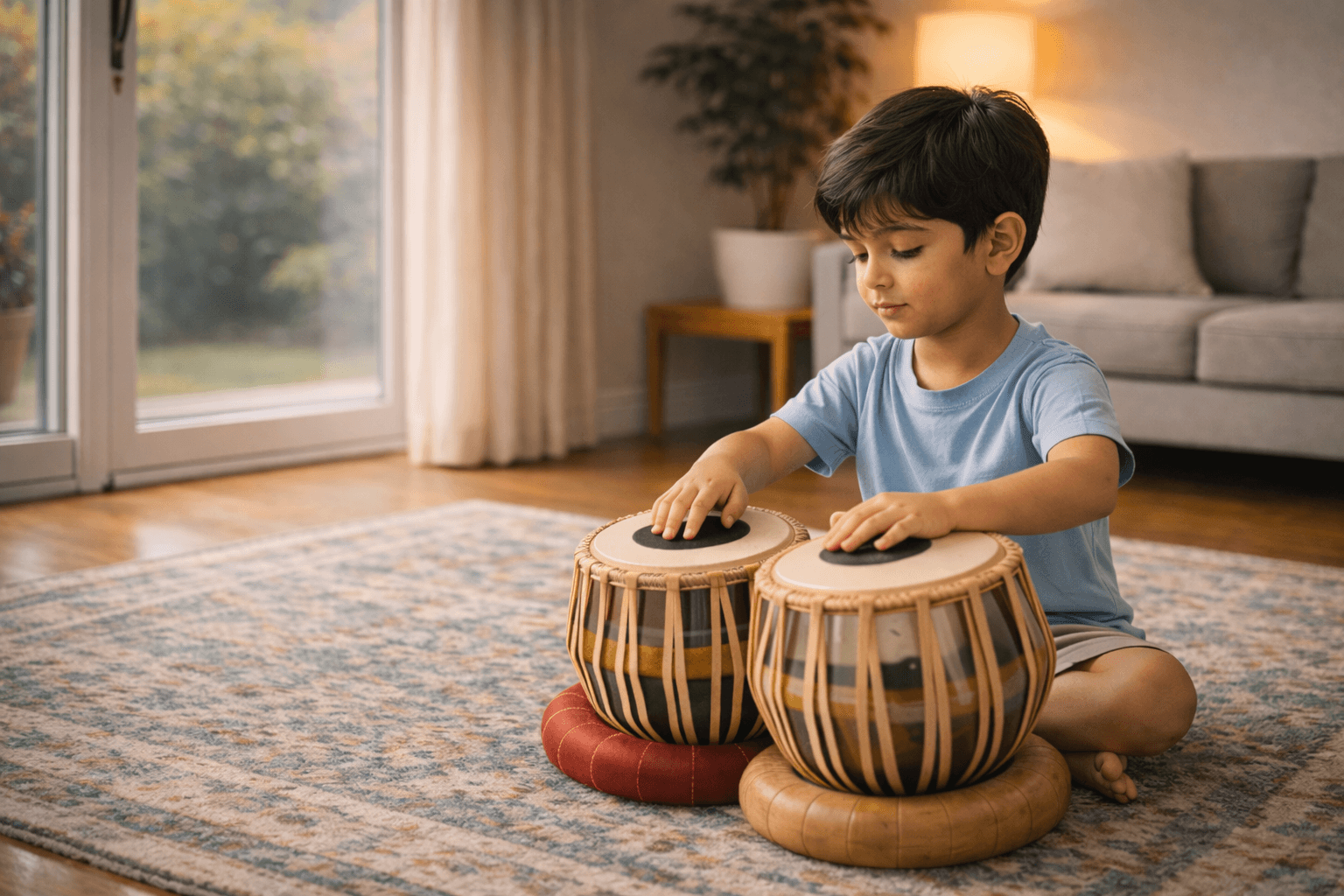
Helping your child grasp the fundamentals before formal training creates a smooth start. Parents often introduce simple concepts such as hand names, tabla structure and basic sounds. These small steps give children familiarity and reduce hesitation during their first online session.
Parents who guide these introductions find that children become more confident and eager to learn. This foundation becomes very helpful when joining online classes with Art Gharana, where instructors build on these early ideas by adding structured rhythms, exercises and musical sensibility.
How to Choose the Right Beginner Tabla for Your Child
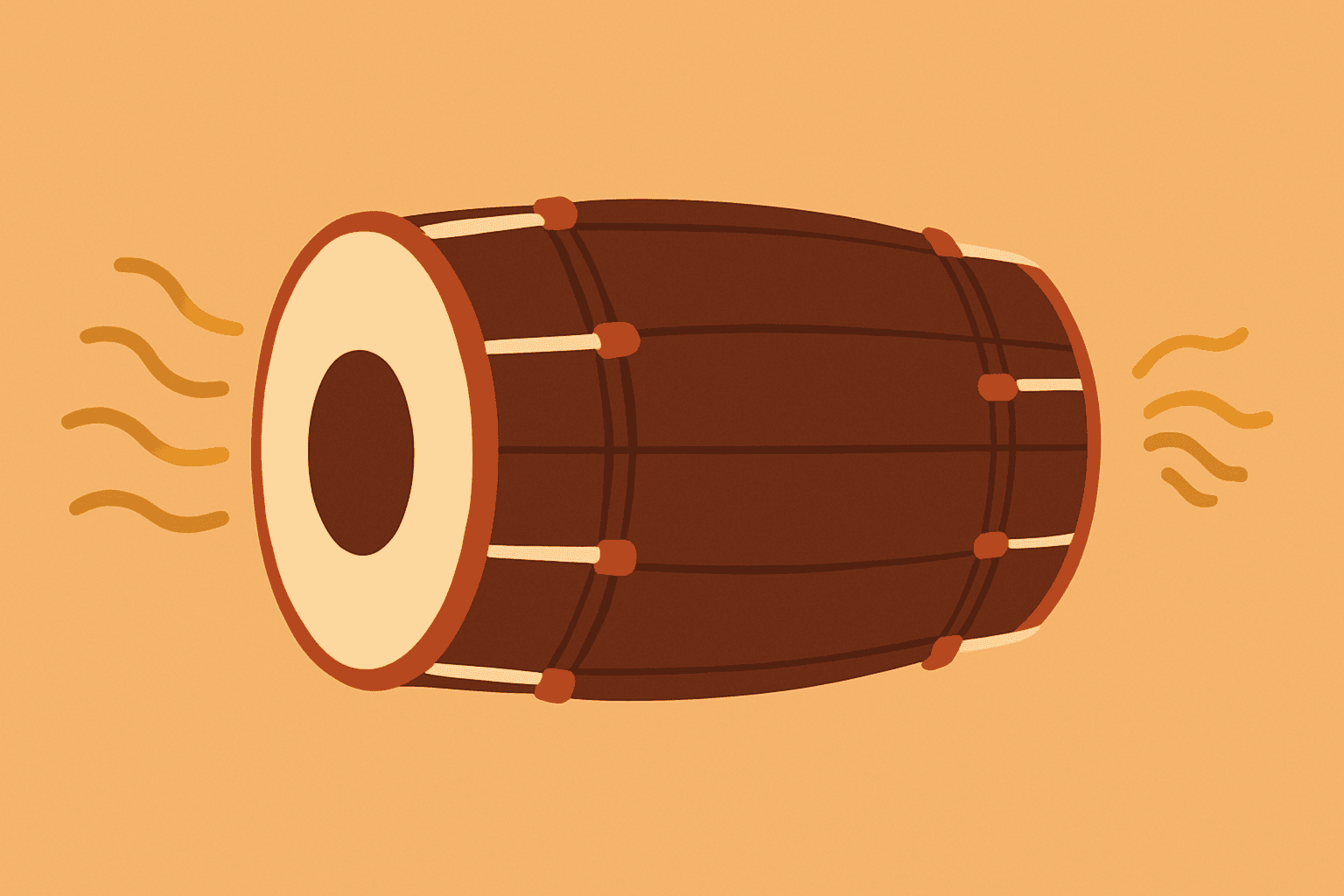 Parents in Melbourne often feel unsure while choosing a tabla set because they want something durable and comfortable. A beginner tabla should match the child’s hand size, weight capacity and ease of handling. Choosing the right drum quality also affects sound clarity and motivation.
A good beginner tabla helps kids produce clean tones even with minimal strength. Many parents take online guidance from Art Gharana instructors who recommend suitable materials and sizes. When kids start with drums that fit their age, their practice becomes smoother and their interest grows steadily.
Building a Practice Routine That Works for Melbourne Kids
A simple daily routine helps children develop consistency. Parents usually start with short sessions, allowing kids to explore rhythm freely without fear of mistakes. Over time, the routine becomes structured when guided by expert instructors during online lessons.
When kids follow a predictable practice rhythm, they progress naturally. Parents who observe practice sessions can gently encourage improvements. With Art Gharana’s online tabla classes, instructors provide personalised routines that help children stay engaged and excited about their musical growth.
Why Online Tabla Learning Works Wonderfully for Melbourne Families
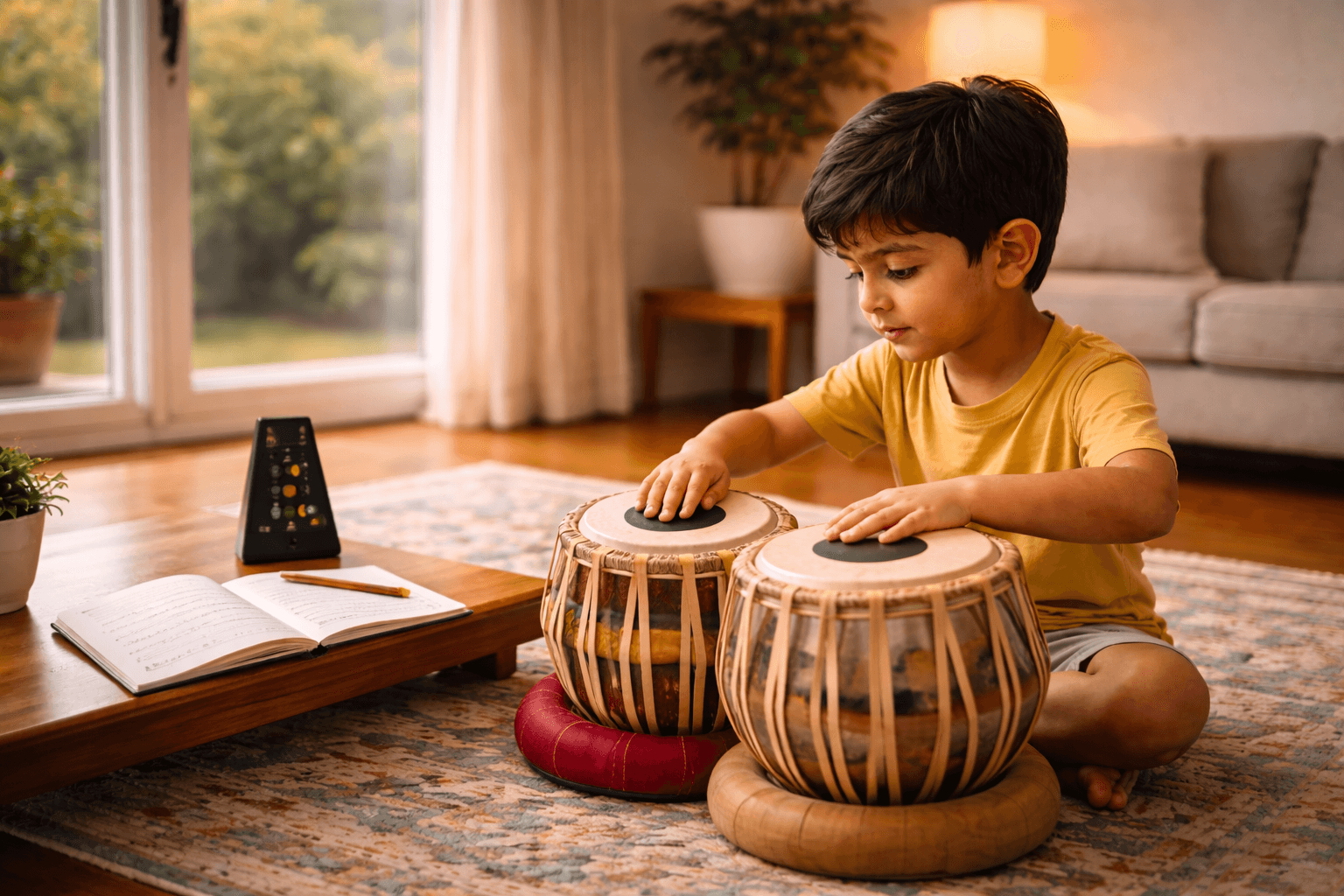 Online lessons have become popular because they offer flexibility, personal attention and a comfortable learning space. Kids feel more relaxed at home, which allows them to explore rhythm more naturally. Parents also appreciate how online learning eliminates travel time and allows for consistent scheduling.
Art Gharana’s online tabla program is known for its structured method that blends technique with creativity. Instructors ensure children stay motivated by offering clear demonstrations, feedback and rhythmic exercises that can be easily practiced at home. This harmony between home and online guidance creates steady progress.
What Happens in a Beginner Tabla Class with Art Gharana
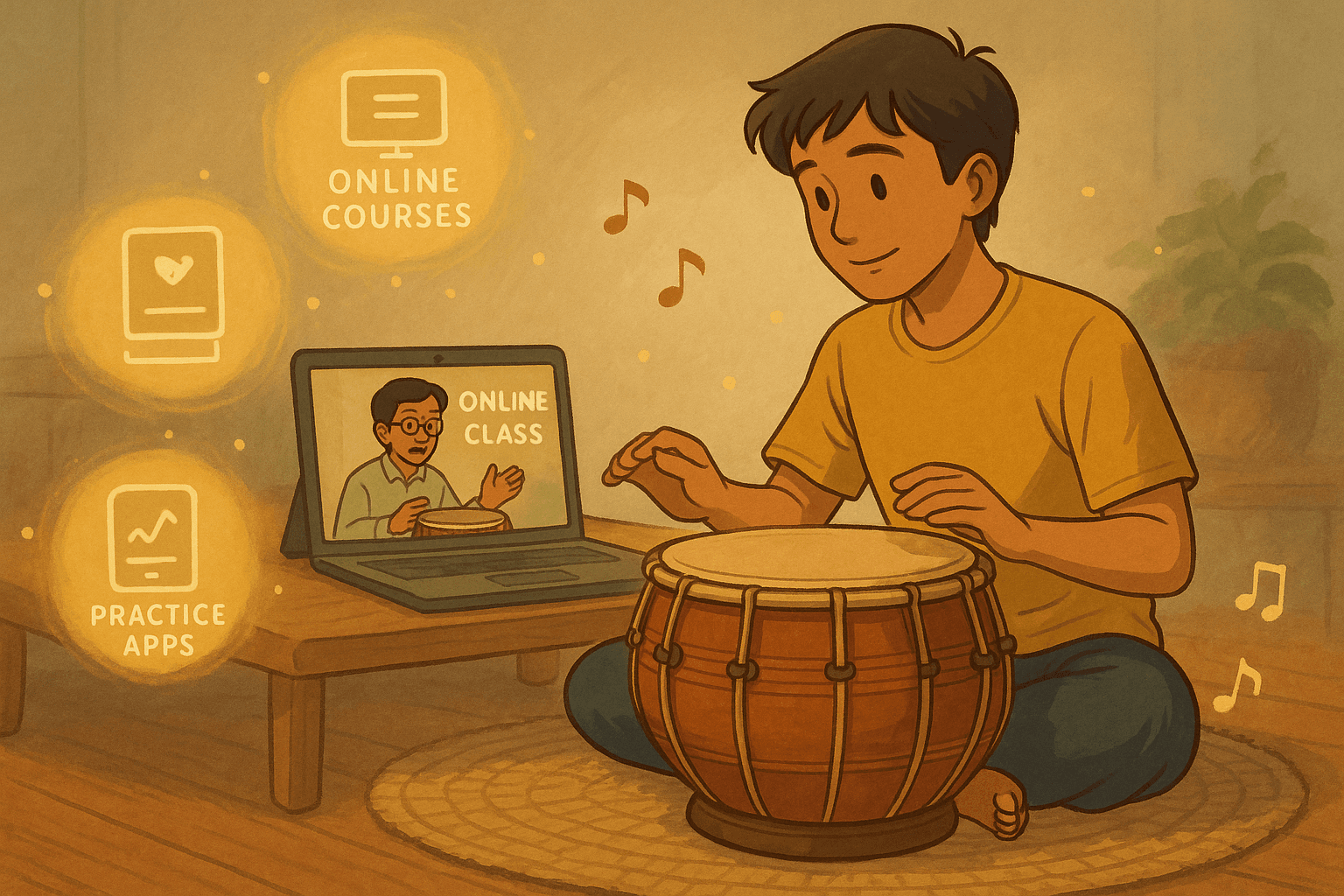 A typical beginner class introduces children to basic strokes, finger placement and sound clarity. Instructors ensure kids do not rush and instead focus on forming correct habits. Parents often enjoy watching these sessions because they reveal how quickly kids grasp rhythmic concepts.
As lessons progress, children learn simple compositions and rhythmic cycles that enhance coordination. Art Gharana’s instructors encourage children to practice with confidence and curiosity. Each session includes demonstrations, repetition and playful rhythmic exercises that help children internalize patterns naturally.
How Kids Build Rhythm Sense Through Simple Daily Practice
Rhythm sense develops when children practice short patterns regularly. Parents usually notice improvements in timing, clarity and confidence after just a few days of consistent practice. Repetition helps children form a natural relationship with counted movements and hand response.
Instructors at Art Gharana reinforce rhythm sense through carefully designed exercises that build speed and stability. Kids respond well to these exercises because they feel achievable and enjoyable. This steady rhythm development helps them prepare for more advanced cycles in later stages.
A Look at Tabla Techniques Your Child Will Gradually Learn
Children begin by exploring essential sounds produced through proper finger placement. As they progress, they learn how to combine strokes into phrases and build rhythmic structures. Parents often find this gradual development fascinating because children learn through patience and guided repetition.
Online classes with Art Gharana introduce techniques in a structured manner that prevents overwhelm. Kids learn at a pace that supports clarity and comfort. Instructors help refine each movement so children understand the purpose behind every sound they produce, strengthening long-term proficiency.
Understanding the Role of Posture in Tabla Performance
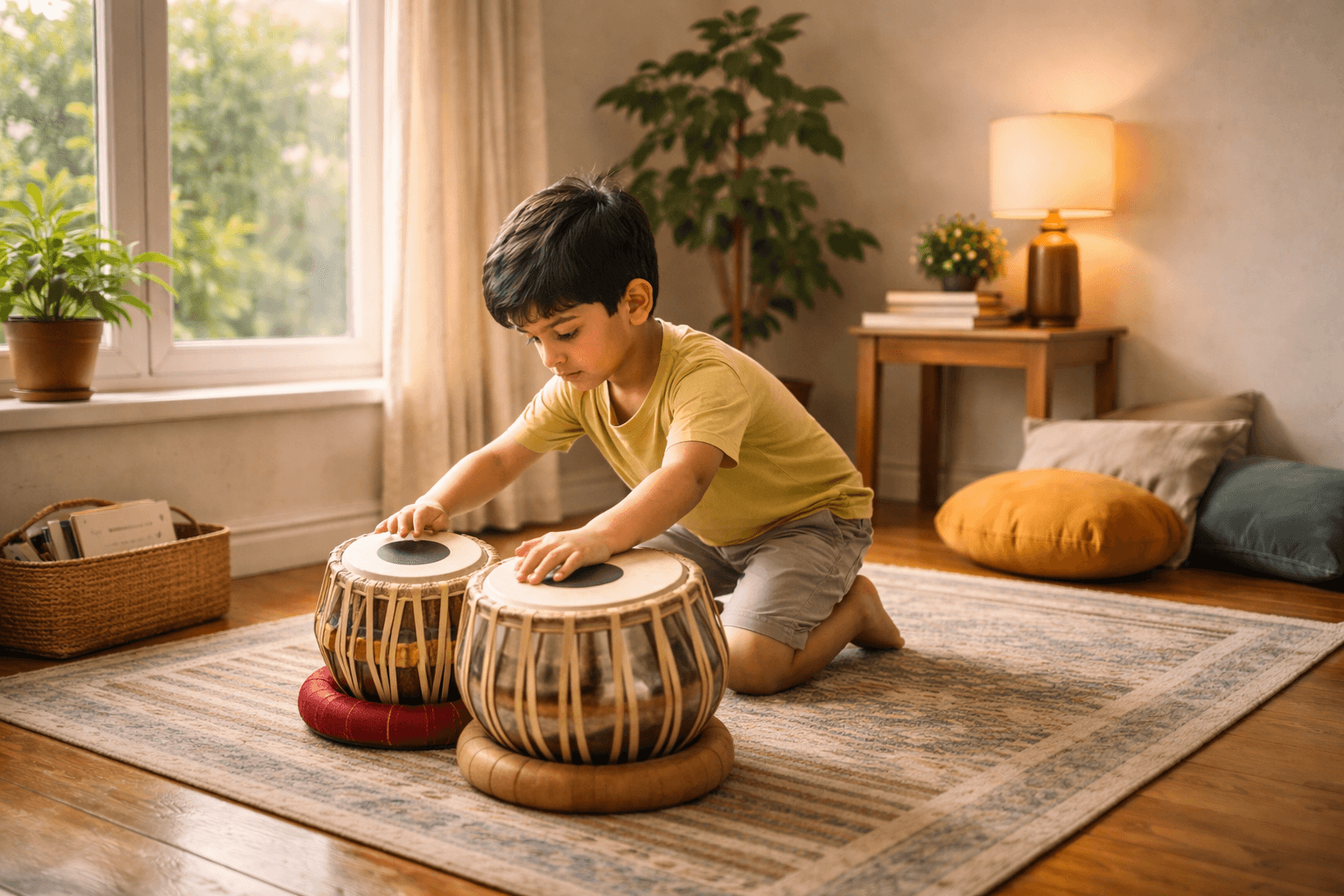 Posture plays a crucial role in playing tabla comfortably. Kids learn to sit with a straight back, relaxed shoulders and balanced elbows. These small adjustments help children produce clear sounds without strain. Parents notice that better posture improves focus and reduces fatigue during practice.
Instructors at Art Gharana guide children through posture corrections during online sessions. Their friendly approach helps kids maintain proper alignment without feeling pressured. Over time, posture habits become natural and contribute to smoother hand movements and more controlled rhythms.
Why Parental Involvement Makes a Huge Difference
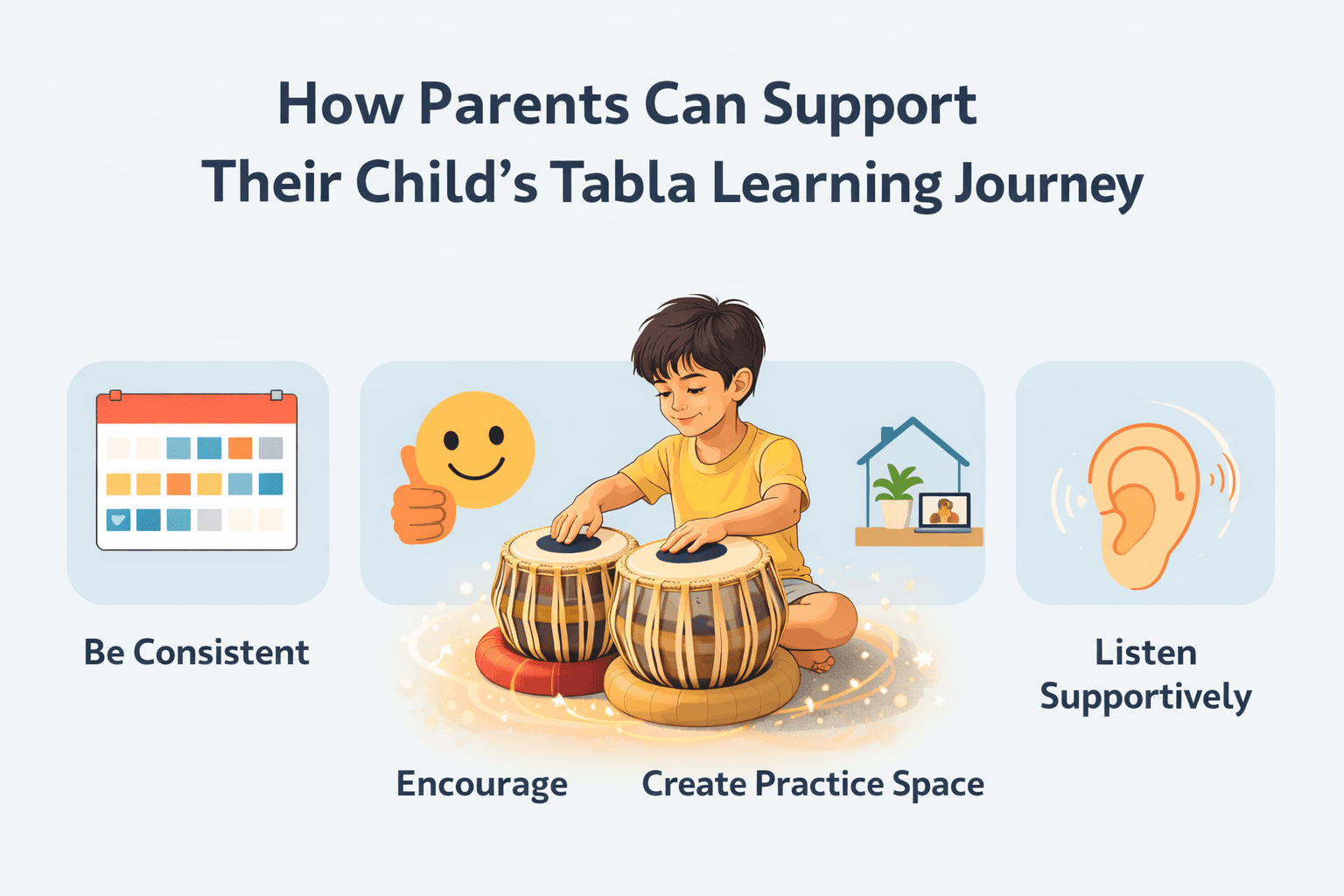
Children thrive when parents show interest in their musical journey. Even small gestures, such as sitting nearby during practice, offering encouragement or celebrating progress, help children stay motivated. Parents who engage with the learning process build trust and support.
Art Gharana encourages parents to observe lessons and understand the learning flow. This shared experience strengthens the child’s confidence and helps parents guide home practice effectively. Consistent involvement creates a positive atmosphere that helps children improve faster.
How Tabla Learning Improves Cognitive Skills
Regular practice strengthens memory, concentration and problem-solving abilities. Kids learn to track rhythmic patterns, process hand movements and maintain timing simultaneously. This multi-layered learning enhances brain activity and supports academic performance.
Parents often observe improvements in attention span and discipline as children develop musical habits. Online sessions with Art Gharana reinforce these cognitive benefits by offering structured routines that encourage focus and analytical thinking through rhythmic challenges.
Skills Kids Develop While Learning Tabla at Home
Tabla teaches children important life skills such as patience, resilience and self-expression. They learn to refine their strokes, correct mistakes and maintain rhythm through consistent effort. This commitment helps them grow emotionally and creatively.
Art Gharana’s instructors nurture these skills by encouraging children to embrace challenges and celebrate progress. Kids learn to express themselves through rhythm while developing strong listening habits. These qualities reflect in their schoolwork and daily behavior, creating balanced growth.
How Tabla Enhances Cultural Connection for Indian Families in Melbourne
Tabla brings cultural stories and traditions into children’s daily routines. Parents appreciate how this connection strengthens identity and understanding. Kids learn the significance of rhythm in Indian music and gain pride in their heritage.
Art Gharana plays a key role in enhancing this connection by offering lessons rooted in classical tradition. Children explore rhythmic cycles that carry cultural history. This blend of learning and heritage helps families maintain cultural continuity in Melbourne’s multicultural environment.
A Table Comparing Home Learning and Online Classes
The following table helps parents understand how home practice and online classes complement each other.
Learning Type Strengths Parent’s Role Home Practice Comfort, flexibility, self-paced learning Encouragement, space setup Online Classes Structured lessons, expert corrections, Observation and support progress tracking
A Table Showing Beginner to Intermediate Concepts
This table outlines how children gradually move through stages. Level Concepts Description Beginner Strokes and technique Fundamental hand positions and sounds Early Intermediate Rhythmic cycles Introduction to basic taal patterns
Helping Your Child Stay Consistent with Practice
Consistency becomes easier when practice feels enjoyable rather than forced. Parents often set simple routines where children practice after homework or during calm evening hours. This allows them to build a rhythm without feeling pressured or tired.
Art Gharana helps maintain consistency through structured weekly lessons. Instructors guide families on building manageable routines that strengthen discipline and interest. When kids experience steady improvement, practice becomes something they look forward to every day.
Understanding Taal and Its Role in Tabla Playing
Taal forms the rhythmic backbone of tabla. Children learn how beats cycle and how patterns repeat in musical sequences. Parents often find it interesting that kids begin recognizing taal patterns even outside practice sessions once they develop awareness.
Art Gharana introduces taal in a simple and engaging manner. Kids learn through clapping sequences, counting methods and beginner compositions. These foundational exercises help children understand rhythm deeply, making future lessons more meaningful and structured.
How to Support Your Child During Online Sessions
A stable internet connection, quiet space and minimal interruptions help kids concentrate during online lessons. Parents often check these elements before class to ensure a smooth learning experience and reduce distractions. Instructors at Art Gharana encourage friendly interaction to keep children engaged. Parents can sit nearby during initial sessions and gradually allow kids to learn independently as confidence grows. This balance supports both independence and emotional security.
How Kids Learn to Recognize Rhythmic Patterns Over Time
Children begin by identifying simple patterns and gradually progress to more complex structures. As they build familiarity, they start predicting patterns and adjusting hand movements accordingly. Parents often notice improvements in pattern recognition within a few weeks.
Art Gharana’s structured lessons reinforce these developments by guiding children through stepwise learning. Instructors offer clear examples and repeated demonstrations, allowing kids to internalize rhythmic ideas naturally and confidently.
When Parents Know It’s Time to Upgrade to Intermediate Learning
Parents usually recognize this transition when children play basic strokes confidently, maintain rhythm without hesitation and show curiosity for advanced patterns. These signs indicate readiness for intermediate lessons where skills become more refined.
Art Gharana helps parents identify this stage through regular assessments. Instructors share feedback on technique, rhythm stability and progress, helping families understand when a child is ready to explore deeper musical concepts.
How Tabla Learning Helps Children Manage Stress
Rhythmic practice has a calming effect on children. The repetitive movements, controlled breathing and focus help reduce mental tension. Parents often observe that children feel more relaxed and composed after practice sessions.
Art Gharana emphasizes creating a comfortable learning atmosphere. Instructors integrate patterns that encourage mindfulness and concentration. This rhythmic therapy supports emotional wellbeing and helps children stay balanced during school routines.
Why Art Gharana Is a Preferred Choice for Melbourne Families
 Parents value Art Gharana for its structured curriculum and experienced instructors. The platform offers personalized lessons that adapt to each child’s pace. Kids feel comfortable because the teaching method blends technique with creativity.
Families also appreciate the friendly environment that encourages exploration. Art Gharana’s instructors ensure every child receives guidance, corrections and motivation. This holistic approach strengthens musical skills while nurturing confidence and individuality.
Preparing Your Child for Their First Online Tabla Class
Kids feel more confident when they know what to expect. Parents usually introduce basic strokes and help them sit comfortably before the first class. This early preparation helps reduce nervousness and builds excitement. Art Gharana supports families by offering beginner-friendly orientation tips. Instructors explain how classes work and what kids need during the session. This clarity helps children enter their first lesson feeling ready and positive.
How to Track Your Child’s Progress at Home
Parents can observe improvements based on sound clarity, timing accuracy and growing comfort. Simple listening during daily practice helps identify progress. Kids often enjoy sharing what they learned, which adds transparency to their journey.
Art Gharana provides structured feedback during online sessions. Instructors highlight strengths and areas for improvement, helping parents stay informed. This cooperation between home and online guidance ensures balanced and steady progress.
Encouraging Creativity While Learning Tabla
Creativity grows when kids explore rhythms freely. Parents often encourage children to create short patterns or experiment with sounds, which helps them develop expressive confidence. This playful exploration keeps learning engaging.
Art Gharana fosters creativity through guided improvisation exercises. Kids learn how to apply concepts they already know in new ways. This builds artistic imagination while supporting technical understanding, making learning more meaningful.
Combining Tabla Learning with School Schedules
Busy school routines often challenge consistency. Parents usually find that combining short daily practice with weekly online lessons creates a realistic routine. This approach supports improvement without overwhelming kids. Art Gharana supports flexible scheduling to help families maintain balance. Instructors guide children through structured practice plans that fit school demands. This balance helps maintain progress while keeping learning enjoyable and sustainable.
The Role of Listening Practice in Rhythm Development
Listening to tabla recordings enhances rhythm familiarity. Parents often introduce kids to gentle, beginner-friendly compositions that spark curiosity. This listening exposure helps children understand mood, tempo and expression.
Art Gharana recommends curated listening tracks that align with learning levels. This method strengthens rhythmic intuition and accelerates improvement. Kids gradually become better at recognizing patterns, making their practice more informed.
Why Early Foundation Matters for Long-Term Growth
Strong fundamentals help children progress without confusion. Parents often notice that a good foundation allows kids to learn advanced patterns with ease. This clarity prevents frustration and builds confidence. Art Gharana’s curriculum prioritizes foundation-building through slow, structured lessons. Instructors ensure every child masters basics before moving forward. This method supports long-term growth and musical maturity.
How Tabla Helps Children Build Musical Confidence
Confidence grows as kids master rhythms and receive positive feedback. Parents often see improvements in self-esteem as children share their progress during family gatherings or school events. Art Gharana encourages children to develop confidence through interactive sessions. Instructors provide supportive feedback and celebrate milestones. This nurturing environment helps children feel proud of their musical journey.
FAQ’s
What Is the Right Age to Start Tabla Learning?
Most children can begin learning tabla around six years of age. Parents often notice that kids at this age show curiosity, hand control and willingness to follow instructions. Early exposure builds familiarity and makes future learning easier.
Children Need Musical Background to Start Tabla?
Children do not need any prior musical experience. Tabla lessons begin with simple strokes and rhythms that are easy for beginners. Parents often find that kids quickly adapt to the learning structure and enjoy exploring patterns.
Can Tabla Be Learned Entirely Online?
Yes, online lessons are effective when combined with regular home practice. Instructors offer real-time corrections that help children develop proper technique. Families in Melbourne often prefer online classes for convenience and flexibility.