ChatGPT
 Google AI
 Grok
 Claude
Learning how to read treble clef notes on piano is the first real doorway into piano music. When you understand treble clef music notation, sheet music stops looking like strange symbols and starts feeling like a clear musical map. This guide is written for beginners and advancing learners in the USA who want simple explanations, strong foundations, and real confidence while reading piano treble clef notes.
Treble clef note reading is not about memorizing everything at once. It is about seeing patterns, recognizing shapes, and connecting what you see on the page to what your right hand plays on the piano. With steady practice and the right approach, reading treble clef sheet music becomes natural and even enjoyable.
Introduction to Treble Clef Reading in Piano Music
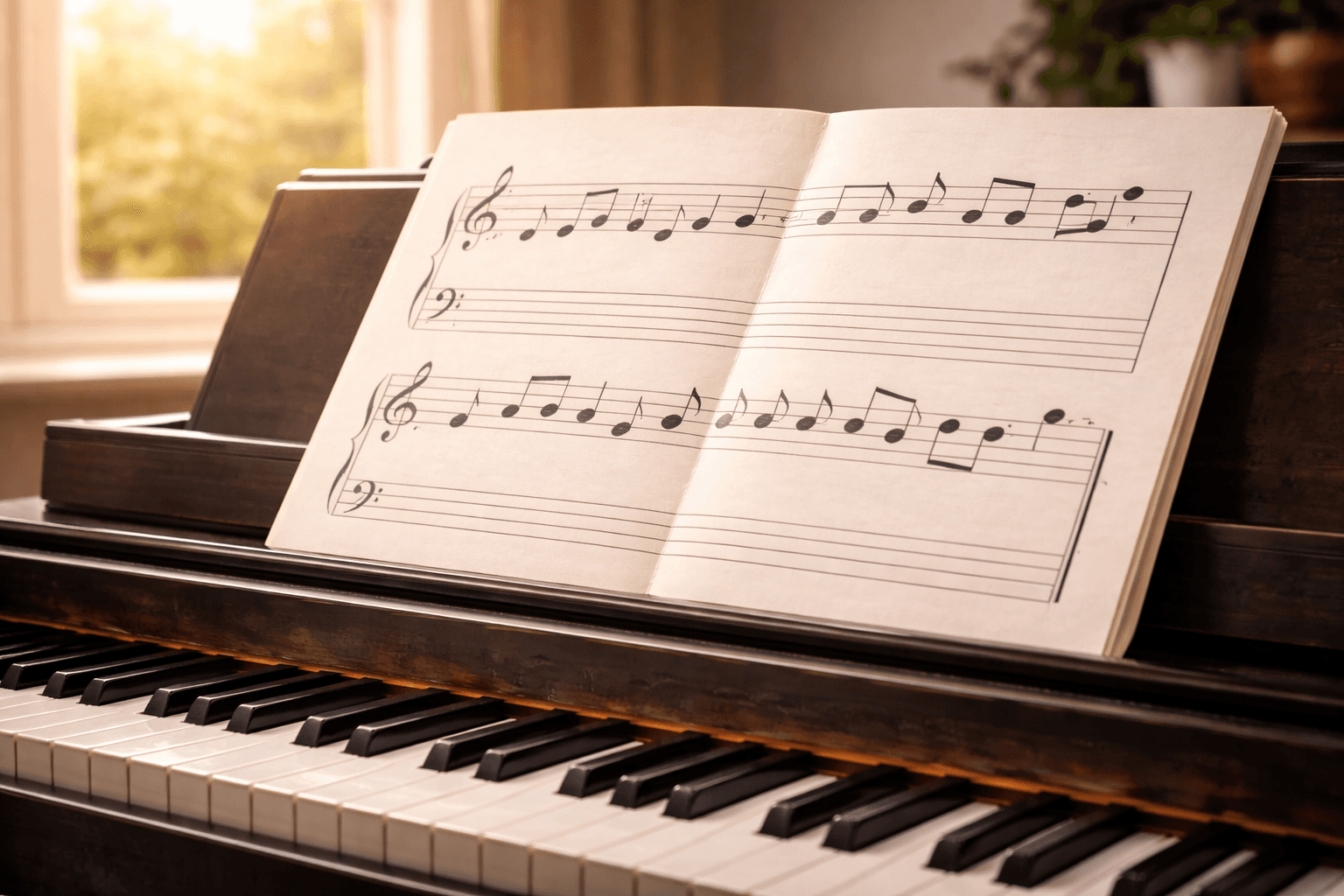 Treble clef is usually the starting point for most piano learners because it represents higher-pitched sounds. These are the notes played mainly by the right hand. When beginners start reading piano treble notes, they learn how melodies are written and how musical ideas move up and down.
Treble clef for beginners works well because the notes sit comfortably in the middle and upper range of the piano keyboard. Structured learning helps students avoid confusion early on. Many learners improve faster when lessons explain treble clef notes on piano step by step and connect them directly to real music.
What Is the Treble Clef in Music Notation
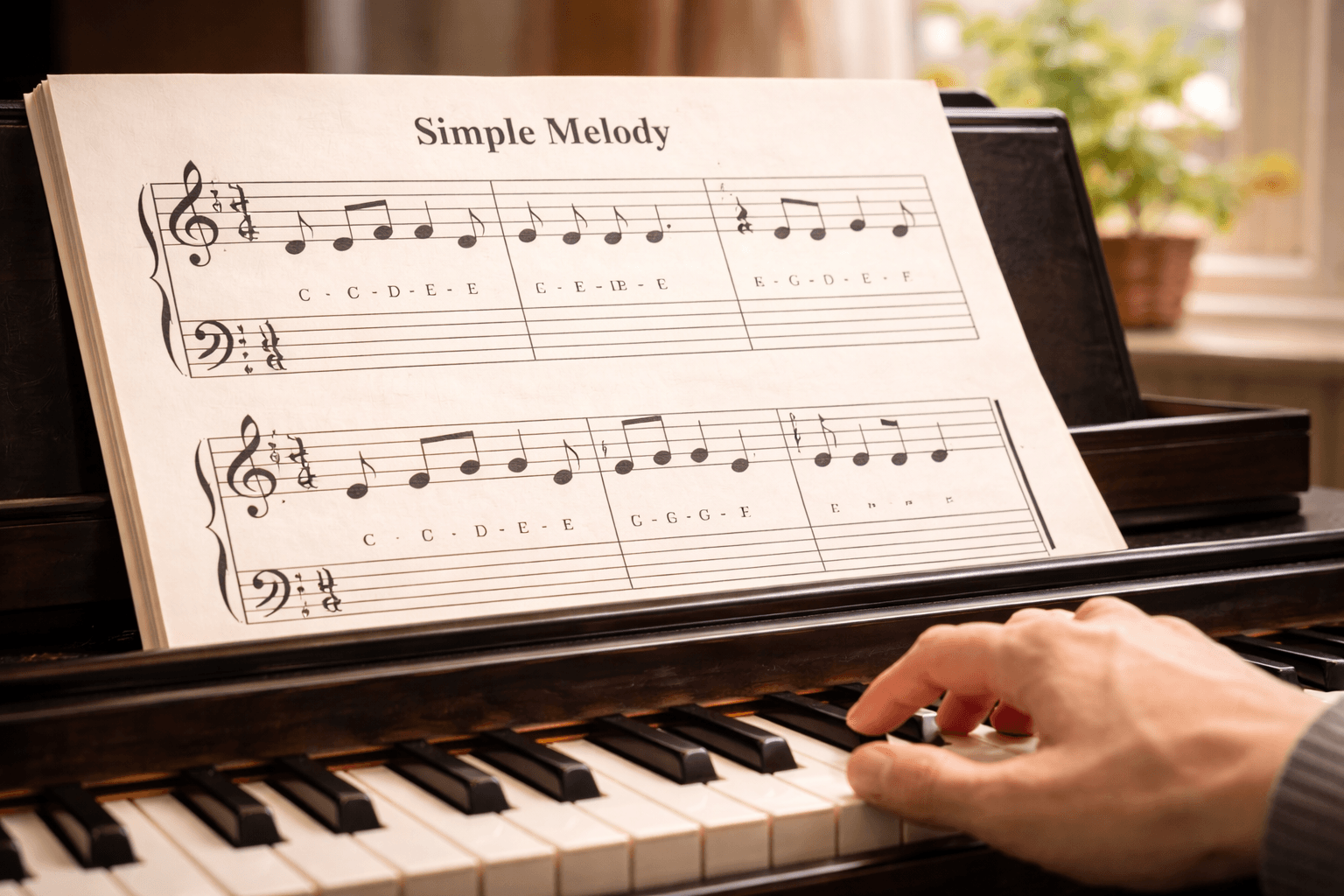 What is the treble clef? The treble clef is a symbol used in piano music notation treble clef systems to show higher pitch notes. It tells you where specific notes live on the staff. Without it, reading pitches on the staff would make no sense.
Treble clef is also called G clef because the symbol marks G note on the staff. This G sits above middle C and becomes a guide for identifying treble clef notes. Treble clef notation explained clearly helps you understand melodies, chords, and musical flow in piano music.
Why the Treble Clef Is Called the G Clef
The treble clef symbol curls around the line where the note G is written. This curl is not decorative. It is a reference point. Once you recognize this G, identifying treble clef notes becomes much easier.
This single detail helps you stop counting lines and spaces slowly. It allows faster treble clef sight reading. Many teachers encourage students to lock this G into memory before moving ahead.
Understanding the Music Staff for Treble Clef
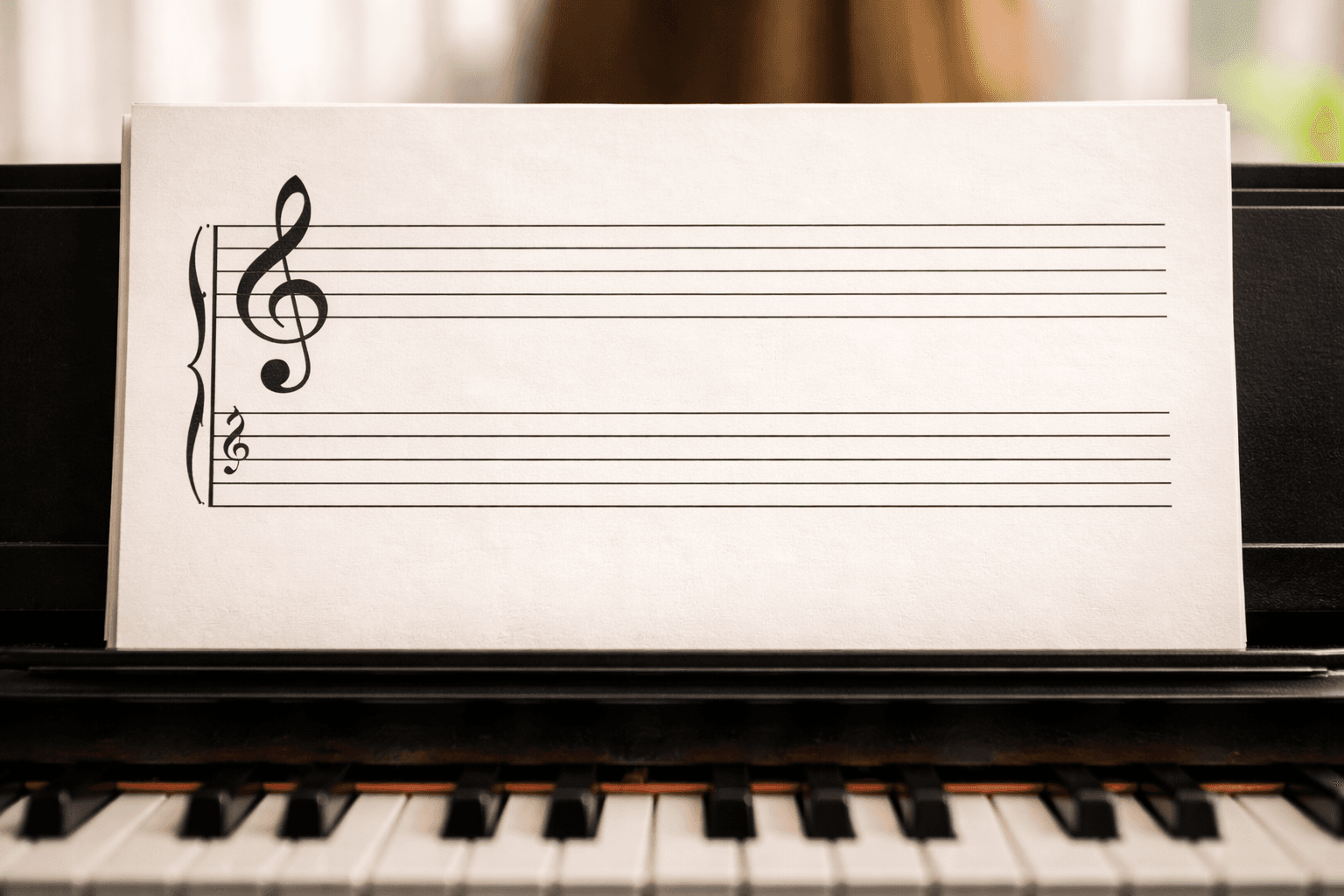 The treble clef staff uses five horizontal lines in music staff notation. Between these lines are four spaces. Notes placed on lines and spaces move upward for higher sounds and downward for lower sounds.
Understanding music staff anatomy helps you see music visually. Instead of guessing, you start reading pitches on the staff as shapes and steps. This skill is essential for reading piano treble notes smoothly.
The Role of Middle C Between Treble and Bass Clef
Treble clef middle C sits just below the treble clef staff. It connects treble clef vs bass clef systems. This note acts as a bridge between both hands on the piano.
Knowing the middle C position in treble clef helps you map notes accurately. It also improves right hand piano coordination and overall piano note recognition.
Treble Clef Notes on the Staff Explained Clearly
 Treble clef notes on piano appear either on lines or in spaces. Each position represents a specific pitch from the musical alphabet A to G. After G, the pattern repeats.
Treble clef staff lines and spaces are easier to read when you focus on recognition instead of memorization. Identifying treble clef notes visually allows faster reading and better musical flow.
Treble Clef Line Notes and How to Remember Them
The traditional treble clef lines mnemonic is “Every Good Boy Does Fine.” These words match the notes E, G, B, D, and F. While this treble clef mnemonic helps beginners, relying on it forever slows reading.
Modern learning encourages pattern recognition. Seeing intervals and shapes builds stronger treble clef reading accuracy than repeating words in your head.
Understanding Treble Clef Space Notes on Piano
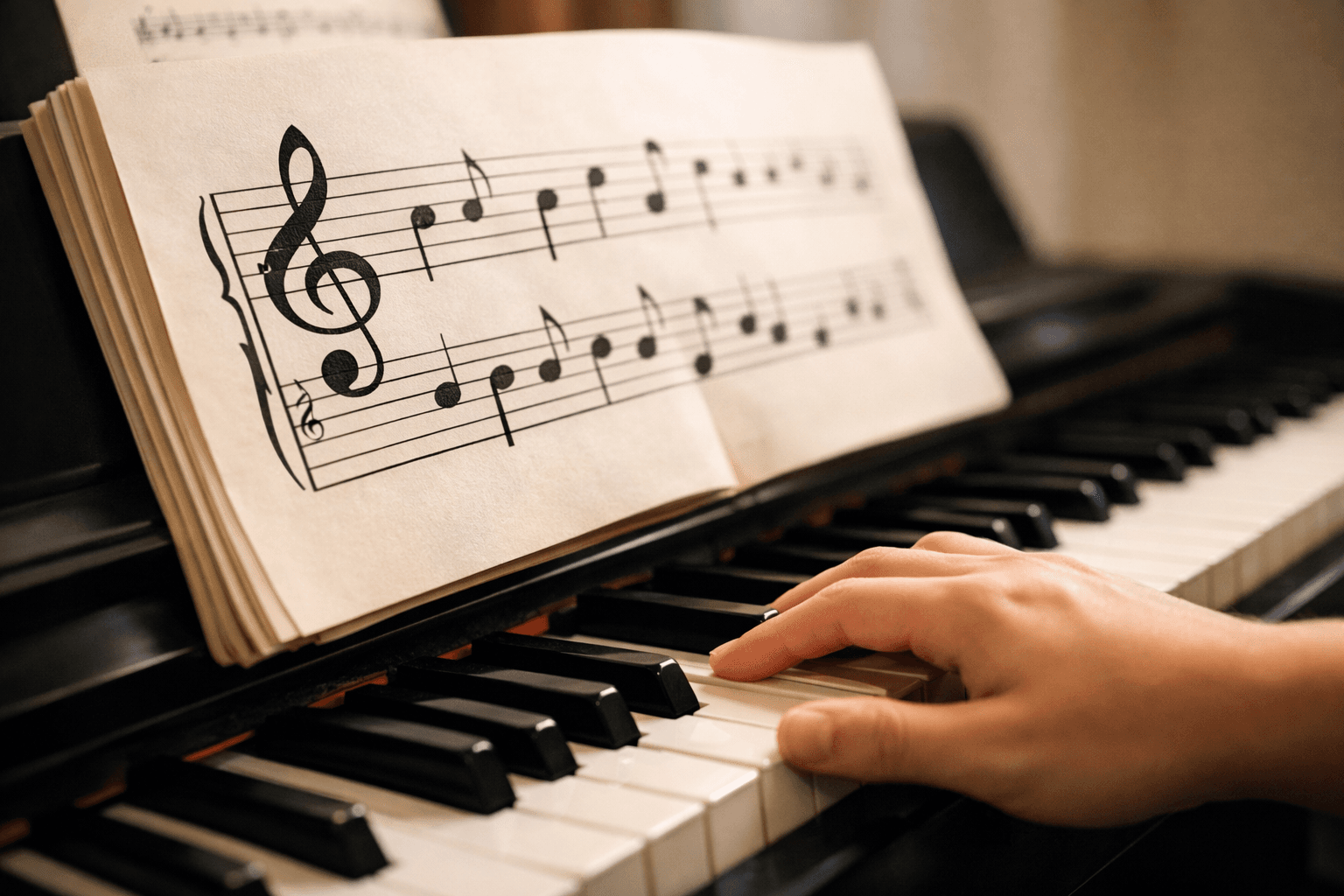 Treble clef space notes spell the word FACE. This treble clef spaces mnemonic is simple and effective for beginners. Space notes often feel easier because they sit clearly between lines.
When you connect these notes to piano keyboard note mapping, reading treble clef sheet music feels less abstract. You begin connecting sheet music to piano keys naturally.
Below is a simple reference table for clarity.
Treble Clef Spaces | Note Name | Keyboard Reference First Space | F | Above Middle C Second Space | A | Two white keys above G Third Space | C | One octave above Middle C Fourth Space | E | Above D
Using Guide Notes Instead of Counting Lines
A guide note strategy for reading music focuses on anchor notes like G and middle C. From these points, you recognize intervals instead of counting.
This method improves treble clef sight reading and reduces hesitation. It also supports reading piano treble notes in faster music.
Reading Ledger Lines in Treble Clef
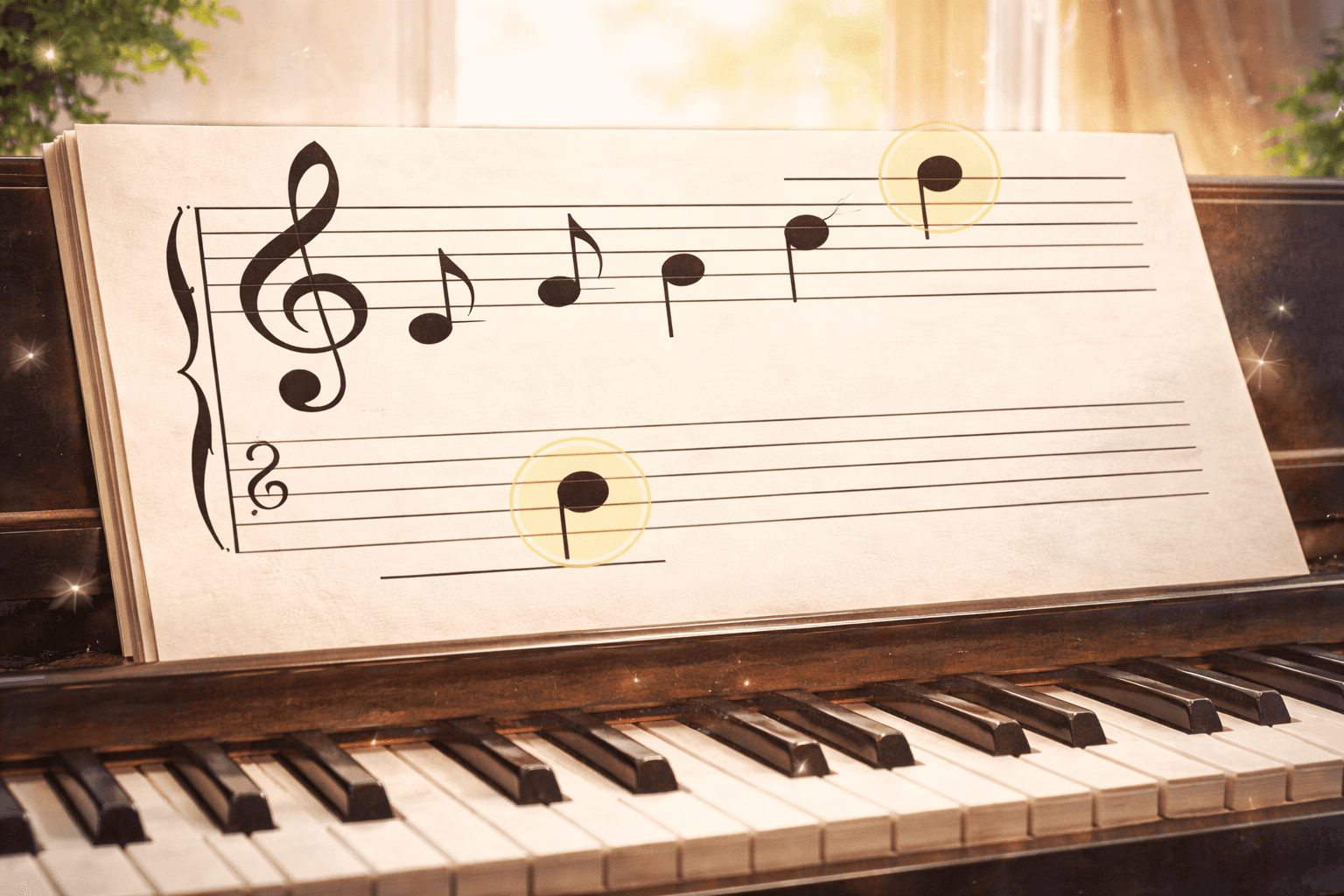 Treble clef ledger lines extend the staff when notes go higher or lower. These extra lines allow reading notes beyond the staff without changing clefs.
Reading notes above and below the staff becomes easier when you understand that ledger lines follow the same pattern as staff notes. They are not new notes. They simply continue the musical alphabet.
Avoiding Common Ledger Line Mistakes
Many beginners count ledger lines one by one. This slows treble clef note reading. A better approach is treble clef interval recognition.
Recognizing distances between notes improves reading notes beyond the staff. This approach increases confidence and speed.
Step-by-Step Method to Read a Treble Clef Melody
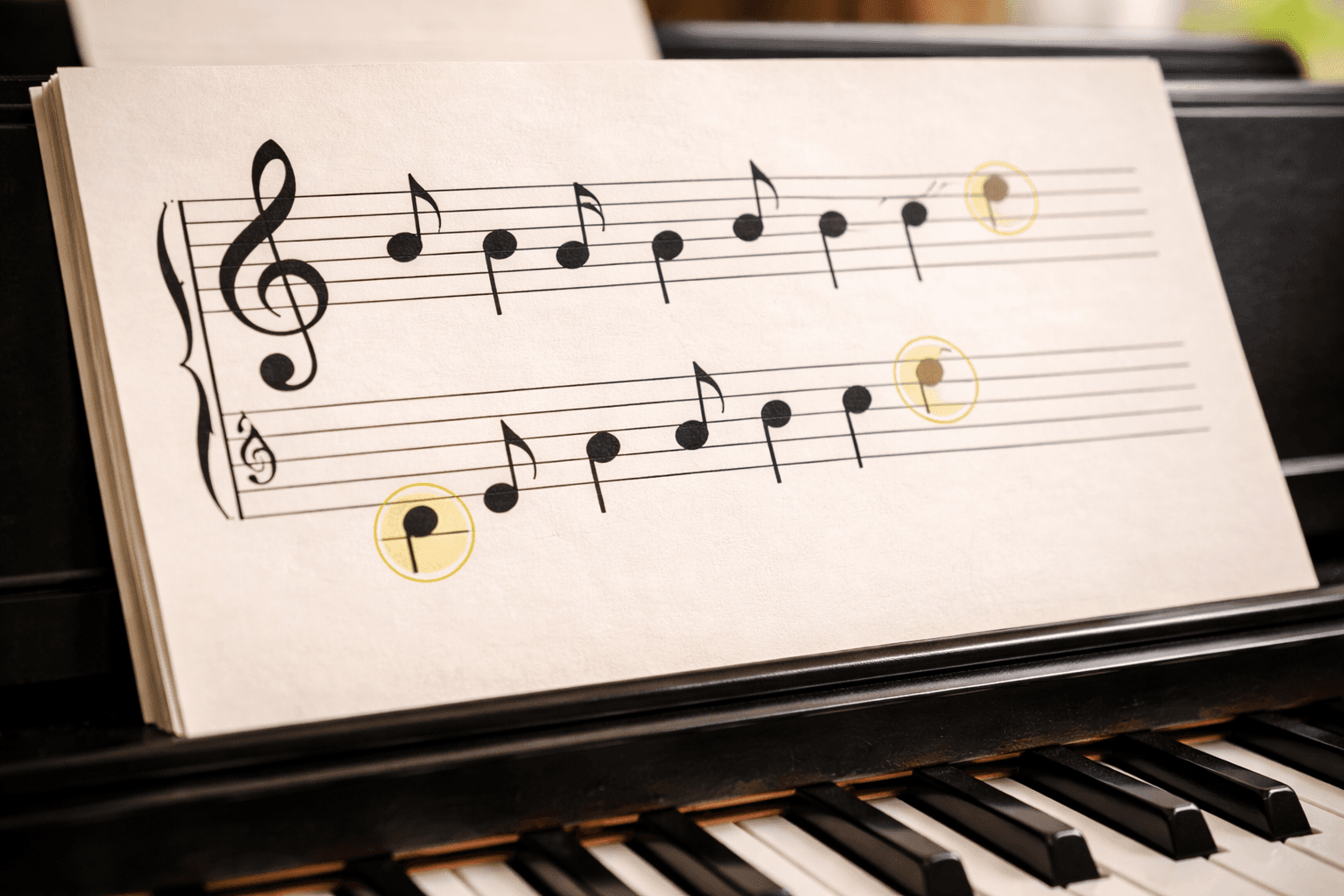 Start by scanning the key signature and time signature. Then observe the overall shape of the melody. Sight reading treble clef melodies works best when you look ahead.
Reading treble clef melody reading improves when rhythm and pitch are processed together. This habit builds strong treble clef piano practice skills.
Treble Clef vs Other Clefs in Piano Music
Treble clef vs bass clef comparisons show how piano covers a wide pitch range. The right hand plays treble clef while the left hand usually plays bass clef.
Alto and tenor clefs appear in other instruments but are rare in piano music. Understanding piano music notation treble clef systems helps you read full scores with confidence.
How to Practice Reading Treble Clef Notes Effectively
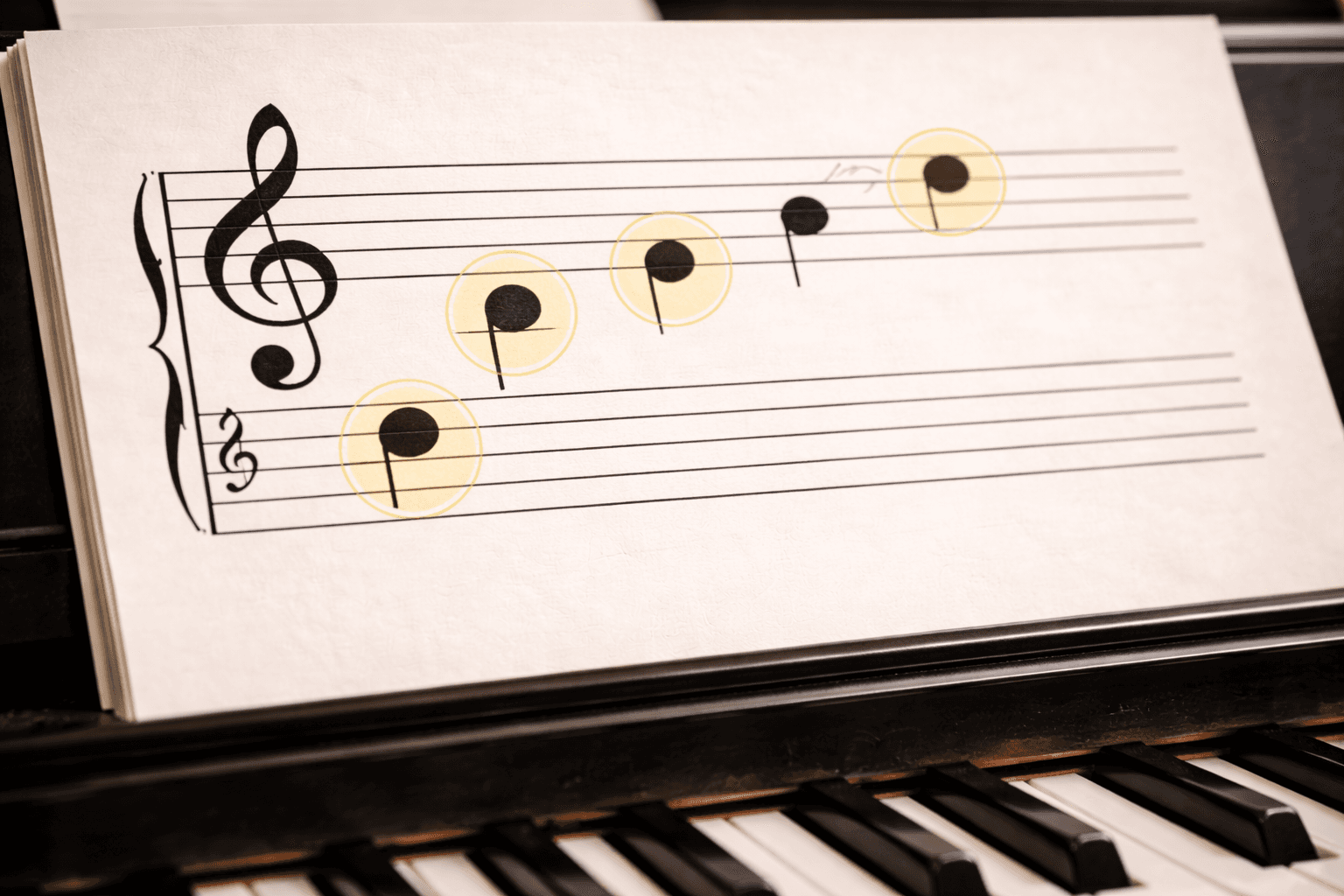 Daily treble clef exercises for piano should be slow and focused. Speed comes later. Accuracy comes first.
Treble clef learning tips include short sessions, consistent practice, and real music use. This method improves treble clef reading accuracy over time.
Common Mistakes Beginners Make and How to Fix Them
Overusing mnemonics slows reading. Ignoring hand position causes tension. Reading note by note prevents flow. Fixing these habits improves piano right hand notes control and overall musical confidence.
Learning Treble Clef Through Real Piano Music
 Beginner piano sheet music reinforces treble clef reading naturally. Songs provide context and emotional connection.
Repetition inside music builds memory faster than drills. Treble clef melody reading improves through enjoyable pieces.
How Teachers Use Treble Clef to Build Strong Piano Foundations
Teachers focus on progressive learning and rhythm awareness. They help students recognize note patterns early. This approach strengthens right hand plays treble clef coordination and long-term reading skills.
Art Gharana’s Structured Approach to Treble Clef Learning
Art Gharana uses guided lessons, real music, and online piano classes. Students learn treble clef notation explained clearly.
This structure supports confidence and faster progress for all age groups.
Frequently Asked Questions About Treble Clef Notes
1. What are the notes of the treble clef?
Treble clef notes include E, F, G, A, B, C, and D above middle C. These notes repeat across the staff.
2. How can beginners memorize treble clef notes faster?
Beginners learn faster by using guide notes, patterns, and piano keyboard note mapping instead of only mnemonics.
3. Why is it called a treble clef?
It is called treble clef because it represents higher-pitched notes. It is also called G clef because the symbol marks G note.
4. What are ledger lines and why are they used?
Ledger lines extend the staff to show notes above or below it. They help with reading notes beyond the staff.
5. Can treble clef be learned online easily?
Yes. Online lessons with structured practice and feedback make treble clef note reading effective and engaging.
Final Thoughts on Mastering Treble Clef on Piano
Mastering how to read treble clef notes on piano opens the door to musical freedom. It improves confidence, speed, and expression. With consistent practice and the right guidance, treble clef note reading becomes second nature.
Learning treble clef is a journey, not a race. With structured support and musical curiosity, students can build strong piano foundations and enjoy lifelong music-making through clear and confident reading.