ChatGPT
 Google AI
 Grok
 Claude
Ever frozen mid-conversation because someone named a move you couldn't picture? That ends today. This glossary gathers 85+ dance steps names from twelve styles, spanning hip hop groove moves, ballet turns, ballroom patterns, and the hook step magic of Bollywood. You'll even find Indian classical mudras and footwork terms most Western glossaries skip entirely. Each entry gets a plain-English definition, the style it belongs to, and a tip for trying it yourself. Bookmark this page, quiz a friend, and watch choreography videos transform from confusing blurs into readable sentences. Ready? Let's build your complete dance vocabulary, one named move at a time.
Why Learning Dance Steps Names Matters
https://drive.google.com/file/d/1NIh0v64gTl3vcRetH5JQMrYjTZk-MK3H/view?usp=sharing Names turn imitation into understanding. When a teacher calls out grapevine or pas de bourree, dancers who know the words move instantly while everyone else watches feet. Shared **choreography** language saves entire rehearsals and makes online tutorials ten times easier to follow.There's a memory bonus too. Labeled movements stick in the brain faster than unlabeled ones, which is why every serious studio drills vocabulary alongside footwork. Learn the names below and your body will find the rhythm patterns quicker than you expect.
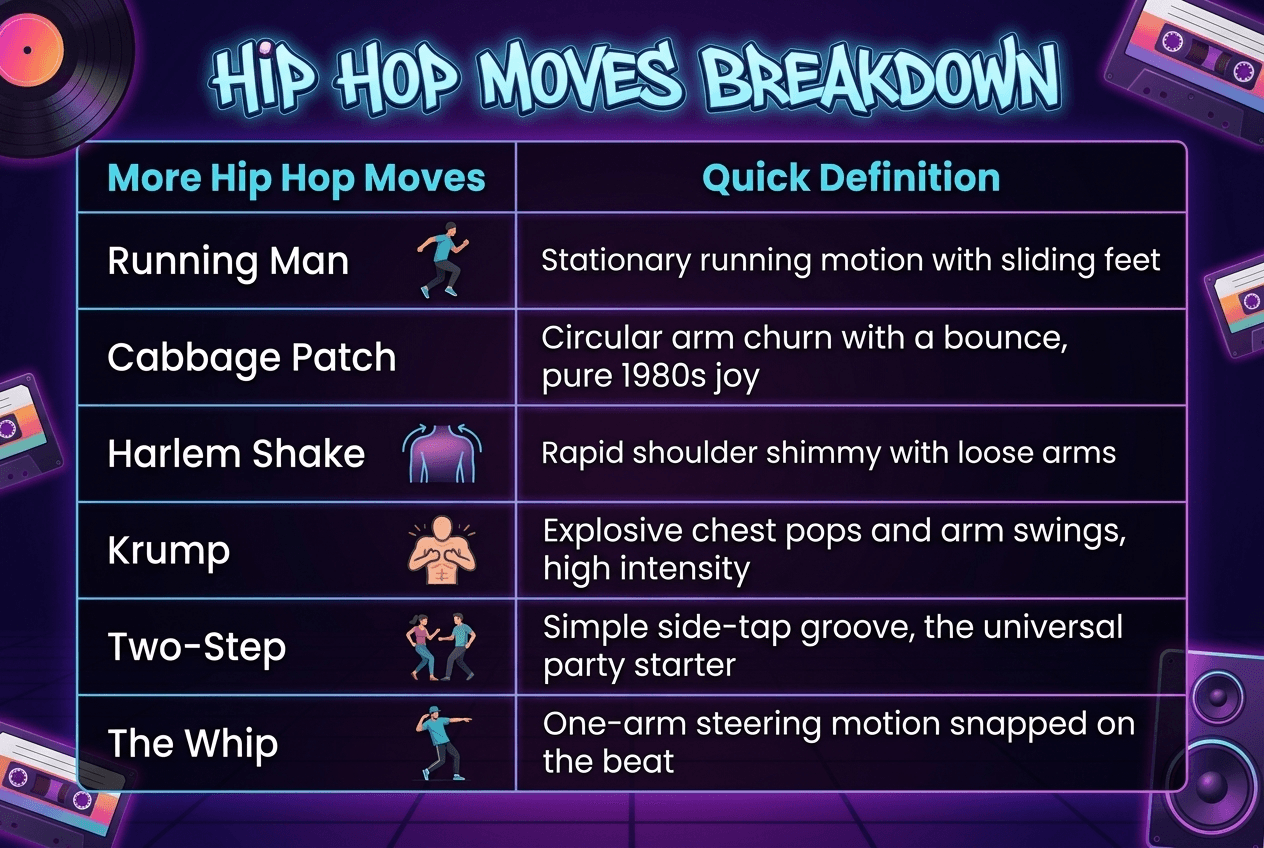
Hip Hop Dance Moves Names
Hip hop grew from 1970s Bronx block parties into the world's most-watched style. Its moves prize attitude and freestyle individuality over strict form. Start with the grooves below, then explore our full hip hop dance steps guide for combos and history.
Practice hip hop facing a mirror with music slightly slower than normal. Nail the bounce first, because every hip hop groove sits on that pulse. Style arrives later, layered on top like seasoning. Copy first, personalize second. That's the culture's own learning path.
Moonwalk
The moonwalk creates the illusion of gliding backward while appearing to walk forward. One heel lifts as the flat foot slides back, then they swap. Michael Jackson made it legendary in 1983, though tap dancers performed versions decades earlier. Smooth floors help enormously.
The Dougie A laid-back groove with a side-to-side lean, rolling shoulders, and a hand brushing past the head. It exploded via Cali Swag District in 2010. The Dougie rewards relaxation. Stiff shoulders kill it instantly, so shake loose before you try.
Body Roll The body roll sends a smooth wave through chest, ribs, and hips, upward or downward. It appears in hip hop, jazz funk, and every music video ever filmed. Practice against a wall, peeling away one body section at a time.
Popping and Locking
Popping snaps the muscles in quick contractions on the beat. Locking freezes the body mid-move, holds, then releases into motion. Born on the West Coast in the 1970s, both styles reward strong rhythm awareness and playful timing.
Ballet Steps Names
Ballet supplies the skeleton for nearly all Western technique, and its French vocabulary shows up in jazz, contemporary, and Broadway choreography constantly. The four essentials below open the door. Terms stay identical worldwide, which makes them wonderfully portable knowledge.
Curious for the complete picture? Our dedicated ballet guide covers thirty-plus steps, the five positions, and memory tricks. Here, focus on recognizing these names when they surface inside other styles. They will, again and again, in every types of dance steps discussion.
Plie A plie bends both knees smoothly while heels press the floor. Every jump in every style secretly begins and ends in one. Dancers call it the shock absorber. Ten slow plies each morning quietly build the strongest legs in the room.
Pirouette The pirouette spins the body on one leg, other foot tucked at the knee. Spotting, whipping the eyes to one point each rotation, prevents dizziness. Jazz and contemporary borrowed it wholesale. One clean turn always beats three wobbly ones.
Arabesque An arabesque extends one leg straight behind while arms reach forward, drawing the longest line a body can make. It's ballet's postcard pose and a favorite in lyrical routines. Square hips matter more than leg height, every single time.
Grand Jete The grand jete leaps into a full split mid-air, front leg thrown forward, back leg stretched behind. Audiences gasp on cue. Prepare with a chasse for momentum and land through a soft plie to protect the knees.
Jazz Dance Steps and Terms
Jazz dance fuses ballet lines with Afro-American **rhythm patterns**, producing the sharp, theatrical style Broadway runs on. Isolations, kicks, and turns define it. Fosse gave it slink; competitions gave it fireworks. Either way, the names below appear in every studio syllabus.Jazz technique demands warmed hips and hamstrings, so stretch before attempting kicks. Music with a strong backbeat helps your timing enormously. Count out loud in eights while drilling. Every professional you've watched still counts silently behind that confident stage smile.
Jazz Square Four steps drawing a box: cross, step back, side, front. It travels nowhere yet looks busy, which choreographers adore. You've seen it in every school musical ever staged. Master it in both directions and half of Broadway choreography opens up.
Grapevine The grapevine travels sideways: step side, cross behind, side, together. Ballroom, line dancing, aerobics, and wedding floors all claim it. It teaches lateral smoothness and weight transfer. Add a quarter turn on the final count and it becomes instantly fancier.
Fan Kick One straight leg sweeps a huge arc across the body, like a fan opening. Rockettes built an empire on synchronized ones. Height impresses but control convinces. Keep the supporting heel grounded and the torso tall throughout the sweep.
Chaine Turns Chaines chain quick half-turns along a straight line, feet close together on the balls of the feet. Jazz took them straight from ballet and sped them up. Spot hard, keep arms in a tight frame, and travel like a spinning arrow.
Kick Ball Change A small kick, then a quick ball-change of weight behind you: kick, ball, change, three sounds in two beats. It's jazz's favorite transition and tap's bread and butter. Choreographers sprinkle it everywhere because it resets the feet while keeping rhythm patterns alive.
Isolation Isolations move one body part while everything else stays frozen: just the ribs, just the head, just a shoulder. Jazz warmups drill them daily and hip hop styling depends on them. Five minutes of mirror isolations sharpens control across every style you dance.
Ballroom Dance Patterns and Terms
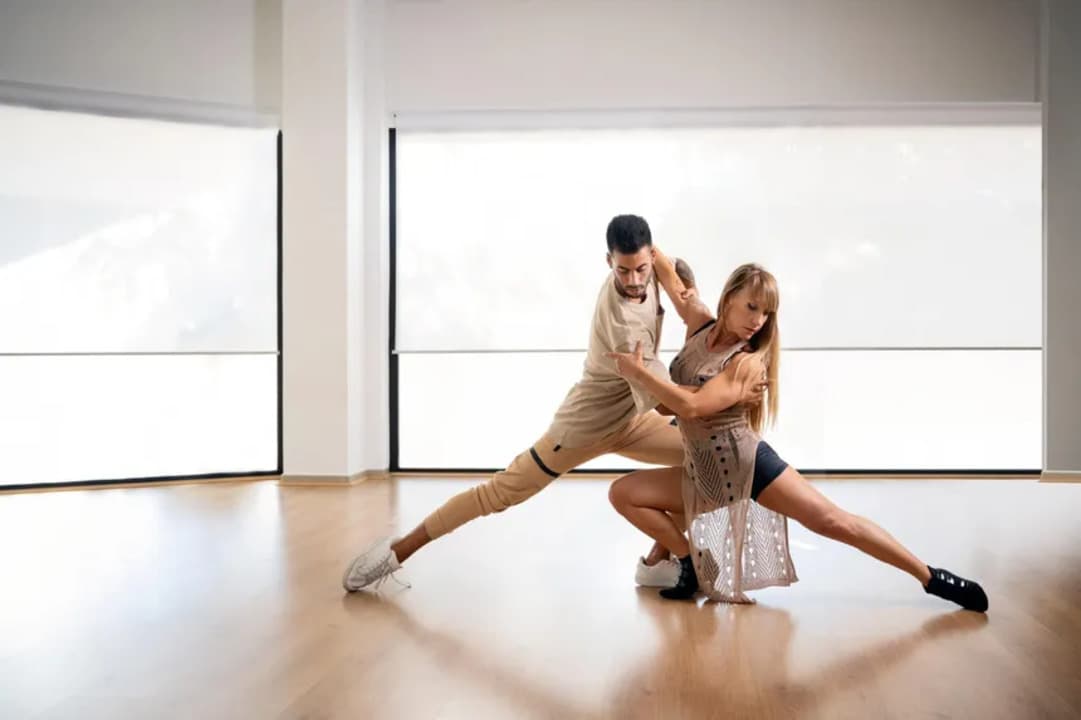
Ballroom means partner dancing with codified patterns, split between smooth styles like waltz and rhythm styles like cha-cha. Competitions call it DanceSport. Social dancers call it Friday night. Either way, its basic dance steps carry names every dancer eventually meets.
Frame is everything here. Arms hold a gentle, springy connection so two bodies move as one. Practice the patterns solo first, then add a partner and half-time music. Rushing partnered footwork is the classic beginner mistake in every ballroom studio.
Box Step The box step traces a square: forward, side, together, then back, side, together. It powers the waltz and rumba both. Six counts, one elegant box. Learn it and you'll survive any wedding dance floor with genuine confidence.
Waltz Rise and Fall The waltz glides in three-four time with a breathing rise onto the toes and a soft descent. Partners orbit the floor counterclockwise. It's formal, dreamy, and foundational. Hum a Strauss melody and your feet will find the pattern.
Cha-Cha Basic The cha-cha basic rocks forward and back, then shuffles three quick steps: cha, cha, cha. Cuban origins give it flirtatious hip action. Count two-three-cha-cha-cha. Small steps win here; big steps trip the timing every single time.
The Twist The 1960s twist swivels hips and feet in place, no partner required. Chubby Checker sent the whole world twisting in 1960. Zero technique barrier makes it the friendliest retro move alive. Grind an imaginary cigarette under each foot.
Latin Dance Moves to Know
Latin styles bring fire: salsa, bachata, samba, and rumba each carry signature **dance moves** driven by percussion. Hips articulate every beat. Social Latin nights across the USA welcome beginners generously, so these names quickly become invitations rather than trivia.Listen before you step. Latin music layers clave rhythms underneath the melody, and dancers ride those layers. Spend one song just clapping the beat. Your footwork will thank you when the basic patterns below suddenly click into place.
Salsa Basic Step Salsa's basic rocks forward and back across eight counts with pauses on four and eight. Weight changes stay small and quick. Once steady, add shoulder motion and turns. New York and LA styles argue over timing; your feet won't mind either.
Cucaracha The cucaracha presses one foot to the side, shifts weight into the hip, and recovers. The name means cockroach, cheerfully. It teaches Cuban motion, the rolling hip action that makes Latin dancing look liquid. Drill it while brushing your teeth.
Samba Bounce Samba's signature is a springy knee-driven bounce riding a quick one-a-two rhythm. Brazilian carnival parades run on it for hours. Keep the bounce soft and constant, like the floor is gently trampolining you. Stiff knees break the illusion instantly.
Spiral Turn A follower's turn in cha-cha and rumba where the legs wrap into a spiral before unwinding. Arms style outward gracefully. It photographs beautifully and teaches controlled rotation. Practice unwinding slowly before attempting it at song speed with a partner.
Bollywood Signature Steps and Moves
Bollywood learning moves fast because songs drive it. Pick one track, learn its hook step, and you own a party trick for life. Structured online Bollywood dance classes then layer technique under the fun, style by style.
Hook Step The hook step is the signature move of a film song, repeated every chorus until audiences copy it involuntarily. Think of the lungi dance or the Kala Chashma shoulder bounce. Choreographers design hooks to be simple, catchy, and instantly crowd-friendly.
Thumka The thumka is the playful hip flick that punctuates countless Bollywood beats. One hip lifts and drops with attitude while the shoulders stay relaxed. It descends from folk and classical hip articulation. Small, sharp, and timed to the drum, always.
Bhangra Shoulder Bounce Straight from Punjabi harvest celebrations, this move bounces both shoulders while the arms pump skyward and knees spring. Pure joy, zero subtlety. Bhangra crews across American colleges compete with it. Stamina matters more than technique, so pace yourself early.
Dhoom Spin Film choreography loves a traveling spin with arms flung wide, often landing in a dramatic pose on the final beat. It borrows the chaine turn's mechanics and dresses it in swagger. Spot your turns and the camera pose lands clean.
Naagin Step The naagin step weaves one arm like a serpent while the body sways low, a wedding-floor favorite from folk roots. Everyone knows it; nobody admits practicing it. Commit fully or skip it entirely. Half-hearted snake arms convince absolutely no one.
Indian Classical Dance Terms
India's classical forms hold some of the oldest named dance steps names on earth, codified in the Natyashastra two thousand years ago. Terms below come from Bharatanatyam, Kathak, and their sister arts across the 6 classical dance forms.
These vocabularies pair movement with meaning. Hands speak, eyes narrate, and footwork converses with the drummer. Explore our guides to Indian dance styles and South Indian dance forms to see each term living inside its tradition.
Adavu Adavus are the basic units of Bharatanatyam, combining stance, step, and hand position into one codified movement. Students drill dozens before any performance piece. Think of them as the alphabet from which every Bharatanatyam sentence is later composed.
Mudra Mudras are named hand gestures carrying meaning: a lotus, a deer, a king. Classical dancers combine mudras with expression to narrate entire stories silently. Fifty-plus single-hand and double-hand gestures exist. Learning ten already lets you tell simple tales.
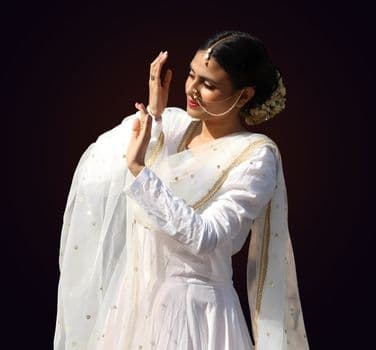
Tatkar Tatkar is Kathak's rhythmic footwork, flat feet striking the floor in precise patterns while ankle bells amplify every beat. Dancers build from slow eight-count cycles to lightning speed. It's a percussion instrument you happen to wear.
Chakkar Chakkars are Kathak's famous fast spins, dozens executed in sequence with the dancer finishing calmly on the final drumbeat. Spotting keeps the dizziness away, exactly as in pirouettes. Watching a hundred-chakkar sequence live is genuinely unforgettable.
Araimandi Araimandi is the half-seated stance of Bharatanatyam: knees bent outward, heels together, spine tall. Every adavu launches from it. It mirrors ballet's plie principle, proof that great dance moves traditions solved the same physics independently, continents apart.
Contemporary and Lyrical Steps
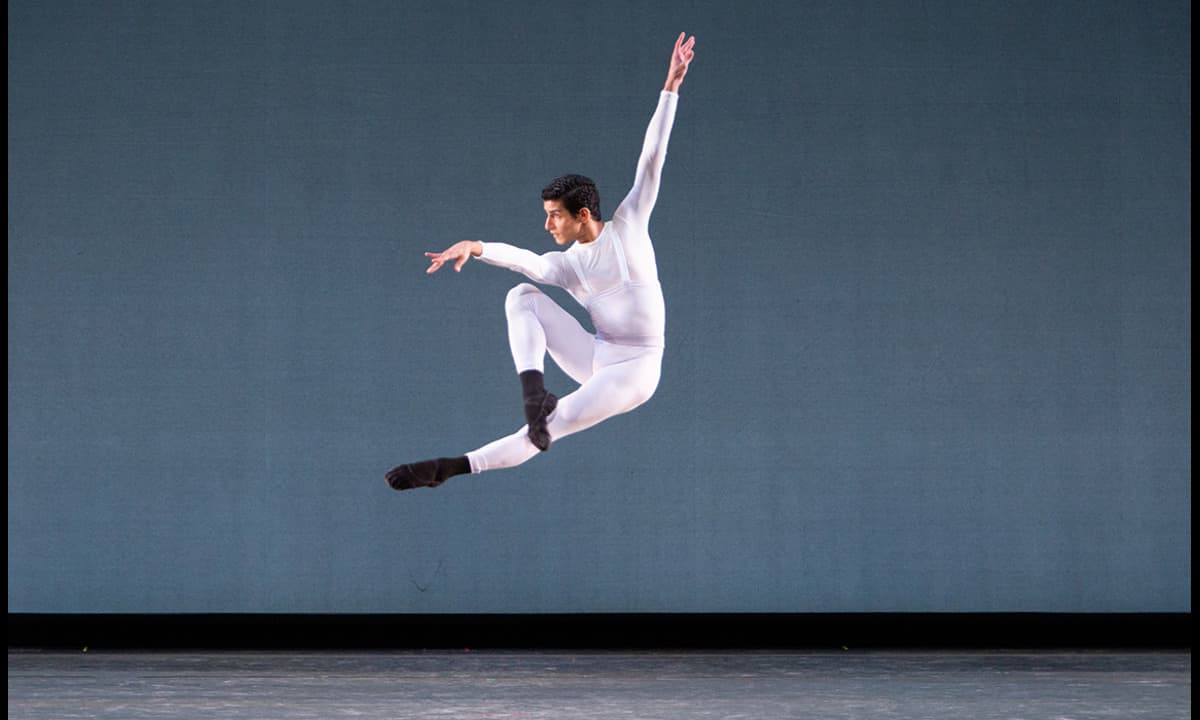 Contemporary dance bends every rule on purpose, yet its recurring moves still carry names. Floorwork, falls, and spirals dominate. The style prizes emotional truth over polish, which makes it television's favorite genre for storytelling routines and tear-jerking finales.
Warm up thoroughly before floorwork, since knees and spine take friendly abuse. Socks on smooth floors ease the slides. Then let momentum, not muscle, carry each body roll and fall. Contemporary rewards surrender more than strength, every single class.
Stag Leap A stag leap jumps into a split with the front leg bent underneath, creating a leaping-deer silhouette. Competition dancers love its photo-finish shape. Drive the back leg high and freeze the shape mid-air for maximum drama.
Tilt The tilt kicks one leg skyward beside the body while the torso leans away, forming a dramatic diagonal. Instagram made it famous; hip flexibility makes it possible. Build up gradually with supported stretches rather than forcing the line early.
Floor Spiral A controlled descent that corkscrews the body to the ground and back up in one breath. It connects standing choreography to floorwork seamlessly. Practice both directions slowly. Rising smoothly impresses judges more than any jump ever will.
Street and Viral Dance Moves
Every generation mints new popular dance moves and social media has become the mint. Viral steps live fast, but the best earn permanent glossary spots. Knowing them keeps your freestyle current at any party, wedding, or TikTok challenge.
Viral moves usually simplify older technique, which is excellent news for beginners. The floss is isolation training in disguise; the woah is timing practice. Learn them joyfully, then trace their roots backward into the styles above. Dance history hides inside memes.
The Floss Arms swing side to side in opposition while hips swivel the other way. Backpack Kid detonated it in 2018. It looks impossible for exactly ninety seconds, then suddenly clicks. Slow practice beats fast flailing, as always.
The Woah A quick fist-roll that locks into a frozen pose exactly on the beat. Timing is the entire trick. Hit it clean and the room cheers. It teaches musical punctuation better than most formal exercises, honestly.
Shuffle The shuffle blends the running man with quick heel-toe swivels, riding electronic beats. Melbourne clubs birthed it; festival crowds spread it worldwide. Light knees and patient practice unlock it. Grippy shoes make it harder, so choose smooth soles.
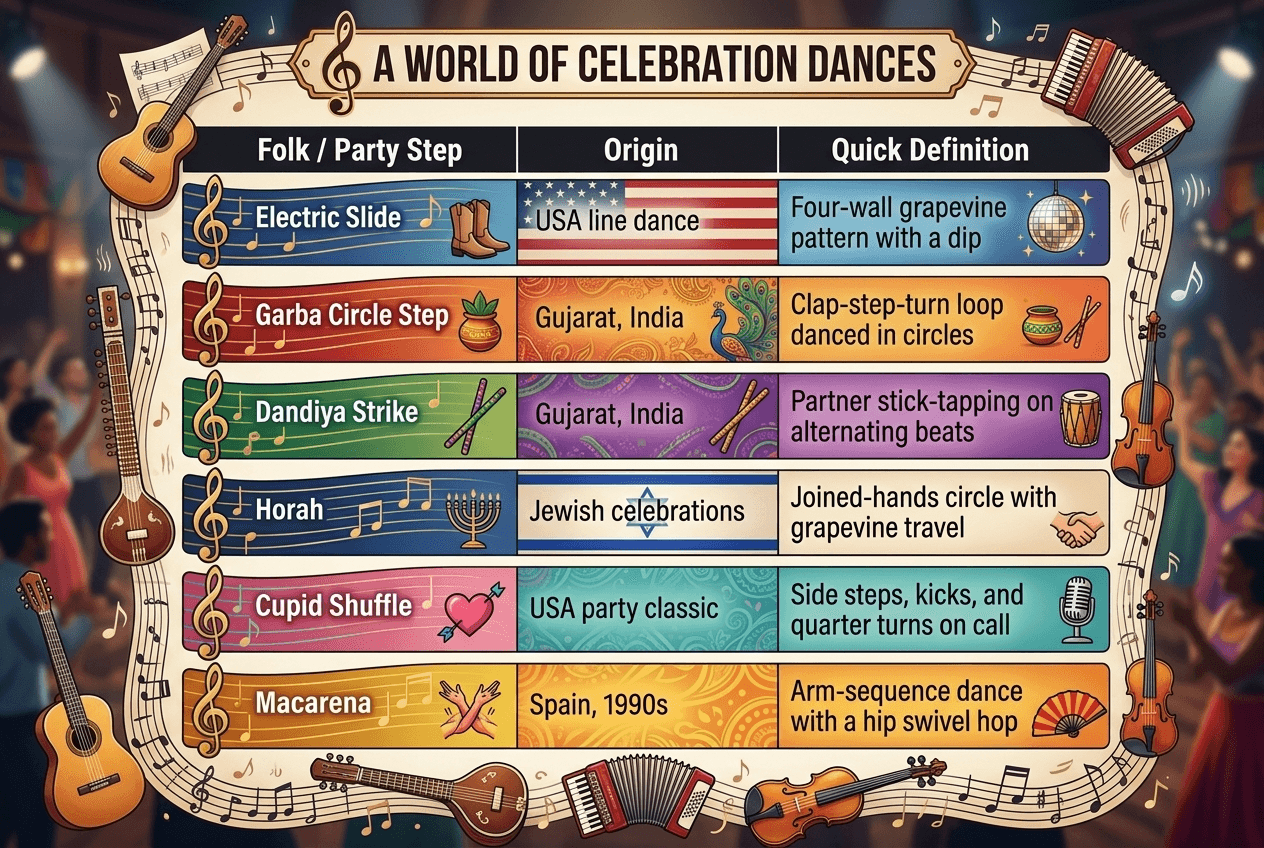
Folk and Party Steps Worth Knowing
Folk and party floors have their own canon. The electric slide, the garba circle, the horah: community dance moves built for togetherness rather than spotlight. They're the steps that pull grandparents and toddlers onto the same floor, grinning.
Learn these and you become the person who starts the dancing at every gathering. Garba's clap-and-turn patterns from Gujarat now fill American stadium events each Navratri. Simple repeating loops, welcoming by design. Community steps ask only enthusiasm, never perfection.
Fall and Recover
Contemporary's philosophical signature: the body releases into a controlled fall, meets the floor softly, and rebounds upward in one continuous phrase. Martha Graham built a whole technique on the idea. It teaches trust in momentum, the style's deepest lesson.
How Styles Borrow Each Other's Steps
Watch closely and the borders blur. Jazz stole ballet's turns, hip hop absorbed tap's footwork, and Bollywood cheerfully samples everything. Many dance steps names therefore appear in three or four glossaries at once, wearing slightly different accents in each style.
This borrowing is your shortcut. Learn a move once and you've partly learned it everywhere. The pas de bourree hiding inside a hip hop combo is still a pas de bourree. Spot the crossovers and twelve styles collapse into one connected choreography family.
The Grapevine Test Try this experiment: dance the grapevine to funk, then to a waltz, then to a garba track. Same steps, three completely different dances. Style lives in the rhythm patterns and attitude, not the feet. That single insight accelerates every style you'll ever study.
A Brief History of Named Dance Steps Naming steps is ancient business. India's Natyashastra catalogued movements two millennia ago, and Louis XIV's academy formalized ballet's French terms in 1661. Names spread wherever dancers traveled, which is why today's choreography vocabulary reads like a world atlas.
The twentieth century accelerated everything. Jazz clubs, Hollywood musicals, Bollywood cinema, and finally the internet each minted fresh popular dance moves with sticky names. A step without a name dies quietly; a named step travels forever. Language is dance's preservation system.
Dance Steps by Difficulty Level
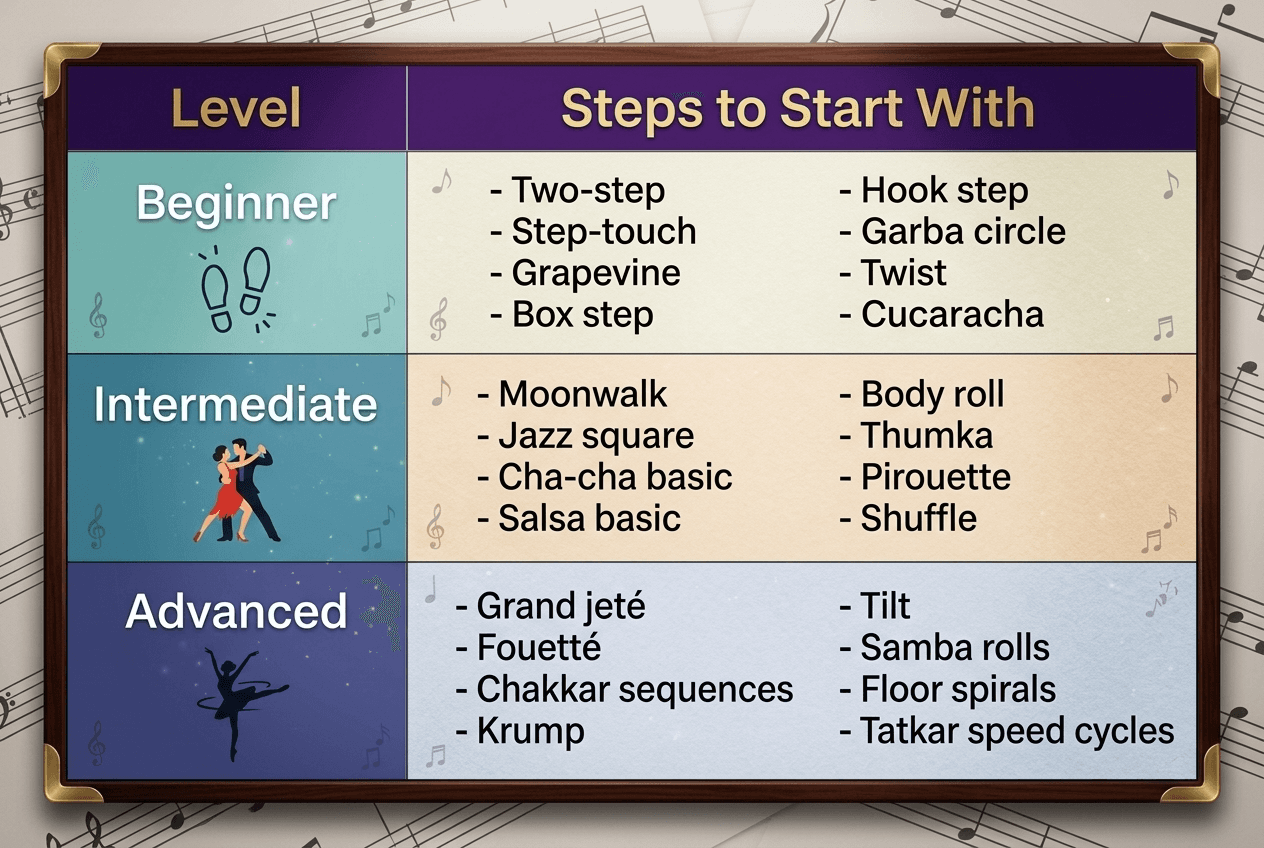
Not every move deserves your first week. The table below sorts this guide's steps into three honest tiers, so you can build without frustration. Green-light yourself through each level and the **footwork** ladder climbs itself surprisingly quickly.A fair warning about tier three: those steps reward months, not days. Meanwhile tier one delivers party confidence immediately. Progress through types of dance steps at whatever pace keeps practice joyful. Frustration quits; fun persists. Choose fun, every time.
Benefits of Building a Dance Vocabulary Knowing dance moves by name changes how you watch everything. Music videos become readable, reality shows become masterclasses, and classes stop feeling like decoding sessions. Comprehension turns passive watching into active learning, silently, every single time a screen plays choreography.
The physical wins stack too. Studies link dance practice with sharper memory, better balance, and lifted mood across all ages. Vocabulary accelerates those gains because named practice is deliberate practice. Your brain files labeled movements faster than anonymous freestyle wiggling.
For Parents of Young Dancers Kids who learn step names progress faster in class and gain confidence explaining what they practice. Quiz them playfully at dinner. Which move was the cat step? Naming games double as revision, and children adore being the household's resident choreography expert.
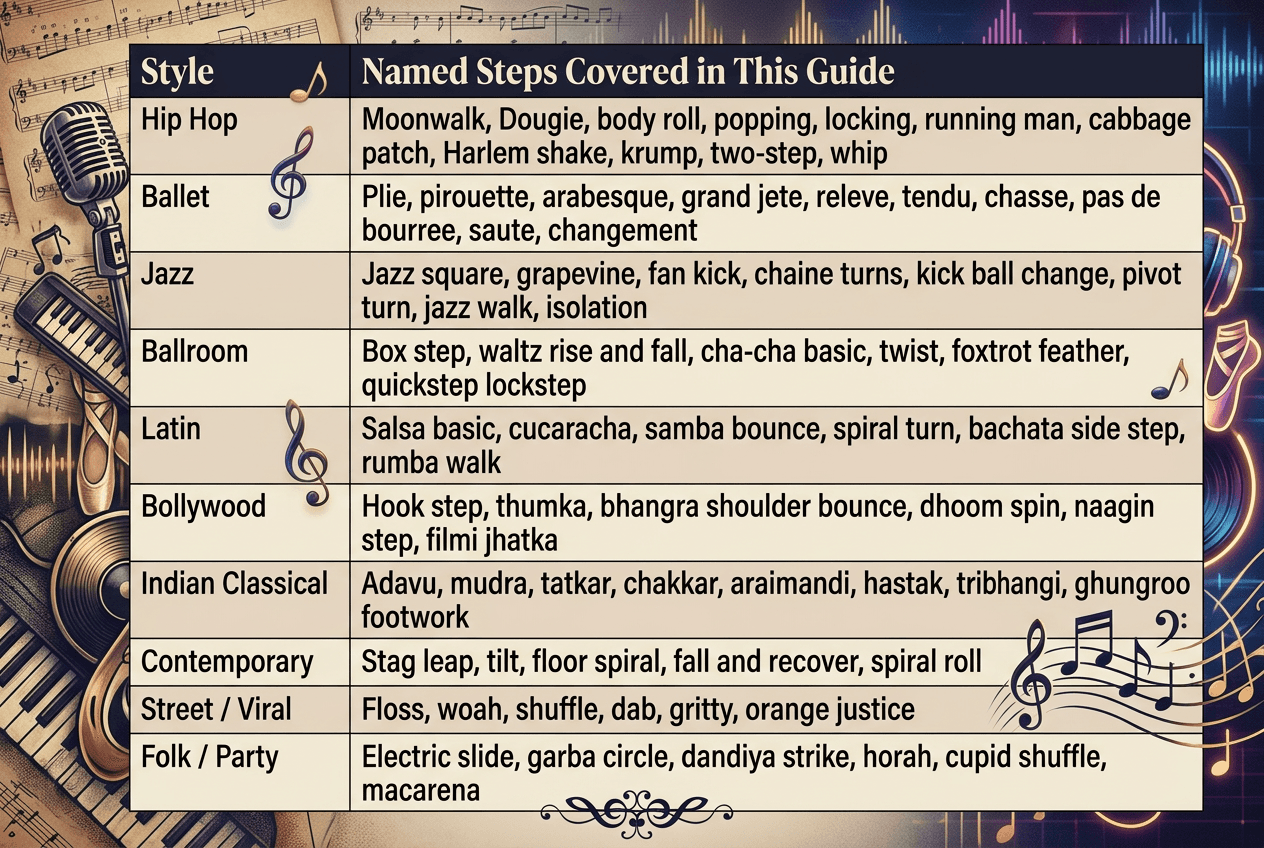
Master Table: 85+ Dance Steps at a Glance
Here's the whole glossary condensed for quick revision. Cover the definitions column and quiz yourself weekly. Naming moves aloud while marking them with your hands cements dance steps names twice as fast, because voice and motion wire memories together.
Notice the overlaps as you scan. The grapevine lives in four styles; spins appear in seven. Dance families borrow constantly, which means every name you learn buys understanding across multiple types of dance steps simultaneously. Vocabulary compounds, exactly like savings.
Style Named Steps Covered in This Guide Hip Hop Moonwalk, Dougie, body roll, popping, locking, running man, cabbage patch, Harlem shake, krump, two-step, whip Ballet Plie, pirouette, arabesque, grand jete, releve, tendu, chasse, pas de bourree, saute, changement Jazz Jazz square, grapevine, fan kick, chaine turns, kick ball change, pivot turn, jazz walk, isolation Ballroom Box step, waltz rise and fall, cha-cha basic, twist, foxtrot feather, quickstep lockstep Latin Salsa basic, cucaracha, samba bounce, spiral turn, bachata side step, rumba walk Bollywood Hook step, thumka, bhangra shoulder bounce, dhoom spin, naagin step, filmi jhatka Indian Classical Adavu, mudra, tatkar, chakkar, araimandi, hastak, tribhangi, ghungroo footwork Contemporary Stag leap, tilt, floor spiral, fall and recover, spiral roll Street / Viral Floss, woah, shuffle, dab, gritty, orange justice Folk / Party Electric slide, garba circle, dandiya strike, horah, cupid shuffle, macarena
How to Learn Dance Steps Faster
Start with three moves, not thirty. Drill each for five minutes daily until your feet answer without thought, then add the next trio. Slow music builds precision; speed arrives free afterward. Our easy dance moves for beginners guide sequences perfect starters.
Film yourself weekly. The camera catches what mirrors miss, and monthly comparisons fuel motivation better than any pep talk. Say each move's name aloud while practicing too. Naming while doing welds dance steps names into muscle memory remarkably fast.
Build a Practice Playlist Match songs to steps: one funk track for grooves, one waltz for box steps, one film song for its hook step. Consistent music cues your body into the right style instantly. Twenty minutes, three songs, every evening. That's the entire secret.
Frequently Asked Questions
What are the basic dance steps called? The universal starters are the two-step, grapevine, box step, and step-touch. Ballet contributes plie and chasse; hip hop adds the bounce and body roll. Master these seven and you can survive nearly any beginner class or wedding floor confidently.
Which dance moves should a beginner learn first? Begin with the step-touch, grapevine, and two-step, because they teach weight transfer with zero risk. Add the box step for partner settings and one hook step for parties. Five moves, two weeks of practice, permanent dance-floor confidence.
Can beginners really learn 85 dance steps? Absolutely, gradually. Learn in trios, drill daily for minutes rather than hours, and the full glossary takes a few enjoyable months. Consistency beats intensity. Structured classes accelerate everything because teachers correct small errors before they become stubborn habits.
What is the most popular dance move in the world? The moonwalk remains the most recognized single move ever, with the floss and shuffle dominating the viral era. In South Asian communities, film hook steps rule every celebration. Popularity shifts yearly; the classics simply refuse to retire.
What are Bollywood dance steps called? Bollywood's signature is the hook step, the repeated chorus move of each film song, supported by the thumka hip flick, bhangra shoulder bounces, and spins borrowed from classical chakkars. Names blend Hindi, Punjabi, and pure invention, exactly like the films themselves.
How do I remember dance choreography quickly? Chunk the routine into eight-count blocks, name every move aloud, and mark the sequence with your hands away from the floor. Sleep consolidates movement memory, so review before bed. Within days the choreography plays automatically, like a well-worn song.
Final Thoughts
Eighty-five names might have sounded absurd an hour ago. Now look at you, decoding twelve styles from ballroom boxes to Kathak chakkars. Every glossary entry is an invitation. Pick one dance steps names family this week and let your feet do the reading.
Dance vocabulary compounds for life. Each named move makes the next tutorial clearer, the next class friendlier, the next wedding infinitely more fun. When you want live guidance, Art Gharana's dance instructors teach these steps one-on-one, from anywhere in the USA.