ChatGPT
 Google AI
 Grok
Grok Claude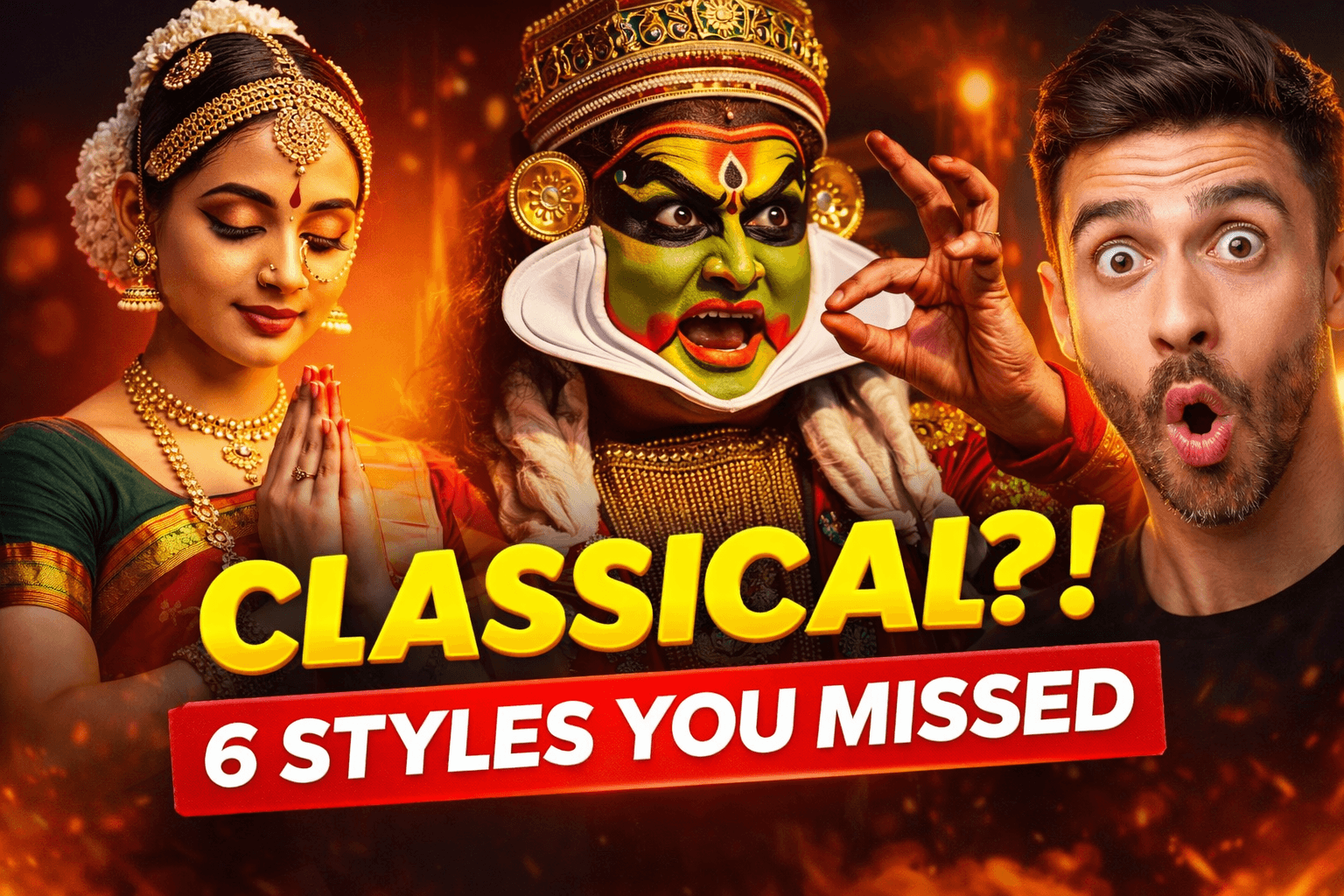
Have you ever watched a performance so powerful that it gave you goosebumps — where every glance, every gesture, and every rhythmic step seemed to tell a timeless story?
That is the magic of classical dance in India.
Rooted in centuries of devotion, storytelling, and artistic discipline, indian dance classical traditions are far more than stage performances. They are living archives of history, spirituality, and cultural identity. From temple courtyards to global auditoriums, these art forms continue to define what traditional Indian dancing truly represents — grace, expression, and meaning woven into movement.
In a world that’s constantly evolving, why does cultural dance India still hold such deep relevance? Because it connects us — to our heritage, to our emotions, and to something far greater than ourselves. Each gesture is symbolic. Each rhythm carries philosophy. Each performance is a dialogue between the dancer and the audience.
Whether you are a curious learner, a parent exploring artistic roots for your child, or simply someone who admires artistic excellence, understanding these dance forms opens a doorway into India’s rich aesthetic legacy.
In this guide, we’ll explore six iconic traditions that define the soul of India’s classical dance heritage — uncovering their origins, distinctive techniques, and the stories they continue to tell today.
Let’s step into a world where history moves, devotion breathes, and expression becomes art.
Cultural Roots, Historical Evolution, and Modern Relevance of Classical Dance
Why This Art Form Matters
At its core, Indian classical dance is a tapestry woven from sacred texts like the Natya Shastra — an ancient treatise on dramaturgy and performance arts that laid the foundation for expressive movement and aesthetic theory in the subcontinent. Unlike many contemporary dance styles, these traditions are deeply symbolic. Each posture, step, and expression communicates layers of emotion, mythology, and cultural ethos.
Ask yourself: isn’t it fascinating how a dancer’s subtle eye movement can convey joy, sorrow, devotion, or courage without a single word spoken?
From Sacred Spaces to Global Stages
Originally nurtured in temple courtyards and royal courts, Indian classical dance played a pivotal role in religious rituals and storytelling. These performances were offerings — expressions of devotion intended to connect the human spirit with the divine, sometimes echoing narratives from epics like the Mahabharata and Ramayana.
Over time, these traditions didn’t stay confined to specific regions. Today, they thrive on global platforms, from cultural festivals to prestigious stages and academic institutions. This adaptability highlights the living heritage of classical dance — not static relics, but dynamic art forms that evolve while preserving tradition.
What Makes It Timeless
Here’s what keeps Indian classical dance relevant in modern times:
- Cultural continuity: It carries forward centuries-old philosophies, values, and aesthetic principles.
- Emotional depth: Through expressive abhinaya (acting technique) and nritta (pure dance), dancers translate complex human emotion into universal artistic language.
- Global engagement: Siddhartha schools, international festivals, and digital platforms are expanding access and appreciation worldwide.
For a deeper dive into the enduring legacy of these art forms, check out this detailed analysis of Indian classical dances and their cultural significance and for a rich overview of their history and cultural impact, this resource explores how these traditions have shaped India’s artistic identity.
Bharatanatyam: The Timeless Language of Grace and Discipline
When we speak of bharatanatyam, we’re not just referring to a dance form — we’re stepping into one of the oldest and most refined expressions of classical dance in India. Have you ever noticed how a single raised eyebrow or a precise foot strike can communicate an entire story? That is the power of bharatanatyam dance — a harmonious blend of rhythm, expression, and devotion.
Rooted in temple traditions of Tamil Nadu, this indian dance classical form has traveled from sacred spaces to international stages — without losing its spiritual depth or technical rigor.
Let’s explore what makes bharata natyam so extraordinary.
Origins and Evolution: From Temple Ritual to Global Recognition
Bharatanatyam began as a devotional offering performed by devadasis in temple courtyards. Over centuries, it evolved through royal patronage, cultural reform, and artistic revival.
Its journey includes:
-
1. Sacred Foundations
Deeply influenced by the Natya Shastra, the foundational text of Indian performing arts.
2. The Devadasi Tradition
A temple-based performance practice where dance was an act of spiritual surrender.
3. 20th-Century Revival
Reformers and artists restructured and reintroduced bharatanatyam dance to modern audiences, preserving its integrity while adapting to proscenium stages.
- A deep connection to cultural identity
- Discipline that builds physical and mental strength
- Emotional intelligence through expressive storytelling
- A structured pathway for artistic mastery
- Jaipur Gharana – Known for powerful footwork and complex rhythm patterns.
- Lucknow Gharana – Celebrated for grace, expressive storytelling, and refined aesthetics.
- Banaras Gharana – Recognized for unique compositions and dynamic movement vocabulary.
- Strong rhythmic training that sharpens musicality
- Emotional storytelling skills that enhance stage presence
- Physical stamina and graceful body control
- A cultural bridge between tradition and contemporary artistry
- A living link between temple art and performing art
- A revival success story of India’s classical traditions
- A deeply expressive medium for devotional storytelling
- A refined aesthetic philosophy rooted in the Natya Shastra
- Control through grace
- Expression through subtlety
- Strength through fluid movement
- Devotion through disciplined artistry
- Green Face (Pacha) – Noble heroes and divine characters
- Red Beards (Chuvanna Thadi) – Demonic or aggressive personalities
- Black Tones – Hunters or forest dwellers
- Elaborate Headgear and Layered Costumes – Amplify stature and presence
- A masterclass in expressive storytelling
- A deep connection to mythological heritage
- A striking example of how cultural dance India blends theatre, music, and movement
- An extraordinary display of discipline within the broader landscape of classical dance
- It adapts without losing its cultural identity
- It allows strong character portrayal and expressive freedom
- It appeals to global audiences with its dramatic flair
- It strengthens India’s presence in the global cultural dance India landscape
- Rhythmic precision
- Emotional expression
- Stage confidence
- Cultural awareness rooted in indian dance classical heritage
- Emotional restraint and subtle expression
- Deep spiritual connection through movement
- Cultural awareness rooted in regional heritage
- The quiet strength embedded in indian dance classical traditions
- If you enjoy structure and precision, Bharatanatyam may suit you.
- If you love rhythm and spins, Kathak is ideal.
- If you prefer grace and fluidity, Odissi is a wonderful choice.
- Discipline and focus
- Physical fitness and flexibility
- Emotional expression
- Cultural awareness
- Stage confidence
If you’re curious about how this transformation shaped today’s performances, explore the detailed history in this guide on the Origin and Growth of Bharatanatyam.
Key Features of Bharatanatyam Dance
What truly distinguishes bharatanatyam from other forms of traditional Indian dancing?
Here’s what defines its brilliance:
1. Structured Technique (Adavus)
Every movement is built on codified basic steps called adavus. These form the technical backbone of the performance, ensuring precision and symmetry.
2. Expressive Abhinaya
Facial expressions and hand gestures (mudras) narrate stories from epics, poetry, and devotional literature. Ask yourself — how often do you see storytelling conveyed so vividly without spoken words?
3. Rhythmic Footwork
Intricate foot patterns synchronized with mridangam beats create a powerful auditory-visual impact.
4. Distinctive Posture
The iconic half-seated stance (aramandi) symbolizes strength and balance — physically demanding, yet visually graceful.
5. Costume and Aesthetic
Vibrant silk costumes, temple jewelry, and expressive eye makeup enhance stage presence and storytelling.
Why Bharatanatyam Still Captivates Modern Audiences
In today’s fast-paced digital world, why does bharatanatyam dance continue to thrive?
Because it offers:
If you’re inspired to experience this art form firsthand, structured and expert-led Online Bharatnatyam Classes make it accessible no matter where you are.
Bharatanatyam is not just movement — it is meditation in motion, storytelling through rhythm, and heritage carried forward with every step.
And as we move ahead, you’ll notice how each Indian classical dance form expresses culture differently — yet all remain deeply rooted in devotion, discipline, and artistic brilliance.
Kathak: The Art of Storytelling Through Rhythm and Grace
Have you ever watched a dancer spin so effortlessly that time itself seemed to pause? That mesmerizing whirl, the lightning-fast footwork, the expressive eyes — that’s Kathak, one of the most celebrated forms of classical dance in India.Unlike many other indian dance classical traditions that originated primarily in temples, Kathak evolved in both sacred and royal spaces. It carries the intimacy of storytelling and the grandeur of courtly performance — a rare and powerful combination.
Let’s step into its world.
Storytelling Through Movement: Where Rhythm Meets Narrative
The word “Kathak” comes from katha, meaning story. Traditionally, traveling storytellers used expressive gestures and rhythmic footwork to narrate tales from mythology and folklore.
What makes Kathak unique?
1. Expressive Narration (Abhinaya)
Through subtle glances and delicate facial shifts, dancers communicate entire emotional arcs — love, devotion, mischief, valor — often without a single word.
2. Intricate Footwork (Tatkaar)
The rhythmic stamping of feet, synchronized with tabla beats, forms the heartbeat of the performance. Close your eyes and listen — can you feel the rhythm echoing?
3. Signature Spins (Chakkars)
Rapid, controlled pirouettes create a visual spectacle that leaves audiences spellbound.
4. Improvisational Brilliance
Kathak dancers often engage in rhythmic dialogue with musicians, showcasing spontaneity and technical mastery.
This interplay between structure and freedom is what makes Kathak both intellectually stimulating and emotionally engaging.
The Distinct Styles of Kathak
Over centuries, Kathak developed into different gharanas (schools), each with its own artistic emphasis.
Why Kathak Resonates Today
In today’s performance world, Kathak continues to evolve while preserving its classical core.
It offers:
And if you’re ready to experience the joy of rhythm firsthand, structured and expert-led online Kathak classes make learning this iconic classical dance form accessible from anywhere.
Kathak reminds us that dance is more than choreography — it is dialogue. Between rhythm and silence. Between performer and audience. Between tradition and modernity.
And as we continue exploring India’s diverse classical traditions, you’ll discover how each form tells its story differently — yet all share the same cultural heartbeat.
Odissi: Sculptural Grace in Motion
Have you ever seen a temple sculpture come alive?That is the closest way to describe Odissi, one of India’s most visually poetic forms of classical dance. Rooted in the sacred soil of Odisha, this indian dance classical tradition transforms stillness into fluidity and devotion into movement.
Where Bharatanatyam commands geometry and Kathak celebrates rhythm, Odissi captivates with curves, grace, and lyrical storytelling. It feels less like performance — and more like living art.
Unique Characteristics: The Signature Language of Odissi
What makes Odissi instantly recognizable?
Let’s break it down.
1. The Iconic Tribhangi Posture
Odissi is famous for the tribhangi — a three-bend stance at the neck, torso, and knee. This sculptural alignment mirrors ancient temple carvings and creates a soft, flowing silhouette that distinguishes it from other traditional Indian dancing styles.
2. Fluid Torso Movements
Unlike more angular forms of classical dance, Odissi emphasizes torso isolation and wave-like motions. The body doesn’t just move — it breathes.
3. Expressive Abhinaya
Through subtle facial expressions and intricate hand gestures, dancers narrate stories of devotion, longing, and divine love — often centered on Lord Krishna and Radha.
4. Mardala-Driven Rhythm
The percussion instrument mardala shapes the tempo and energy of the performance, grounding the dance in powerful rhythmic structure.
These elements together create a balance of grace and discipline — softness supported by precision.
Cultural Significance: A Devotional Heritage
Odissi’s origins trace back to temple rituals performed by Maharis (female temple dancers) and Gotipuas (young male performers). Over time, it evolved from sacred offering to stage presentation — without losing its spiritual essence.
Why does this matter today?
Because Odissi isn’t just a regional dance — it is a cornerstone of cultural dance India.
It represents:
Why Odissi Continues to Inspire
In a fast-moving digital era, Odissi invites us to slow down.
It teaches:
As we continue exploring India’s iconic dance traditions, you’ll see how each form shapes expression differently — yet all remain deeply rooted in history, philosophy, and cultural pride.
Kathakali: The Grand Theatrical Spectacle of Classical Dance
What happens when storytelling becomes larger than life — when heroes, villains, gods, and demons step onto the stage in vibrant colors and towering headgear?You get Kathakali, one of the most dramatic and visually powerful forms of classical dance in India. Originating in Kerala, this indian dance classical tradition transforms performance into epic theatre. It is not subtle. It is not minimal. It is bold, expressive, and unforgettable.
If Bharatanatyam speaks through geometry and Kathak through rhythm, Kathakali roars through expression.
Dramatic Elements: Where Mythology Comes Alive
Kathakali is deeply rooted in stories from the Ramayana, Mahabharata, and other ancient texts. But here’s the fascinating part — performers rarely speak. The entire narrative unfolds through:
1. Powerful Facial Expressions
Kathakali artists undergo years of training to master eye movements and facial muscle control. A single glance can convey rage, devotion, jealousy, or triumph.
2. Codified Hand Gestures (Mudras)
Hundreds of hand signs combine to form complete sentences. Imagine storytelling without dialogue — only movement and expression guiding you.
3. Intensely Structured Training
This isn’t casual traditional Indian dancing. It requires physical conditioning, martial-art-like stamina, and extraordinary discipline.
4. Musical and Rhythmic Support
Percussion instruments like the chenda create a thunderous backdrop, heightening dramatic tension and emotional intensity.
The result? A performance that feels cinematic — long before cinema ever existed.
Costumes and Makeup: Symbolism in Every Detail
One glance at a Kathakali performer, and you know you’re witnessing something extraordinary.
The visual language is deliberate and symbolic:
Have you ever considered how much patience and precision goes into becoming the character — before even stepping on stage?
Why Kathakali Still Matters Today
In a fast-paced world of quick entertainment, Kathakali reminds us of the value of immersion.
It offers:
As we continue exploring India’s rich artistic heritage, you’ll see how each indian dance classical form expresses emotion differently — some whisper, some flow, and some, like Kathakali, command the stage with thunderous authority.
Kuchipudi: Where Drama, Devotion, and Grace Converge
Have you ever seen a dancer balance effortlessly on the edge of a brass plate while performing intricate footwork? That breathtaking moment belongs to Kuchipudi, one of India’s most vibrant forms of classical dance.Originating from the village of Kuchipudi in Andhra Pradesh, this indian dance classical tradition beautifully blends dance, drama, and expressive storytelling. It is energetic yet graceful, theatrical yet deeply spiritual — a compelling expression of traditional Indian dancing that continues to evolve with time.
Let’s explore what makes Kuchipudi truly distinctive.
Narrative Techniques: Dance That Speaks
Unlike many other classical styles, Kuchipudi began as a dance-drama tradition performed by male troupes who enacted mythological stories.
What sets it apart?
1. Dialogue and Characterization
Historically, performers not only danced but also spoke dialogues and sang, bringing characters to life with dramatic flair.
2. Expressive Storytelling
Through expressive abhinaya, dancers portray devotion, love, courage, and divine play — often centered around Lord Krishna.
3. Tarangam – The Brass Plate Performance
One of Kuchipudi’s most iconic elements is the Tarangam, where dancers perform rhythmic sequences while balancing on a brass plate. Isn’t it fascinating how control and grace merge so seamlessly here?
4. Lively Footwork and Fluid Movements
While grounded in technique, Kuchipudi carries a buoyant quality — light jumps, swift transitions, and flowing movements give it a dynamic stage presence.
This balance between theatricality and technical precision makes Kuchipudi stand out in the larger world of classical dance.
Contemporary Influences: Tradition in Motion
Kuchipudi has transformed significantly over time.
What began as a male-dominated dance-drama tradition is now widely performed as solo recitals by women and men across the globe. Modern choreographers have introduced thematic productions, contemporary lighting, and cross-cultural collaborations — while preserving its classical grammar.
Here’s why it remains relevant:
Why Kuchipudi Captivates Modern Learners
If you’re someone who loves both storytelling and movement, Kuchipudi offers the best of both worlds.
It teaches:
As we move toward the final classical form in our journey, you’ll notice a recurring theme: every style may differ in technique and presentation, but each one carries the heartbeat of India’s timeless artistic spirit.
Manipuri: Devotion, Grace, and Spiritual Serenity in Motion
What if a dance didn’t aim to impress you with power or dramatic intensity — but instead invited you into a space of quiet devotion?That is Manipuri, one of the most spiritually immersive forms of classical dance in India. Originating from the northeastern state of Manipur, this indian dance classical tradition is gentle, lyrical, and deeply rooted in Vaishnav devotion.
Unlike more dramatic styles, Manipuri moves with softness. There are no forceful stamps or exaggerated expressions. Instead, it flows — like prayer expressed through movement.
Spiritual and Religious Context: Dance as Divine Offering
Manipuri developed within temple traditions and is closely associated with the worship of Lord Krishna. Its performances are often centered around the Ras Leela, depicting divine love between Radha and Krishna.
Why does this matter?
Because Manipuri isn’t just performance — it is spiritual storytelling.
Here’s what defines its devotional core:
Vaishnav Influence The dance flourished under the spread of Vaishnavism in Manipur, shaping its themes and aesthetic philosophy. Subtle Expressions Unlike other forms of traditional Indian dancing, Manipuri avoids overt facial dramatization. Emotions are conveyed through gentle movement and body language. Graceful Costumes The distinctive cylindrical skirts worn by female dancers create a floating illusion, enhancing the ethereal quality of the performance. Temple and Festival Performances Many performances are still presented during religious festivals, preserving its sacred roots within India’s broader cultural dance India landscape.
Isn’t it beautiful how different forms of classical dance express devotion in their own unique language?
Dance Forms Within Manipuri: Diversity Within Tradition
Manipuri is not a single style — it includes multiple performance traditions.
Let’s explore a few:
1. Ras Leela
The most well-known form, portraying divine love through delicate movements and lyrical music.
2. Pung Cholom
A powerful drum dance performed by male artists. Here, you’ll witness dynamic spins and acrobatic movements — proving that Manipuri also carries vibrant energy beneath its serene surface.
3. Lai Haraoba
An ancient ritual dance celebrating indigenous deities, blending folk traditions with classical structure.
Together, these forms reveal how Manipuri enriches the diversity of classical dance in India.
Why Manipuri Continues to Inspire
In today’s fast-moving world, Manipuri offers something rare — stillness within motion.
It teaches:
And with that, we complete our journey through six remarkable forms of classical dance — each distinct, each profound, and each a vital thread in India’s timeless artistic tapestry.
Conclusion: The Living Legacy of India’s Classical Dance
As we step back and look at these six magnificent traditions, one truth becomes beautifully clear — classical dance in India is not just an art form. It is a living legacy.
From the sculptural grace of Bharatanatyam to the storytelling brilliance of Kathak, from the devotional serenity of Manipuri to the theatrical grandeur of Kathakali, every indian dance classical style carries centuries of wisdom, discipline, and emotion within it.
But here’s a question for you:
Is classical dance only meant to be admired from a distance — or experienced firsthand?
Because when you truly engage with traditional Indian dancing, something shifts. You begin to understand rhythm differently. You become aware of your body, your expressions, your cultural roots. You don’t just watch history — you embody it.
In a world that constantly moves forward, these art forms remind us of where we come from. They preserve the soul of cultural dance India while continuing to evolve for modern audiences. They teach patience in practice, power in posture, and purpose in performance.
And perhaps most importantly — they connect us.
Whether you are a parent looking to introduce your child to heritage, a learner seeking discipline and creativity, or someone rediscovering cultural identity, the journey into classical dance can be transformative.
So why wait to explore it yourself?
Take the first step today. Experience the grace, strength, and storytelling of Indian classical dance with expert guidance.
Begin your journey here by booking a free Dance class
Because sometimes, all it takes is one step… to begin a lifelong connection with art, culture, and self-expression.
Frequently Asked Questions (FAQs)
1. What are the main classical dance forms of India?
The major classical dance forms of India include Bharatanatyam, Kathak, Odissi, Kathakali, Kuchipudi, and Manipuri. Each indian dance classical style has its own technique, costume, music system, and cultural background rooted in ancient traditions.
2. What makes classical dance different from other dance styles?
Unlike contemporary or commercial styles, traditional Indian dancing follows a codified structure based on ancient texts like the Natya Shastra. Every gesture (mudra), expression (abhinaya), and rhythm has symbolic meaning, making classical dance deeply expressive and spiritually rooted.
3. Which classical dance form is best for beginners?
There is no single “best” form — it depends on interest and personality.
All forms of indian dance classical offer strong foundational training.
4. At what age can someone start learning classical dance?
Children as young as 5–6 years old can begin learning classical dance. However, it is never too late — teenagers and adults can successfully learn and perform with consistent practice.
5. Is classical dance only about religion?
While many forms originated in temple traditions, today cultural dance India extends beyond religious themes. Modern performances include social messages, poetry interpretations, and contemporary storytelling while preserving classical technique.
6. Can classical dance be learned online?
Yes. With structured curriculum, expert guidance, and live feedback, students can effectively learn traditional Indian dancing online from anywhere in the world.
7. How does classical dance benefit children and adults?
Learning classical dance helps develop: