ChatGPT
 Google AI
 Grok
Grok Claude
The benefits of Hindustani music lessons for kids become clear when children explore sound with steady guidance that strengthens memory, emotional growth, and cultural awareness. Young learners in the USA respond quickly because Indian classical structures give them rhythm, order, and creativity that encourage deeper focus. Parents can explore more about this tradition through the insights shared on the Hindustani Classical Music Journey.
Parents also notice how the benefits of Hindustani music lessons for kids support confidence building and expressive growth. Children enjoy learning ragas and melodic patterns that sharpen concentration while improving patience. This artistic training becomes a strong path for lifelong learning, which is explained well in the guide on Learning Hindustani Classical Music.
Understanding Why Kids Benefit from Learning Hindustani Music Early
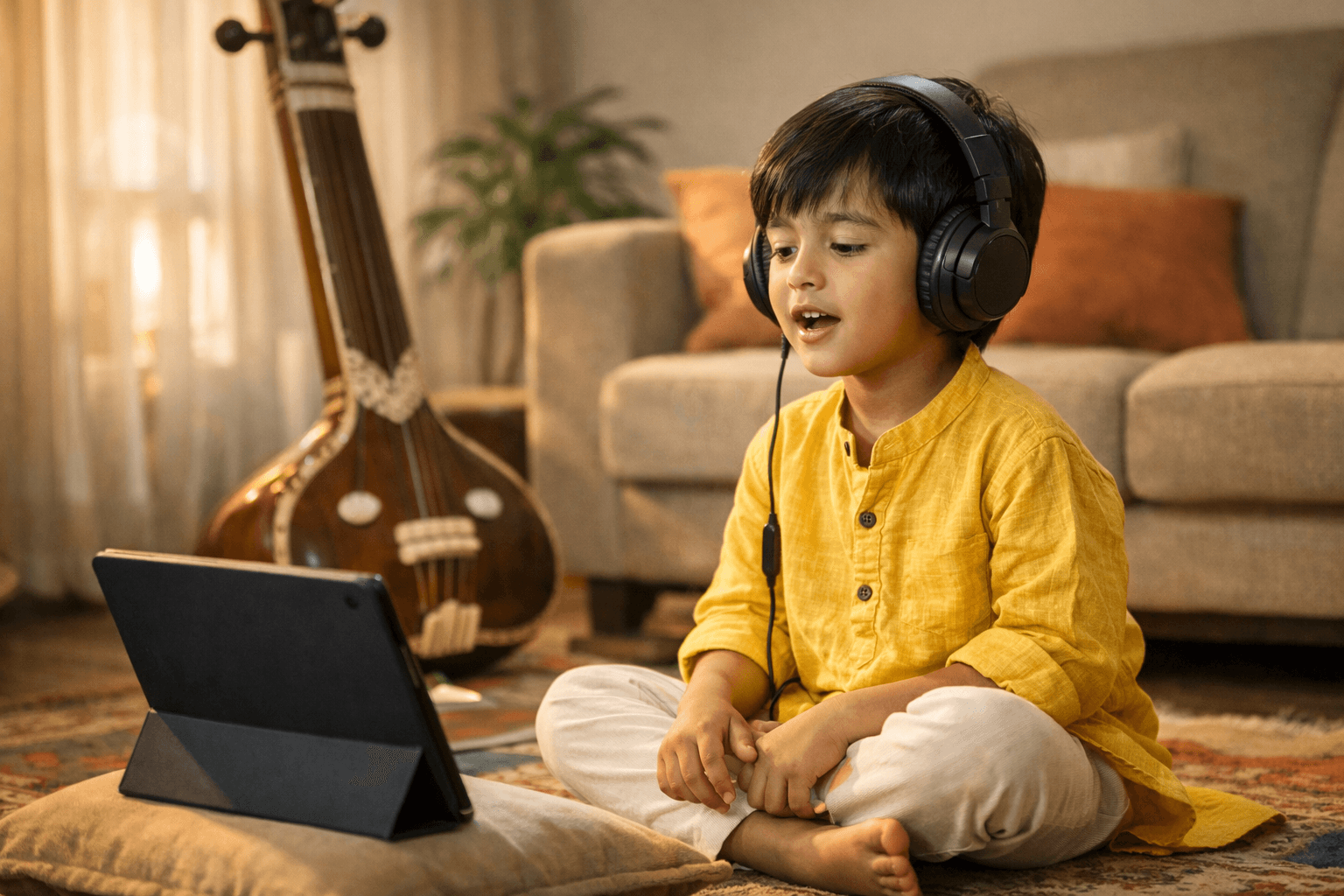 Early Indian classical music for children builds stronger listening habits that help them understand tones, patterns, and emotions. Kids absorb melodies quickly, shaping brain development activities that improve problem-solving. Parents new to this world can learn the basics in the Beginner’s Guide to Indian Classical Music.
Children learning Hindustani music for kids build focus and concentration skills because the practice follows a structured method. Simple swaras and rhythmic cycles guide their thinking, making learning feel predictable and calming. These early foundations support academic success and emotional balance.
How Hindustani Music Shapes a Child’s Growing Mind
Structured music learning gives children strong pattern recognition training because ragas and talas shape the brain to think in sequences. This supports analytical thinking for kids and improves mathematical skills through music as they learn rhythmic timing that strengthens decision-making and structured thought.
Stronger Memory Retention & Sharper Concentration
Raga learning for beginners trains the mind to remember note sequences, helping memory improvement in children and encouraging cognitive development through music. Regular practice supports improving concentration in children because repeated swaras strengthen mental stamina and create a calm learning atmosphere.
Better Logical Thinking and Analytical Growth
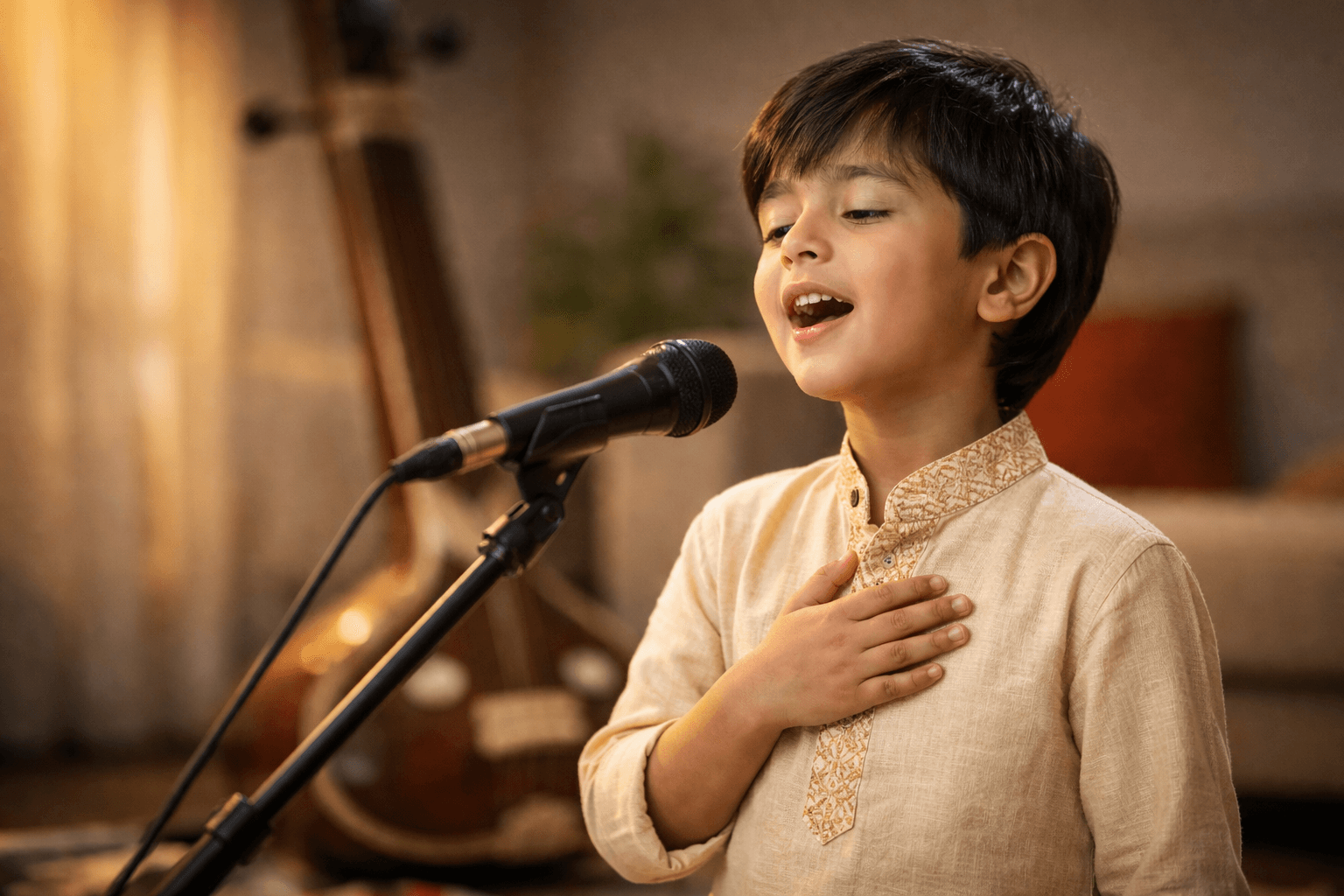 Tala practice for kids helps their brains understand timing and order, strengthening analytical thinking for kids. Rhythmic counting prepares them for subjects requiring structure and logic. These exercises shape stronger academic thinking and help them handle new information confidently.
Emotional Growth Through Music
Hindustani music develops emotional intelligence in children because melodic expression teaches them to understand and interpret feelings. Slow alaaps encourage calmness while lively pieces introduce excitement. This emotional journey supports personality development through music in a gentle, progressive way.
Developing Emotional Awareness & Expression
Kids Hindustani vocal lessons help children express emotions through soft improvisation techniques. They recognize moods in ragas, understanding peace, joy, and depth. This improves emotional expression in music and builds inner sensitivity.
Improving Patience, Consistency & Self-Control
Classical music lessons for children develop discipline and patience building because each lesson demands slow improvement. Children learn to manage frustration and grow at a comfortable pace. This calm routine strengthens emotional maturity.
Building Confidence for Performances & Public Speaking
Vocal training for kids helps young learners gain confidence building for kids through simple stage presence training. Singing in front of others improves voice clarity, self-belief, and communication. These experiences support strong public speaking skills.
Cultural Learning Made Fun and Meaningful
Indian cultural heritage for kids becomes enjoyable when they explore the many forms of traditional music. Parents can take a deeper look at these forms through the article on Types of Indian Music. This exposure helps children in the USA understand cultural identity development in a warm, engaging way.
Connecting children to roots through music introduces them to traditions, festivals, and values. Indian music education becomes a bridge between generations, giving cultural exposure for children in a natural and joyful manner.
Staying Connected to Indian Heritage
Traditional Indian instruments and classical melodies help kids connect with cultural stories and shared memories. These sounds create familiarity linked to festivals and family gatherings, strengthening their identity with pride.
Understanding Cultures Around the World Through Music Indian classical music for children introduces them to global diversity. Recognizing similarities in rhythm or emotion across cultures builds social skills development and encourages curiosity about the world.
Physical Development & Motor Skill Improvement Fine motor skill development grows through hand movements, pitch control, and rhythmic exercises. These actions strengthen coordination and improve breath control techniques that support singing and overall physical balance. Hand-eye coordination activities connected to swara practice help children balance posture and movement. These habits also support healthier breathing and smoother vocal delivery.
Enhancing Hand Coordination, Breath Control & Movement
Structured tala exercises improve hand coordination and timing. Breath control techniques increase stamina, and posture training helps children maintain comfort during long singing sessions.
Nurturing Musical Talent the Right Way**
Step-by-step music training introduces skills slowly so children never feel overwhelmed. They move from simple swaras to easy improvisation techniques with confidence. This progression builds musical mastery for kids in a steady and enjoyable way.
Long-term music training benefits become clear when children continue learning through early and teenage years. Each new level deepens creativity and strengthens their artistic personality.
How Step-by-Step Training Builds Musical Excellence A structured learning approach helps children grow at their own rhythm. Each stage feels achievable, encouraging steady improvement and long-term comfort with classical music.
Why Online Hindustani Classes by Art Gharana Are Ideal for Kids
Online Hindustani classes support families seeking convenient home-based music education. Kids follow flexible learning schedules that match school routines. Parents interested in a trusted learning space can explore the main platform at Art Gharana.
Virtual Indian music classes also offer expert instruction from anywhere. Online music learning for kids maintains regular progress and creates an encouraging space for practice.
Flexible Timings for School-Going Children
Flexible learning schedules help children attend classes without interrupting schoolwork. Parents appreciate this structure because it fits comfortably into their weekly routine.
Access to Expert Instructors from Anywhere
Online Hindustani classes give children direct access to skilled instructors who guide them with care. This global reach helps kids learn comfortably from home.
Why Starting Indian Music Young Gives Kids a Head-Start
The benefits of Hindustani music lessons for kids begin early when children learn swaras and rhythms that shape mental growth. Young learners form strong neural patterns that support thinking and emotional balance.
Starting young also strengthens discipline, patience, and curiosity. Indian classical music for children encourages expressive learning and builds healthy long-term habits.
Introduction to Indian Classical Music for Children
Children explore ragas and talas through simple exercises that teach melody and rhythm. These foundations spark curiosity and help them enjoy singing with confidence.
Early Music Training and Its Long-Term Advantages
Music builds structural thinking that supports school learning. Early training also improves creativity and emotional health, shaping balanced personal growth.
How Children Benefit Socially, Academically & Creatively
Music teaches patience, teamwork, expression, and communication. These skills strengthen social connections and support academic strength.
Final Thoughts on Early Music Education
Early exposure to music promotes healthy identity, confidence, emotional strength, and steady learning. Children grow into expressive and thoughtful individuals with regular practice.
Conclusion: Give Your Child a Lifelong Artistic Foundation with Art Gharana
The benefits of Hindustani music lessons for kids are seen in stronger memory, emotional expression, cultural pride, and personal confidence. With expert guidance, young learners grow into expressive and confident artists.
Art Gharana offers a warm learning environment where children learn Indian classical music with patience, care, and structured training. These lessons inspire creativity, strengthen discipline, and give children a rich artistic foundation for life.
FAQs
At what age can children start Hindustani music lessons? Children can begin learning around age five when they can follow simple instructions and enjoy steady rhythms. Early exposure strengthens memory and confidence.
Are online classes as effective as offline classes? Yes, online classes offer structured guidance and expert learning from home. Virtual lessons give comfort, consistency, and flexible timing.
How long does it take for kids to show progress in music? Most children start showing progress within a few months through regular practice. They improve pitch, timing, and vocal clarity.
Do kids need any prior musical knowledge before joining Art Gharana? No background is required. Kids start with basic swaras and move forward with supportive guidance tailored to their pace.