ChatGPT
 Google AI
 Grok
Grok Claude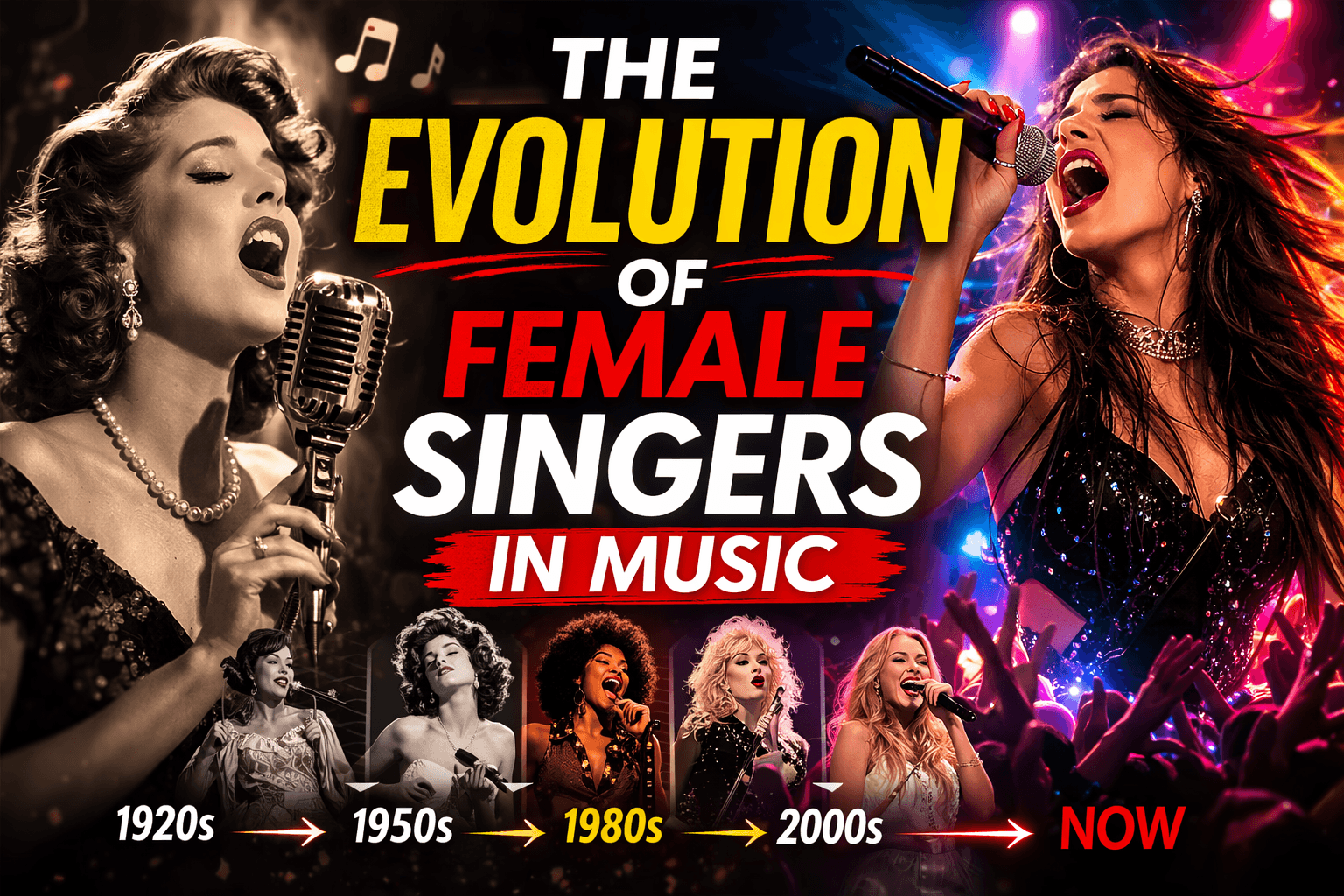
From candlelit opera halls to sold-out stadium tours, the story of female singers is not just about music — it’s about courage, reinvention, and cultural transformation. Have you ever wondered how women singers moved from the margins of history to becoming some of the most powerful voices in global entertainment?
The journey begins in an era when opportunities were scarce and recognition even rarer. Yet through resilience and unmistakable talent, early famous women singers carved their place in traditions shaped by the roots of blues, jazz, and classical performance — foundations preserved in archival collections like those of the Smithsonian Institution. These pioneers didn’t just sing; they redefined what it meant to be heard.
As music evolved, so did the identity of the artist. The broader evolution of modern music genres shaped a new wave of pop music female singers who were no longer just vocalists — they were storytellers, style icons, and cultural leaders. With the rise of radio, television, and global touring, female pop stars began to dominate headlines, charts, and conversations worldwide.
By the late 20th century, chart-topping popular female singers and top female music artists weren’t just participating in the industry — they were leading it. From record-breaking global album sales to historic award wins, their influence extended far beyond melodies. According to Billboard’s historical chart data, many of the highest-performing artists across decades have been women who reshaped commercial music itself.
But success isn’t measured by numbers alone. What defines the best ever female vocalists? Is it vocal range, emotional depth, innovation — or the power to inspire generations? When we explore decades of chart dominance, Grammy recognition, and artistic reinvention, one thing becomes clear: these women didn’t follow trends. They created them.
In this in-depth exploration, we’ll trace the rise of iconic performers, examine the cultural revolutions of the 1960s and 70s, analyze the commercial powerhouses of the 80s through the 2000s, and spotlight today’s boundary-breaking artists shaping new genres. Along the way, we’ll compare legendary careers, uncover what separates good female vocalists from the all time best female vocalists, and understand how women transformed music — and the world — one note at a time.
So, which era speaks to you most? And how have these voices influenced the way you experience music today?
Let’s begin.
1. The Early Days of Women in Music
 Smithsonian Institution
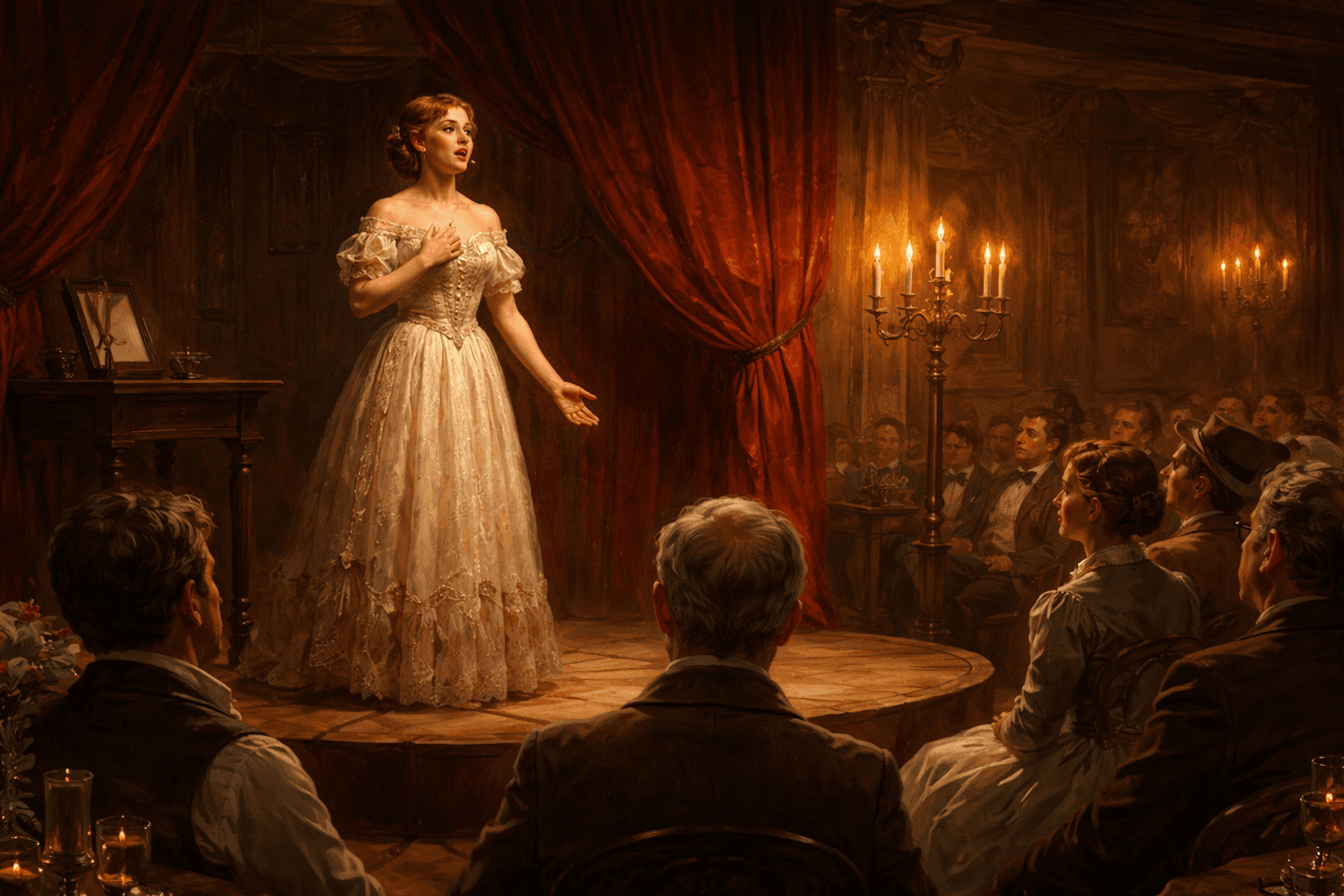
Long before sold-out arenas and global streaming platforms, women singers were shaping music in quieter, more restrictive environments. Have you ever considered what it meant to pursue music at a time when public performance for women was discouraged—or even forbidden?
The early journey of female singers is not simply a musical story. It is a social and cultural turning point.
Breaking Through Social Barriers
In many societies, women were expected to remain behind the scenes. Yet despite these limitations, famous women singers emerged through:
- Sacred and devotional music traditions
- Folk storytelling within local communities
- Early opera houses and classical recitals
- Blues and jazz circuits in the late 19th and early 20th centuries
Historical collections preserved by institutions such as the Smithsonian Institution reveal how women contributed significantly to early genre development—often without formal credit. Their influence was not peripheral; it was structural.
The Roots of Blues and Jazz Vocal Traditions
When examining the roots of blues and jazz vocal traditions, one truth becomes clear: women helped define the emotional language of modern music.
These early famous singer woman figures transformed lived experience into art. Their performances were marked by:
- Expressive phrasing and dynamic control
- Improvised melodic variations
- Deep emotional storytelling
- A commanding stage presence
Many of today’s popular female vocalists still draw from these expressive traditions, even if indirectly. The stylistic fingerprints of early blues and jazz singers remain embedded in contemporary performance.
Early Contributions to Classical Performance
Parallel to the rise of blues and jazz, women were also shaping classical and operatic traditions across Europe and America. Although few were recognized as composers or conductors, they became celebrated interpreters of complex works.
Their contributions included:
- Expanding soprano and contralto repertoire
- Introducing emotional nuance to formal compositions
- Elevating vocal artistry as a respected discipline
These early women music artists demonstrated that technical mastery and emotional depth could coexist—an ideal that continues to define many top female singers today.
The Impact of Early Recording Technology
The emergence of radio and phonograph recordings transformed visibility. For the first time, a female singer could reach audiences far beyond local communities.
This shift led to:
- Broader recognition for female talent
- The creation of early fan bases
- The emergence of nationally known performers
Why This Era Still Matters
You might ask: why focus so deeply on the past?
Because every generation of famous female singers, every commercially successful icon, and every critically acclaimed vocalist stands on these early foundations.
The emotional phrasing. The storytelling depth. The courage to perform publicly.
All of it began here.
Understanding this era reframes modern success. What appears today as instant recognition is, in reality, the result of decades of perseverance by early women who refused to remain unheard.
As we move into the rise of mainstream pop and global superstardom, keep this in mind: the spotlight did not create powerful women in music. Powerful women stepped into the spotlight—and transformed it.
2. Influential Pioneers Who Shaped the Industry
- Aretha Franklin
- Ella Fitzgerald
- Maria Callas
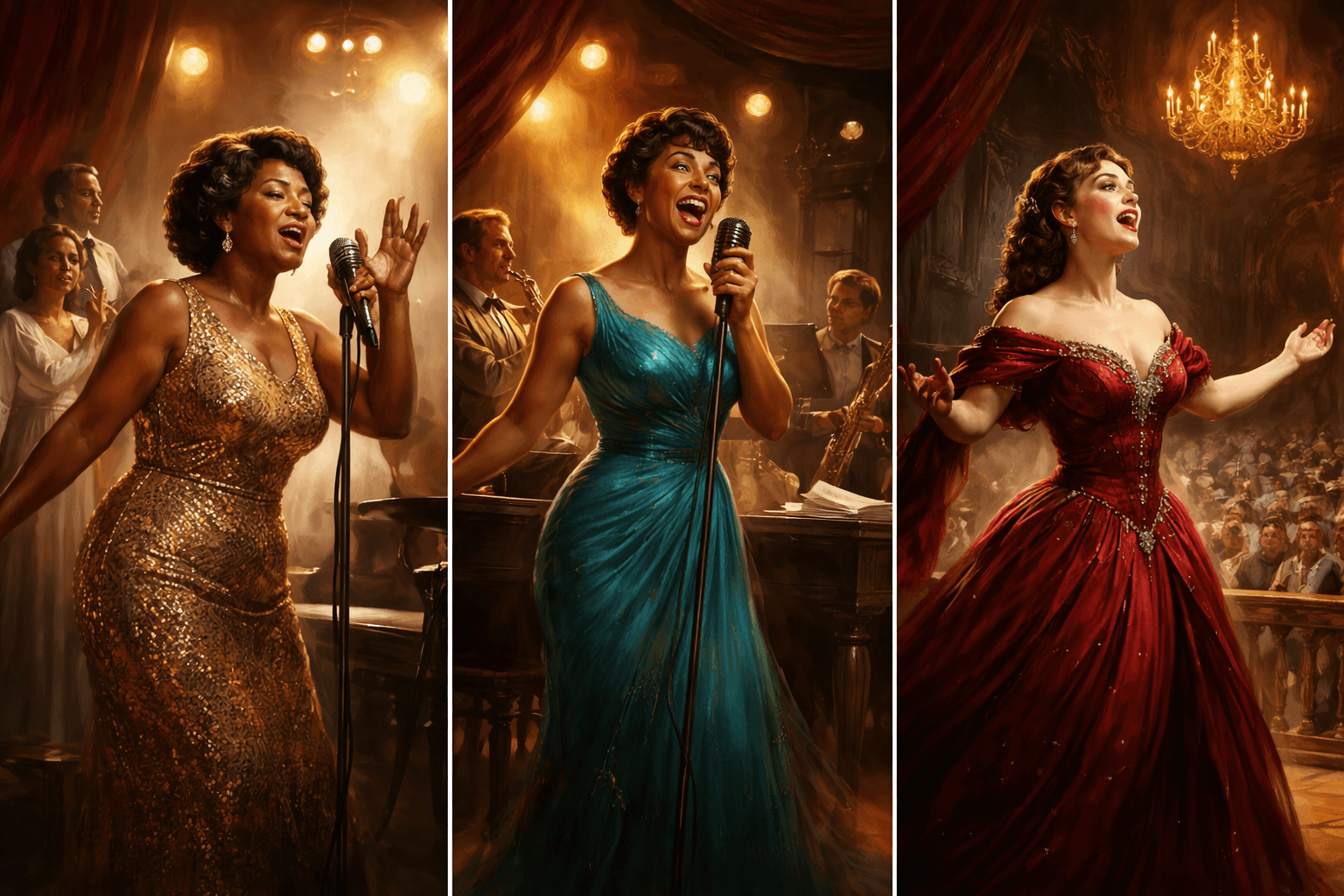
If the early era opened doors, influential pioneers walked through them with undeniable authority. These were not just famous female singers earning applause — they were redefining artistic standards and reshaping the music industry itself.
What separates a good performer from one of the all time best female vocalists? Is it vocal power, emotional storytelling, technical mastery — or the ability to influence generations you may never meet?
For these women, it was all of it.
Redefining Excellence in Vocal Performance
Artists like Aretha Franklin infused soul with unmatched emotional conviction. Ella Fitzgerald turned improvisation into a masterclass in phrasing and pitch control. Maria Callas elevated opera with dramatic interpretation that demanded global attention.
What made these women singers pioneers?
- Exceptional vocal discipline
- Emotional authenticity layered over technique
- The courage to experiment within traditional frameworks
- A stage presence that commanded respect
While the genre may differ, the principle remains the same: great vocalists build their art on strong technical foundations.
Raising the Bar for Generations to Follow
These trailblazers didn’t just perform; they elevated expectations.
They introduced:
- Expanded vocal ranges and tonal flexibility
- Expressive storytelling techniques
- Greater involvement in songwriting and arrangement
- A shift from performer to artistic decision-maker
This transformation laid the groundwork for future popular female vocalists and top female singers who would later dominate global charts.
If you look at the evolution of structured music education, from classical to contemporary styles, you’ll see how foundational training continues to shape excellence. That’s why understanding vocal roots — whether Western, Hindustani, or Carnatic — remains critical for aspiring artists today.
Explore how structured learning builds lasting vocal strength.
Expanding Influence Beyond the Microphone
Another powerful shift? Authority.
These pioneers pushed beyond the limitations imposed on women in entertainment. They influenced:
- Production choices
- Performance aesthetics
- Public narratives around women in music
- Industry negotiations
This leadership mindset continues to inspire modern popular female artists, proving that technical brilliance paired with strategic vision creates sustainable careers.
Why Their Legacy Still Matters
When critics debate the top ten female vocalists of all time, these pioneers remain central to the conversation — not just for their voices, but for their influence.
They proved that:
- Mastery commands respect
- Innovation drives longevity
- Confidence reshapes industries
As we move forward into the era of global superstardom and chart dominance, remember this:
Every celebrated female singer performing today benefits from the courage and craft of these early architects of excellence.
Their voices were not just heard.
They changed what it meant to be heard.
3. The Rise of Pop Music Female Singers
 MTV
Billboard
MTV
Billboard
When pop music entered its commercial golden age, something shifted dramatically — women didn’t just participate in the movement; they led it.
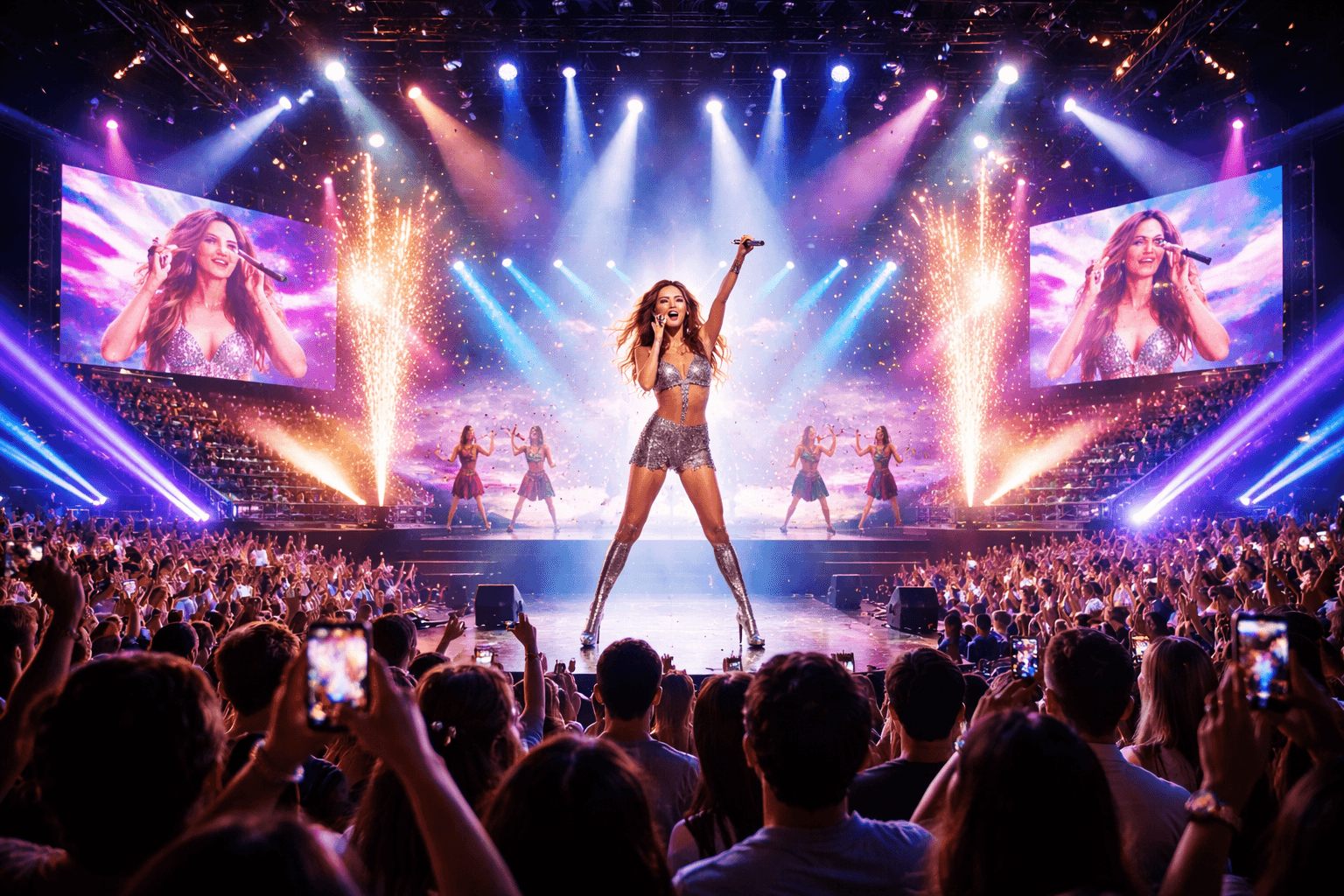
Have you noticed how pop music female singers often define entire decades? Their sound, fashion, choreography, and personality become cultural markers. From vinyl records to televised performances, female pop stars turned music into a global spectacle.
This wasn’t accidental. It was strategic evolution.
From Vocalists to Cultural Phenomena
Earlier pioneers proved women could master technique. The pop revolution proved they could dominate visibility.
With the rise of platforms like MTV, performance became visual storytelling. Suddenly, a pop singer lady wasn’t just heard — she was seen, styled, and branded.
This era produced:
- Highly choreographed stage productions
- Concept-driven albums
- Music videos that became cultural events
- Global fan bases built on personality as much as voice
Chart Domination and Commercial Power
Commercial metrics began shaping industry narratives. Rankings, sales figures, and radio play determined influence.
According to historical data from Billboard, many of the most consistent chart performers were lady pop singers who blended strong vocals with strategic branding.
What gave these pop singers women such staying power?
- Memorable hooks paired with technical control
- Reinvention every few years
- Cross-genre experimentation
- Deep audience connection
They understood something powerful: pop success isn’t only about voice — it’s about relevance.
The Evolution of Performance Standards
As the industry grew more competitive, expectations rose.
Being among the top female artists now required:
- Live performance stamina
- Media adaptability
- Brand partnerships
- Global touring capability
For aspiring artists studying performance today, structured guidance matters more than ever. Whether one explores Western pop, classical, or Indian traditions, foundational training builds sustainability. Discover how professional mentorship shapes vocal excellence.
And if you're serious about developing stage-ready confidence, structured programs designed for vocal growth can provide clarity and direction.
Reinvention as a Survival Strategy
One defining trait of this era’s female pop stars was reinvention.
They shifted:
- Musical style
- Public image
- Fashion aesthetics
- Production collaborators
- Headlined global tours
- Set sales records
- Influenced cultural conversations
- Inspired future generations to pursue music professionally
- Addressed social justice themes in lyrics
- Challenged gender norms publicly
- Took creative control over performance style
- Became visible leaders in global music culture
-
Emotionally raw rock performances
-
Soul-driven vocal depth
-
Disco-infused stage productions
-
Greater experimentation across genres
- Television appearances
- Magazine covers
- Global touring circuits
- Award ceremonies
- Lead major record labels’ revenue streams
- Headline large-scale concerts
- Influence fashion and youth culture
- Set new artistic standards
- Strong vocal technique combined with commercial appeal
- A clear artistic identity
- Strategic media positioning
- Consistent evolution in sound
- Stage stamina
- Technical vocal control
- Choreography precision
- Brand intelligence
- Female artists dominated international charts
- Album sales reached historic highs
- Arena tours became global spectacles
- Award recognition consistently highlighted women
- Direct fan engagement
- Digital-first release strategies
- Cross-platform storytelling
- Control over masters and publishing rights
-
Audiences value authenticity over formula
-
Streaming platforms reward experimentation
-
Global collaborations expand sonic diversity
- A marketing engine
- A fan community hub
- A brand-building platform
- A creative testing ground
- Streaming milestones
- Touring revenue
- Cultural influence
- Brand partnerships
- Ownership stakes
- More globally diverse
- More genre-fluid
- More digitally native
- More business-savvy
- Modern vocal runs inspired by earlier R&B legends
- Power ballad structures modeled after 90s divas
- Stage presence techniques adopted by contemporary pop stars
- Vocal training programs built around classical and soul foundations
- Who set the vocal benchmarks that artists still aspire to today?
- Which female pop stars reshaped the music industry’s business model?
- How did these top female singers influence the way we experience music now?
- Strong breath control
- Vocal agility and range
- Emotional authenticity
- Consistency in live performances
- Longevity in the industry
Why? Because pop music evolves quickly. And those who fail to evolve fade.
The most successful popular female singers understood that growth is not optional — it is essential.
The Legacy of Pop’s Female Leaders
The rise of pop music female singers did more than create celebrities. It shifted power dynamics within the industry.
Women were no longer exceptions. They were the standard.
They:
Because once women mastered pop’s spotlight, the next evolution wasn’t about visibility.
It was about ownership.
4. 1960s and 1970s: The Birth of Iconic Women
 Aretha Franklin
Janis Joplin
Diana Ross
Aretha Franklin
Janis Joplin
Diana Ross
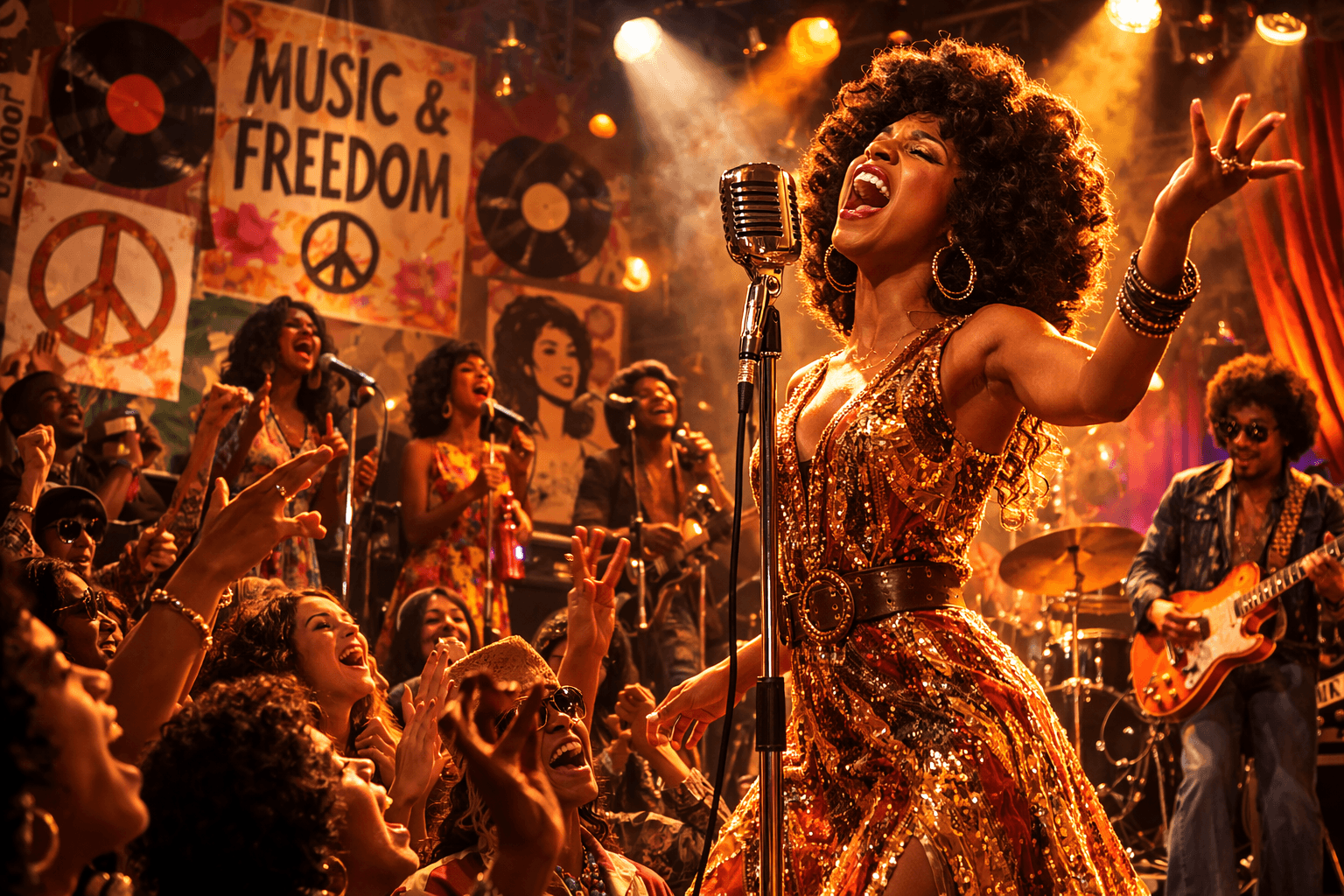
The 1960s and 1970s were not just decades of musical change — they were decades of cultural awakening. Civil rights movements, feminist waves, and social revolutions created a powerful backdrop for transformation. And at the center of it all stood famous female singers whose voices became symbols of change.
Have you ever listened to a song and felt that it represented more than melody — that it captured a moment in history?
That was the magic of this era.
When Music Became a Movement
Artists like Aretha Franklin didn’t just perform; they delivered anthems of empowerment. Janis Joplin shattered expectations in rock with raw intensity. Diana Ross redefined elegance and stage charisma in soul and pop.
These were not simply popular female artists climbing charts. They were voices aligned with cultural transformation.
During this era, women singers:
For the first time, female artistry was inseparable from cultural identity.
Expanding Genre Boundaries
The late 60s and 70s saw a fusion of rock, soul, funk, and early disco — and women were central to this evolution.
This period gave rise to:
These artists weren’t boxed into one category. Many of today’s top female music artists still draw inspiration from the genre-blending experimentation pioneered in this era.
And as radio expanded reach across continents, these famous women singers became international names.
Visibility, Power, and Chart Recognition
Commercial recognition followed cultural relevance. As music charts gained prominence, top female singers began appearing consistently in rankings and award circuits.
This era demonstrated something significant:
Success was no longer an exception for women. It was repeatable.
Their influence extended to:
They shifted the perception of what a female singer could achieve in mainstream entertainment.
A Blueprint for Future Dominance
Why does this period matter so deeply in the evolution of female singers in America and globally?
Because it proved that women could:
These women didn’t wait for validation. They created cultural impact so undeniable that validation followed naturally.
And as we move into the 1980s and beyond, you’ll see how this foundation of visibility and authority paved the way for even greater commercial dominance.
The 60s and 70s didn’t just produce stars.
They produced icons — and icons change history.
5. 1980s to 2000s: A New Wave of Female Power
 Madonna
Whitney Houston
Mariah Carey
Beyoncé
Madonna
Whitney Houston
Mariah Carey
Beyoncé
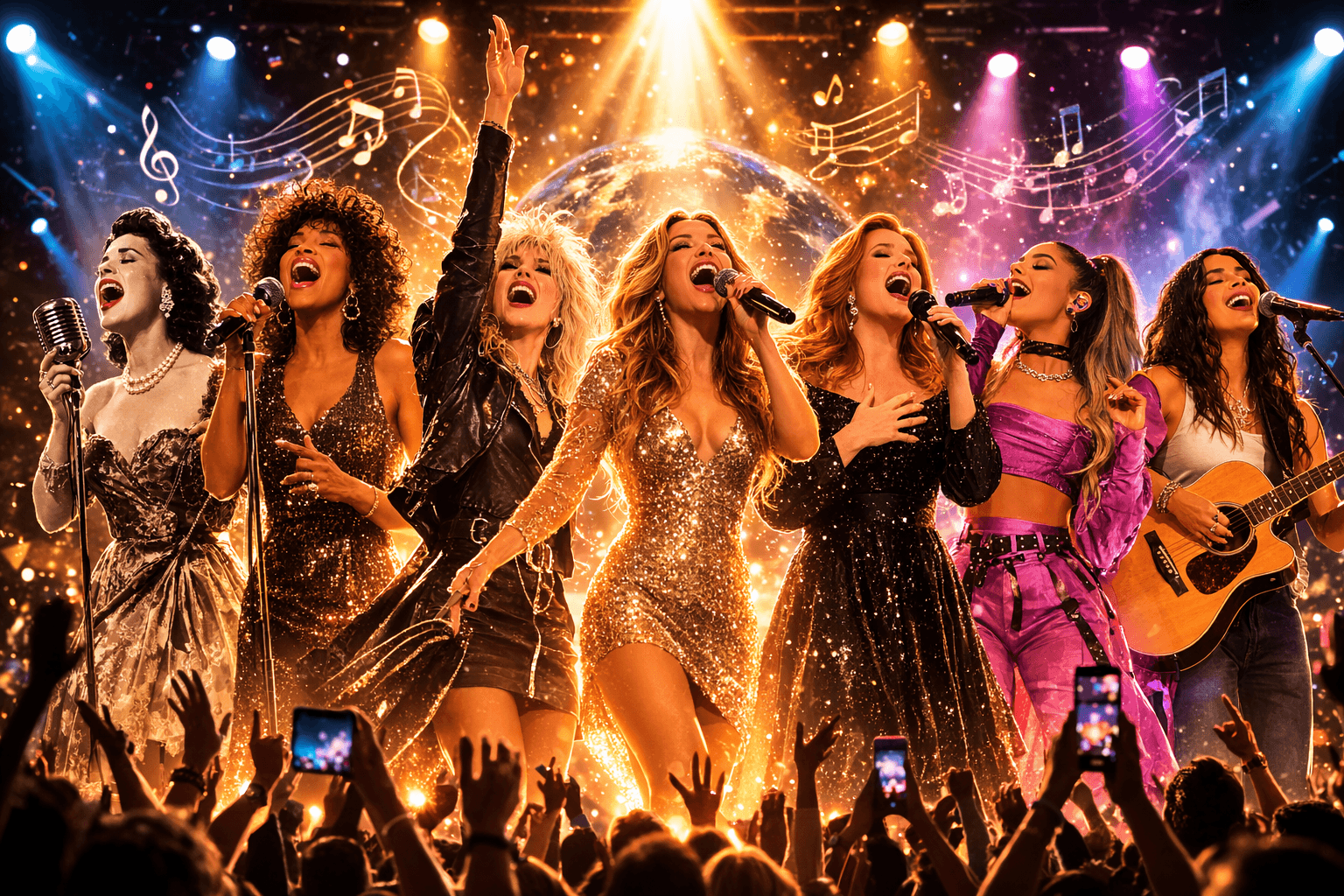
If the 60s and 70s built the stage, the 1980s to early 2000s turned it into an empire — and female pop stars ruled it.
This era wasn’t just about good songs. It was about power, branding, vocal athleticism, and global domination. Have you ever wondered why so many of the highest selling female artists emerged during this time? The answer lies in a perfect storm of media expansion, evolving production technology, and artists who understood both artistry and business.
Reinvention as Strategy
Take Madonna. She mastered reinvention before it became industry advice. Then came the vocal supremacy of Whitney Houston and the melismatic brilliance of Mariah Carey.
These weren’t just popular female singers — they were case studies in longevity.
What sets them apart?
The Rise of the Complete Performer
By the late 1990s and early 2000s, the standard shifted again. Artists like Beyoncé embodied a new archetype: singer, dancer, producer, entrepreneur.
This era defined the “complete performer.”
To compete among the top female music artists, performers needed:
The bar was no longer just talent — it was excellence across disciplines.
This evolution reshaped how aspiring singers approached training. Structured vocal development, breath control, and stage confidence became non-negotiable. If you’re serious about refining your vocal foundation the right way, explore structured vocal learning pathways that prioritize technique and sustainability.
And if you want mentorship from experienced musicians who understand performance artistry at a deeper level, meet the experts shaping tomorrow’s voices.
Commercial Milestones and Chart Records
The 1980s to 2000s also marked the golden age of CD sales and global tours. During this period:
Their influence wasn’t limited to music. They shaped fashion trends, media narratives, and even business models within the entertainment industry.
A Shift Toward Ownership
Another defining change? Ownership.
By the early 2000s, more female pop stars began producing, writing, and managing their own work. They weren’t just faces of record labels — they were decision-makers.
This shift paved the way for the digital independence we see today.
And as we move into the contemporary female music scene, you’ll notice something powerful: the groundwork laid between 1980 and 2000 didn’t just create stars.
It created empires — and empowered the next generation to build their own.
6. The Contemporary Female Music Scene
 Taylor Swift
Adele
Billie Eilish
Rihanna
Taylor Swift
Adele
Billie Eilish
Rihanna
Step into today’s music landscape and one truth becomes obvious: the contemporary era belongs to women who understand both artistry and autonomy.
Unlike previous decades, where industry gatekeepers shaped careers, modern female pop stars operate in a world driven by streaming platforms, global audiences, and personal branding. But here’s the real question — has success become easier, or simply more complex?
Streaming, Strategy, and Global Reach
Artists like Taylor Swift have transformed album launches into cultural events. Adele proves that vocal depth and emotional authenticity still command massive global sales. Meanwhile, Billie Eilish represents a shift toward minimalism and genre fluidity.
This generation of popular female artists thrives on:
The rise of streaming has redefined what it means to be among the top female singers today. Chart performance now includes playlist placements, viral trends, and global streaming numbers.
Genre Fluidity and Identity
One defining trait of the modern female music scene is genre-blending. Today’s artists are not confined to one sound.
Rihanna seamlessly moves between pop, R&B, and dancehall influences. Others experiment with indie pop, alternative, electronic, and even classical crossovers.
This flexibility reflects a broader cultural shift:
As a result, the definition of a top female music artist has widened dramatically.
Social Media as Power Infrastructure
If earlier eras relied on television and radio, today’s famous female singers build empires through social platforms.
Social media now functions as:
Artists can preview unreleased songs, document studio sessions, and speak directly to millions — without intermediaries.
But visibility comes with pressure. Constant exposure demands resilience, media intelligence, and emotional balance. Success now requires not just vocal skill but strategic self-management.
Redefining Success Metrics
In the past, album sales defined greatness. Today, success looks different.
Modern top female vocalists are evaluated by:
Many artists are now entrepreneurs, launching fashion lines, beauty brands, and production companies alongside music careers.
This multidimensional approach signals a profound shift: the contemporary female artist is no longer just a performer.
She is a business architect.
The Era of Creative Independence
Perhaps the most empowering change in today’s industry is creative independence. More women write, produce, and executive-produce their projects than ever before.
And as technology continues to evolve, the barriers to entry keep shrinking.
So what does this mean for the future of female pop stars?
It means the next wave will likely be:
The contemporary female music scene is not simply an extension of the past — it is a reinvention of power itself.
And the story is still being written.
7. The Best Ever Female Vocalists
 What truly defines the best female vocalists of all time?
Is it vocal range? Emotional delivery? Commercial success? Or that rare ability to make millions feel as though a song was written just for them?
When we talk about the top female vocalists, we are not just measuring chart positions. We are evaluating technique, tonal control, phrasing, breath mastery, and interpretative intelligence — qualities that separate good singers from legends.
Vocal Mastery Beyond Popularity
Consider Aretha Franklin. Her command over soul phrasing transformed simple melodies into cultural declarations. Whitney Houston combined power and precision in a way that redefined vocal standards for pop and R&B.
Meanwhile, Celine Dion showcased sustained vocal strength with remarkable control, and Barbra Streisand demonstrated how technical discipline and theatrical expression can coexist seamlessly.
These artists are often featured in discussions about the top ten female vocalists of all time, not because of hype — but because of measurable vocal excellence.
What Sets the Greatest Apart?
If you study the most famous women singers in history, several common traits emerge:
1.Breath Control – The ability to sustain long phrases without strain. 2. Dynamic Variation – Mastery over soft-to-powerful transitions. 3. Emotional Authenticity – Making technique invisible to the listener. 4. Consistency in Live Performance – Delivering studio-level quality on stage. 5. Longevity – Maintaining vocal health over decades.
This is where artistry meets discipline.
The greatest female singers treat their voice as an instrument requiring continuous refinement. They understand that vocal stamina, training, and technique determine long-term excellence.
If you’re interested in exploring more about legendary performers who shaped music history, this list of iconic singers offers valuable insights.
Influence Across Generations
The best-ever female vocalists don’t just dominate their era — they influence future generations.
Their impact can be seen in:
That is legacy.
Commercial Success vs. Vocal Greatness
It’s important to recognize something nuanced: not every high selling female artist automatically ranks among the best vocal technicians.
Sales reflect popularity. Technique reflects mastery.
The rare few who achieve both commercial dominance and vocal brilliance become timeless.
And when we evaluate the best female vocalists, we are really asking a deeper question:
Who changed how we understand the human voice?
Because at the highest level, great singing is not about volume or range alone.
It is about control, connection, and the courage to deliver emotion without compromise.
And that standard — once set — reshapes music forever.
Conclusion: The Everlasting Power of Female Voices
From the early pioneers who fought for space on stage to today’s digitally empowered superstars, the journey of female singers is more than a timeline of hits — it is a story of resilience, reinvention, and remarkable vocal mastery.
When we reflect on the best female vocalists of all time, we are not simply listing chart-toppers. We are recognizing women who redefined technique, performance standards, and cultural influence. Each era introduced new challenges, yet the most famous female singers consistently transformed obstacles into opportunities.
Think about it for a moment.
As streaming platforms evolve and new genres emerge, the definition of success may continue to shift. Yet one constant remains — the world will always be moved by extraordinary voices. Whether it’s a soul-stirring ballad, a chart-dominating pop anthem, or a genre-defying experiment, popular female artists continue to lead the conversation.
And perhaps the most inspiring takeaway is this: the next legendary voice could be developing right now.
So as you revisit the icons, explore the milestones, and compare the top female vocalists across generations, ask yourself — what truly makes a voice timeless?
Because in the end, music history isn’t just about who sold the most records.
It’s about who left a mark that could never be erased.
Frequently Asked Questions (FAQ)
1. Who are considered the best female vocalists of all time?
The best female vocalists of all time are typically recognized for their vocal range, emotional expression, technical control, and cultural impact. Artists like Whitney Houston, Aretha Franklin, Celine Dion, and Barbra Streisand are frequently mentioned due to their vocal mastery and long-standing influence on global music.
2. Who is the highest selling female artist in history?
Several artists compete for this title depending on metrics (albums sold, singles, streaming numbers). Names often included among the highest selling female artists are Madonna, Celine Dion, Mariah Carey, and Rihanna. Sales figures vary by source and certification body.
3. Which female singers are most popular in Canada?
In Canada, both international and homegrown artists are widely celebrated. Canadian icons like Celine Dion and contemporary global stars such as Taylor Swift and Adele consistently rank among the most streamed and purchased female pop stars in the country.
4. What makes a female vocalist truly great?
A truly great female singer typically demonstrates:
Technical skill combined with audience connection often separates good singers from legendary performers.
5. How has streaming changed the success of female pop singers?
Streaming platforms have transformed how popular female artists build audiences. Today, success is measured not only by album sales but also by streaming numbers, playlist placements, and global digital engagement. This has allowed many emerging artists to reach Canadian and international listeners faster than ever before.
6. Are Canadian female singers influential globally?
Yes. Canada has produced several globally influential female vocalists who have shaped pop, adult contemporary, and R&B genres. Canadian artists continue to rank highly among international charts and award recognitions.