ChatGPT
 Google AI
 Grok
Grok Claude
Learning Indian classical music is not just about mastering ragas and talas; it is about connecting with centuries of tradition, culture, and expressive depth. Choosing the right guru—whether for Hindustani or Carnatic music—can shape a student’s understanding, skill development, and lifelong appreciation for music. A guru does not simply teach notes; they impart the philosophy of music, discipline, and nuances that no textbook or online video can replicate.
The guru-shishya tradition forms the backbone of classical music pedagogy. In Hindustani music, training often emphasizes improvisation, exploration of microtones, and emotional expression, while in Carnatic music, structured compositions, intricate rhythms, and voice modulation play a central role. Understanding the style, methodology, and experience of a teacher is crucial for aligning learning goals with outcomes.
Understanding the Role of a Guru in Indian Classical Music
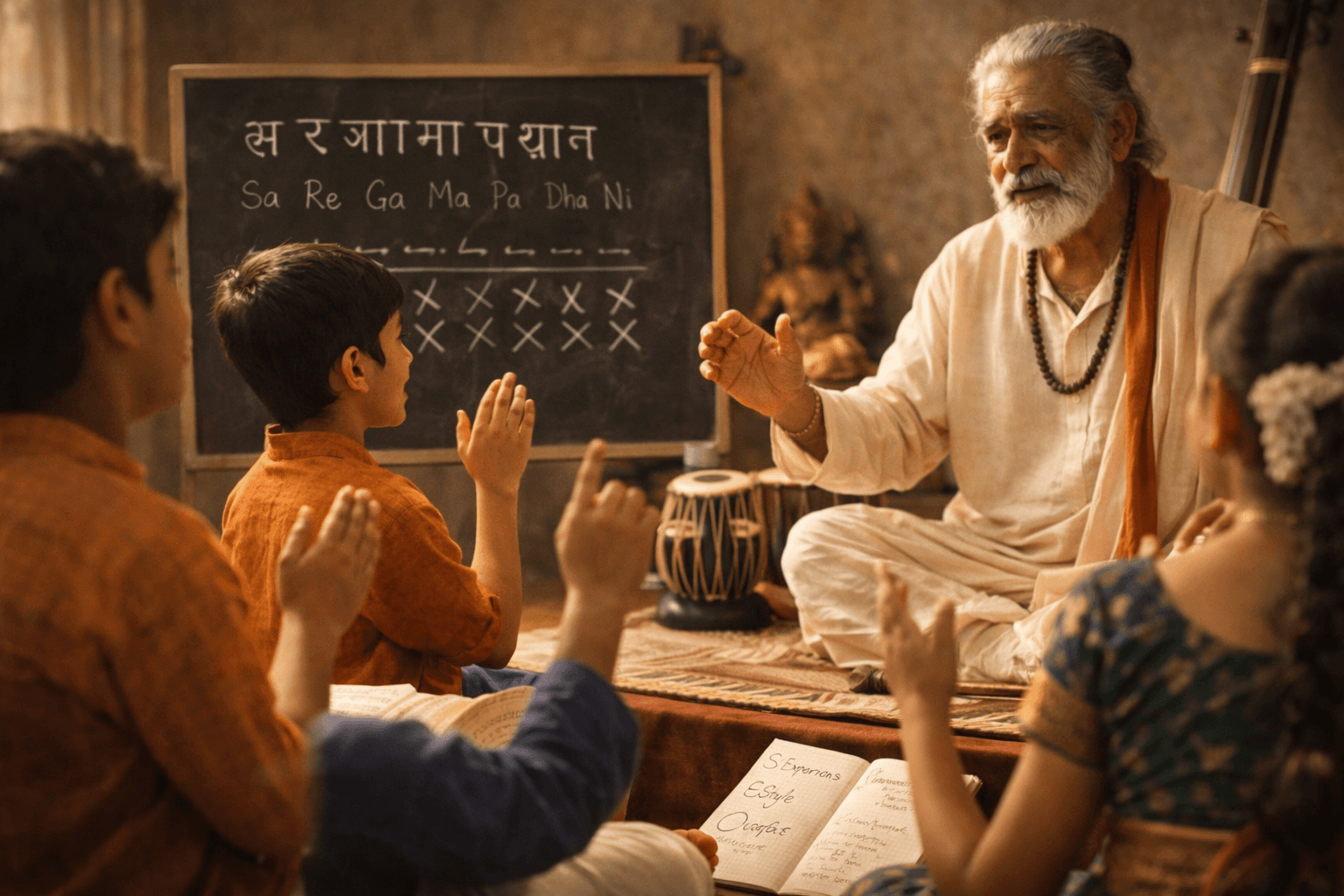
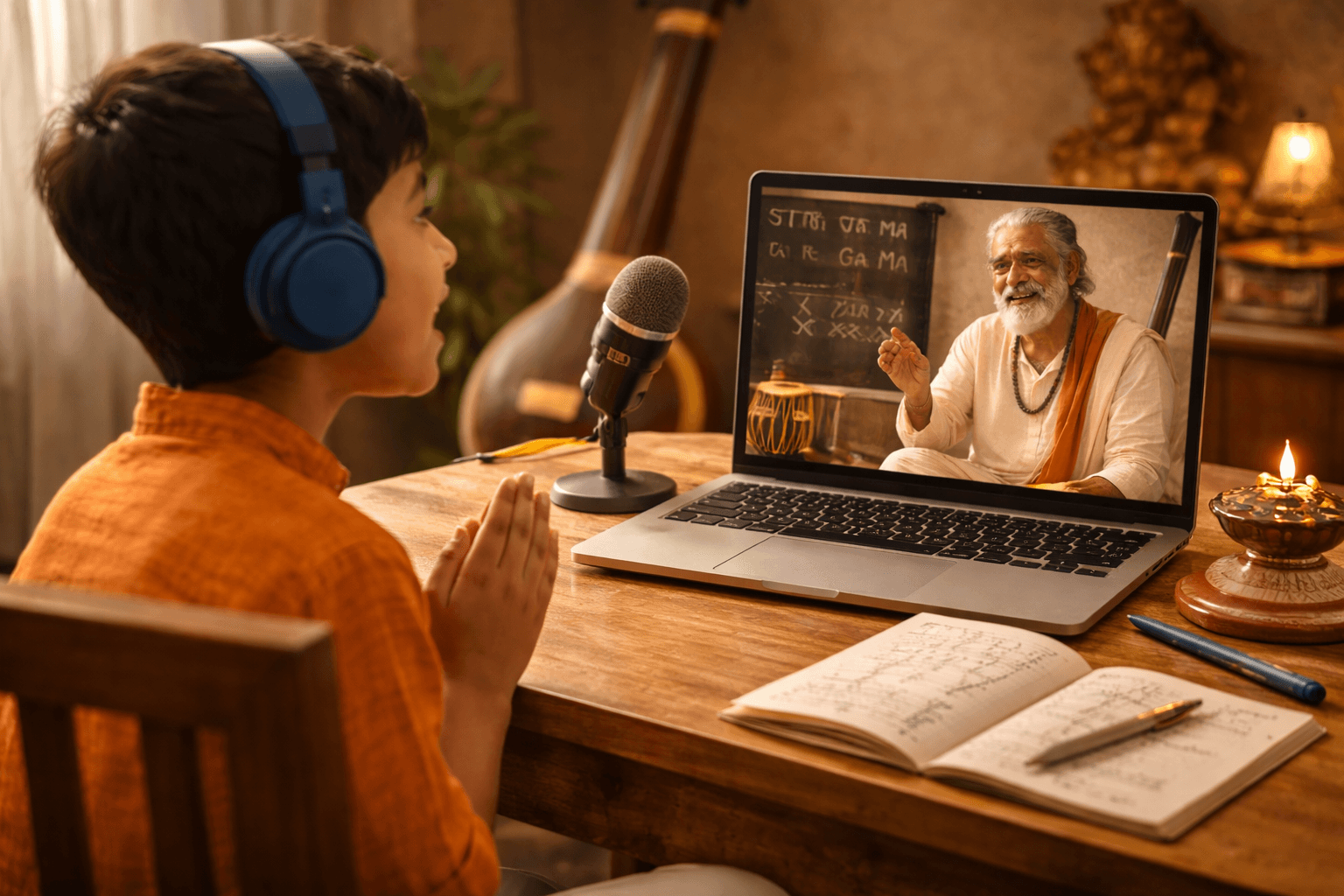 The guru serves as both teacher and mentor, guiding students through practical exercises, raga-based improvisation, and cultural context. A guru introduces foundational concepts such as shrutis, meend techniques, and tala cycles while cultivating discipline through structured music lessons. For young learners, the guru fosters memory development through musical drills and group exercises, instilling habits that improve vocal control and listening skills.
Choosing a guru requires assessing their ability to nurture not just technical skill but also creativity through Carnatic music. Experienced teachers understand how to balance rigorous training with engaging instruction, ensuring students maintain enthusiasm while building essential musical skills. The guru’s approach influences a child’s confidence, stage presence, and ability to interpret ragas authentically.
The Importance of a Guru in Indian Classical Music
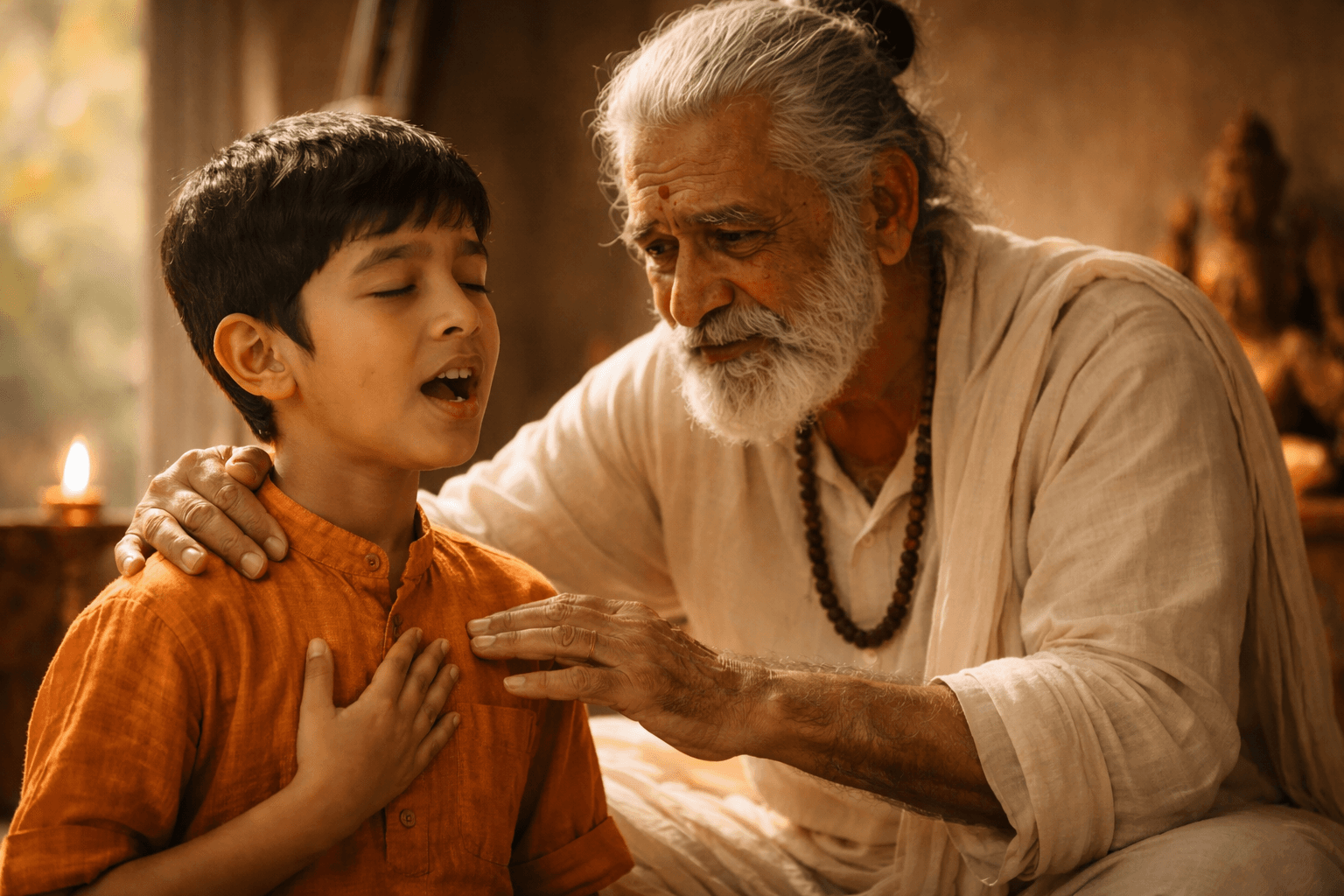
 A guru imparts more than just technical skills. They cultivate listening skills, vocal control, and interpretative ability. In Hindustani music, they teach meend, andolan, and subtle microtonal shifts that are impossible to master without guidance. In Carnatic music, the guru focuses on gamakas, tala intricacies, and kriti articulation. Learning under a trained guru ensures that children and beginners internalize vocal practice techniques that develop pitch accuracy, breath control, and expressive capability.
A guru’s influence extends beyond lessons. They shape the student’s approach to improvisation, audience interaction, and stage performance. Experienced teachers also integrate exercises for cognitive development, musical memory, and emotional depth. Online classes have made it possible to access expert guidance remotely, allowing students to maintain structured practice routines while benefiting from global expertise.
Hindustani vs. Carnatic Teaching Styles
 Hindustani music emphasizes improvisation, alaaps, and flexible phrasing within ragas. A guru in Hindustani music guides students in understanding microtonal variations, emotional expression, and live performance techniques. Lessons often focus on listening and imitation, followed by guided experimentation. The guru encourages individual interpretation, allowing students to develop a unique musical voice while respecting classical traditions.
Carnatic music, in contrast, is structured and composition-based. Gurus emphasize vocal exercises, kriti renditions, and intricate tala patterns. Students practice gamakas, voice modulation, and rhythmic articulation to achieve mastery over both voice and instrument. Learning under a Carnatic guru connects children to famous Carnatic musicians and the lineage of musical styles, ensuring preservation of authentic techniques while fostering innovation.
Factors to Consider When Choosing a Guru
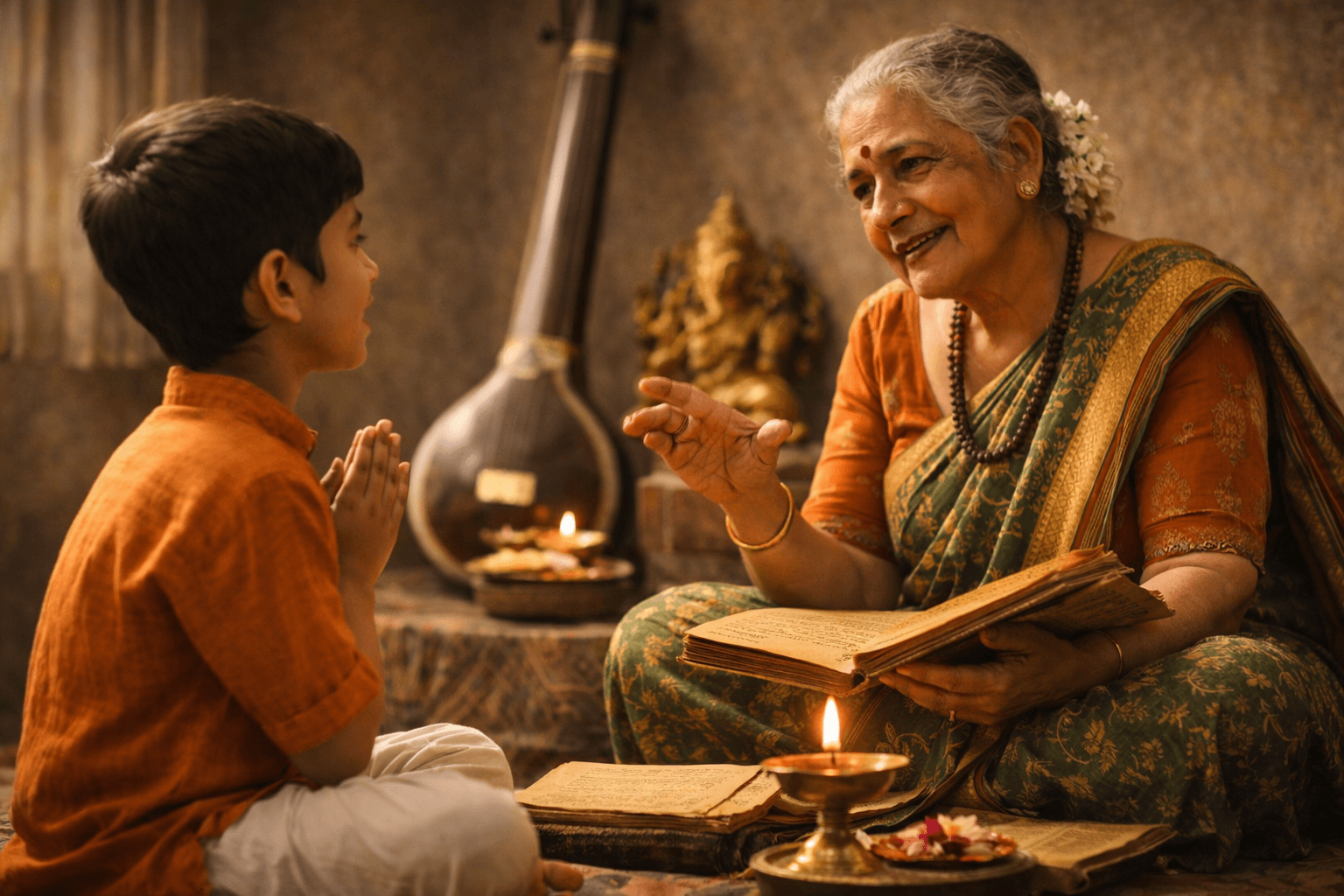 Selecting a guru is a critical decision, as it impacts both the pace and depth of musical learning. Important factors include the teacher’s experience, lineage, teaching methodology, and compatibility with the student’s learning style. Parents and learners should evaluate whether the guru provides clear instruction, constructive feedback, and structured practice sessions that reinforce discipline and consistency.
The guru’s ability to adapt to online platforms, especially in online Carnatic vocal classes, is also important in modern music education. Accessibility through digital classes allows learners to practice at their own pace, receive personalized guidance, and maintain continuity even in remote locations. A balance between traditional mentorship and digital convenience ensures holistic development.
Evaluating the Guru’s Musical Expertise
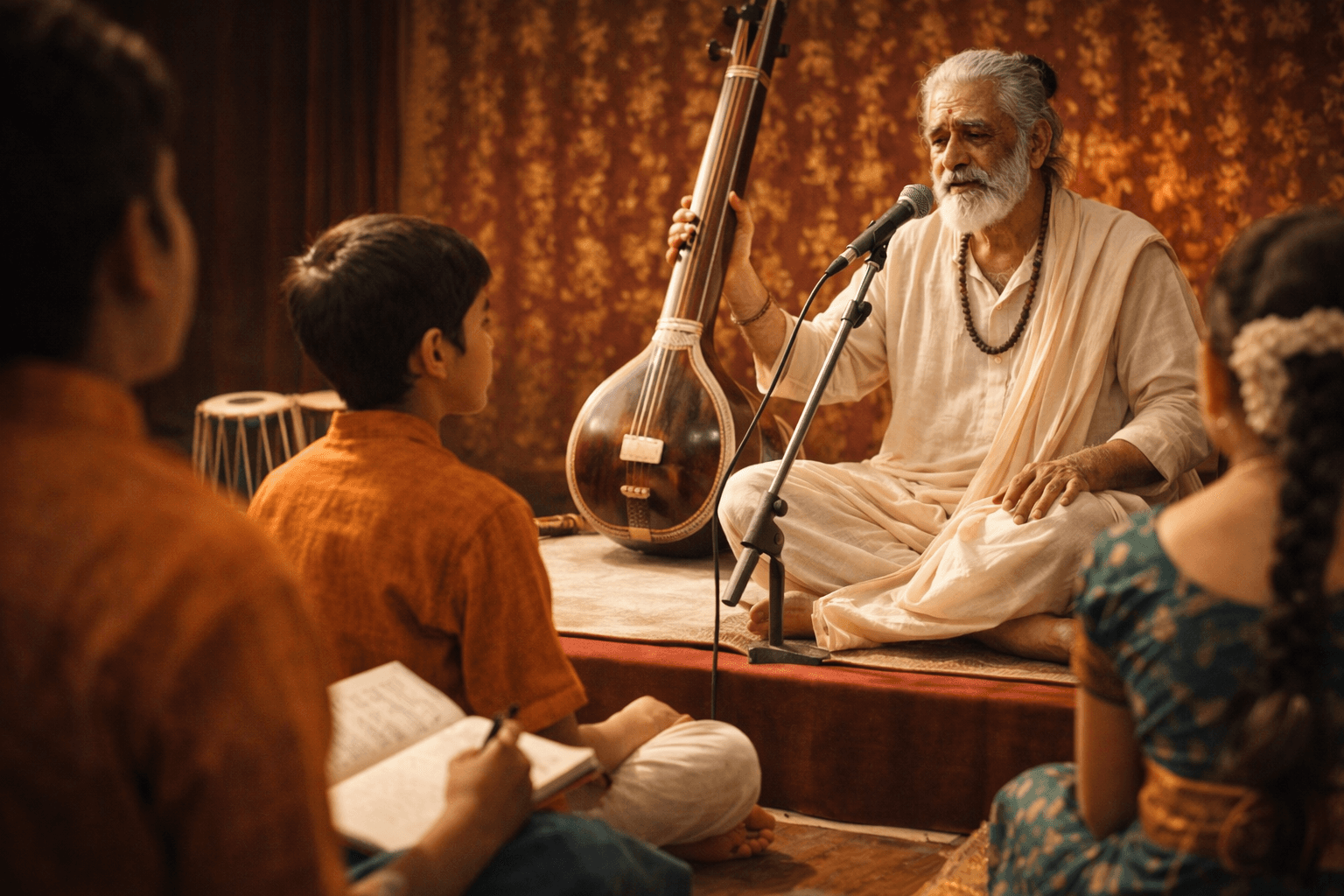 A guru’s expertise is evident through their performance history, mastery of Carnatic music instruments, and ability to convey complex musical concepts simply. For Hindustani music, assess the guru’s knowledge of raga improvisation, shruti microtones, and tala variations. For Carnatic learners, check the teacher’s proficiency in kritis, gamakas, and rhythm intricacies.
Listening to the guru perform live or through recordings helps gauge their musical expressiveness, tonal accuracy, and ability to inspire. A skilled guru demonstrates how to balance technical discipline with emotional storytelling, teaching students how to maintain authenticity in vocal pitch control and musical improvisation.
Understanding Teaching Methodology
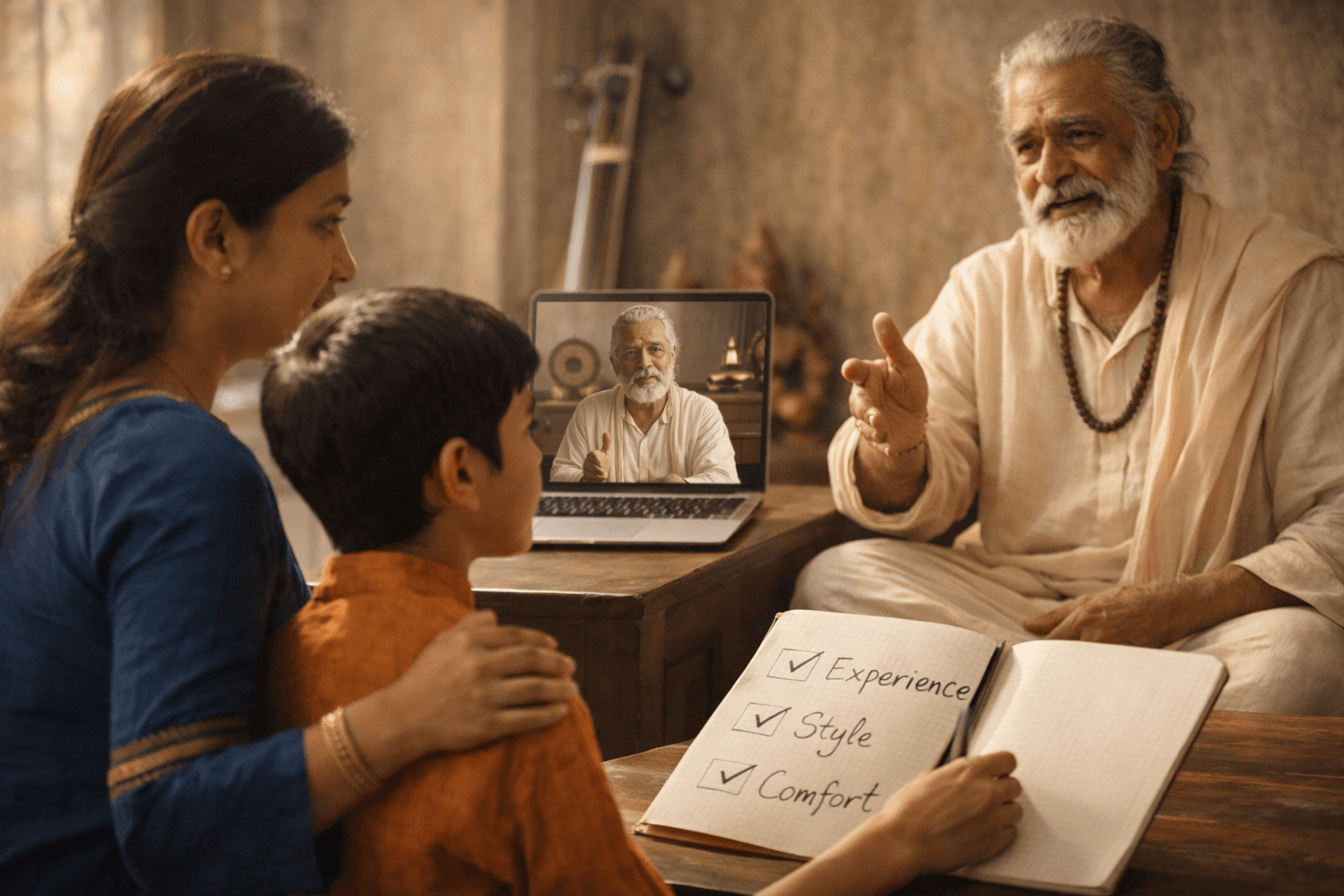 Different gurus employ varying teaching methods. Some focus on intensive daily riyaz sessions, emphasizing consistency and practice discipline. Others integrate theory, storytelling, and contextual understanding, helping students grasp the cultural and historical essence of ragas and compositions.
Structured lessons often include stepwise progression from simple exercises to advanced improvisation. The guru may utilize group singing for children, stage performance preparation, and musical ear development exercises. A combination of practical and theoretical guidance ensures that students can perform confidently, understand the depth of Indian classical music traditions, and develop lifelong musical habits.
Assessing Compatibility with the Student
A positive teacher-student rapport is essential for effective learning. The guru must inspire confidence, encourage exploration, and recognize individual strengths and weaknesses. Children thrive under teachers who balance discipline with motivation, provide constructive feedback, and create a supportive learning environment.
Compatibility extends beyond personality; it also involves aligning the student’s goals with the guru’s expertise. For example, if a child is interested in Carnatic music for kids, the guru should specialize in age-appropriate vocal training, exercises for stage performance, and techniques for creative improvisation. Matching methodology, pace, and musical style ensures an engaging and productive learning experience.
Importance of Cultural and Ethical Guidance
 A guru imparts not only technical skill but also cultural roots for children and ethical understanding of music. They teach students to respect musical lineage, appreciate the historical context of ragas, and maintain classical performance ethics. This guidance is critical in cultivating lifelong appreciation, discipline, and emotional depth in music.
Through storytelling, demonstrations, and listening exercises, students learn why certain ragas are performed in specific contexts, how compositions reflect cultural heritage, and the significance of stage performance for kids. This holistic education ensures that the child’s musical journey is informed by both tradition and creativity.
Leveraging Online Learning with a Guru
Digital platforms have transformed how students access expertise. With online classes, learners can interact with maestros across the globe, attend live sessions, and revisit lessons for reinforcement. Platforms offering online Carnatic vocal classes allow students to receive personalized guidance, track progress, and engage in virtual group exercises.
Even for Hindustani music, online guidance preserves the guru-shishya essence while enabling flexible schedules. Video feedback, live demonstrations, and recorded exercises ensure students can practice raga-based improvisation, gamaka techniques, and rhythm exercises effectively. Modern technology complements traditional mentorship without compromising musical authenticity.
Developing Long-Term Skills and Discipline
The right guru cultivates not just musical ability but also lifelong skills. Daily practice, attentive listening, and adherence to rhythm and pitch instill discipline and focus. Children develop memory, emotional expression, and cognitive benefits of music through consistent training.
In addition, stage exposure and collaborative exercises teach children performance etiquette, confidence, and group coordination. With expert guidance, learners acquire both the technical mastery of ragas and talas and the soft skills necessary for creative expression, ensuring a well-rounded musical foundation.
Choosing Between Hindustani and Carnatic Gurus
 Deciding between Hindustani and Carnatic training requires understanding stylistic differences, goals, and personal preference. Hindustani music offers flexibility, improvisation, and emotive freedom, while Carnatic music emphasizes structured compositions, rhythmic precision, and technical rigor.
The guru’s specialization should align with the student’s interest and learning style. Parents can consider factors like the child’s voice type, aptitude for rhythm, interest in vocal vs. instrumental music, and ability to grasp improvisation. Exposure to both styles through selective lessons helps students appreciate the diversity of Indian classical music traditions.
Table – Key Differences Between Hindustani and Carnatic Gurus
Aspect Hindustani Guru Carnatic Guru Focus Improvisation & alaaps Structured compositions & kritis Rhythm Flexible Strict tala adherence Vocal Techniques Microtones & gamakas Gamakas & ornamentation Learning Style Listening & imitation Exercises & theory integration Stage Training Emphasis on expressiveness Emphasis on accuracy & precision Cultural Context North Indian musical heritage South Indian musical heritage
This table provides a clear overview of the different approaches and emphasizes why selecting the right guru is critical to achieving long-term musical goals.
Benefits of Choosing the Right Guru
Learning under the right mentor leads to:
- Improved cognitive skills through regular riyaz.
- Enhanced musical improvisation training and creative expression.
- Mastery of ragas, talas, and cultural context.
- Development of stage confidence and performance etiquette.
- Lifelong appreciation of Indian classical music traditions.
The guidance of an experienced guru ensures that learning is not only effective but also deeply enriching for children and beginners.
FAQs
1. How do I know if a guru is suitable for my child?
Observe their teaching style, patience, and ability to provide structured guidance. A good guru adapts to the child’s learning pace and nurtures creativity.
2. Can online lessons replace in-person training?
Online lessons are effective with interactive tools, video feedback, and structured exercises, though live interaction offers unique mentorship benefits.
3. Should beginners start with Hindustani or Carnatic music?
It depends on goals, style preference, and voice type. Beginners can explore both to find alignment with their interest.
4. How important is cultural guidance from a guru?
Cultural instruction instills respect, authenticity, and understanding of historical and performance contexts, enhancing the learning experience.
5. What age is ideal to start training under a guru?
Children as young as five can begin with age-appropriate exercises focusing on voice control, rhythm, and listening skills.