ChatGPT
 Google AI
 Grok
Grok Claude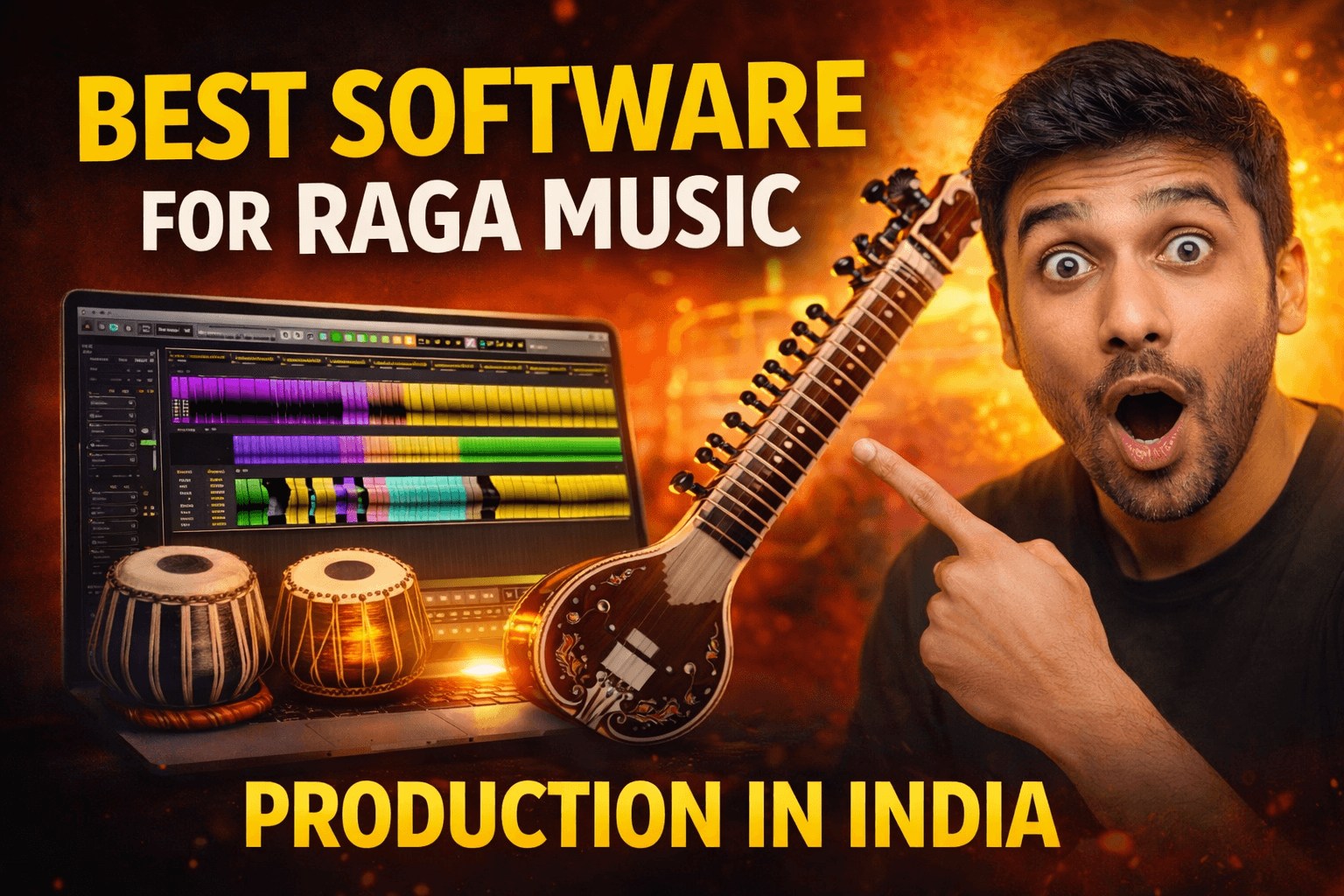
Indian classical music has evolved significantly with modern technology, and raga music production is no longer limited to traditional instruments. Today, software tools allow artists, students, and producers to create authentic Hindustani and Carnatic styles digitally while maintaining the emotional depth of the ragas. With the rise of digital audio workstations and pitch correction software, musicians can experiment with rhythm, melody, and tonal textures, making raga music accessible even to beginners or online learners.
Raga-based software supports microtonal variations in ragas, preserves shruti microtones, and helps maintain the authenticity in digital music. From studio recording enhancements to live performance preparation, selecting the right software is crucial for both traditionalists and modern fusion artists.
Key Features to Look for in Raga Music Software
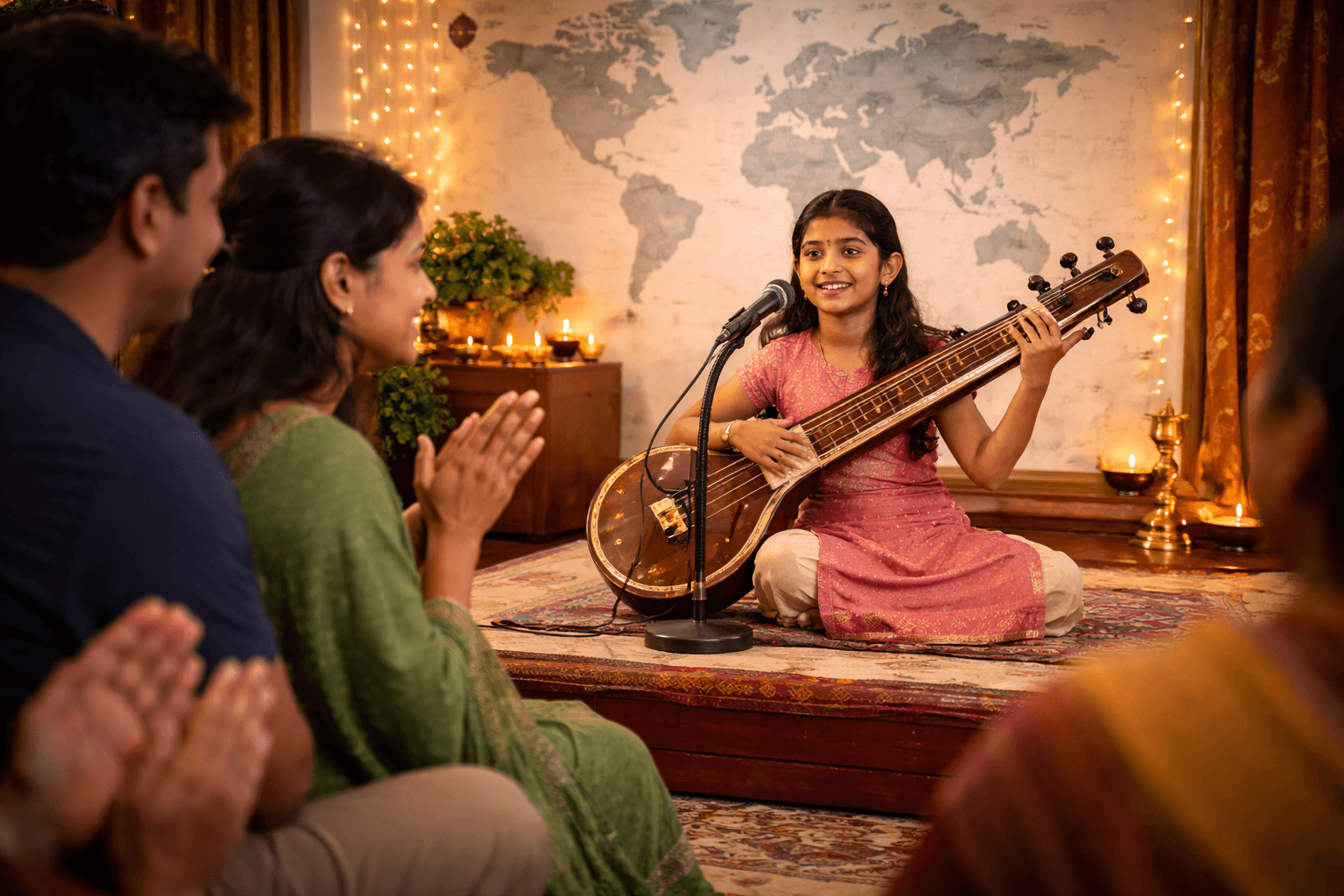 The first step in choosing the best software for raga music production in India is understanding the essential features. Quality software should support tuning flexibility, allowing artists to maintain the subtle oscillations, or meend and andolan techniques, inherent to Indian classical music. It should allow seamless raga-based improvisation, enabling performers to explore the unique identity of each raga.
Integration with digital audio workstations and MIDI controllers enhances workflow efficiency. Artists can adjust retune speed settings, layer tracks, and apply studio recording enhancements without compromising acoustic authenticity. Additionally, advanced tools may include AI-generated vocals in music, offering reference samples while keeping emotional nuance intact.
Popular Software for Raga Music Production
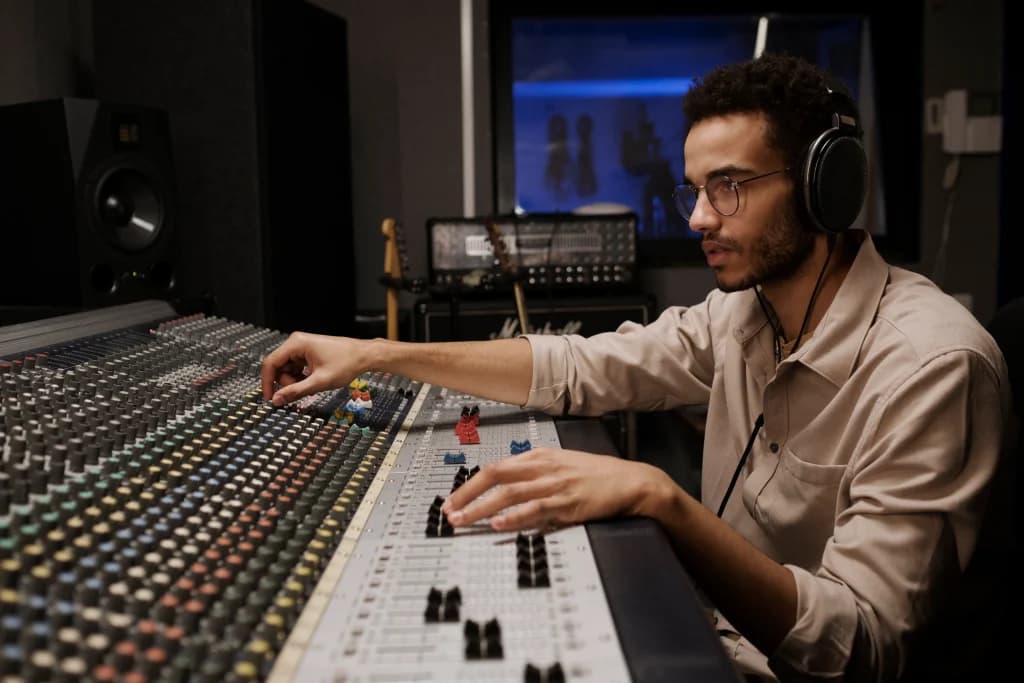 Several software options are popular among Indian classical musicians and music producers:
Software Key Features Ideal For Ableton Live Live looping, MIDI support, automation Fusion and live performance Logic Pro X Advanced mixing, audio effects, instrument library Studio production FL Studio Sequencing, customizable instruments, pitch correction Beginners to advanced Cubase Audio and MIDI editing, vocal harmonization Raga composition and recording Reason Synthesizers, drum programming, sampler tools Experimental fusion music
Each software has unique capabilities that allow for precise control over voice modulation technology and sound engineering adjustments. Choosing depends on whether the artist focuses on classical performance ethics, digital experimentation, or online teaching contexts.
Integrating Traditional Elements in Digital Production
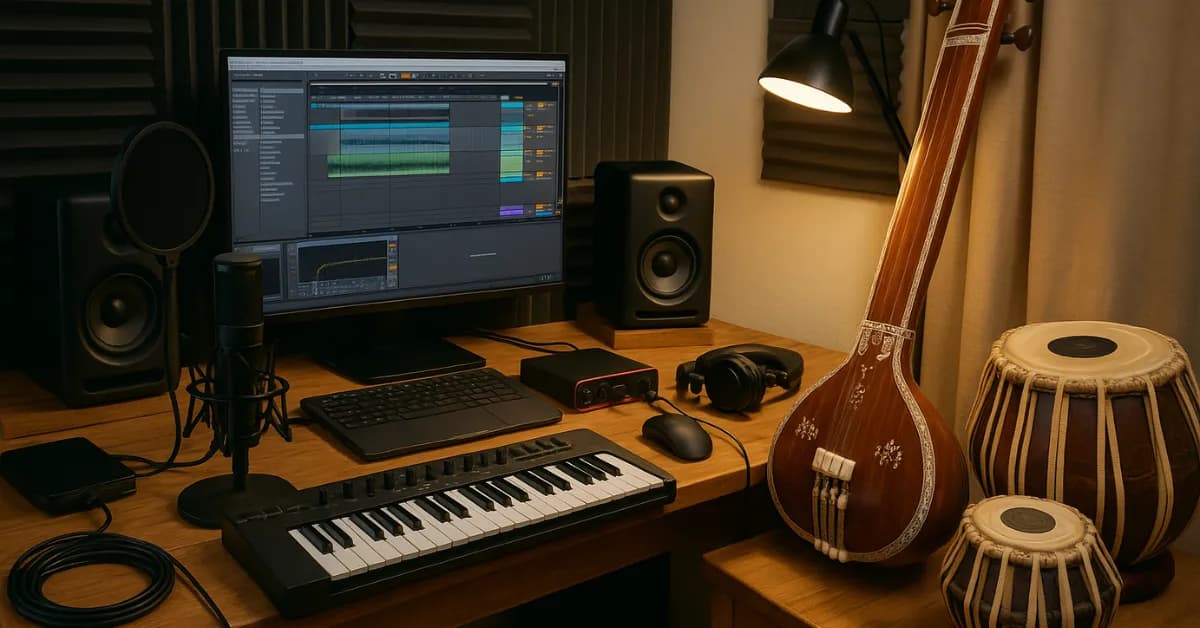 Authenticity is critical in raga music production. The software must support shruti microtones and allow for musical improvisation training. Musicians can import recordings of tanpura drone tuning to maintain tonal consistency and practice vocal pitch control. This helps preserve the natural warmth and emotional depth of Indian classical vocals.
Many software tools provide virtual instruments, but they cannot replicate human nuance perfectly. Using software alongside live vs. studio vocal performance ensures that emotional expression in singing remains intact. Integration with traditional instruments, even digitally, helps retain raga identity while offering flexibility for experimentation.
Software Recommendations for Hindustani Music Production
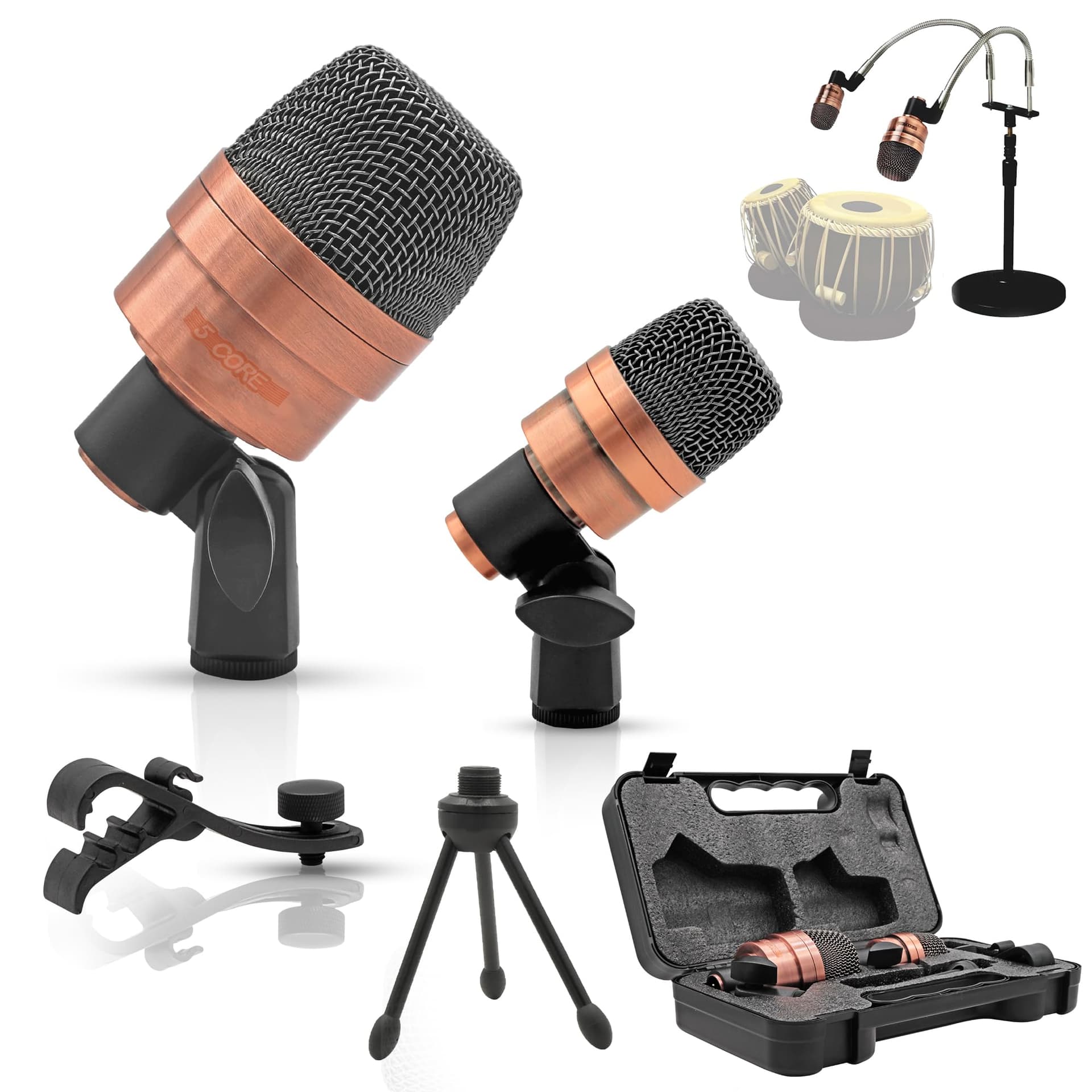 For Hindustani classical music, software that emphasizes melody and improvisation is preferred. **Logic Pro X **and Cubase provide high-resolution editing, allowing for subtle adjustments to microtones. These platforms support algorithmic tuning for precise pitch correction while maintaining musical imperfection value, which is essential for expressing bhava (emotion).
Additionally, AI-assisted vocal analysis can guide artists in detecting pitch variations and improving intonation. Musicians can use these tools for online collaborations, tutorials, or recordings. Platforms like online Hindustani music classes often integrate these tools to help students learn classical vocal nuances digitally.
Software Recommendations for Carnatic Music Production
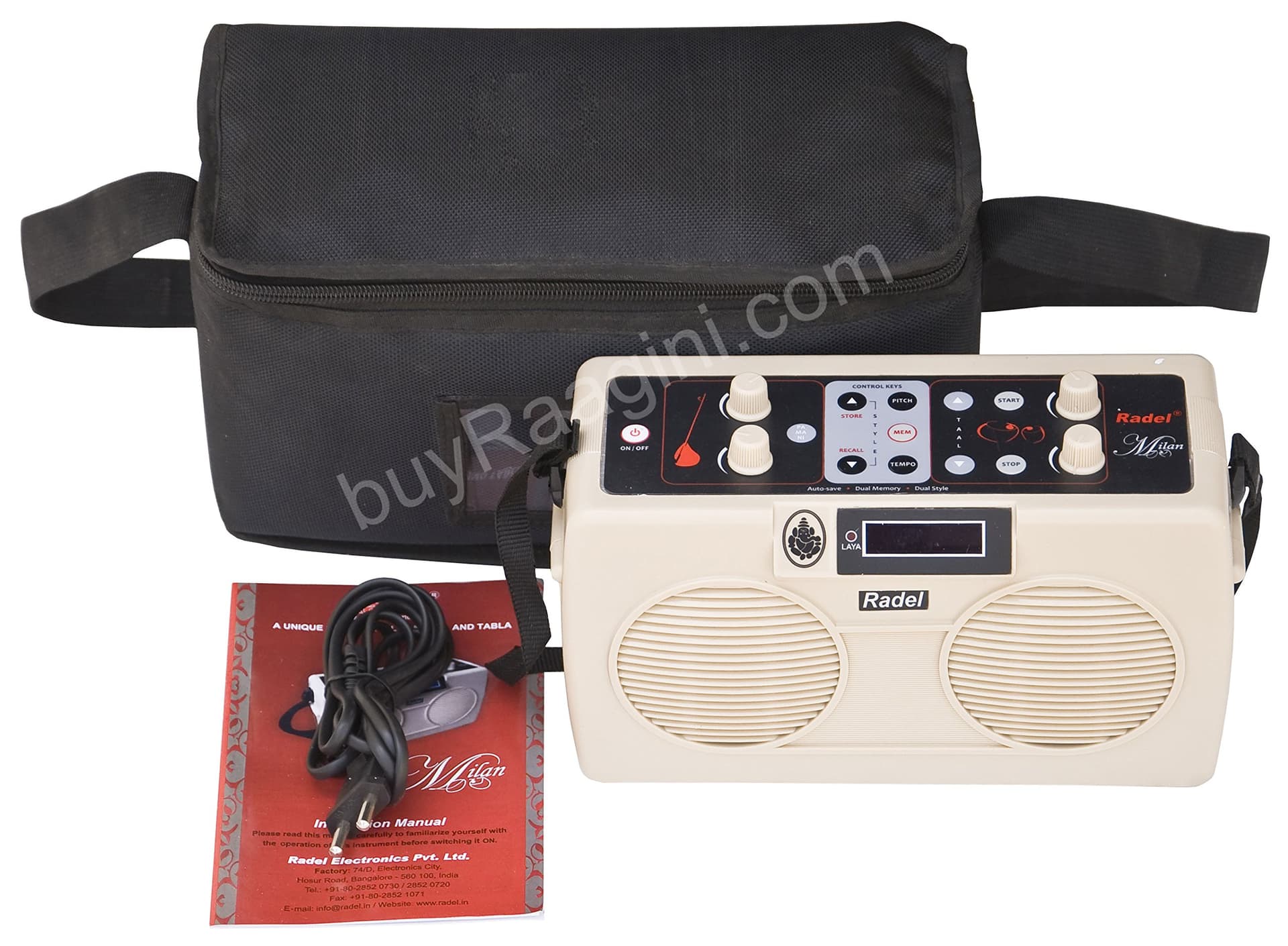 Carnatic music has a structured approach with intricate ragas and talas learning. Software like FL Studio and Reason provides extensive libraries of Carnatic instruments, enabling accurate studio recording enhancements. These platforms allow artists to simulate mridangam, veena, and violin accompaniments digitally while maintaining rhythmic fidelity.
Recording features allow multiple takes, which is ideal for students following structured music lessons for kids or adults learning online. With vocal emotion analysis, software can highlight pitch inconsistencies, supporting teachers in providing precise guidance. This ensures that classical vocal training methods are preserved even in digital setups.
Benefits of Using Software in Raga Production
Using software for raga production provides multiple advantages:
- Precision and Accuracy: Microtone control and pitch correction tools allow detailed refinement.
- Flexibility: Artists can record anywhere without needing a live ensemble.
- Experimentation: Fusion music production techniques become easier to explore.
- Educational Support: Online music learning platforms can integrate software for interactive lessons.
- Consistency: Keeps tonal and rhythmic accuracy, especially in multi-track projects.
These benefits ensure that students and professional musicians can maintain cultural roots for children and authenticity in digital music simultaneously.
Integrating Software with Traditional Instruments
Software does not replace traditional instruments but complements them. By using online tabla classes, musicians can integrate digital percussion into raga tracks while respecting rhythmic cycles. Similarly, online flute classes or online violin classes provide natural tonal layers alongside digital tracks.
The combination of **live vs. studio vocal performance and digital instruments offers a hybrid approach that preserves classical performance ethics while embracing modern workflow. Musicians can create recordings that are suitable for online distribution, educational platforms, or fusion projects.
Tips for Effective Raga Music Production
- Start with a clear raga framework: Define scale, notes, and tempo before recording.
- Maintain microtonal integrity: Avoid over-reliance on pitch correction software to preserve the essence of sur.
- Use virtual instruments selectively: Combine them with recordings of authentic instruments to retain emotional depth.
- Focus on rhythmic accuracy: Utilize software metronomes but respect natural tala cycles.
- Integrate improvisation carefully: Leave room for expressive meends, gamakas, and microtonal variations.
These tips ensure that music created digitally aligns with Indian classical music traditions and supports professional or student learning goals.
Case Study – Fusion Projects with Digital Tools
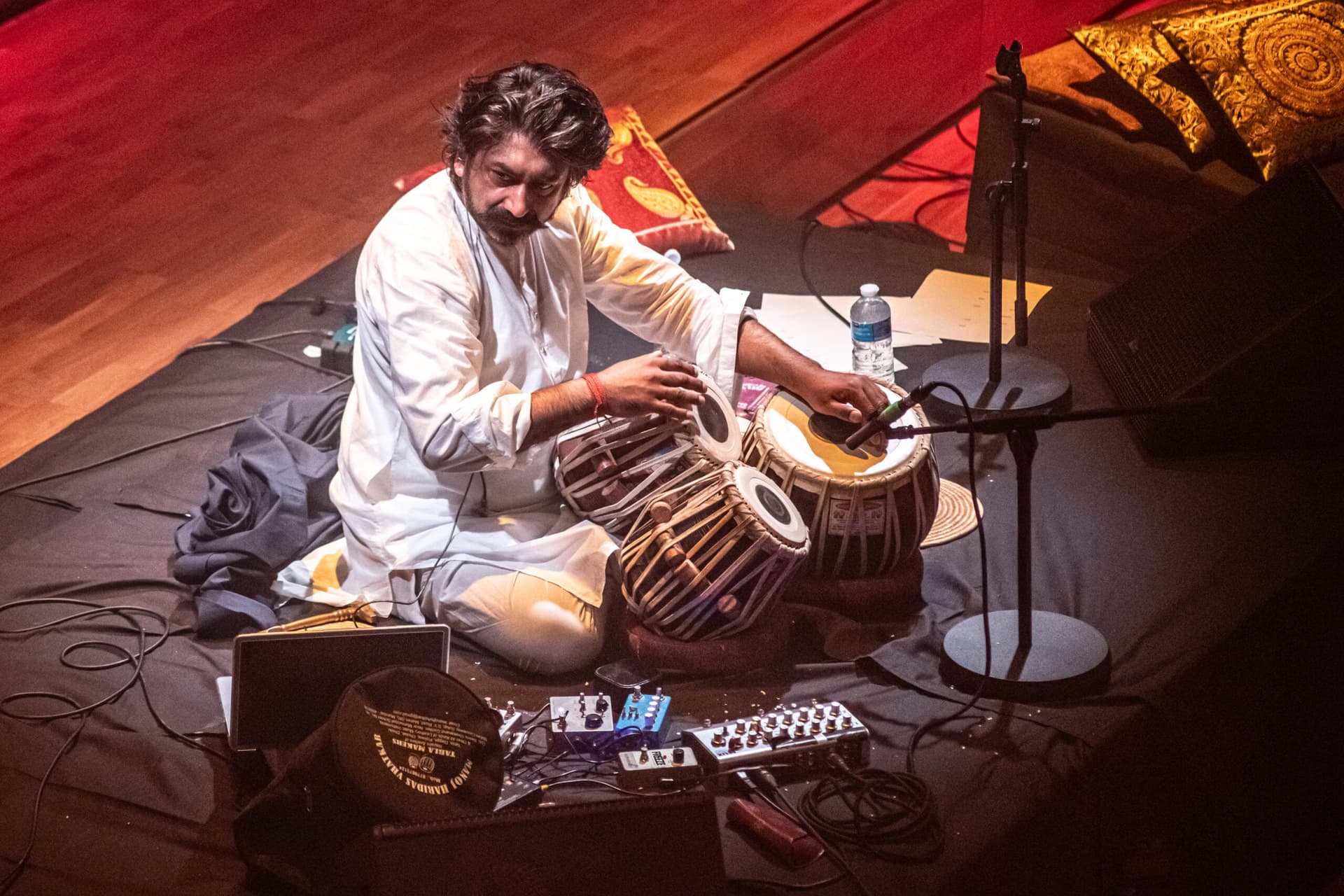 Fusion music has grown popular in India, blending Hindustani or Carnatic styles with contemporary genres. Using software like FL Studio or Ableton Live, artists combine live vocals, traditional instruments, and digital effects.
For example, a fusion track may feature a live tabla recording layered with digital violin samples. Retune speed settings ensure pitch consistency without removing expressive variations. Sound engineering adjustments allow subtle voice modulation technology that harmonizes classical vocals with electronic beats. This approach demonstrates the long-term benefits of music education by making classical music accessible to younger audiences.
Considerations for Online Music Learning Platforms
 Online learning platforms are revolutionizing classical music education. They provide interactive tutorials and digital tools for creating raga tracks. Students can practice alongside software, developing musical ear development, vocal pitch control, and breathing techniques for singing.
Platforms offering online guitar classes or online piano keyboard classes allow students to integrate melody lines and accompaniments with raga production software. Combining vocal practice for kids with software-supported recording enhances learning efficiency and creates high-quality outputs for performances or personal projects.
Table – Comparison of Digital Software for Raga Music
Software Pros Cons Ableton Live Ideal for live looping, MIDI support Steeper learning curve Logic Pro X Professional mixing, extensive instruments Mac-only FL Studio Beginner-friendly, sequencing tools Limited real-time collaboration Cubase Strong editing, vocal harmonization Expensive for beginners Reason Creative synths, sampler options Limited third-party plugin support
This comparison helps beginners and professionals choose software based on music production workflow, technical skills, and project goals.
The Future of Raga Music Production
AI-driven tools and enhanced software are shaping the future of raga music. AI voice synthesis can create reference tracks for practice, allowing students to understand classical vocal nuances without replacing human emotion.
As technology evolves, producers and educators must balance studio recording enhancements with traditional aesthetics. Integrating software into fusion music production techniques ensures that Indian classical music continues to thrive while adapting to digital trends.
FAQs
1. Which software is best for beginners in raga music production?
FL Studio or Ableton Live are user-friendly for beginners while supporting essential features like pitch correction and MIDI sequencing.
2. Can software replace traditional instrument practice?
No. Software complements live instruments but cannot replicate microtones and emotional expression fully.
3. How does digital production maintain raga authenticity?
By carefully preserving shruti microtones, using tanpura drone tuning, and limiting over-correction of vocal nuances.
4. Are AI-generated vocals useful for learning ragas?
Yes, as a reference for pitch and timing, but they cannot replicate emotional expression in singing.
5. Can students integrate online instrument classes with raga software?
Absolutely. Platforms like online tabla classes or online violin classes complement software-based practice effectively.
6. Does using software affect the cultural essence of Indian classical music?
When used responsibly, software enhances learning and production without compromising Indian classical music traditions.