ChatGPT
 Google AI
 Grok
Grok Claude
Choosing the right intermediate piano pieces changes everything in your piano learning journey. At this stage, you are transitioning from beginner to intermediate piano playing. Your fingers know the keys, but real control still feels just out of reach. The correct repertoire helps you grow faster, build confidence, and enjoy expressive piano playing without frustration.
Many learners rush into advanced works too soon. Others stay stuck playing easy tunes for years. The goal is balance. Well-chosen intermediate piano songs improve hand coordination on piano, refine finger independence piano skills, and strengthen musical expression. When the music fits your level, progress feels natural and motivating.
What Defines an Intermediate Piano Level?
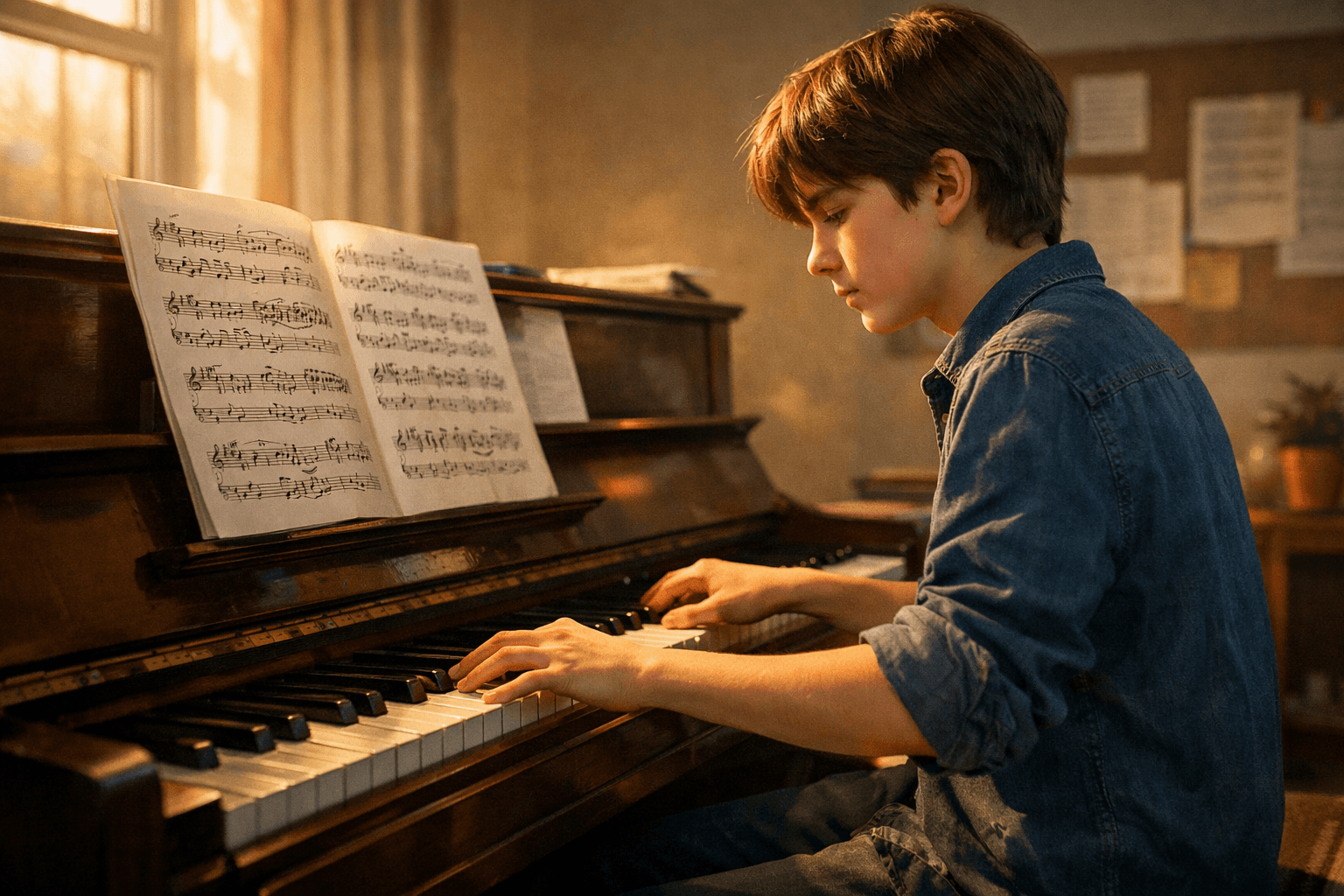 Intermediate level piano music sits between basic familiarity and advanced mastery. You can read music comfortably, yet complex rhythms and hand positions still require focus. At this stage, piano skill levels explained clearly matter more than exam grades alone. Skill shows through control, accuracy, and musical awareness.
In the UK, learners often associate intermediate piano repertoire with ABRSM Grades 4 to 6. However, true intermediate ability reflects how confidently you manage dynamics, articulation, and coordination. Learning intermediate piano means understanding sound, not just playing notes.
Musical and Technical Traits of Intermediate Piano Music
Intermediate piano pieces demand playing piano with both hands independently across wider ranges. The left hand no longer supports only simple chords. Instead, it moves actively with patterns and counter-melodies. This builds hand coordination on piano and rhythmic accuracy on piano.
Dynamics become central. Piano dynamics and expression shape phrases, not decoration. Piano pedaling techniques also appear more often. You learn when to blend sounds and when to keep lines clean. Musical phrasing and articulation define mature intermediate level piano music.
Piano Skill Levels Explained
Understanding progression helps you choose piano pieces for developing pianists wisely. Each level builds on the last, shaping technique and confidence.
Early-Stage Pianists
Early players focus on finger independence piano exercises and simple hand movement. Rhythms stay steady and keys remain familiar. This stage builds comfort and basic control.
Developing Intermediate Pianists
Developing players handle piano scales and arpeggios with confidence. Dynamic control in piano playing improves. Pieces demand expressive shaping and coordination across both hands.
Advanced and Performance-Ready Pianists
Advanced pianists manage complex harmonies and faster tempos. Articulation becomes refined through staccato and legato techniques. Interpretation guides every decision at this stage.
Core Techniques You Need Before Playing Intermediate Songs
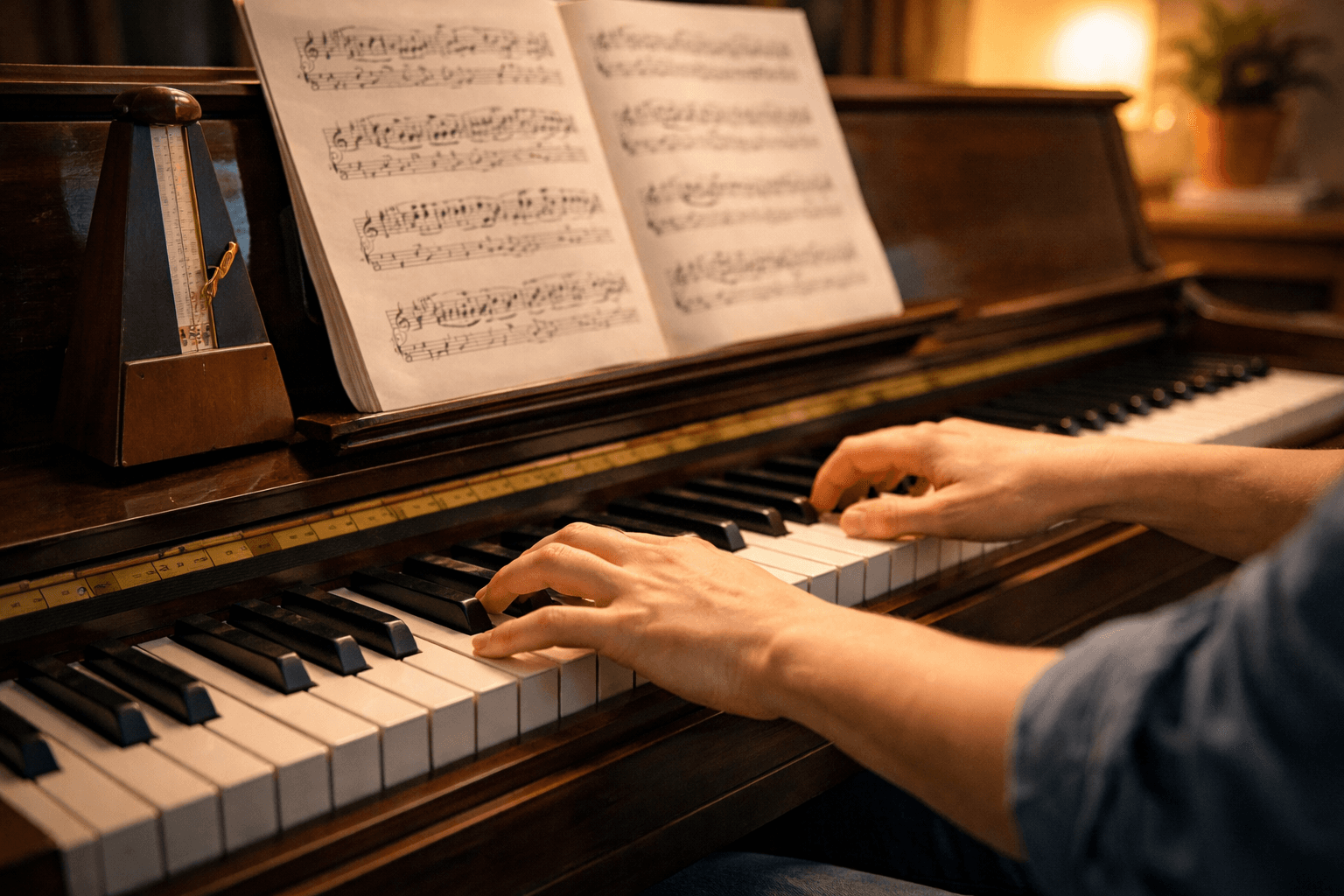 Strong piano technique development supports mastering intermediate piano songs. Finger strength grows through controlled motion, not force. Piano finger exercises train accuracy and reduce tension. Every movement must feel relaxed and intentional.
Sight-reading piano music becomes essential. You cannot stop to decode every note. Basic theory also matters. Understanding harmony and structure helps you learn challenging piano music faster and with fewer mistakes.
Core Skill Area Why It Matters for Intermediate Piano Finger control Supports clean passages and even tone Hand independence Enables layered textures and rhythm Sight-reading Speeds up learning new pieces Theory basics Improves memory and interpretation
Where to Discover Quality Intermediate Piano Music
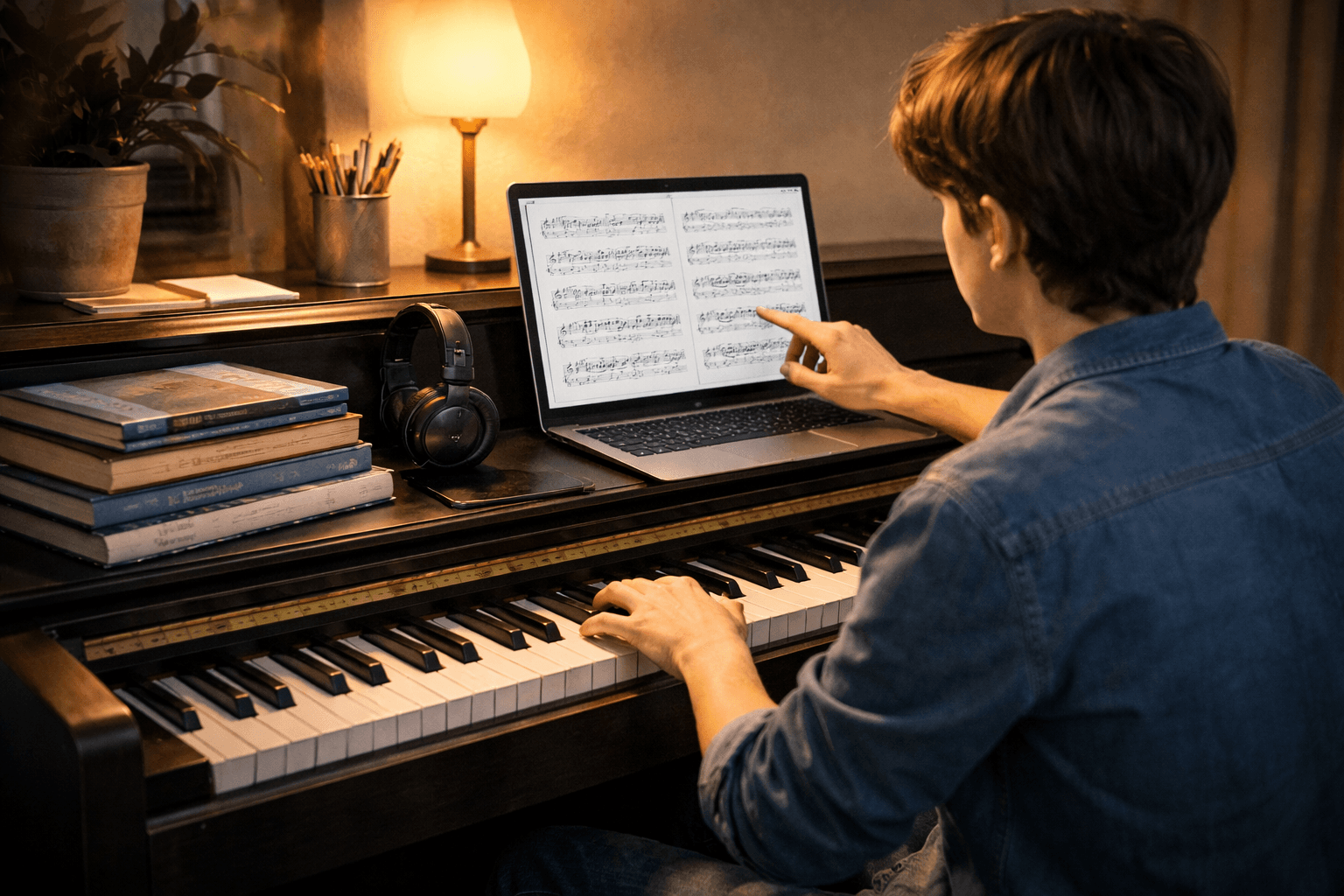 Finding reliable sources saves time and prevents frustration. High-quality intermediate piano pieces support piano music for skill progression and long-term growth.
Printed and Digital Sheet Music Collections
Graded books remain popular for piano songs for intermediate players. They offer structured growth and trusted progression. Digital collections add convenience and variety. Many include audio support and tempo guides.
Piano Learning Platforms and Practice Tools
Online platforms support learning intermediate piano through guided lessons. Interactive tools help with metronome practice piano routines and accuracy tracking. These tools reduce practice plateaus by adding structure.
Guidance from Professional Piano Mentors
Teachers offer personalised advice. They recommend best piano pieces for intermediate level based on strengths. This prevents technical overload and supports steady improvement.
How to Choose Pieces That Suit Your Ability and Style
Tempo matters more than difficulty labels. Choose pieces where rhythm feels manageable. Style also matters. Enjoyment improves consistency and confidence. Progress slowly and challenge yourself with purpose.
Popular Intermediate Piano Songs Across Genres
 Exploring genres keeps motivation high. Intermediate piano songs across styles improve versatility and expression.
Essential Classical Piano Works
Classical music strengthens control and musical depth. Romantic and Baroque works develop phrasing and articulation. These pieces shape expressive piano playing skills.
Contemporary and Modern Piano Pieces
Modern music uses repetitive patterns and chord progressions. This supports rhythmic stability and dynamic balance. Many learners find these styles emotionally rewarding.
Jazz and Blues for Intermediate Players
Jazz introduces swing and syncopation. Blues develops improvisation basics. These styles improve rhythmic feel and musical flexibility.
Piano Music from Movies and Popular Culture
Film music connects emotion and technique. Familiar melodies build confidence and performance skills. These pieces often balance challenge and enjoyment.
Common Struggles Intermediate Pianists Face (and How to Fix Them)
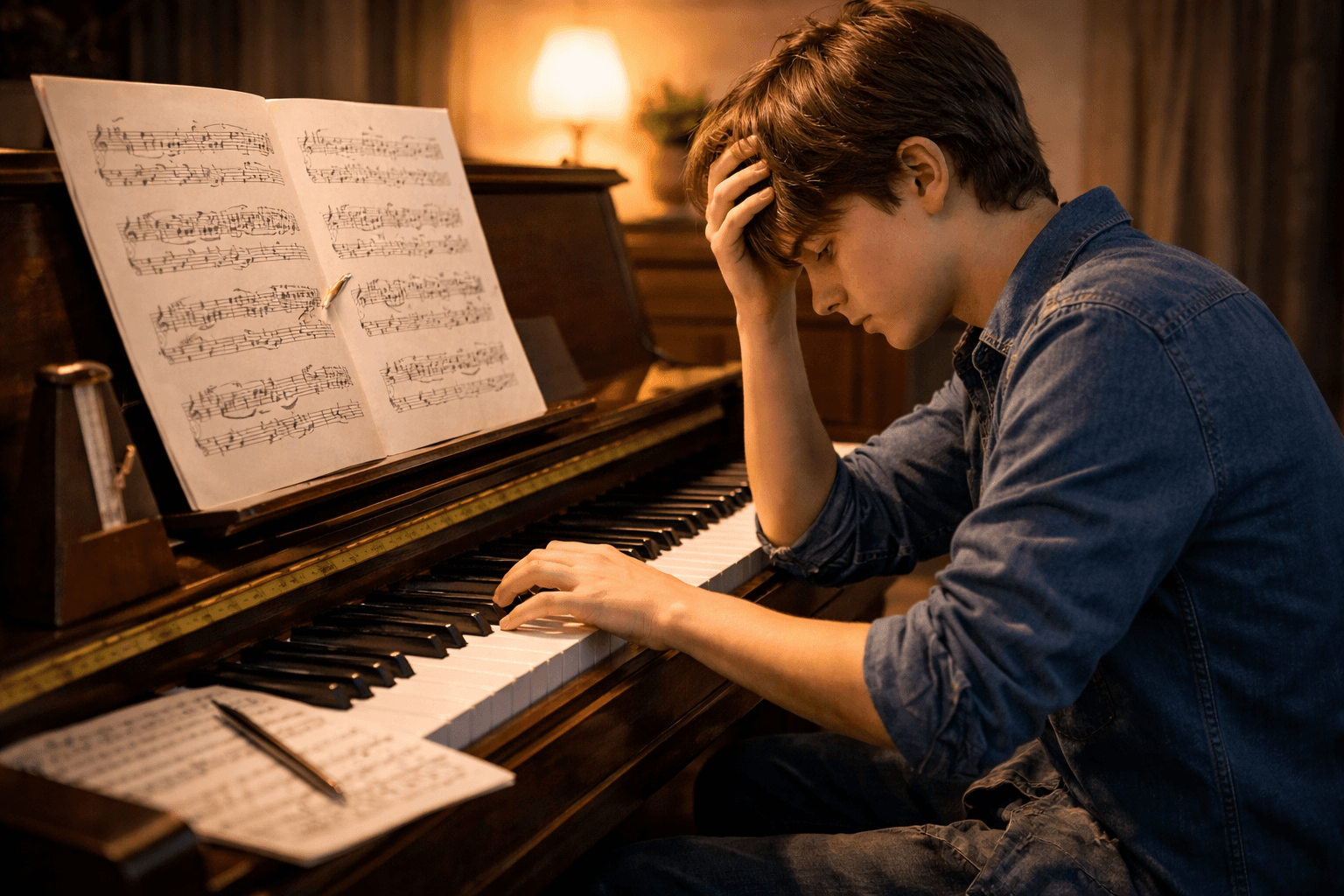 Intermediate players often feel stuck. Progress slows and frustration grows. Understanding solutions helps overcome piano practice plateaus.
Tackling Technical Roadblocks
Slow practice works best. Practicing difficult piano passages separately builds control. Use a metronome to maintain rhythmic accuracy on piano.
Building Confidence for Performances
Confidence grows through repetition and routine. Mental preparation reduces anxiety. Playing regularly for others builds piano performance skills.
Managing Practice Time Effectively
Consistency matters more than duration. Short focused sessions improve results. Clear goals guide productive piano practice routines.
Practice Focus Result Slow tempo work Cleaner accuracy Section practice Faster learning Goal setting Better motivation
Learning Piano with Expert Guidance at Art Gharana
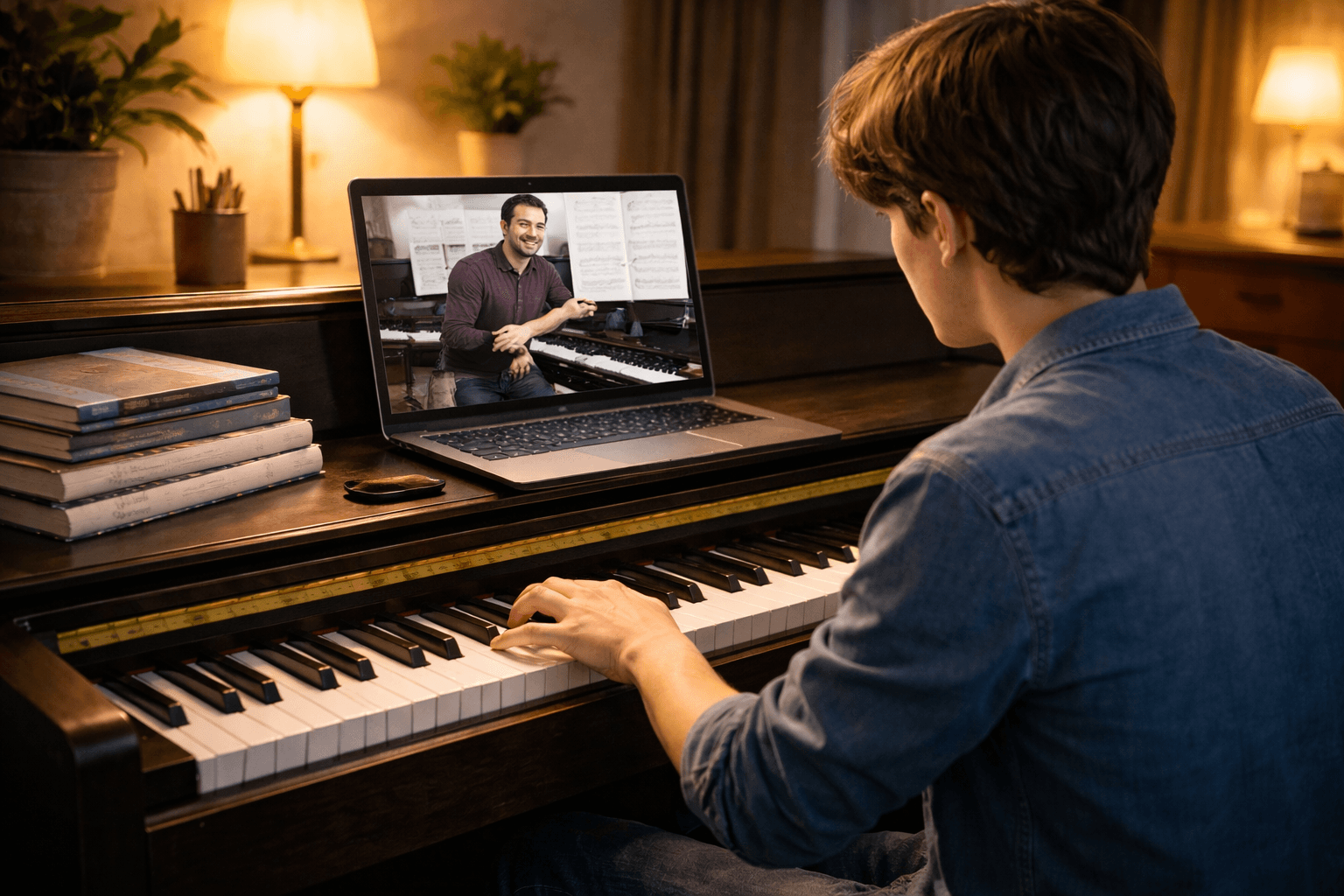 Art Gharana supports learning intermediate piano through structured lessons. The curriculum focuses on technique, expression, and repertoire balance. One-on-one mentorship accelerates piano technique development.
Flexible online classes suit busy schedules. Learners receive guidance on intermediate piano repertoire and long-term progression. Support remains personalised and consistent.
Start Your Journey Toward Confident Intermediate Piano Playing
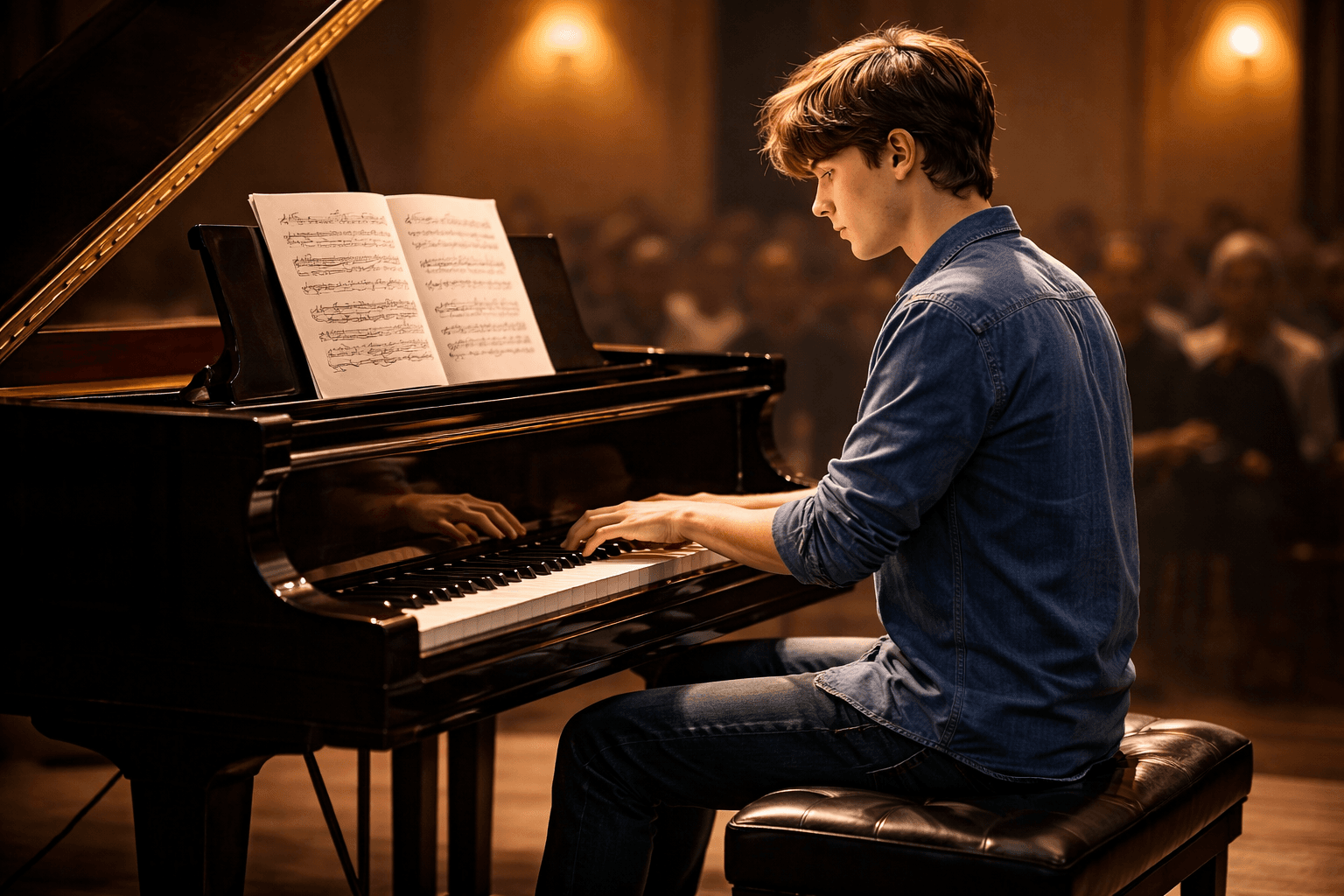 Progress happens through patience and smart choices. Intermediate piano pieces should challenge yet inspire. Each step strengthens confidence and skill.
Your piano learning journey deserves clarity and joy. Choose music that supports growth. Stay curious. Keep playing.
FAQs
1. What qualifies as an intermediate piano song?
An intermediate piano song includes more complex rhythms, hand coordination, and expressive techniques beyond basic melodies.
2. How long does it take to reach the intermediate piano level?
Most learners reach the intermediate level after 1.5–3 years of consistent and focused practice.
3. How many hours should an intermediate pianist practice daily?
Practicing 45–90 minutes daily with structured goals is ideal for steady improvement.
4. Can I learn intermediate piano songs without a teacher?
Yes, but guided instruction accelerates progress and helps avoid technical mistakes.
5. Which piano genres are best for intermediate learners?
Classical, jazz, film music, and contemporary pieces are excellent for developing technique and musical expression.