ChatGPT
 Google AI
 Grok
Grok Claude
Introduction
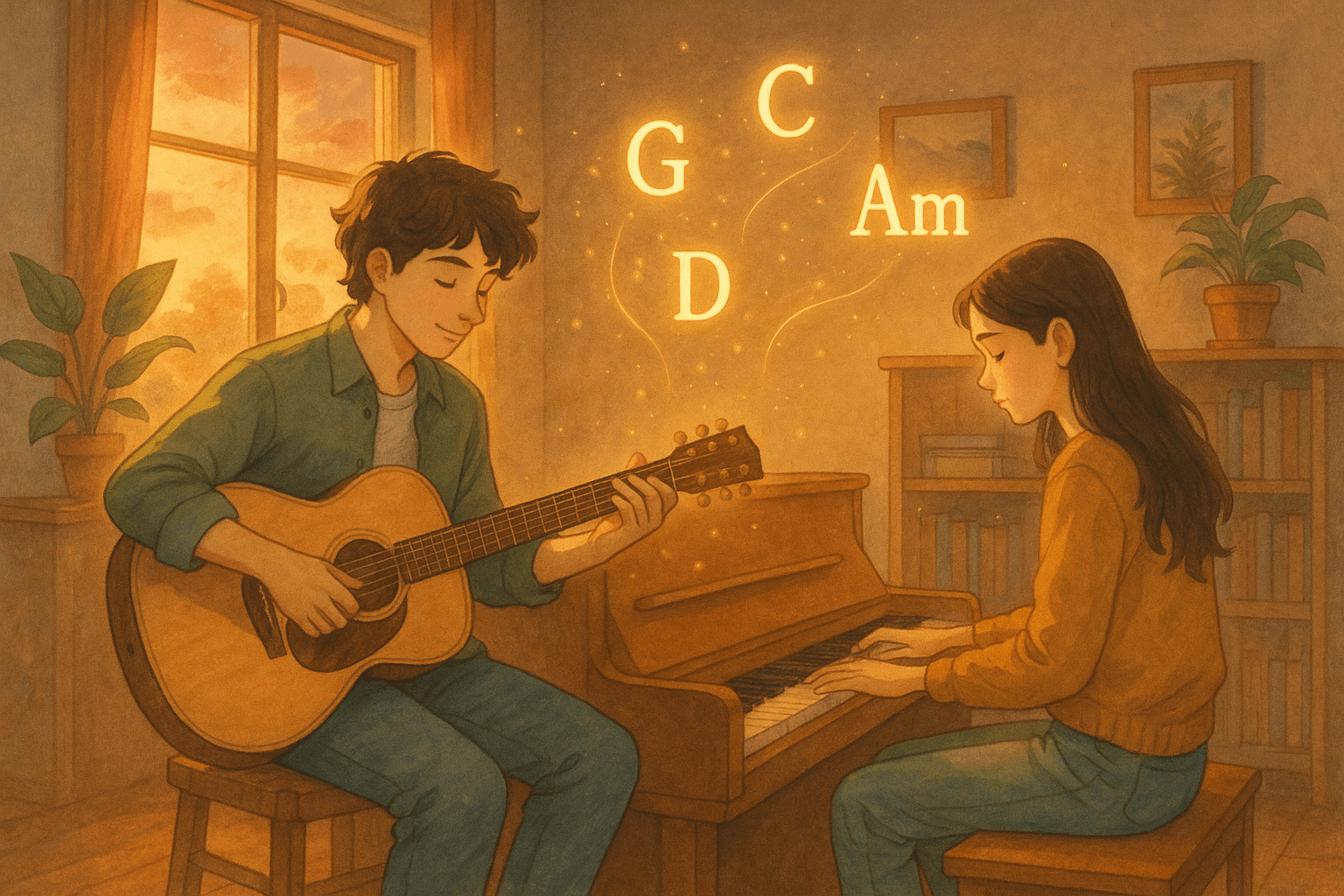
Learning music doesn't have to be complicated. When you're just starting out, mastering a few simple chords can unlock dozens of popular songs. Whether you're picking up a guitar or sitting at a piano, three-chord songs are your gateway to playing the music you love.
This guide covers the best easy 3-chord songs for beginners, breaking down classic hits that use minimal chords but create maximum impact. You'll discover how three simple chords form the foundation of countless beloved tracks across multiple genres.
Why 3-Chord Songs Are Perfect for Beginners
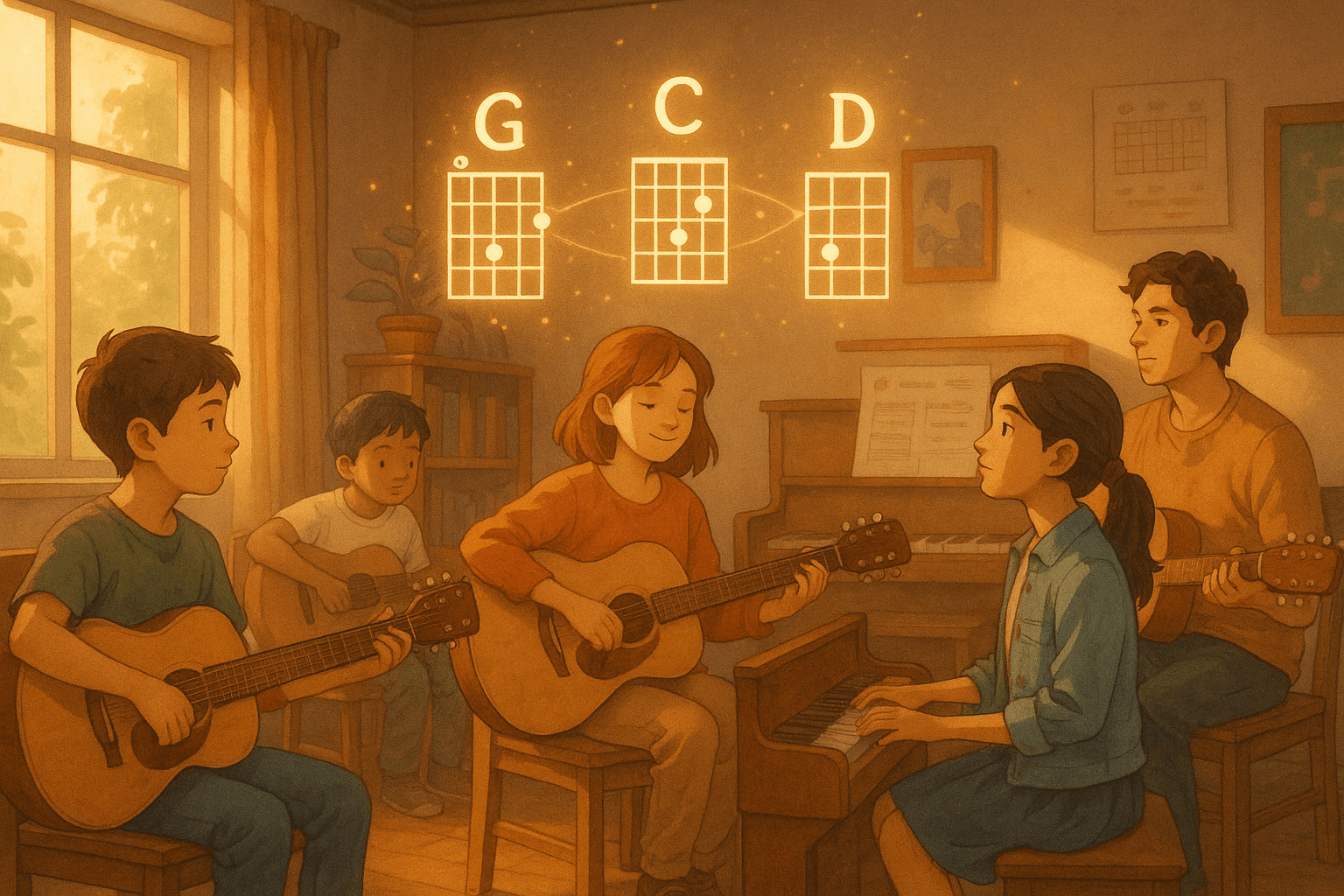
Three-chord songs offer the perfect starting point for new musicians. Here's why they work so well:
- Simple chord progressions: Most use basic major and minor chords that are easy to learn
- Muscle memory development: Repetition helps your fingers remember chord shapes
- Quick wins: You'll be playing recognizable songs within hours, not months
- Genre variety: From rock to country to pop, three-chord songs span every style
- Foundation building: These songs teach timing, rhythm, and transitions
Essential Chords to Learn First
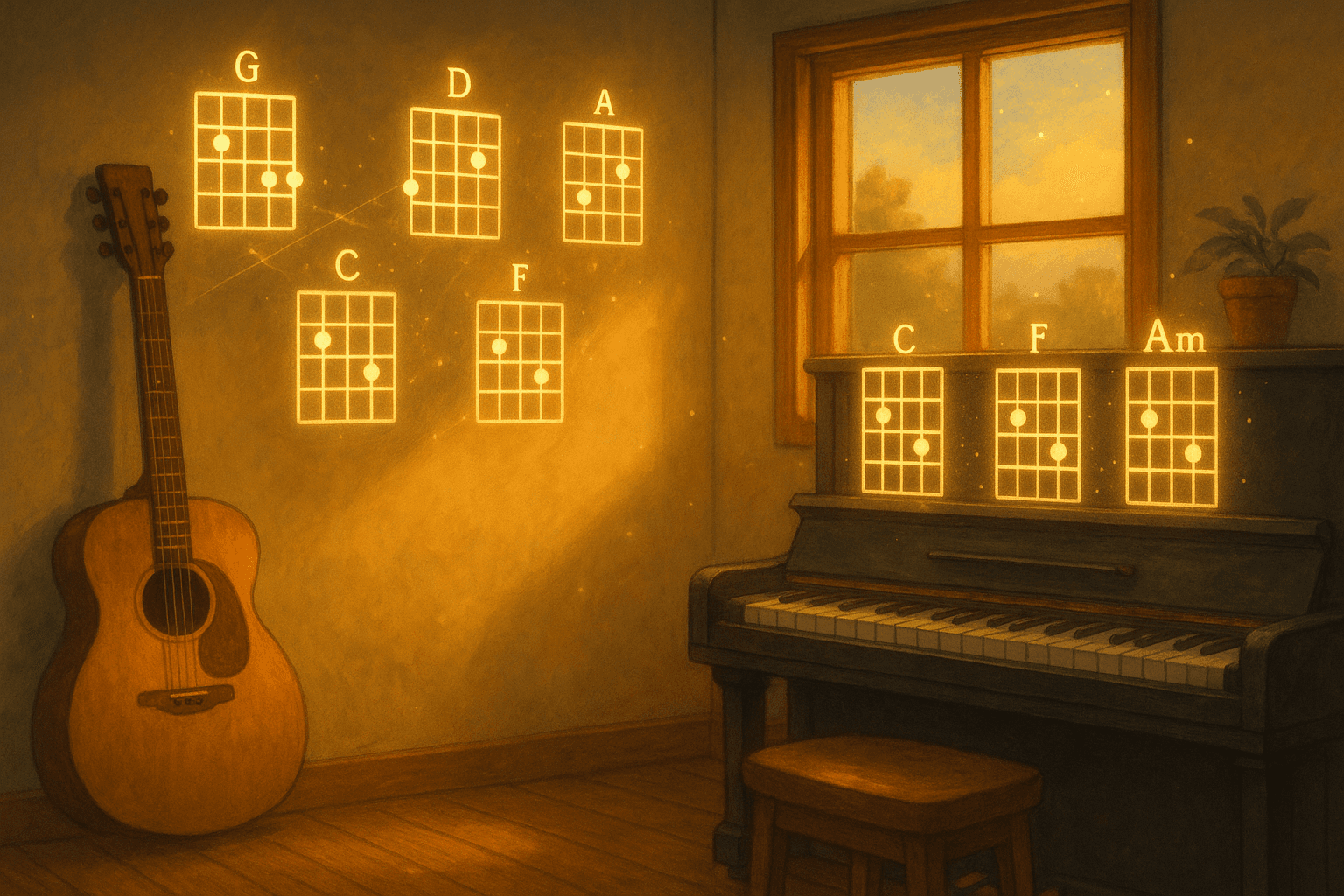
Before diving into specific songs, familiarize yourself with these foundational chords:
For Guitar:
- G major: One of the most common open chords
- C major: Essential for countless progressions
- D major: Pairs perfectly with G and C
- A major: Great for rock and country songs
- E major: Another rock staple
- Am (A minor): Adds emotional depth
For Piano:
- C major: The simplest piano chord (C-E-G)
- F major: Common in many progressions (F-A-C)
- G major: Completes the I-IV-V progression (G-B-D)
- Am (A minor): Adds variety (A-C-E)
Classic 3-Chord Songs for Guitar
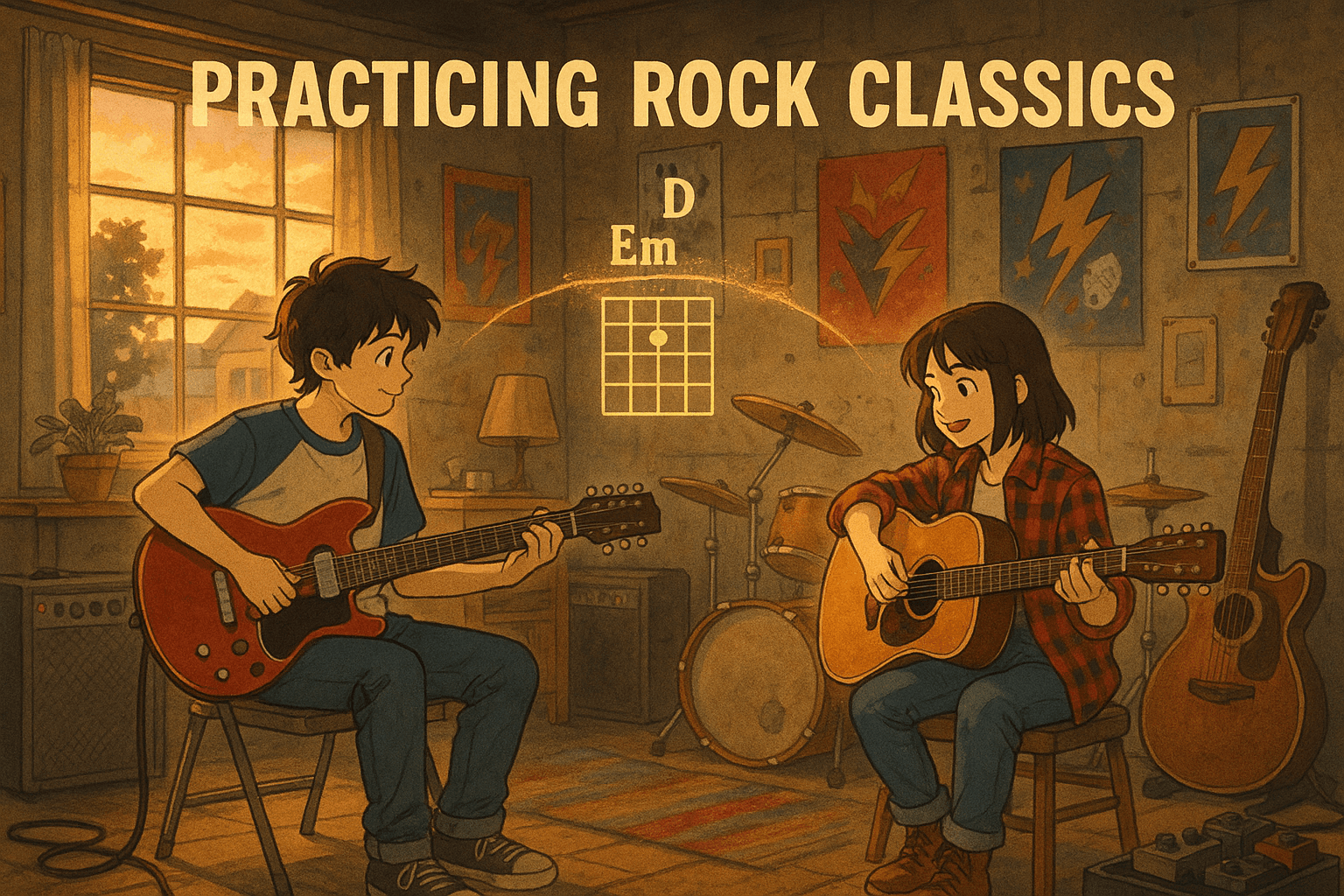
Rock Classics
"Wild Thing" by The Troggs
Chords: A, D, E
This iconic 1960s rock anthem is the ultimate beginner song. The chord progression repeats throughout, making it perfect for practicing smooth transitions.
"Louie Louie" by The Kingsmen
Chords: A, D, Em
A garage rock staple that's been covered countless times. The simple progression makes it ideal for building confidence.
"Should I Stay or Should I Go" by The Clash
Chords: D, G, A
This punk rock classic uses one of the most common chord progressions in music. The rhythm is straightforward and energetic.
Country Favorites
"Achy Breaky Heart" by Billy Ray Cyrus
Chords: A, D, E
This country hit dominated the 1990s with its simple, catchy progression. Perfect for practicing consistent strumming patterns.
"Ring of Fire" by Johnny Cash
Chords: G, C, D
One of Cash's most recognizable songs uses just three chords. The mariachi-style horns add flavor, but the guitar part stays simple.
Folk and Singer-Songwriter
"Knockin' on Heaven's Door" by Bob Dylan
Chords: G, D, Am, C (technically 4 chords, but often simplified to G, D, C)
Dylan's emotional ballad is forgiving for beginners. The slow tempo gives you time to switch between chords.
"Bad Moon Rising" by Creedence Clearwater Revival
Chords: D, A, G
This upbeat folk-rock song is energetic and fun to play. The chord progression is straightforward and repeats throughout.
Easy 3-Chord Songs for Piano
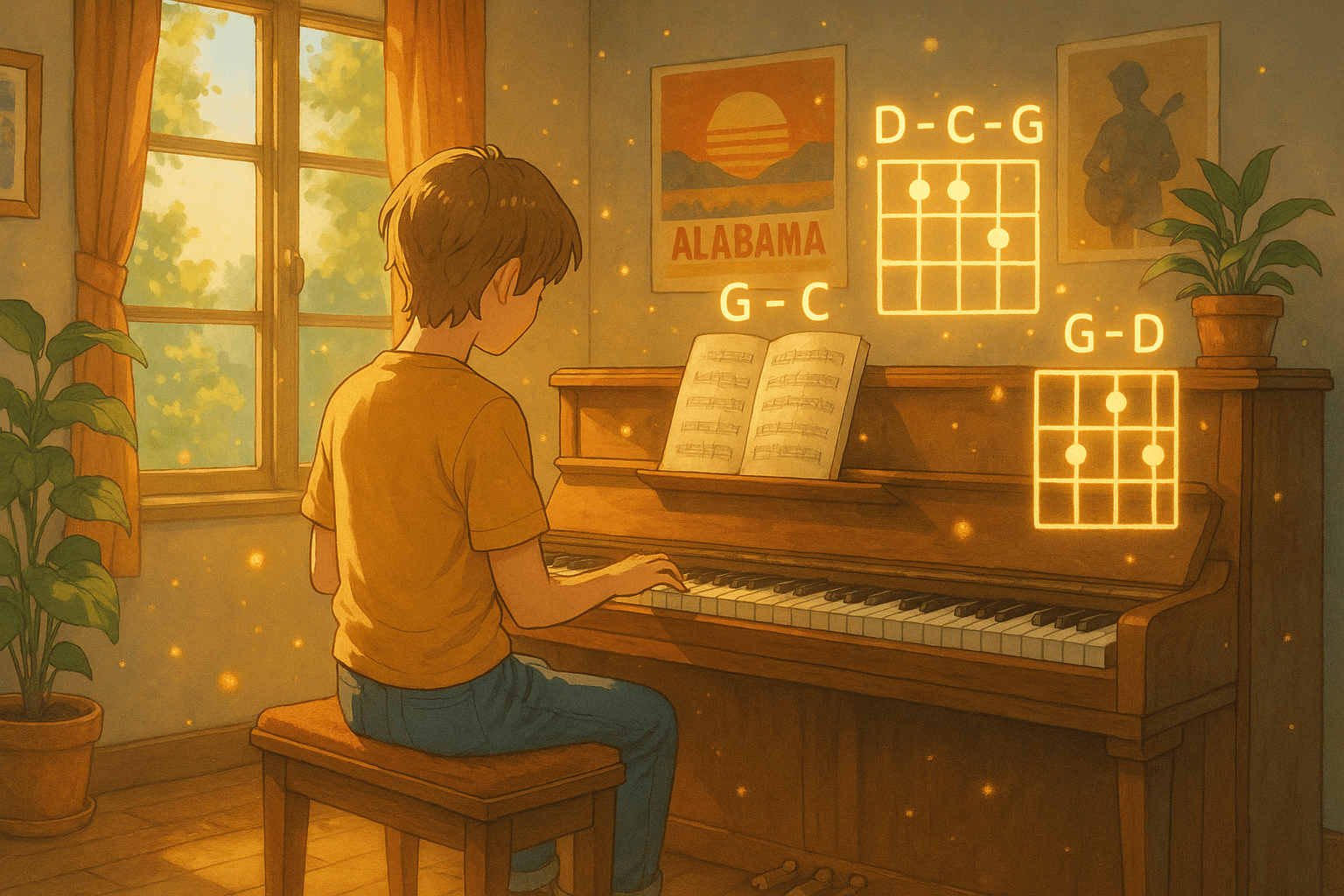
Pop Hits
"Let It Be" by The Beatles
Chords: C, G, Am, F (focus on C, G, Am for beginners)
One of the most beautiful piano songs ever written. Start with the basic three-chord version before adding the fourth chord.
"Someone Like You" by Adele
Chords: A, E, F#m, D (simplified to A, E, D)
Adele's emotional ballad can be simplified to three chords for beginners. Focus on the right-hand melody first.
Classic Rock
"Sweet Home Alabama" by Lynyrd Skynyrd
Chords: D, C, G
This Southern rock anthem translates beautifully to piano. The progression is repetitive and easy to master.
"Brown Eyed Girl" by Van Morrison
Chords: G, C, D
A feel-good classic that's perfect for piano beginners. The upbeat tempo makes it fun to practice.
Understanding Chord Progressions
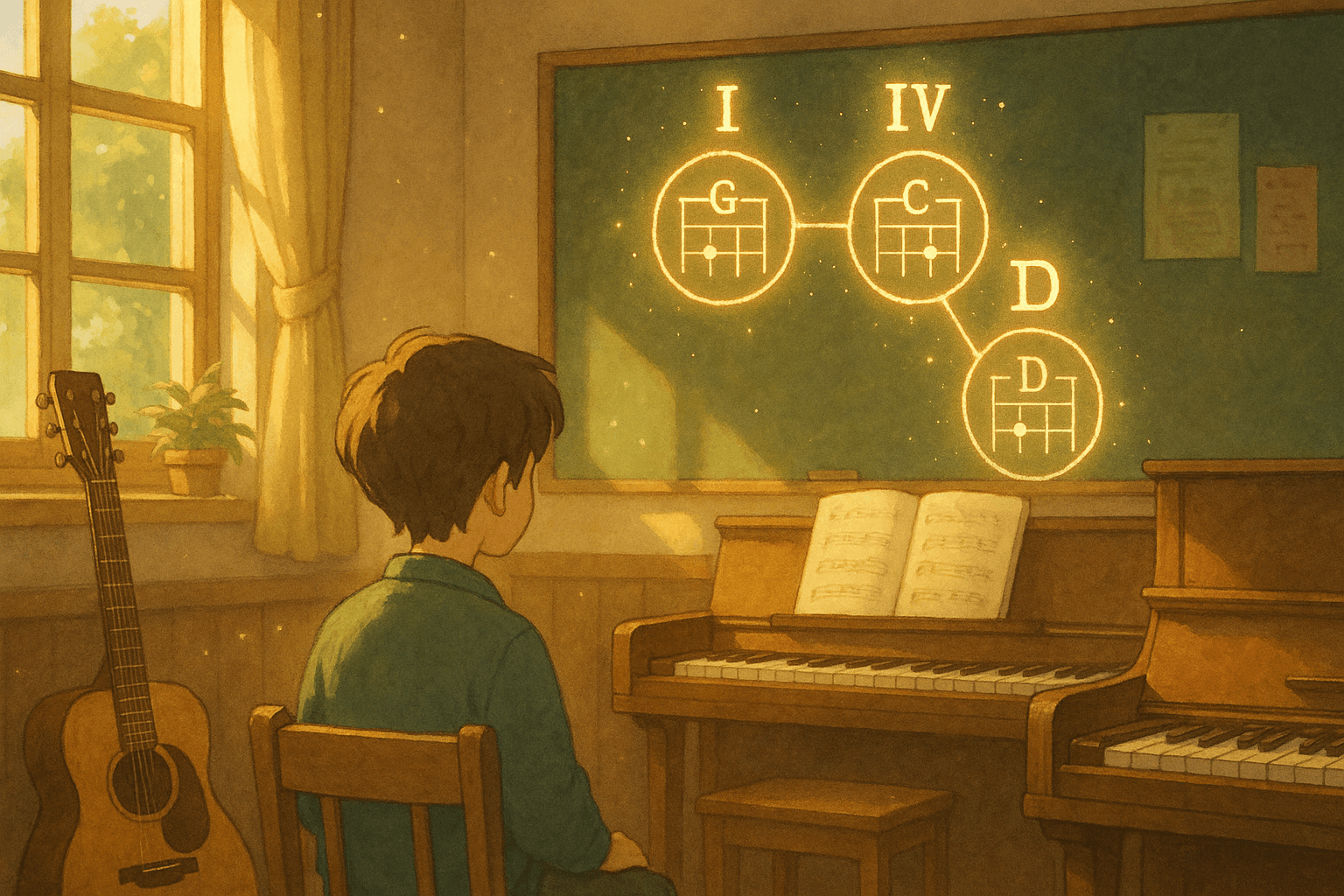
Most three-chord songs follow predictable patterns:
The I-IV-V Progression
The most common pattern in Western music. In the key of G:
- I chord: G major
- IV chord: C major
- V chord: D major
Countless songs use this progression, including "La Bamba," "Twist and Shout," and "Good Golly Miss Molly."
The I-V-vi-IV Progression
Popular in modern pop music. In C major:
- I chord: C major
- V chord: G major
- vi chord: A minor
- IV chord: F major
While technically four chords, you can simplify many of these songs to just three chords when starting out.
Tips for Learning 3-Chord Songs
Start Slow
Don't rush through chord changes. Use a metronome set to a comfortable tempo and gradually increase speed as you improve.
Practice Transitions
The hardest part isn't the chords themselves—it's moving between them smoothly. Practice transitioning between two chords repeatedly before adding the third.
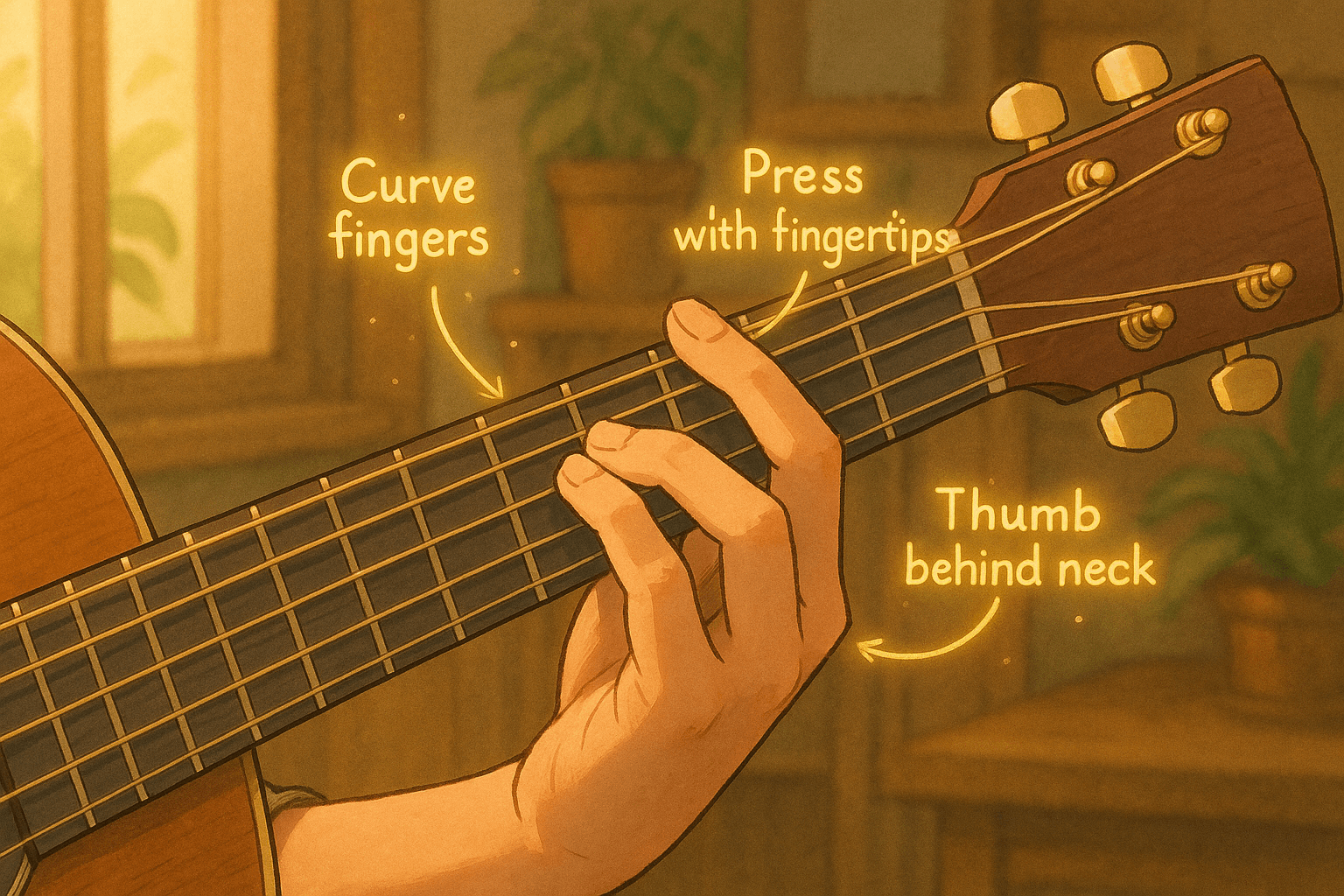
Use Proper Finger Positioning
For Guitar:
- Keep your thumb behind the neck
- Press down firmly with your fingertips
- Position fingers close to the frets (but not on them)
For Piano:
- Keep your wrists level
- Curve your fingers naturally
- Use the pads of your fingertips
Listen to the Original
Before learning a song, listen to it multiple times. Understanding the rhythm and structure helps you play more naturally.
Sing Along
Singing while playing helps you internalize the timing and rhythm. Don't worry about sounding perfect—focus on staying in sync.
Beyond the Basics: Next Steps
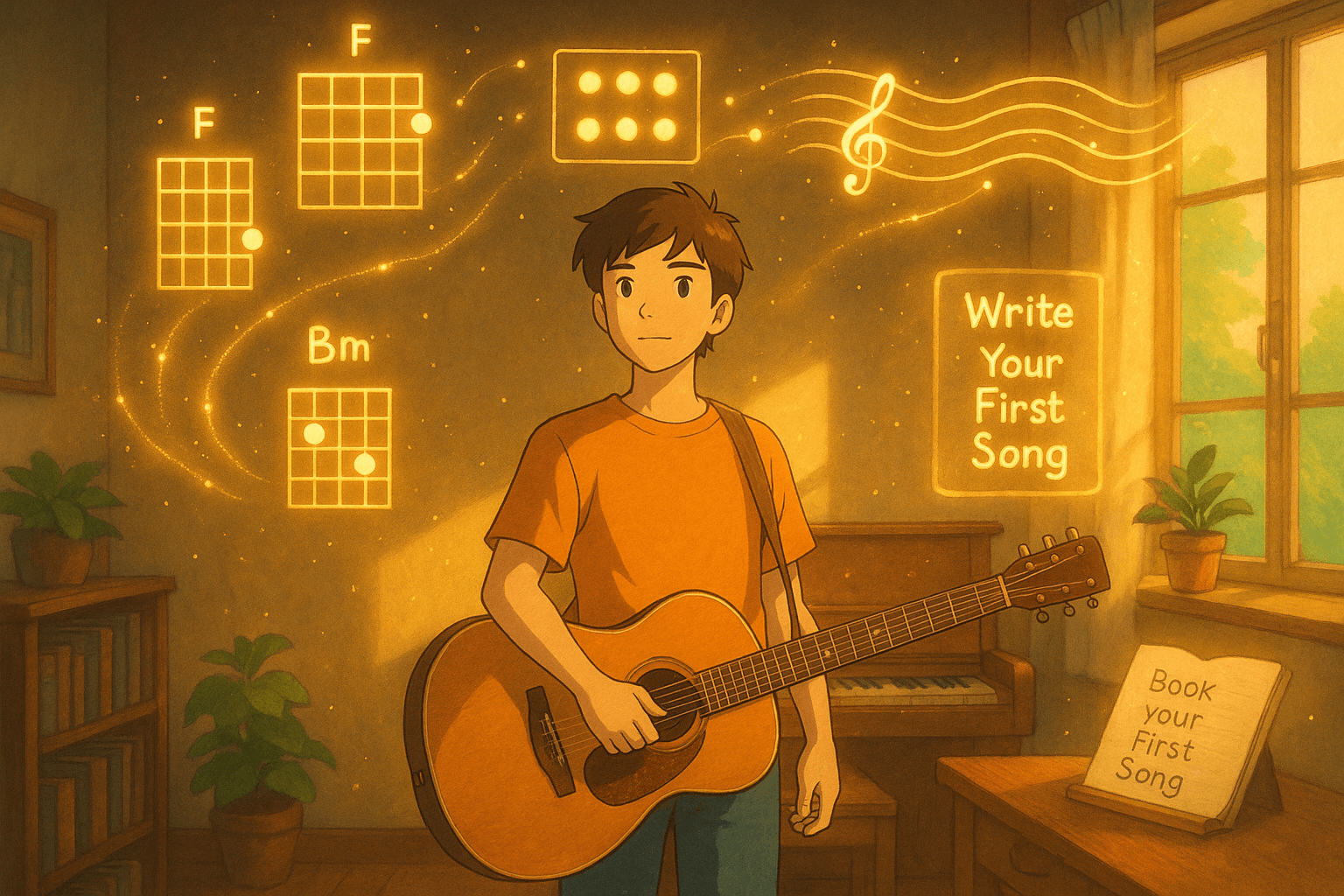
Once you've mastered several three-chord songs:
- Add more chords: Start incorporating four and five-chord songs
- Learn barre chords (guitar): This opens up new keys and positions
- Explore inversions (piano): Different voicings add variety
- Study rhythm patterns: Beyond basic strumming and arpeggios
- Write your own songs: Three chords are enough to create original music
Common Mistakes to Avoid
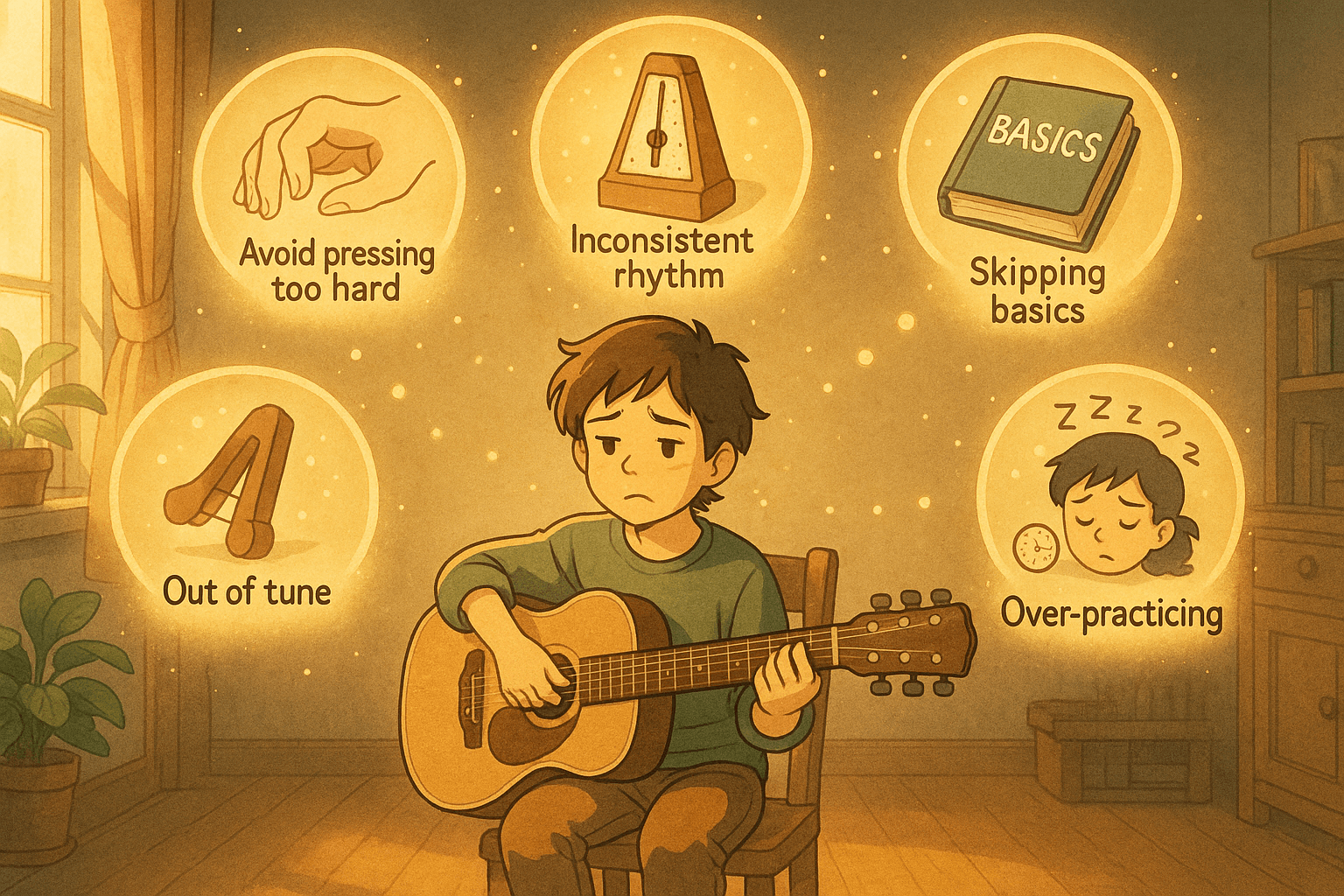
- Pressing too hard: Relax your grip to avoid fatigue and buzzing
- Inconsistent rhythm: Use a metronome to develop steady timing
- Skipping the basics: Master these simple songs before moving to complex material
- Not tuning your instrument: Always start with a properly tuned instrument
- Practicing too long without breaks: Short, frequent practice sessions beat marathon sessions
Conclusion
Three-chord songs prove that you don't need complexity to create beautiful music. These classics have endured for decades precisely because of their simplicity and power. Whether you're strumming a guitar or playing piano, these songs give you the foundation to become a confident musician.
Start with one or two songs that resonate with you. Practice daily, even if just for 15 minutes. Before long, you'll have a repertoire of songs that showcase your growing skills. The journey from beginner to accomplished player starts with these simple three chords—so pick up your instrument and start playing today.