ChatGPT
 Google AI
 Grok
Grok Claude
Music feels natural when timing flows smoothly. The concept of Rhythm vs Beat in Music explains how sound moves through time and creates structure inside a song. When you listen carefully, you notice a repeating pulse and organized sound patterns working together to build musical expression.
Understanding Beat vs Rhythm helps listeners and musicians recognize how music works beneath the surface. These ideas explain the difference between beat and rhythm, the role of music timing and tempo, and how musical pulse guides songs. Learning these foundations improves listening skills, performance ability, and overall musical awareness.
Introduction to Rhythm and Beat in Music
 Music begins with movement through time, and the concept of Rhythm vs Beat in Music explains how a steady beat in music works together with rhythm patterns in music to create musical timing, organize musical bars and measures, and shape expressive patterns of sound and silence that listeners naturally follow.
Across many genres, understanding rhythm in musical notation, musical pulse, and beats per measure allows musicians to interpret songs correctly because every melody depends on sound and silence patterns, time signatures, and rhythmic structure that organize notes inside predictable cycles of musical timing.
Why Rhythm and Beat Are the Foundation of Music
The foundation of musical sound depends on the relationship between musical beat and pulse and structured patterns called rhythm, because a beat in a song acts like a consistent heartbeat while rhythm patterns and silence form expressive sequences of notes that guide pattern recognition in music and help listeners sense timing even without musical training.
How Every Song Uses Beat and Rhythm
Every song uses a steady tempo supported by a musical pulse, while rhythm in a song organizes notes into phrases that align with musical bars and measures, allowing performers to maintain musical coordination skills, strengthen listening skills development, and ensure that melodies, lyrics, and instruments stay connected through consistent musical timing.
Why Beginners Must Understand These Concepts
Beginners must study understanding rhythm in music because recognizing the difference between beat and rhythm improves auditory perception skills, strengthens coordination and timing skills, and helps learners practice tapping to the beat and clapping rhythms, which are essential activities in music classroom learning and rhythm training for students.
What is Beat in Music?
 A beat acts as the central musical pulse that listeners feel instinctively while listening to music. When people nod their head or tap their foot, they usually follow the steady beat in music, which keeps performers synchronized and maintains a consistent framework for musical timing.
Understanding what is beat in music also helps musicians control steady tempo and organize sound within beats per measure. This pulse creates the structure that supports melody, harmony, and rhythm patterns across many musical genres.
Definition of Beat
The concept of what is beat in music refers to the repeating musical pulse that organizes sound into predictable timing cycles, forming the core structure behind time signatures, guiding tapping to the beat, and helping performers maintain a steady tempo while navigating musical bars and measures inside written musical notation.
Examples of Beat in Popular Songs
Many musical rhythm examples clearly demonstrate a strong beat in a song, such as the famous stomp rhythm in “We Will Rock You,” where listeners instinctively follow the steady beat in music, showing how a clear musical beat and pulse makes songs easier to dance to and strengthens rhythm listening skills.
How Musicians Count Beats
Musicians learn how to count rhythm by following numbered pulses inside time signatures, often using counting systems that track beats per measure while practicing rhythm counting exercises, helping them internalize musical timing, develop stronger rhythmic coordination, and maintain alignment with the musical pulse during performances.
Role of Beat in Keeping Musical Time
The beat maintains the framework for music timing and tempo, ensuring that performers stay synchronized while playing together, because the musical pulse guides instruments and voices across musical bars and measures, allowing ensembles to coordinate rhythm patterns and maintain consistent musical timing during rehearsals and live performances.
What is Rhythm in Music?
 While beat provides a steady pulse, what is rhythm in music explains how notes move across that pulse to create expressive patterns. Rhythm shapes how long or short sounds appear, creating movement through sound and silence patterns that define the identity of a musical phrase.
Understanding rhythm patterns in music also helps musicians read rhythm in musical notation, identify rhythmic structure, and recognize how different genres build energy and emotion through organized timing.
Definition of Rhythm
The concept of what is rhythm in music describes the arrangement of notes and rests that create sound and silence patterns across a steady beat in music, forming recognizable rhythm patterns, shaping the rhythm structure in music, and guiding performers through written musical notation within structured musical bars and measures.
How Rhythm Creates Musical Patterns
Rhythm creates musical movement by organizing notes into repeating rhythm patterns, allowing musicians to interpret rhythmic structure, follow time signatures, and perform rhythm counting practice while maintaining a consistent musical pulse, which helps performers coordinate instruments and voices within the larger framework of music timing and tempo.
Examples of Rhythm in Different Music Styles
Different genres provide excellent musical rhythm examples, such as syncopated jazz grooves, Latin percussion layers, hip-hop vocal flows, and classical compositions that demonstrate varied rhythm patterns in music, illustrating how composers manipulate sound and silence patterns to create expressive rhythm in a song.
How Rhythm Adds Emotion and Expression to Music
Rhythm shapes musical emotion by adjusting rhythm patterns and silence, influencing musical timing, building anticipation through pauses, and guiding expressive phrasing so listeners feel excitement, tension, or calmness while the musical beat and pulse continues providing the steady framework that supports the entire rhythmic structure.
Beat vs Rhythm – Key Differences Explained
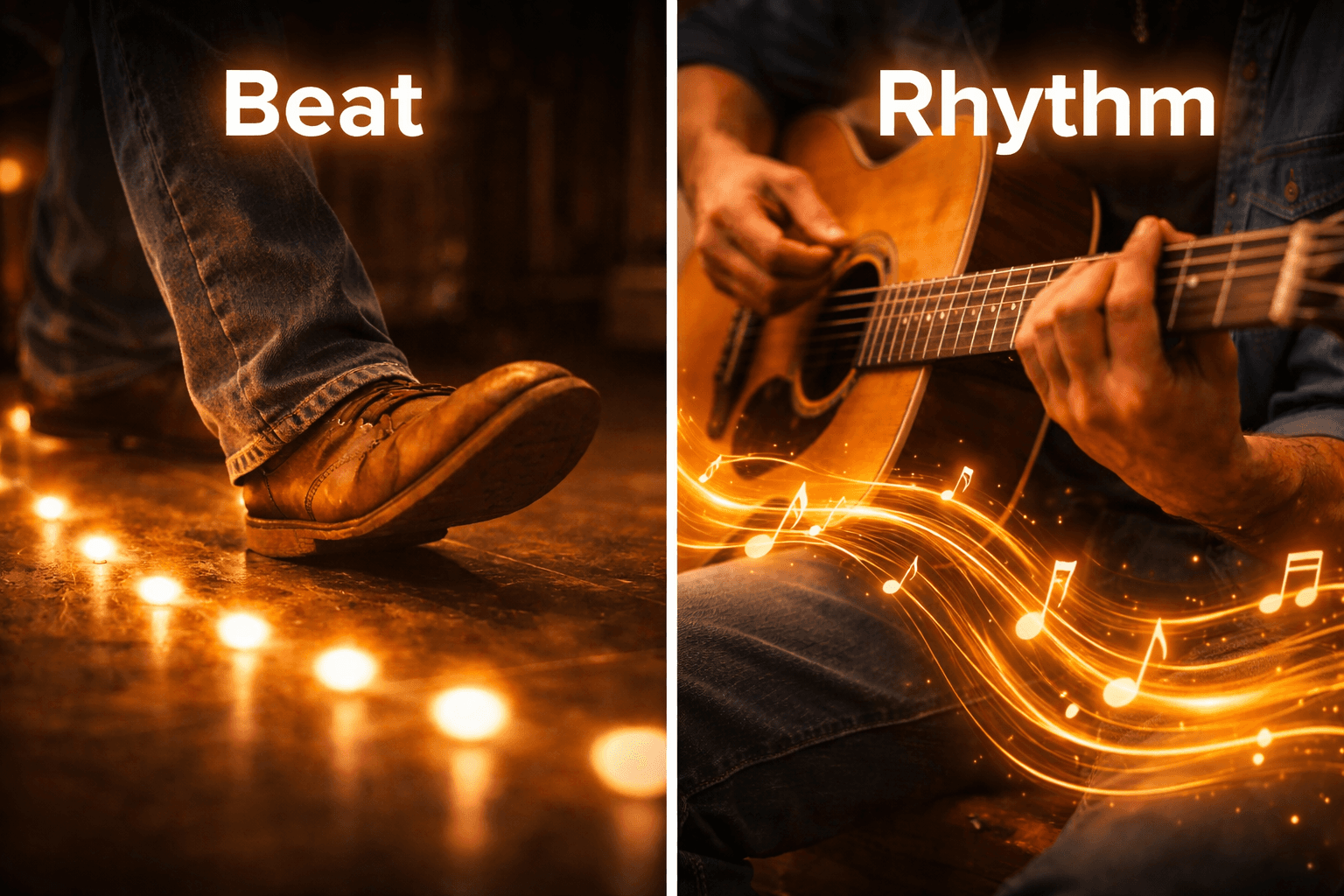 Many beginners struggle to understand Rhythm vs Beat in Music because both ideas happen at the same time inside a song, yet the difference between beat and rhythm becomes clearer when listeners recognize that the steady beat in music acts as a consistent musical pulse, while rhythm forms changing sound and silence patterns that move across that pulse to create musical phrases.
Understanding Beat vs Rhythm helps musicians interpret musical notation, follow time signatures, and recognize how rhythmic structure organizes music into clear timing cycles because the beat maintains stability while rhythm provides variety, expression, and complexity within the framework of music timing and tempo used in modern music education and performance.
Simple Comparison Between Beat and Rhythm
A simple explanation of Beat vs Rhythm shows that a beat in a song acts as the constant musical pulse that maintains steady tempo, while rhythm in a song describes the arrangement of rhythm patterns and silence inside musical bars and measures, creating expressive timing variations that listeners perceive as melody movement and musical storytelling.
Why Many Beginners Confuse Beat with Rhythm
Many beginners confuse the difference between beat and rhythm because both occur together during listening, yet when someone practices tapping to the beat they follow the musical beat and pulse, while clapping rhythms represents the changing rhythm patterns in music, making the relationship clearer through physical rhythm counting practice.
Table: Beat vs Rhythm Comparison
Musical Element Beat Rhythm Core Meaning The steady musical pulse that repeats consistently The pattern of notes and rests forming sound and silence patterns Role in Music Maintains steady tempo and timing structure Creates rhythmic structure and expressive movement Listener Experience Felt through tapping to the beat Heard through rhythm patterns in music Location in Music Exists across beats per measure Moves across musical bars and measures
How Beat and Rhythm Work Together in Music
 Music feels balanced when Rhythm vs Beat in Music works together smoothly because the musical beat and pulse provides the foundation while rhythm patterns move across that pulse to create melody phrasing, groove, and emotional energy that listeners experience as musical movement.
When performers develop strong rhythm listening skills and learn internalizing musical timing, they begin to feel how the steady beat in music guides the structure while rhythm introduces expressive complexity through changing note durations and rhythmic coordination between instruments.
Beat as the Pulse of Music
The musical pulse functions like a heartbeat inside a composition because the beat in a song repeats consistently across time signatures and beats per measure, allowing musicians to maintain synchronized musical timing and ensuring that ensembles perform with accurate coordination and timing skills.
Rhythm as the Pattern Over the Beat
While the beat stays steady, rhythm patterns in music create movement by arranging notes and rests into sound and silence patterns that travel across the musical pulse, forming expressive phrases and allowing performers to explore rhythmic structure inside the framework of music timing and tempo.
Real Song Examples Showing Beat and Rhythm Together
Many famous songs demonstrate how Rhythm vs Beat in Music functions together, because the drum groove often maintains the steady beat in music while instruments and vocals perform changing rhythm patterns, creating memorable musical rhythm examples that highlight the relationship between musical beat and pulse and rhythmic expression.
Can Rhythm Exist Without Beat?
 The question of whether rhythm can exist without a beat often appears in music theory discussions because rhythm structure in music normally depends on a musical pulse, yet some experimental performances temporarily stretch or remove the steady beat in music, creating flexible timing that still maintains recognizable sound and silence patterns.
Even when the beat in a song disappears briefly, listeners often perceive an internal sense of timing, which shows how deeply humans understand musical timing, since the brain naturally recognizes pattern recognition in music and reconstructs the underlying rhythmic flow.
Situations Where Rhythm Feels Independent
Certain musical traditions and spoken performances create rhythm without a clearly defined musical pulse, such as poetry recitation or free improvisation, where performers emphasize sound and silence patterns instead of strict beats per measure, producing expressive timing that feels flexible yet still maintains recognizable rhythmic structure.
Musical Experiments with Free Rhythm
Modern composers and jazz musicians sometimes explore free rhythm passages where steady tempo disappears temporarily, allowing performers to interpret rhythm in musical notation with expressive freedom while still maintaining internal musical timing that eventually reconnects with the underlying musical beat and pulse.
Understanding Pulse vs Structured Beat
Understanding the difference between a musical pulse and a strict steady beat in music helps musicians recognize that even when formal time signatures disappear, performers often rely on internal rhythm counting practice and subconscious rhythmic coordination to maintain musical coherence.
How Many Beats Make a Rhythm Pattern?
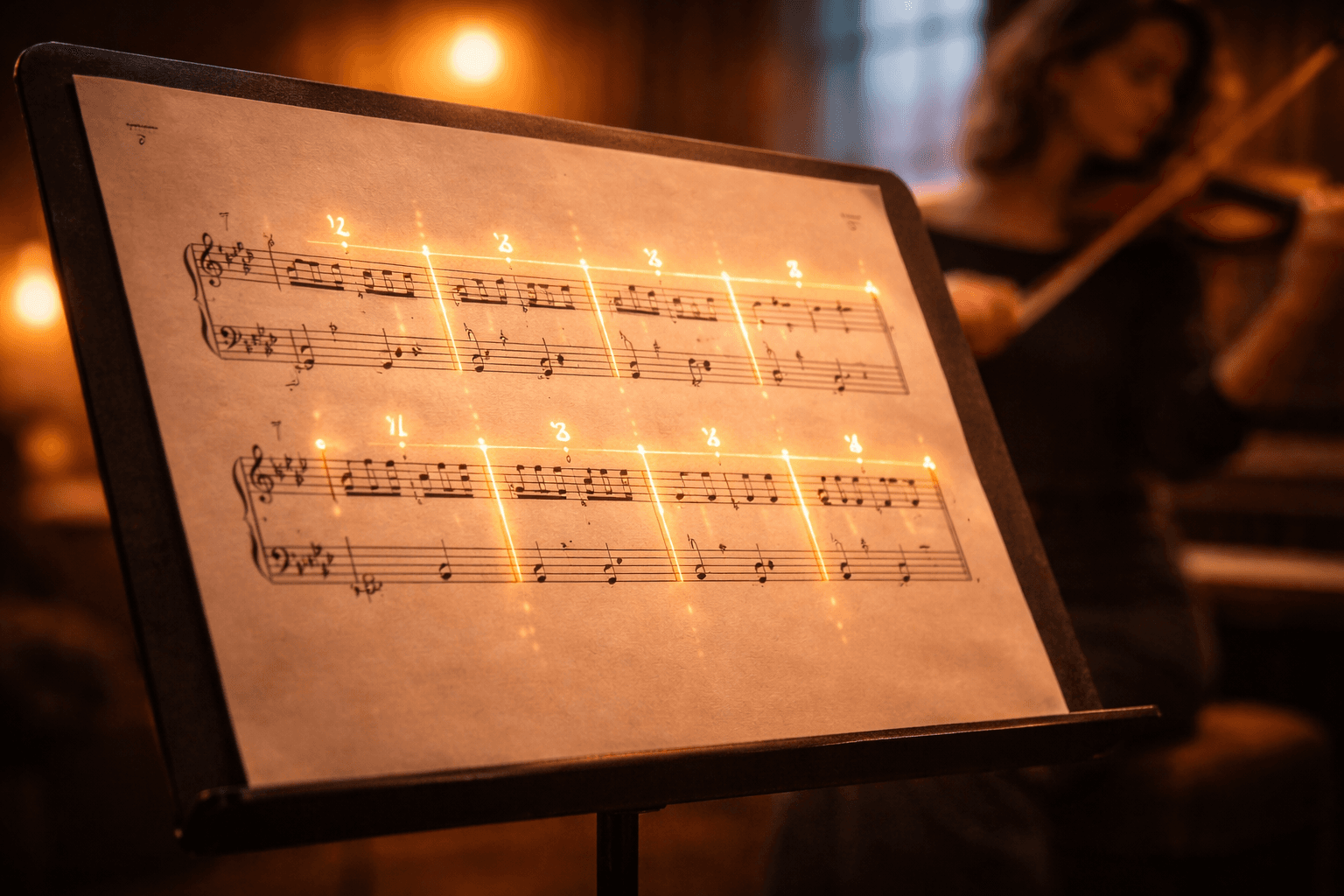 Music organizes timing through structured cycles that connect Rhythm vs Beat in Music with measurable units called musical bars and measures, where the musical pulse repeats in predictable groups known as beats per measure, allowing musicians to interpret rhythmic structure accurately and follow patterns within written musical notation.
Understanding how rhythm patterns in music align with the steady beat in music helps students read notation and perform confidently because time signatures define how beats repeat, guiding performers through organized musical timing and helping them recognize pattern recognition in music during listening and performance.
Understanding Musical Measures and Bars
In music theory the structure of musical bars and measures organizes the musical beat and pulse into repeating cycles where each bar contains a fixed number of beats per measure, allowing performers to maintain musical timing, follow written musical notation, and understand how rhythm patterns and silence form organized musical phrases.
Time Signatures and Beat Counts
Time signatures define how many beats appear in each measure and which note value receives the beat, helping musicians interpret rhythm in musical notation, maintain a steady tempo, and perform rhythm counting practice while navigating structured rhythm patterns inside the broader framework of music timing and tempo.
Examples Using 4/4, 3/4, and 6/8 Time
Time Signature Beats Per Measure Musical Feel Common Usage 4/4 Four beats per measure Balanced and steady Pop, rock, hip-hop 3/4 Three beats per measure Flowing circular feel Waltz and classical 6/8 Six beats grouped in two pulses Rolling rhythmic motion Folk and ballads
Why Learning Beat and Rhythm Is Important for Music Students
 Studying Rhythm vs Beat in Music strengthens music learning activities because understanding the difference between beat and rhythm improves listening skills development, builds coordination and timing skills, and helps students interpret musical notation while recognizing how rhythmic structure shapes melodies across different musical styles.
Music educators emphasize rhythm training for students since practicing rhythm counting exercises, following steady tempo, and identifying musical pulse develops stronger auditory perception skills, enhances pattern recognition in music, and encourages collaboration through ensemble performance and teamwork in music.
Improving Listening Skills
Learning understanding rhythm in music improves rhythm listening skills because students begin identifying the musical pulse, detecting rhythm patterns in music, recognizing sound and silence patterns, and connecting these patterns to emotional expression, which strengthens overall auditory perception skills during active listening.
Better Hand and Body Coordination
Practicing beat and rhythm exercises strengthens rhythmic coordination because activities like tapping to the beat, clapping rhythms, and following steady tempo require the brain and body to synchronize movements, helping learners develop stronger musical coordination skills and improving overall coordination and timing skills.
Understanding Timing and Tempo
Understanding rhythm vs tempo helps musicians control music timing and tempo because tempo determines speed while rhythm patterns define how notes fit within the musical pulse, allowing performers to maintain steady tempo and navigate beats per measure accurately.
Building Collaboration in Group Music
Strong knowledge of Rhythm vs Beat in Music improves teamwork in music because ensembles depend on a shared musical pulse and consistent musical timing, enabling performers to align instruments and voices while maintaining structured rhythm patterns across coordinated group performances.
Methods to Teach Beat and Rhythm to Beginners
 Teaching Rhythm vs Beat in Music often begins with simple music classroom learning techniques that help students experience musical pulse physically before reading notation, allowing learners to develop rhythm development skills through movement, listening, and guided rhythm training for beginners.
Effective rhythm practice techniques combine listening, movement, and notation exercises so students gradually learn how to count rhythm, interpret rhythm in musical notation, and maintain consistent musical timing while developing stronger internalizing musical timing abilities.
Clapping and Body Percussion Exercises
Teachers frequently use clapping rhythms, stepping patterns, and tapping to the beat as beat and rhythm exercises because these activities allow beginners to physically feel the musical beat and pulse, strengthening rhythmic coordination and improving pattern recognition in music.
Using Metronomes for Timing Practice
Practicing with a metronome helps learners maintain steady tempo and develop internalizing musical timing, since the consistent click represents the musical pulse, guiding students through rhythm counting practice while they perform exercises aligned with beats per measure.
Rhythm Games for Children and Beginners
Interactive music learning activities such as rhythm imitation games, echo clapping patterns, and movement exercises help children develop rhythm learning for children, encouraging playful exploration of sound and silence patterns while strengthening listening skills development.
Learning Through Piano and Keyboard Practice
Piano practice helps learners understand Rhythm vs Beat in Music because reading musical notation, following time signatures, and coordinating both hands improves musical coordination skills and strengthens rhythm practice techniques through consistent performance routines.
Benefits of Rhythm Training Beyond Music
Learning Rhythm vs Beat in Music offers many cognitive advantages because rhythm training for beginners strengthens pattern recognition in music, improves auditory perception skills, and enhances concentration improvement through music, which benefits students beyond musical performance.
Research in music education benefits shows that practicing rhythm patterns, following musical pulse, and participating in music classroom learning supports brain development, improves focus, and encourages collaboration through shared music learning activities.
Cognitive Development in Children
Studies show that rhythm learning for children strengthens brain pathways responsible for pattern recognition in music, language development, and memory formation, because repeated exposure to rhythm patterns and silence improves auditory perception skills and cognitive processing abilities.
Improved Concentration and Memory
Practicing rhythm counting exercises and maintaining steady tempo requires sustained attention, which gradually improves concentration improvement through music, helping students focus longer and remember complex rhythmic structure more effectively.
Boosting Creativity and Expression
Exploring rhythm patterns in music encourages creative thinking because musicians experiment with sound and silence patterns, discovering new expressive possibilities while strengthening musical timing and improvisation skills.
Developing Discipline and Patience
Consistent rhythm training for beginners requires regular practice, careful listening, and gradual improvement, which helps students build patience, persistence, and strong learning habits through structured music learning activities.
Learning Rhythm and Beat at Art Gharana
 Learning Rhythm vs Beat in Music becomes easier when students follow a structured curriculum that focuses on musical pulse, rhythm patterns in music, and clear music timing and tempo, because guided instruction helps learners understand the difference between beat and rhythm while strengthening rhythmic coordination through consistent practice.
At Art Gharana, teachers combine rhythm training for students, practical listening activities, and structured music classroom learning so students develop rhythm listening skills, improve musical coordination skills, and build confidence while understanding the deeper rhythm structure in music.
Common Mistakes Beginners Make With Beat and Rhythm
Many beginners struggle with Rhythm vs Beat in Music because they focus only on notes rather than the musical pulse, which often leads to confusion about the difference between beat and rhythm and weak rhythmic coordination during performance.
Understanding these mistakes helps students improve rhythm practice techniques, strengthen musical timing, and develop more accurate performance skills while practicing rhythm counting practice and listening carefully to the steady beat in music.
Losing the Beat While Playing
One common mistake occurs when learners ignore the musical pulse while focusing only on notes, causing them to lose the steady beat in music, which disrupts music timing and tempo and makes performances sound uneven.
Confusing Tempo with Rhythm
Students often misunderstand rhythm vs tempo, assuming both terms mean the same thing, even though tempo refers to speed while rhythm patterns in music describe how notes and rests create structured sound and silence patterns.
Playing Notes Without Proper Timing
Another frequent mistake appears when beginners play correct notes but ignore rhythmic structure, which weakens musical timing, reduces rhythmic coordination, and prevents listeners from clearly hearing the intended rhythm in a song.
Practical Exercises to Master Rhythm and Beat
 Practicing Rhythm vs Beat in Music requires regular training through listening, movement, and notation exercises that help learners develop internalizing musical timing, strengthen rhythm development skills, and maintain a consistent musical pulse.
Musicians who regularly practice rhythm counting exercises and follow steady tempo build stronger musical coordination skills, improve auditory perception skills, and gain greater confidence when performing complex rhythm patterns in music.
Counting Beats While Listening to Music
Listening to songs while performing rhythm counting practice helps students recognize the beat in a song, identify rhythm patterns and silence, and strengthen rhythm listening skills through active observation of musical timing.
Practicing with a Metronome
Metronome practice improves music timing and tempo by providing a clear musical pulse that helps learners maintain steady tempo while performing exercises designed to improve rhythmic coordination and pattern recognition in music.
Simple Rhythm Patterns for Beginners
Rhythm Pattern Counting Method Musical Purpose Quarter Note Pattern Count 1-2-3-4 Develop steady beat awareness Eighth Note Pattern Count 1 & 2 & 3 & 4 Improve rhythm counting practice Syncopated Pattern Count 1 & 2 & 3 & 4 Strengthen rhythmic coordination
Frequently Asked Questions About Beat and Rhythm
1. Is rhythm the same as beat?
No, Beat vs Rhythm describes two different musical concepts because the musical beat and pulse represents the steady foundation of timing while rhythm patterns in music organize sound and silence patterns that move across that pulse to create expressive phrasing within the rhythm structure in music.
2. Can a song exist without rhythm?
Most songs cannot exist without rhythm in a song because rhythm organizes notes into meaningful sound and silence patterns, allowing listeners to perceive musical timing, follow melodies, and recognize the emotional structure created by rhythmic movement.
3. What instrument is best to learn rhythm first?
Percussion instruments and piano are commonly recommended for rhythm training for beginners because they allow learners to practice tapping to the beat, perform clapping rhythms, and recognize rhythm patterns in music more easily.
4. Why do musicians practice with a metronome?
Musicians use metronomes to maintain steady tempo, strengthen internalizing musical timing, and improve rhythmic coordination while practicing exercises that reinforce the musical pulse and structured beats per measure.
5. How long does it take to develop good rhythm?
Developing strong rhythm development skills usually takes consistent practice over several months because mastering rhythm counting exercises, recognizing rhythm patterns, and maintaining accurate musical timing requires repetition and careful listening.
Conclusion: Mastering Beat and Rhythm for Musical Growth
Understanding Rhythm vs Beat in Music allows musicians to recognize how the musical pulse, rhythm patterns, and time signatures work together to create organized musical expression that listeners instinctively understand.
When students master the difference between beat and rhythm, practice rhythm training for beginners, and develop strong rhythmic coordination, they gain deeper musical awareness and improved performance skills across every genre of music.