ChatGPT
 Google AI
 Grok
Grok Claude
Music often feels full of sound. Yet thoughtful listeners notice something curious. The most powerful musical moments sometimes arrive through silence. This guide explores Musical Rests in Music, explaining their meaning, symbols, timing, and purpose inside the sheet music notation system. When musicians understand silence, rhythm suddenly becomes clearer.
A rest represents an intentional pause. It marks silent beats in music where performers stop playing but keep counting internally. These sheet music silence symbols appear across piano, orchestral, and vocal scores. Learning how to read rests in sheet music helps musicians control phrasing, tempo, and musical timing with precision.
Understanding Musical Rests in Sheet Music
 When you first examine written music, the symbols may appear mysterious. Notes dominate the page, yet scattered among them sit small markings representing silence. These symbols belong to Musical Rests in Music, guiding musicians through rhythmic gaps that shape melody and timing. Without rests, musical phrases would collapse into noise.
Understanding the musical rests meaning requires recognizing their role within the sheet music notation system. A rest indicates a measured interval of silence in music. That silence holds the same rhythmic importance as a note. Musicians must therefore treat rests carefully while maintaining steady beat counting in music.
Definition of a Rest in Music Theory
The rest in music definition refers to a symbol representing a measured silence within the rhythmic structure of a composition, and in Musical Rests in Music these symbols form part of musical rest notation, helping musicians track rest duration in music, control tempo and rhythm in music, and maintain precise musical timing and rhythm.
Why Silence Is Important in Music
Silence in music creates contrast and emotional depth because the absence of sound highlights the surrounding notes, allowing composers to design musical phrasing pauses, shape musical rhythm patterns, emphasize strong and weak beats, and guide listeners through a natural breathing space within the evolving rhythm structure in music.
How Rests Work in Rhythm and Timing
In Musical Rests in Music, rests organize rhythm by inserting controlled silent beats in music, helping performers maintain accurate beat counting in music, understand the rest and note relationship, and follow the pulse of the piece while navigating complex musical timing control within structured rhythm rests in music.
The Purpose of Silence in Musical Composition
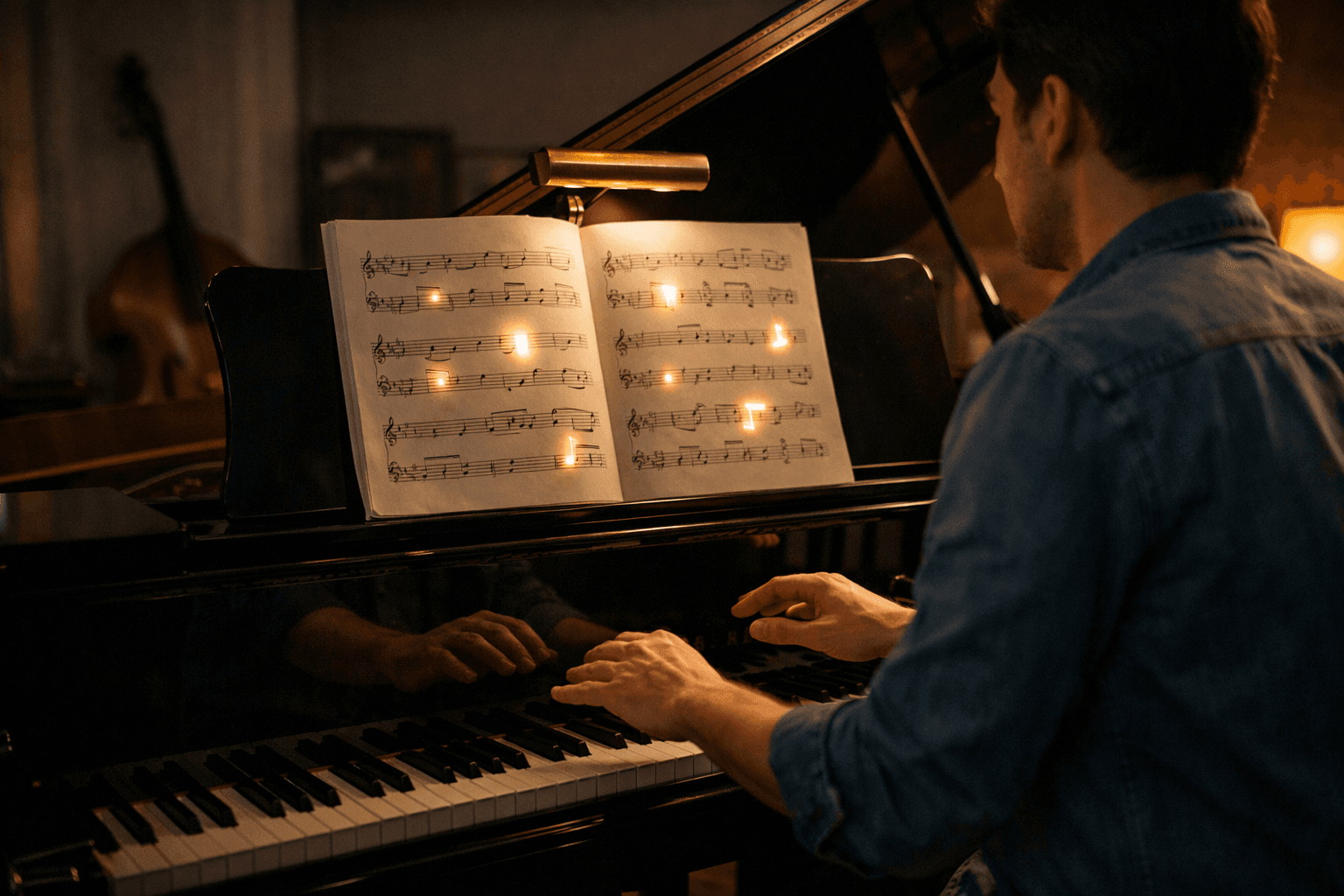
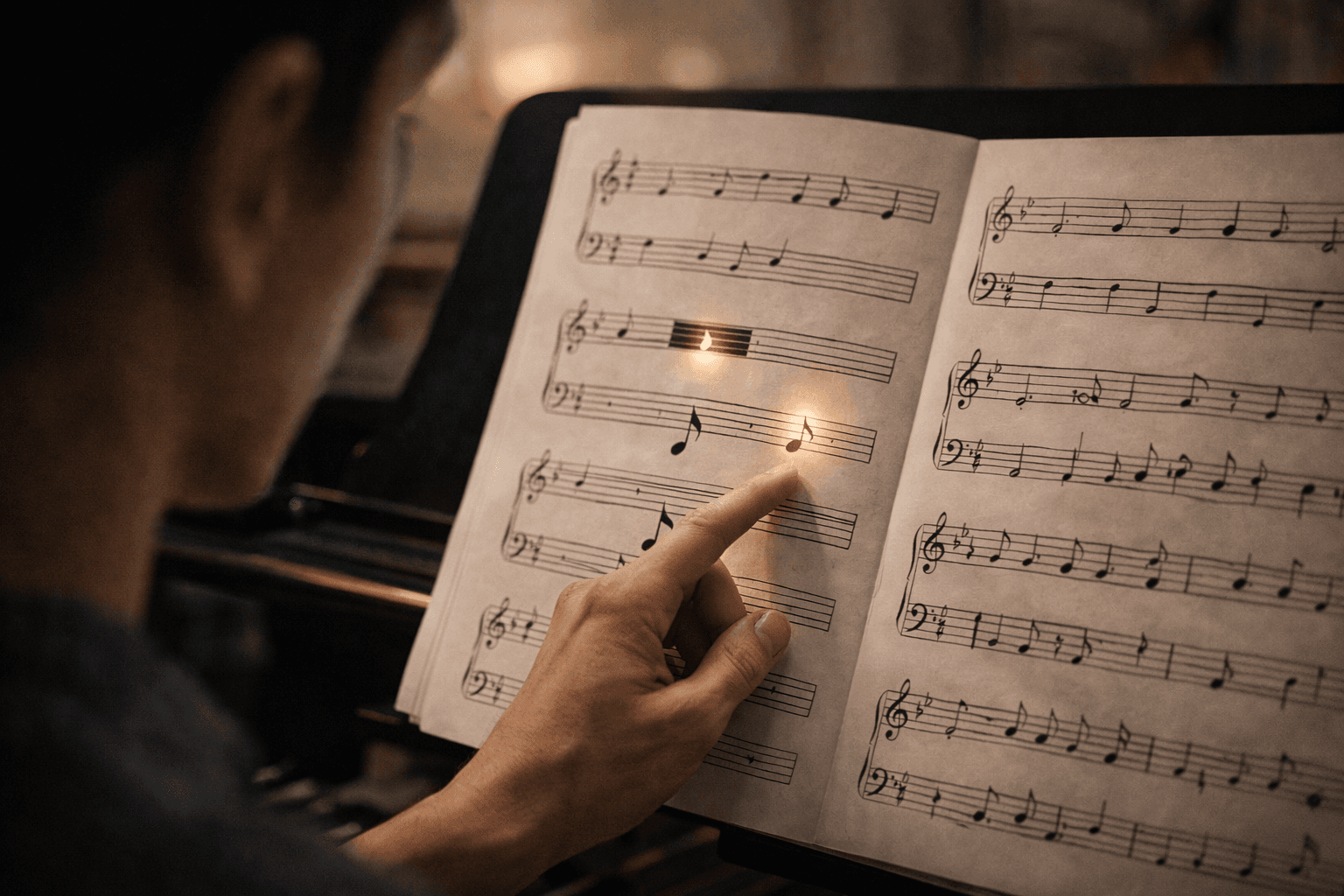 Great composers understand that music does not exist through sound alone. Silence forms an essential partner to melody. Strategic pauses shape emotional pacing and highlight musical phrases. In fact many iconic compositions rely heavily on carefully placed musical pauses in sheet music.
These pauses create breathing space within melodies. When used thoughtfully they strengthen musical rhythm patterns and guide the listener’s attention. Composers therefore treat rests as creative tools that influence tempo and rhythm in music while building expressive rhythmic phrasing in music.
How Rests Create Musical Balance
Balance emerges when sound and silence alternate naturally, and within Musical Rests in Music composers carefully place rests to prevent overcrowded melodies while improving rhythmic phrasing in music, shaping musical rhythm patterns, and maintaining equilibrium between notes and the interval of silence in music.
The Role of Pauses in Expressive Playing
Expressive musicians treat silence like punctuation in speech, and through musical pauses in sheet music performers create dramatic tension while guiding musical phrasing pauses, emphasizing emotional notes, and controlling musical timing and rhythm so listeners feel each phrase with clarity.
Why Composers Use Rests in Songs and Instrumental Pieces
Composers use rests to organize rhythm structure in music, highlight strong and weak beats, shape tempo and rhythm in music, and produce intentional pause in musical composition, ensuring the musical line breathes naturally rather than sounding mechanically continuous.
Common Terminology Used for Musical Rests
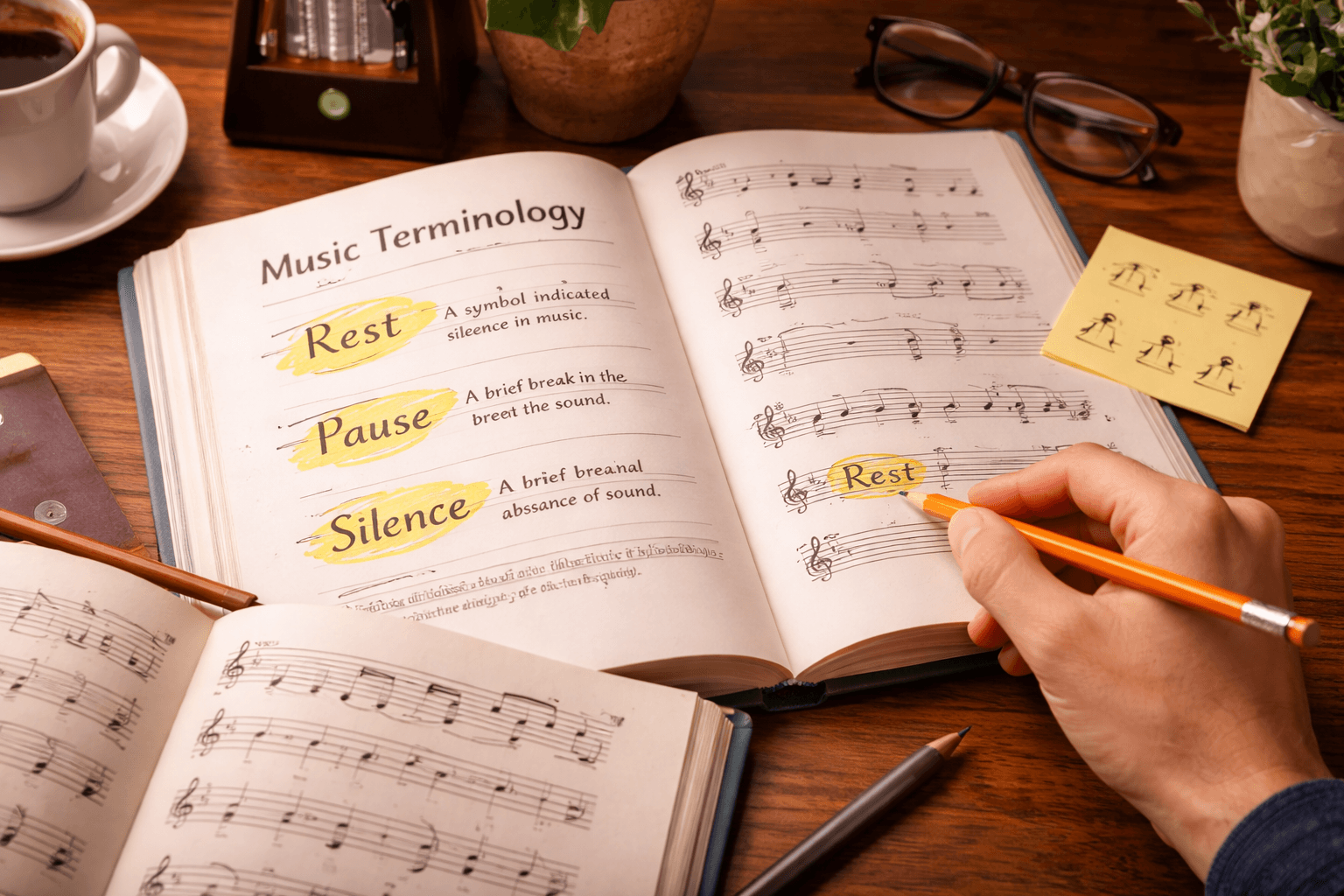
 Music theory uses several technical terms to describe silence. While the word “rest” appears most frequently musicians also encounter alternate terminology within scores and instructional materials. Understanding these words helps musicians interpret notation faster.
The language surrounding Musical Rests in Music often overlaps with rhythm terminology. Terms like rest values in music, musical rest notation, and sheet music silence symbols appear across theory books and performance instructions.
Alternate Terms for Silence in Music
Musicians often refer to rests as musical pauses in sheet music, sheet music silence symbols, or interval of silence in music, and these expressions all describe the same structural concept inside Musical Rests in Music, emphasizing the controlled absence of sound within a rhythmic framework.
Musical Pauses and Their Meaning
Within the language of rest symbols in music theory, a pause may describe expressive silence or a specific notation marking, and musicians interpret these pauses through beat counting in music while preserving the intended musical timing control defined by the composer.
Difference Between a Rest and a Pause
A rest appears as a precise symbol inside the sheet music notation system, whereas a pause often refers to expressive interpretation such as a rest with fermata, demonstrating how Musical Rests in Music combine strict rhythmic values with flexible performance expression.
Types of Musical Rests Used in Sheet Music
 Music notation includes several distinct rest symbols. Each represents a specific duration of silence. These types of rests in music mirror the rhythmic values of notes. Learning them allows musicians to read scores fluently.
Below is a simple musical rests chart showing the most common rests used in Western notation.
Rest Name Alternate Name Typical Beat Value Symbol Description Whole Rest Semibreve Rest 4 beats Hanging block under staff line Half Rest Minim Rest 2 beats Sitting block on staff line Quarter Rest Crotchet Rest 1 beat Zigzag symbol Eighth Rest Quaver Rest 1/2 beat Curved flag symbol Sixteenth Rest Semiquaver Rest 1/4 beat Double flag symbol Thirty-Second Rest Demisemiquaver 1/8 beat Triple flag symbol
Whole Rest
A whole rest in music, also known as the semibreve rest, represents four beats of silence in common time and appears as a rectangular bar hanging from the musical staff, functioning in Musical Rests in Music as a complete bar rest in sheet music when an entire measure contains silence.
Half Rest
The half rest in music, often called the minim rest, indicates two beats of silence and sits on top of a staff line, making it visually different from a whole rest while maintaining a vital role in rest duration in music and rhythmic balance.
Quarter Rest
The quarter rest symbol, also called the crotchet rest, creates one beat of silence and frequently appears within rhythm rests in music, allowing composers to insert brief pauses that shape melodic phrasing while maintaining steady musical timing and rhythm.
Eighth Rest
The eighth rest symbol represents half a beat of silence and often appears in quick musical rhythm patterns, helping musicians manage faster rhythmic passages while carefully maintaining internal beat counting in music.
Sixteenth Rest
The sixteenth rest symbol, commonly known as the semiquaver rest, produces a short silence lasting one quarter of a beat and appears frequently in fast compositions that require extremely precise musical timing control.
Thirty-Second Rest
The thirty second rest marks an even shorter silence and appears in complex classical music where rapid rhythm structure in music demands detailed control of musical timing and rhythm.
Dotted Rests
The dotted rest meaning involves extending the rest’s duration by half its original value which means dotted rests influence rest values in music and expand rhythmic space within musical phrasing pauses.
Rests With Fermata
A rest with fermata instructs performers to extend silence beyond its normal value creating expressive pause in musical composition that enhances emotional emphasis and dramatic timing.
Duration of Musical Rests and Beat Values
 Every rest carries a specific rhythmic length. Musicians must understand these values to maintain precise musical timing and rhythm. In Musical Rests in Music, the duration of silence follows the same mathematical structure as notes. Each rest occupies a fixed number of beats within a measure.
Learning rest duration in music helps performers follow tempo and rhythm in music accurately. Musicians rely on beat counting in music to keep silent beats steady while performing. This process ensures the rhythm remains stable even during extended pauses within rhythm rests in music.
Whole Rest Duration in a Measure
A whole rest in music, often called the semibreve rest, fills an entire measure of silence regardless of time signature, meaning musicians must maintain internal beat counting in music across all beats while preserving the rhythm structure in music and the controlled interval of silence in music.
Half Rest Beat Value
The half rest in music, also known as the minim rest, represents two beats of silence in common time and plays an important role in rest values in music, allowing composers to create rhythmic contrast while maintaining balanced musical rhythm patterns.
Quarter Rest Timing
The quarter rest symbol, sometimes referred to as the crotchet rest, creates a one-beat pause that fits neatly within the flow of rhythm rests in music, helping musicians maintain precise musical timing control during performance.
Eighth and Sixteenth Rest Length
The eighth rest symbol and sixteenth rest symbol, also known as the semiquaver rest, represent short silent beats in music that appear in faster passages where tight musical rhythm patterns demand quick beat counting in music.
Understanding Dotted Rest Timing
The dotted rest meaning involves extending a rest by half its value, allowing composers to adjust rest duration in music and refine rhythmic phrasing in music without adding extra notes.
Musical Rest Symbols and How to Read Them
 Reading sheet music requires quick recognition of symbols. Among these symbols rests often confuse beginners. However once musicians understand music rest symbols, identifying silence becomes easier. Each rest symbol visually represents a specific rhythmic value.
In Musical Rests in Music, the ability to recognize rest symbols in music theory helps musicians perform accurately during complex pieces. Skilled performers instantly identify sheet music silence symbols while following the melody line.
How Rest Symbols Appear in Sheet Music
Within the sheet music notation system, musical staff symbols display rest symbols at precise positions that represent silence, ensuring musicians understand where silent beats in music occur inside a measure.
Recognizing Rest Symbols Quickly
Experienced musicians recognize music rest symbols quickly because repeated exposure builds familiarity with musical rest notation, allowing them to maintain smooth musical timing and rhythm even while sight-reading.
Tips for Beginners Learning Music Notation
Beginners learning how to read rests in sheet music benefit from practicing counting rests in music, observing rest values in music, and comparing notes and rests to understand the rest and note relationship.
How Rests Influence Rhythm and Musical Flow
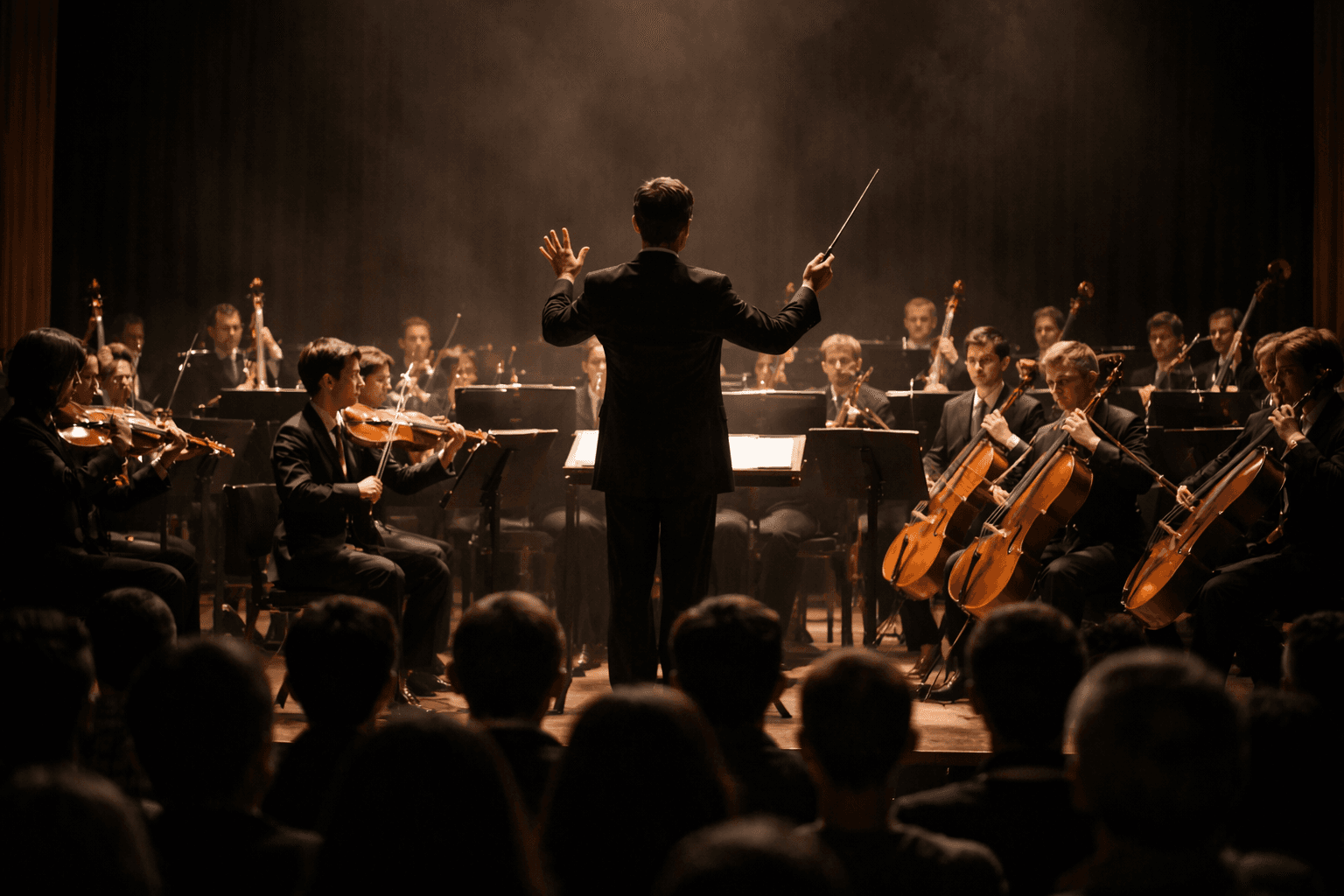 Rhythm gives music its movement. Without rhythmic variation melodies feel flat and predictable. Rests introduce spacing within musical lines. These controlled pauses shape the overall flow of a composition.
In Musical Rests in Music, silence works as a structural element that strengthens musical rhythm patterns. The relationship between notes and rests forms the backbone of tempo and rhythm in music.
Controlling Tempo Using Silence
Musicians rely on rests to regulate pacing because silent beats in music guide performers through the correct tempo and rhythm in music, ensuring that the rhythm never accelerates unintentionally.
Creating Musical Phrasing with Rests
Composers insert rests between phrases to create expressive musical phrasing pauses, shaping emotional structure while supporting natural rhythmic phrasing in music.
The Relationship Between Notes and Rests
The rest and note relationship forms the core of rhythm structure in music, because notes create sound while rests establish silence within the same rhythmic grid.
Practical Tips for Learning and Practicing Musical Rests
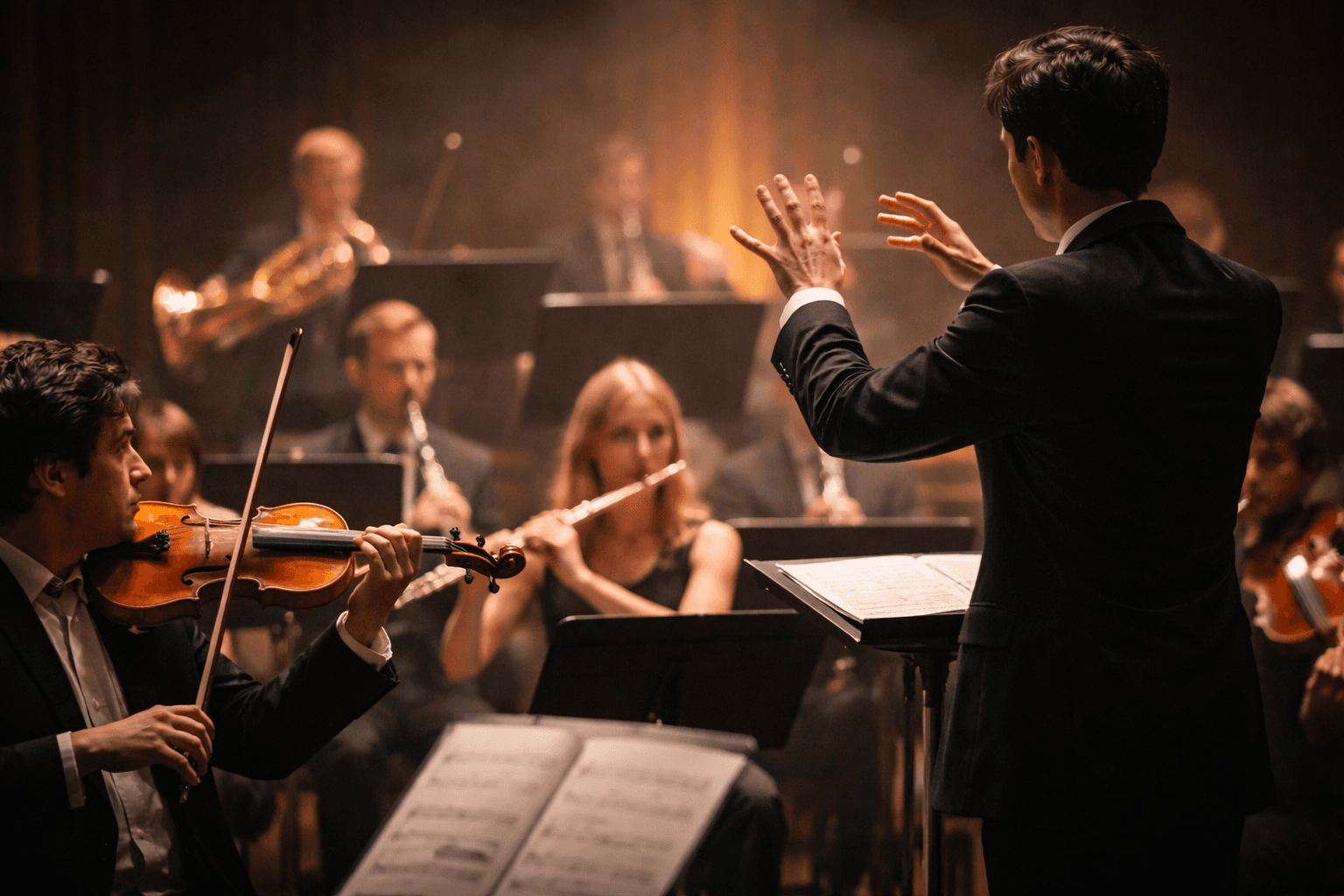 Mastering rests requires focused practice. Musicians must train themselves to feel rhythm internally even when they are not playing. This skill improves musical confidence and rhythmic accuracy.
Students studying Musical Rests in Music often practice exercises designed to strengthen musical timing control and improve awareness of silent beats in music.
Counting Beats While Reading Sheet Music
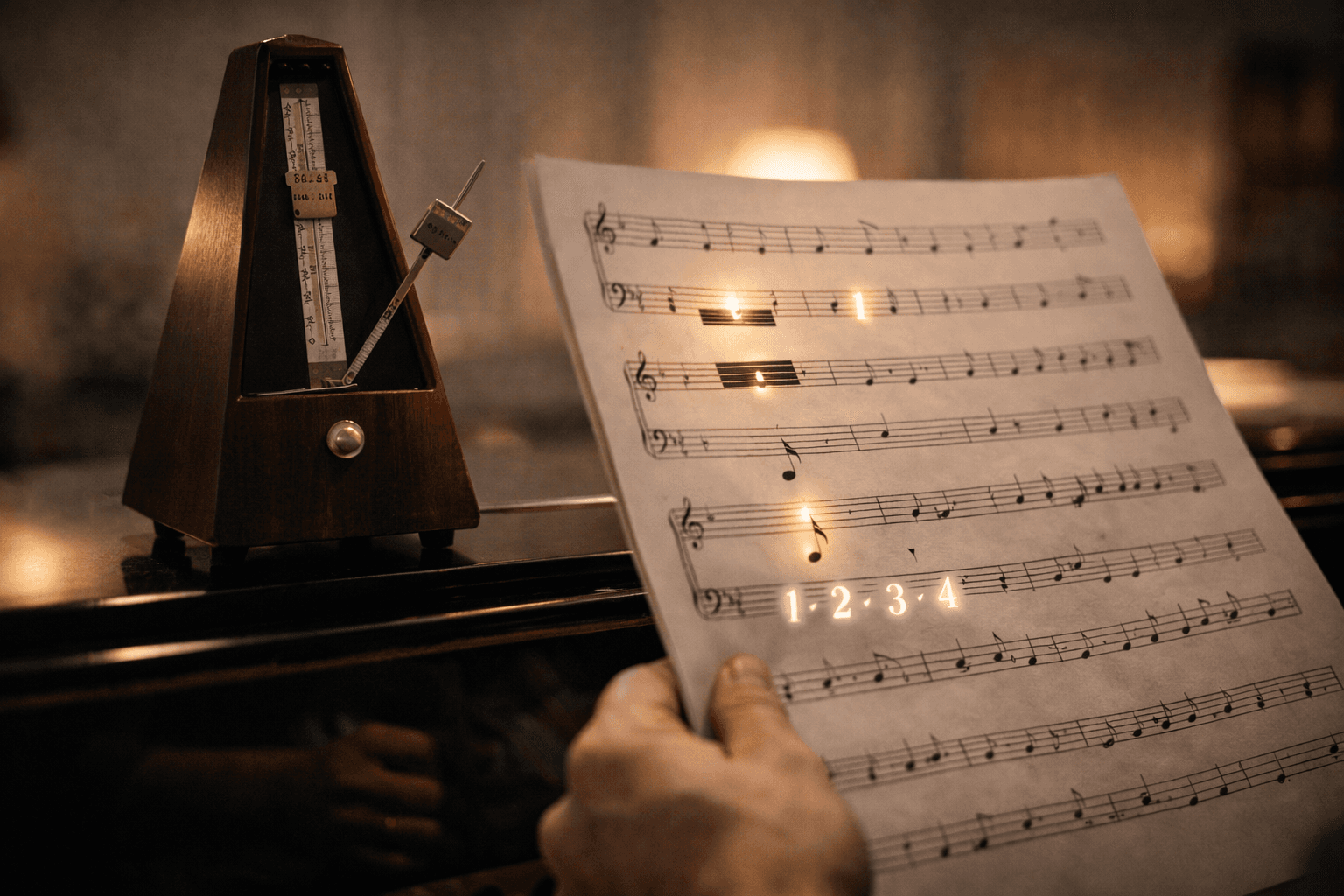
Learning how to count rests in sheet music requires steady beat counting in music, where musicians silently count beats during pauses while following the written rhythm.
Practicing Rhythm with a Metronome
A metronome strengthens musical timing and rhythm by maintaining a steady pulse which helps musicians practice rhythm rests in music with consistent timing.
Exercises to Master Rest Timing
Effective rhythm exercises include clapping patterns, tapping beats, and studying musical rest examples to improve the ability to follow rest duration in music precisely.
Other Types of Musical Pauses and Breaks
 Beyond standard rests, music notation includes additional symbols that indicate pauses. These markings influence performance interpretation and phrasing.
Although different from traditional rests these pauses still contribute to Musical Rests in Music by expanding expressive possibilities within the sheet music notation system.
Fermata in Music
A fermata symbol placed above a rest creates a rest with fermata, allowing musicians to extend silence beyond its written value for expressive pause in musical composition.
Caesura (Musical Break Symbol)
A caesura symbol indicates a sudden break in sound which creates a dramatic interval of silence in music before the next musical phrase begins.
Breath Marks in Vocal and Instrumental Music
Breath marks signal a quick pause where singers or instrumentalists briefly stop sound while preserving overall tempo and rhythm in music.
Learning Music Theory and Piano Skills with Art Gharana
 Learning rhythm becomes easier when students receive structured guidance. Many beginners struggle with Musical Rests in Music because silence feels harder to count than sound. However a clear understanding of musical timing and rhythm helps students recognize how rests shape the natural flow of music.
Art Gharana introduces students to the sheet music notation system, guiding them through rest symbols in music theory, rhythmic exercises, and musical interpretation. Through focused training students learn counting rests in music, understanding rest values in music, and mastering rhythmic phrasing in music with confidence.
Conclusion: Why Musical Rests Are Essential for Rhythm and Expression
Music may appear to be built entirely from sound. Yet silence often carries equal power. Through Musical Rests in Music, composers organize rhythm, shape phrasing, and control emotional pacing inside a composition.
Understanding music rest symbols, rest duration in music, and the rest and note relationship allows musicians to perform with precision. When musicians respect silence they unlock deeper expression and stronger musical rhythm patterns.
A musician who masters rests gains control over timing. That control influences tempo and rhythm in music, strengthens musical phrasing pauses, and improves overall performance quality.
Frequently Asked Questions About Musical Rests
1. What is the purpose of a rest in music?
The purpose of a rest is to create silent beats in music that organize musical rhythm patterns, allowing musicians to control phrasing, maintain musical timing and rhythm, and follow the structure of the sheet music notation system accurately.
2. How many types of rests exist in music theory?
Music theory commonly includes several types of rests in music such as whole rest in music, half rest in music, quarter rest symbol, eighth rest symbol, sixteenth rest symbol, and thirty second rest, each representing a specific rest duration in music.
3. Do rests affect tempo in music?
Rests do not change the tempo directly, but they influence tempo and rhythm in music by controlling the spacing between notes and shaping rhythmic phrasing in music within the overall rhythm structure in music.
4. How do beginners learn to count rests?
Beginners learn how to count rests in sheet music through steady beat counting in music, rhythm exercises, and repeated practice with musical rest examples that demonstrate how silence fits within musical measures.
5. Are musical rests important for piano learners?
Yes rests are extremely important for piano students because rests in piano music help maintain rhythm accuracy, reinforce musical timing control, and teach students how the rest and note relationship forms the foundation of expressive performance.