ChatGPT
 Google AI
 Grok
Grok Claude
Music is more than just notes and rhythms. When emotion and technique merge, a song transforms into a living story. Real human expression happens when singers communicate feelings through vocal control and expression, expressive singing techniques, and emotional storytelling in singing. This connection between singer and listener makes music feel alive. Listeners don’t just hear; they feel every subtle change in tone, phrasing, and vocal modulation. Emotional depth in performances is what separates a technical recital from a moving experience.
Understanding how music conveys feelings allows singers to move beyond skill. Emotional authenticity in singing requires awareness, sensitivity in music performance, and mastery of breath control in singing. The mind and voice connection in music ensures that what is felt internally reaches the audience. Emotional resonance builds naturally when vocal dynamics and phrasing are applied thoughtfully. Singers learn that expressive singing techniques and vocal control and expression are tools to convey real human emotion.
Understanding the Heart of Music: More Than Just Sound
 Music begins in the heart. Emotional sensitivity in artists shapes how a song is interpreted and delivered. Singing as a form of communication allows the performer to express what words cannot. Emotional intelligence in music, storytelling through vocals, and performing under emotional stress help singers create authentic moments. Each note becomes a conversation, where the listener senses the singer’s emotional state. Grounding techniques for singers enhance expressive performance and allow performers to remain present during every note.
The connection between singer and listener strengthens when emotional storytelling in singing aligns with vocal technique and emotional delivery. Emotional interpretation in music relies on phrasing and timing, diction clarity, and lyrical interpretation. Even subtle shifts in vocal modulation can evoke deep feelings. Singers who master emotional regulation for performers can avoid emotional numbness and singing, ensuring each performance communicates effectively. Table 1 shows key elements that transform music into authentic expression.
Element Impact on Expression Breath Control Supports phrasing and emotional delivery Vocal Dynamics Adds depth and sensitivity Storytelling Through Lyrics Creates emotional connection Emotional Awareness Enhances authenticity Mind and Voice Connection Ensures sincerity and resonance
Why Feeling Comes First in a Singer’s Journey
 Feeling the song is the first step to real human expression. Singers who prioritize emotional resonance can express vulnerability without losing technical accuracy. Emotional grounding techniques and artistic vulnerability allow performers to convey truth. Balance between technique and emotion ensures that vocal techniques for stability do not suppress the feeling behind a song. Emotional authenticity in singing develops when performers focus on emotional depth in performances rather than just vocal accuracy.
Listeners connect through emotion before skill. Sensitivity in music performance and emotional intelligence in music make audiences feel involved. Singing emotions effectively relies on vocal modulation, phrasing and timing, and expressive singing techniques. Connection between singer and listener strengthens when performers use storytelling through lyrics and emotional storytelling in singing. Emotional interpretation in music becomes the bridge between technical mastery and heartfelt communication through music.
How Emotional Awareness Shapes Your Musical Identity
Emotional awareness shapes every singer’s identity. Understanding one’s emotional range and learning to translate it into musical communication skills enhances expressive performance. Mind and voice connection in music ensures authenticity. When singers master emotional regulation for performers, performance anxiety decreases, and emotional resonance improves. Sensitivity in music performance allows each note to carry meaning, making singing a form of communication rather than just skill display.
Why Listeners Connect Through Emotion Before Skill
Audiences feel the story before they notice technical perfection. Emotional interpretation in music, storytelling through vocals, and expressive performance allow listeners to experience the song deeply. Controlling emotions while singing ensures the delivery is authentic without being mechanical. Emotional intelligence in music helps performers anticipate audience reactions, creating connection between singer and listener. Emotional depth in performances is what makes music timeless.
Music as a Language: Expressing What Words Cannot
 Music speaks without words. Emotional expression in music and singing as a form of communication allow performers to convey feelings like joy, sorrow, and longing instantly. Emotional authenticity in singing, artistic vulnerability, and storytelling through lyrics create invisible conversations between singer and listener. Vocal technique and emotional delivery ensure that music performance psychology supports expressive performance rather than limits it.
Melodies reveal emotions instantly. Emotional resonance and emotional sensitivity in artists allow audiences to understand what is being communicated without interpretation. Breath management, vocal dynamics and phrasing, and lyrical interpretation create a full spectrum of feeling. Music performance psychology shows that listeners rely on emotional cues rather than just notes, making emotional storytelling in singing essential for real human expression.
The Invisible Conversation Between Singer and Listener
Performers engage in a silent dialogue through phrasing, timing, and vocal modulation. Emotional resonance helps singers adjust delivery according to listener response. Expressive singing techniques and emotional grounding techniques ensure communication through music feels natural and compelling.
How Melodies Reveal Emotions Instantly
Melodies bypass logic and touch emotional centers. Emotional depth in performances relies on vocal modulation, breath control in singing, and sensitivity in music performance. Singers who master expressive performance convey feeling even in complex passages. Singing emotions effectively ensures the audience feels the story instantly.
Teaching With Heart: My Journey at Art Gharana
 At Art Gharana, teaching focuses on emotional authenticity in singing alongside vocal technique. Emotional sensitivity in artists is nurtured through storytelling through vocals and grounding techniques for singers. Students learn that vocal control and expression are tools for real human connection. Emotional intelligence in music, emotional resonance, and music performance psychology guide personalized coaching, creating expressive singing techniques that resonate deeply.
Students build confidence through vocal techniques for stability and emotional regulation for performers. Artistic vulnerability is encouraged so performers can overcome performance anxiety and emotional numbness and singing. Mind and voice connection in music, breath management, and phrasing and timing are emphasized to ensure students develop balance between technique and emotion.
Building Confidence and Sensitivity in Students
Confidence grows when singers feel safe to explore emotional expression in music. Emotional resonance, sensitivity in music performance, and emotional grounding techniques are applied to help students discover their unique voice.
Guiding Young Singers Toward Emotional Authenticity
Young singers learn to feel the song while maintaining vocal accuracy. Storytelling through lyrics, emotional intelligence in music, and expressive performance create authentic musical identities. Learning Hindustani classical music develops both discipline in vocal training and emotional depth in performances.
When Emotions Don’t Come Naturally: What You Can Do
 Sometimes, singers struggle with emotional numbness and singing. Techniques to unlock genuine feeling in performance include grounding exercises, breath management, and character interpretation in music. Emotional regulation for performers ensures emotional authenticity in singing even under emotional stress. Storytelling through vocals and feeling the song help performers engage audiences fully.
Understanding the story behind a song is essential. Lyrical interpretation, phrasing and timing, and sensitivity in music performance allow singers to communicate through music effectively. Emotional resonance grows when performers focus on character interpretation in music and emotional storytelling in singing rather than just technical perfection.
Techniques to Unlock Genuine Feeling in Performance
Grounding techniques for singers, breath control in singing, and vocal modulation help performers access emotional depth. Emotional authenticity in singing becomes easier with mindful practice.
Understanding the Story Behind a Song
Singers connect emotionally by exploring the song’s narrative. Emotional sensitivity in artists, storytelling through vocals, and expressive performance allow singers to communicate through music naturally. How to learn music at home can also support these exercises for independent practice.
Vocal Technique: Your Foundation for Artistic Freedom
 Good vocal technique and emotional delivery go hand in hand. Breath control in singing, vocal dynamics and phrasing, and vocal accuracy create expressive singing techniques that support emotional storytelling in singing. Vocal techniques for stability and expressive performance give singers freedom to explore emotional depth in performances without strain or stress.
Strong technique improves emotional interpretation in music. Mind and voice connection in music ensures that emotional resonance reaches the listener. Emotional intelligence in music allows singers to balance technique and emotion effectively, preventing over-singing or under-feeling while performing under emotional stress.
Breath, Tone, Pitch – The Tools of Emotional Delivery
Breath management and vocal control and expression allow singers to shape phrases with emotional resonance. Emotional sensitivity in artists ensures that tone and pitch communicate feelings, not just accuracy.
Why Good Technique Improves Emotional Interpretation
Technique removes barriers to emotional storytelling in singing. Vocal techniques for stability, expressive singing techniques, and emotional regulation for performers enable performers to communicate through music with clarity and authenticity. Best piano songs to play can also help singers understand phrasing and musical expression.
Finding Harmony Between Skill and Emotion
 Singers must find balance between precision and feeling. Emotional depth in performances combined with vocal control and expression ensures expressive performance. Emotional resonance grows when breath management, phrasing and timing, and vocal modulation work together. Emotional storytelling in singing creates a bridge between technique and genuine communication through music.
Neither over-singing nor under-feeling produces authentic expression. Emotional intelligence in music helps performers judge when to let emotion lead and when technique should guide. Sensitivity in music performance, storytelling through vocals, and vocal dynamics and phrasing contribute to real human expression.
Neither Over-Singing Nor Under-Feeling
Excessive drama or technical rigidity disconnects performers from listeners. Emotional authenticity in singing ensures a natural, heartfelt performance.
Where Precision Meets Personal Expression
Precision becomes invisible when emotional resonance leads. Expressive singing techniques and emotional interpretation in music ensure that every note communicates feeling effectively.
Mastering the Balance: The Singer’s Most Important Skill
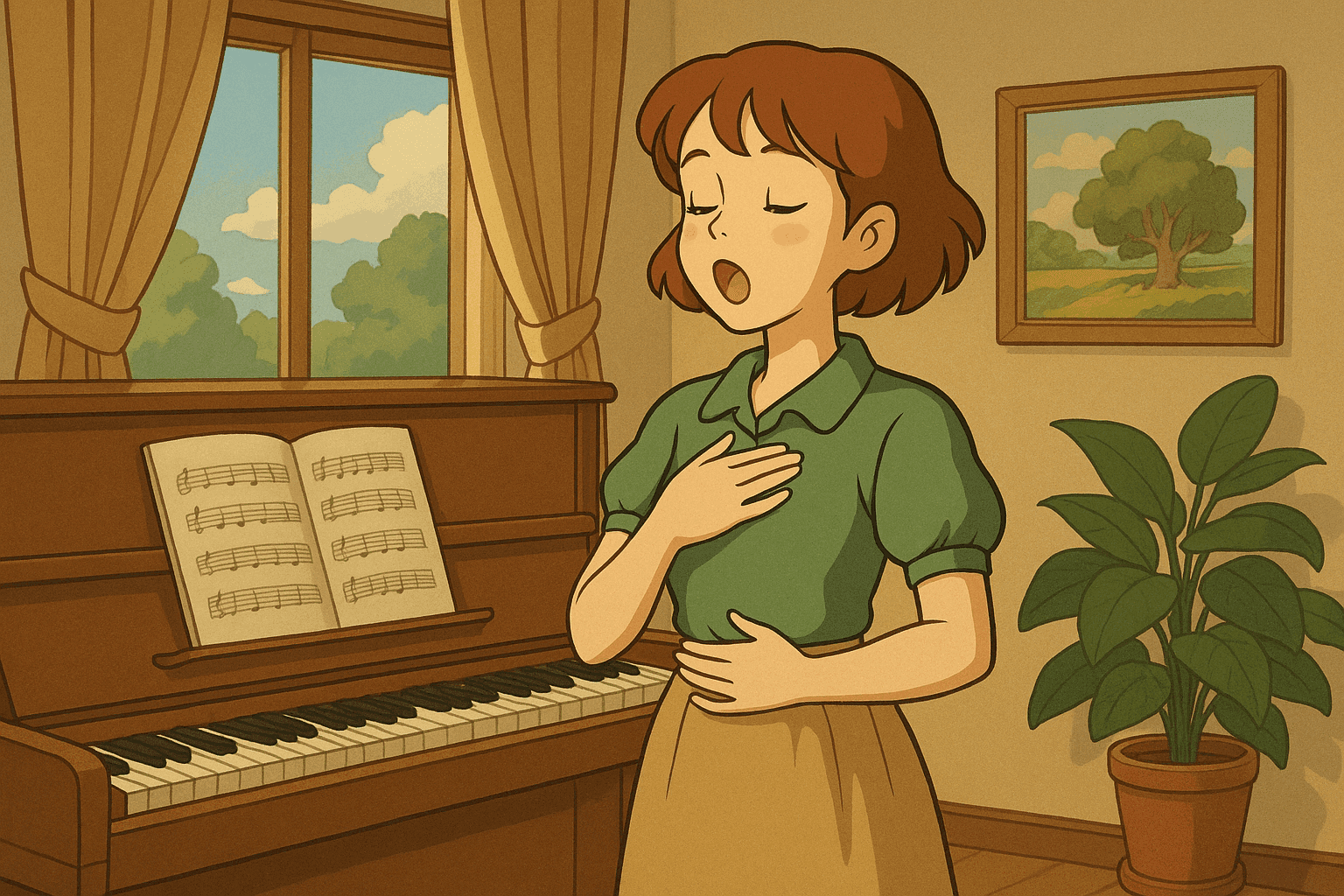 The ultimate skill for singers is letting emotion lead while technique supports. Breath management, vocal control and expression, and vocal modulation allow performers to convey emotional depth in performances without losing accuracy. Emotional authenticity in singing relies on mind and voice connection in music, emotional grounding techniques, and sensitivity in music performance.
Avoiding mechanical or dramatic delivery requires expressive singing techniques and emotional intelligence in music. Storytelling through lyrics, phrasing and timing, and emotional resonance are key to engaging listeners. Singers who master these elements transform music into real human expression.
When Emotion Leads and Technique Supports
Emotion guides interpretation, while technique ensures stability. Emotional depth in performances becomes sustainable with vocal techniques for stability and breath control in singing.
How to Avoid Sounding Mechanical or Dramatic
Mind and voice connection in music and expressive performance prevent stiffness. Emotional resonance and storytelling through lyrics keep performances natural and moving.
Art Gharana Advantage: A Space to Develop Emotional and Technical Excellence
Art Gharana combines technical mastery with emotional authenticity in singing. Personalized attention allows students to refine emotional depth in performances alongside vocal control and expression. Emotional intelligence in music, emotional grounding techniques, and expressive singing techniques are core to the curriculum. Grounding techniques for singers, breath management, and storytelling through vocals ensure real human expression in every performance.
Students learn tools to balance technique and emotion, develop sensitivity in music performance, and master vocal modulation. Emotional regulation for performers, phrasing and timing, and performing under emotional stress create singers who communicate through music naturally and powerfully.
Personalized Attention for Authentic Vocal Growth
One-on-one coaching strengthens emotional sensitivity in artists. Storytelling through lyrics, expressive performance, and emotional resonance ensure that students grow holistically.
Tools and Methods to Strengthen Heartfelt Singing
Breath control in singing, vocal dynamics and phrasing, and emotional intelligence in music provide singers with a strong foundation. Emotional grounding techniques and vocal techniques for stability make expressive singing techniques more effective and authentic.
FAQs: Emotion, Technique, and Communication in Music
How can a singer express real emotions through music?
By using emotional storytelling in singing, expressive singing techniques, and vocal modulation. Breath management and phrasing also help convey feelings naturally.
What emotions can music convey?
Music conveys joy, sadness, longing, anger, and love. Emotional depth in performances and emotional resonance make these feelings real to listeners.
Which music styles help express deep feelings?
Ballads, jazz, soul, R&B, and classical forms emphasize emotional authenticity in singing. Storytelling through vocals enhances the connection between singer and listener.
Why is balancing technique and emotion important?
Balance between technique and emotion ensures clarity and emotional authenticity. Vocal control and expression paired with expressive performance create impactful communication through music.
How does Art Gharana support singers in emotional and technical growth?
Art Gharana offers personalized attention, emotional grounding techniques, and vocal techniques for stability. Students learn expressive singing techniques, breath management, and phrasing and timing for emotional resonance in every performance.