ChatGPT
 Google AI
 Grok
Grok Claude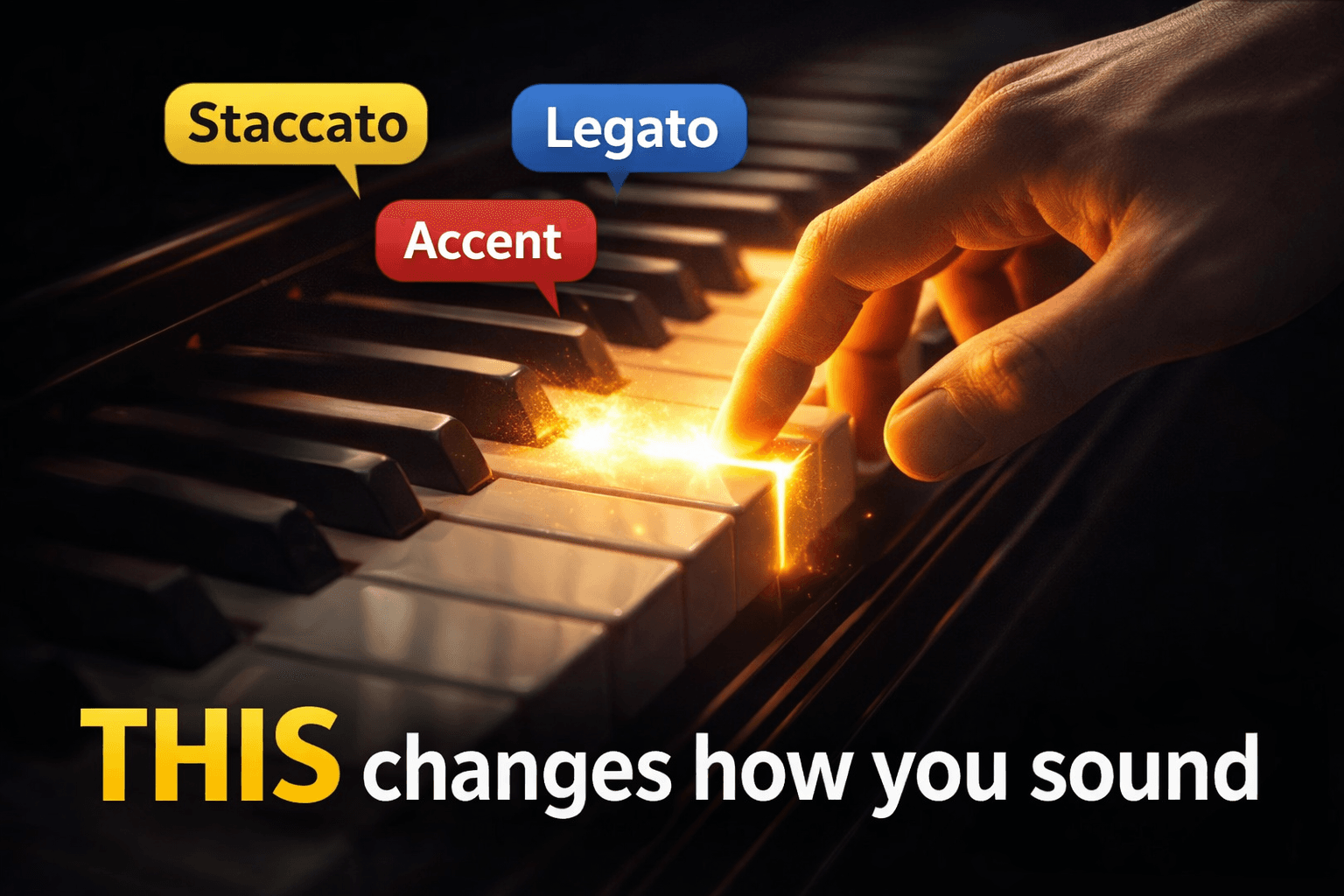
Articulation in music shapes how notes speak, breathe, and connect. It turns written symbols into living sound. Without articulation, music feels flat and mechanical. With it, music feels human, emotional, and expressive. This guide explains articulation in music clearly for piano learners and general musicians, using simple language and practical insight.
Introduction to Articulation in Music
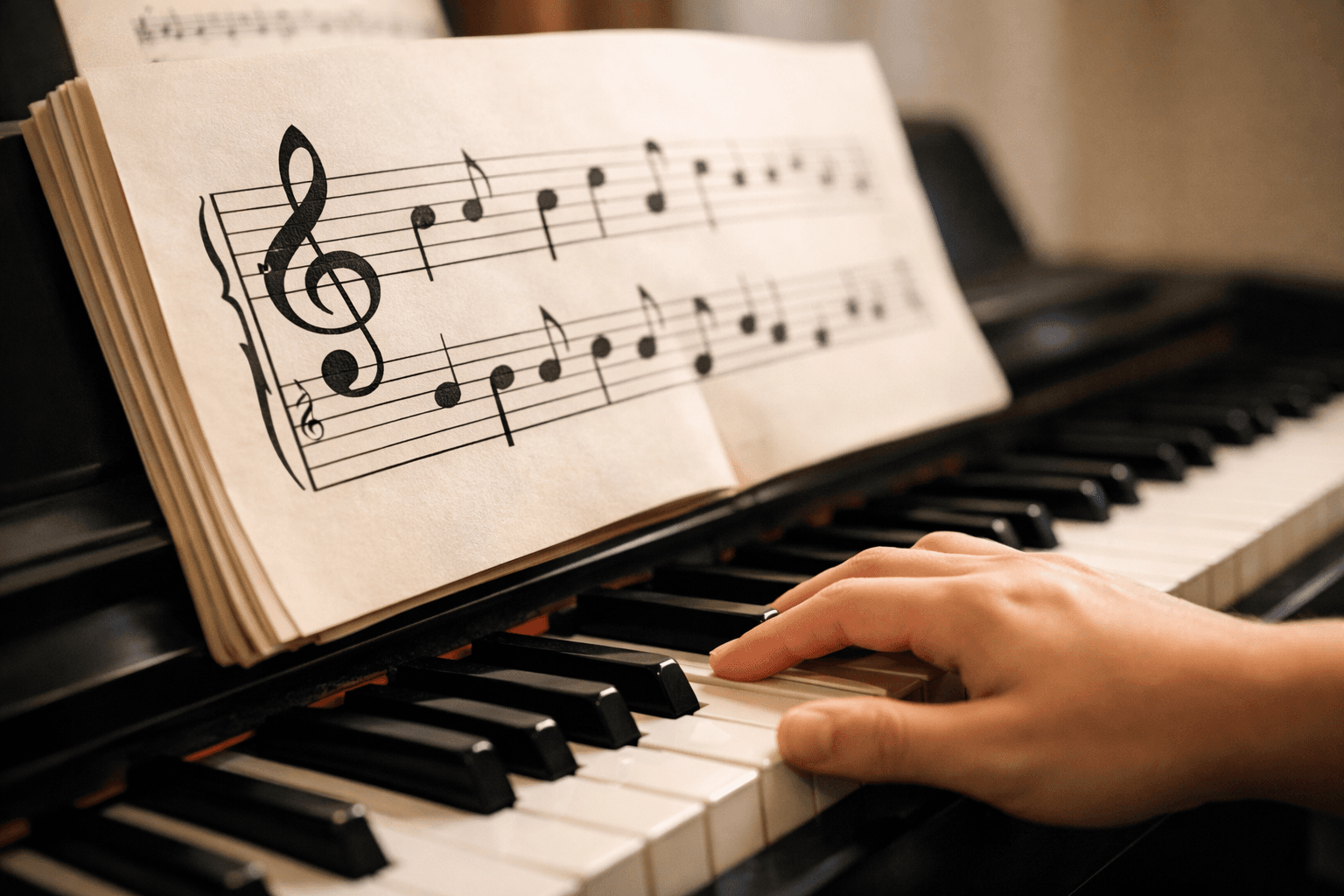 Articulation in music explains how each note starts, continues, and ends. It decides whether notes feel smooth, sharp, light, or heavy. Even when pitch and rhythm stay the same, articulation can completely change how music feels to the listener.
For piano learners and musicians, articulation brings music to life. It adds personality to notes and emotion to phrases. Learning articulation early helps avoid stiff playing and builds expressive confidence from the beginning.
What Does Articulation Mean in Music Theory
 What is articulation in music? Articulation refers to how musical notes are shaped during performance. It controls note duration and attack without changing pitch or rhythm. This includes how notes connect, separate, or receive emphasis.
Articulation works closely with dynamics and tempo but serves a different purpose. Dynamics control loudness. Tempo controls speed. Articulation controls shape and clarity. Together, they create musical expression that feels intentional and alive.
Why Articulation Matters in Musical Performance
 Articulation affects clarity, rhythm, and emotion. Notes played without clear articulation often blur together. The music loses direction. Proper articulation makes phrases understandable, even to untrained listeners.
Correct notes alone are never enough. Articulation gives notes personality. It guides the listener through musical storytelling. Without articulation, even beautiful melodies feel empty and unconvincing.
Articulation affects clarity, rhythm, and emotion. Notes played without clear articulation often blur together. The music loses direction. Proper articulation makes phrases understandable, even to untrained listeners.
Correct notes alone are never enough. Articulation gives notes personality. It guides the listener through musical storytelling. Without articulation, even beautiful melodies feel empty and unconvincing.
Importance of Articulation for Piano Students
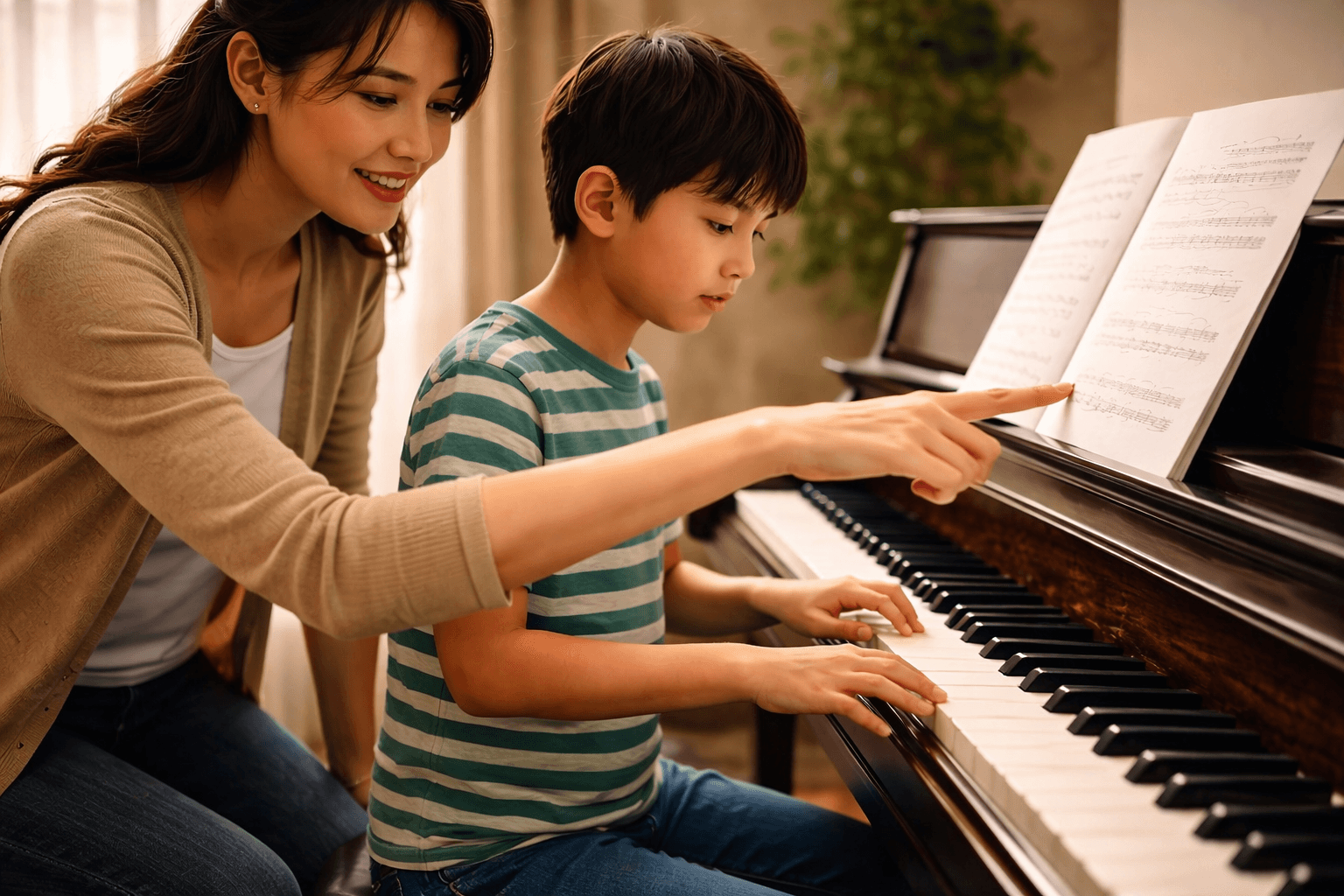 Articulation in piano playing builds control in fingers, wrists, and arms. Pianists rely on touch to shape sound. Without articulation awareness, piano music can sound robotic and stiff.
For piano learners, articulation develops finger independence and tone control. It teaches how to release notes cleanly and connect phrases naturally. Expressive piano playing begins with mastering articulation techniques early.
How Articulation Shapes Musical Expression
Articulation and musical expression are deeply connected. Smooth articulation suggests calm or warmth. Sharp articulation suggests excitement or tension. Each articulation style carries emotional meaning.
In real music, articulation defines character. A flowing legato passage feels lyrical. A detached staccato passage feels playful or dramatic. Articulation transforms written notes into emotional experiences.
Understanding Articulation Symbols in Sheet Music
Articulation symbols in music act like performance instructions. They tell musicians how notes should behave. Ignoring these symbols changes the meaning of the music entirely.
Articulation markings in sheet music guide phrasing, emphasis, and texture. Learning to read articulation notation correctly helps musicians respect the composer’s intention while developing personal interpretation.
Slurs and Phrase Marks
Slurs connect multiple notes into one musical thought. They show how phrases should flow naturally. Slurs differ from ties because they guide expression rather than rhythm length, especially in piano articulation techniques.
Legato Articulation
Legato means smooth and connected. In piano articulation technique, legato uses finger overlap and gentle wrist motion. The pedal supports legato but never replaces proper finger control.
Staccato and Staccatissimo
Staccato creates short, detached notes. Staccatissimo is even shorter and sharper. Both articulation styles change note length and touch without altering rhythm placement or pitch.
Portato and Detached Legato
Portato sits between legato and staccato. Notes stay connected but slightly separated. This articulation style appears often in lyrical classical music and expressive instrumental music.
Accents in Music
Accents add emphasis to individual notes. They affect rhythmic feel and musical drive. Accents work alongside articulation and dynamics to highlight important musical moments.
Sforzando and Sudden Emphasis
Sforzando creates a sudden strong attack followed by immediate softness. This articulation adds drama and surprise, especially in classical piano music.
Marcato Articulation
Marcato means strongly marked. Notes receive extra weight and clarity. Marcato differs from accents by adding firmness without sustaining loudness.
Tenuto Markings
Tenuto asks the performer to hold a note fully. It adds weight and importance to a note. Tenuto often shapes phrasing and musical balance.
Fortepiano Articulation
Fortepiano means loud then immediately soft. This dynamic articulation appears often in classical music. It adds contrast and expressive tension.
Fermatas and Held Notes
Fermatas extend notes beyond their written value. Performers decide their length based on musical context. Fermatas create pauses that heighten emotion.
Articulation Techniques for Piano Playing
Articulation techniques for piano rely on finger control, wrist flexibility, and arm weight. Each articulation demands a different physical response. Light touch suits staccato. Controlled weight supports legato.
Good articulation control in music requires precise release timing. Pianists must listen closely to how notes end, not just how they begin. This awareness improves tone and clarity.
Vocal vs Instrumental Articulation
 Articulation in instrumental music differs from vocal articulation. Singers shape sound using breath, vowels, and consonants. Instrumentalists rely on physical technique and touch.
Both approaches share the same goal. Clear communication of musical intent. Understanding this difference improves ensemble playing and musical awareness.
Articulation in Vocal Music
Articulation for singers depends on diction and breath control. Clear consonants and shaped vowels create expressive phrasing and intelligible musical lines.
Instrument-Specific Articulation
Articulation varies across instruments. Piano uses touch and release. Strings use bowing. Winds use tongue and breath. Each method shapes sound differently.
Practicing Articulation Effectively on Piano
Articulation practice exercises work best when done slowly. Slow practice allows focused listening and control. Speed increases naturally with accuracy.
Mindful repetition builds consistency. Practicing articulation in isolation helps pianists recognize differences between touches and develop expressive habits.
Common Articulation Mistakes Piano Learners Make
Many beginners overuse staccato or ignore slurs. Others play everything legato. These habits flatten musical expression and reduce clarity.
Confusing articulation and dynamics is another mistake. Playing louder does not replace correct articulation. Both must work together for expressive results.
Benefits of Mastering Articulation
Mastering articulation improves musicality and confidence. It enhances sight-reading accuracy and stylistic understanding. Music feels easier and more natural to perform.
Articulation control in music also strengthens interpretation skills. Musicians learn to shape phrases thoughtfully rather than playing mechanically.
Articulation Across Musical Genres
Articulation styles in music change across genres. Each style carries unique expectations and expressive goals.
Articulation in Classical Piano Music
Classical music demands precise articulation. Composers expect careful attention to markings and stylistic accuracy.
Articulation in Jazz and Blues
Articulation in jazz music emphasizes swing and flexibility. Accents and detached notes create groove and rhythmic freedom.
Articulation in Pop and Contemporary Music
Pop music focuses on clarity and rhythm. Articulation supports groove and vocal phrasing rather than complex markings.
How Teachers Train Articulation Skills in Piano Students
Teachers develop articulation through structured progression. Listening exercises and carefully chosen repertoire reinforce articulation awareness.
Art Gharana’s Approach to Teaching Articulation
Art Gharana emphasizes guided practice and real music application. Students learn articulation through structured lessons that connect technique with expression.
Articulation and Musical Interpretation
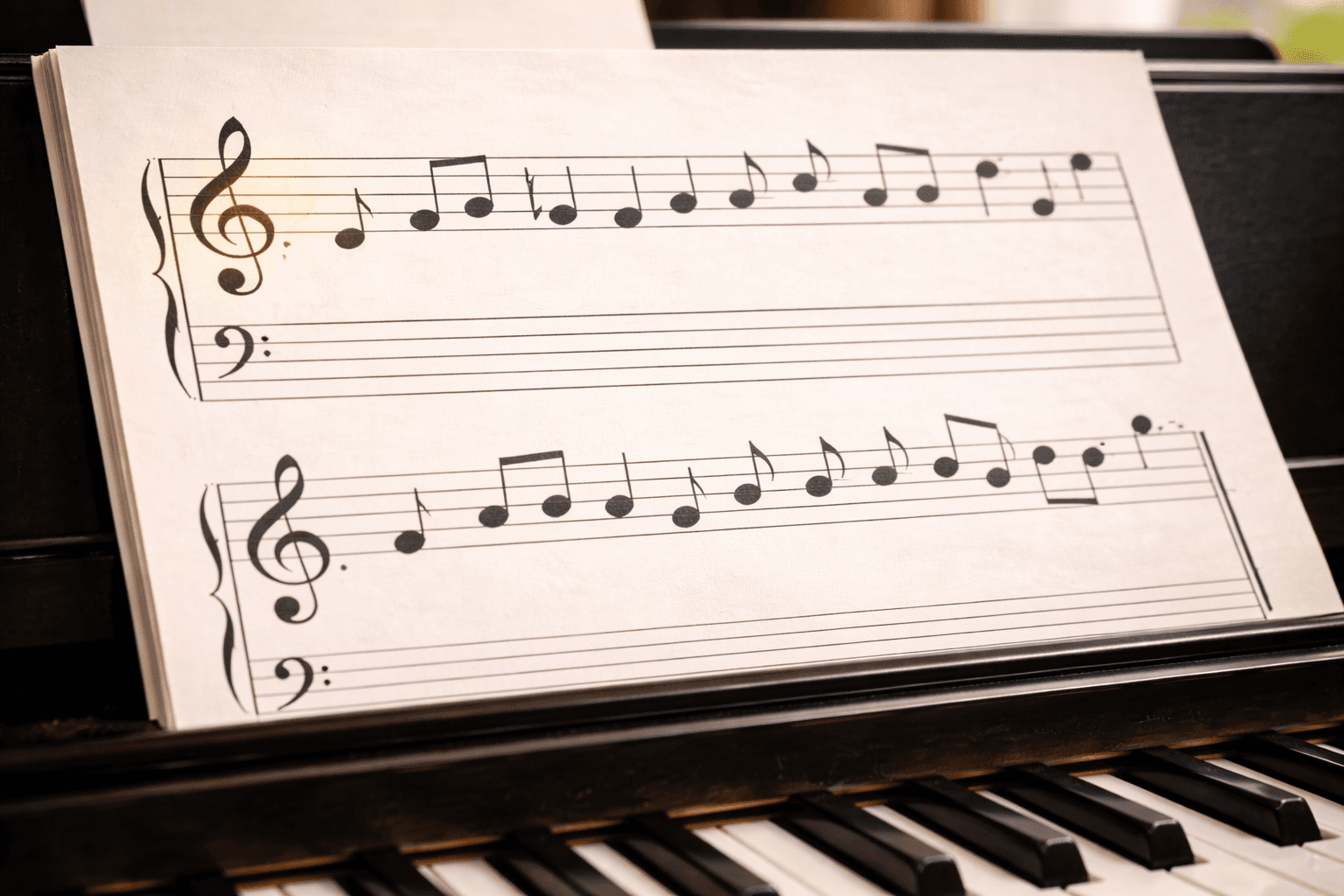 Articulation allows musicians to express individuality while honoring the composer’s vision. It bridges technique and emotion.
Through articulation and phrasing, musicians communicate meaning beyond notes. Interpretation becomes thoughtful and personal.
Frequently Asked Questions About Articulation in Music
1. What is articulation in simple musical terms
Articulation explains how notes are played. It shapes their length, attack, and connection.
2. Why is articulation important for piano learners
It prevents mechanical playing and builds expressive control early.
3. How do I practice articulation at home
Practice slowly. Listen carefully. Isolate articulation patterns.
4. Is articulation more important than dynamics
Both matter equally. Articulation shapes notes. Dynamics shape volume.
5. Can beginners learn articulation early
Yes. Early exposure builds better habits and confidence.
Final Thoughts on Learning Articulation in Music
Articulation in music connects technique with expression. It transforms notes into meaningful sound. With consistent practice and attentive listening, articulation becomes natural and intuitive. Guided learning through platforms like Art Gharana supports this journey with clarity and confidence.