ChatGPT
 Google AI
 Grok
 Claude

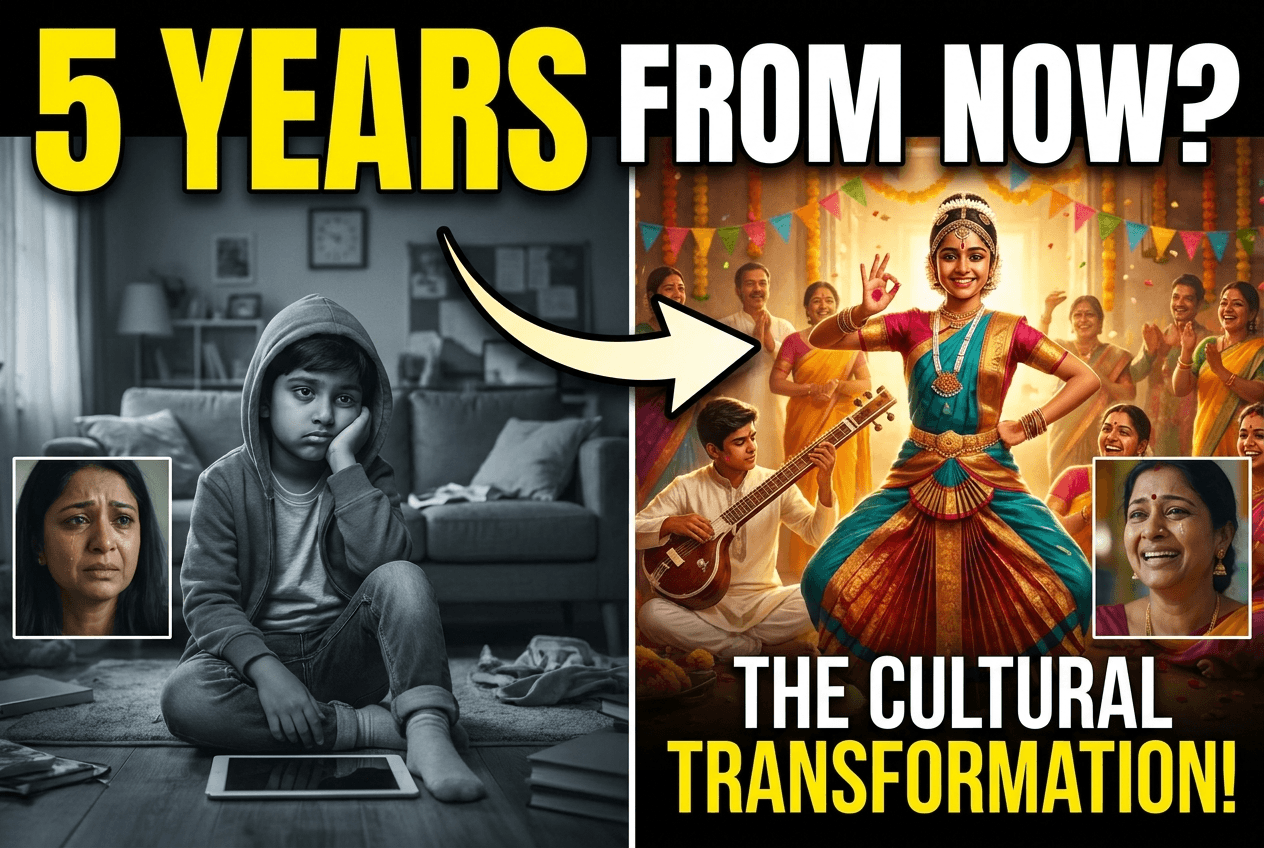
Something unexpected is happening among India's young people. A generation raised on smartphones, streaming and social media, often assumed to be indifferent to tradition, is rediscovering the cultural arts in growing numbers. Classical music and dance are finding new young audiences and practitioners, heritage crafts are trending on social platforms, and Gen Z creators are reinterpreting traditional forms for a digital age. Far from abandoning cultural arts, India's youngest adults are reclaiming them, and doing so on their own terms. For employers competing to attract and retain this generation, understanding why matters a great deal.
This rediscovery is not a passing fashion. It reflects deep generational needs, for identity, authenticity, wellbeing and meaningful experience, that the cultural arts uniquely meet. Companies that understand this can build workplace cultures and benefits that genuinely resonate with Gen Z, and cultural programs are among the most direct ways to do so. This is the HR leader's guide to why Gen Z is rediscovering cultural arts, and what it means for employers in 2026.
A Generation Seeking Identity
Gen Z has grown up more globally connected than any generation before it, immersed in a borderless digital culture. Paradoxically, this very globalisation has intensified a desire for rootedness and identity. Surrounded by the homogenous global internet, many young Indians are turning back toward their own heritage as a source of distinctiveness and belonging, something that is genuinely theirs. Learning a classical raga, a traditional dance, or the story behind a regional art form becomes a way of answering the question of who they are and where they come from. This search for identity is one of the strongest forces behind the rediscovery, and it is a need that follows young people into the workplace, where they seek employers whose cultures respect and reflect it.The Reaction Against Digital Overload
Gen Z is also the first generation to experience the full weight of digital saturation, and many are consciously seeking respite from it. The cultural arts offer exactly the kind of embodied, present, screen free experience that a digitally exhausted generation craves. Playing an instrument, singing or dancing demands full physical and mental presence in a way that scrolling never does, and the flow state that creative practice produces is a genuine antidote to fragmented digital attention. For many young people, rediscovering cultural arts is partly a deliberate act of wellbeing, a way to reclaim focus, calm and presence from an overwhelming digital world.
Authenticity Over Manufactured Experience
Authenticity is a defining value for Gen Z, who are notably sceptical of the polished, commercial and manufactured. Cultural arts, with their depth, lineage and genuine craft, offer exactly the authenticity this generation prizes. A classical tradition refined over centuries carries a weight and integrity that mass produced entertainment lacks, and engaging with it feels meaningful in a way passive consumption does not. This preference for the authentic extends directly to how Gen Z evaluates employers: they see through superficial perks and corporate messaging, and they respond to genuine culture. An employer whose engagement with cultural arts is real rather than tokenistic signals exactly the authenticity Gen Z is looking for.
Social Media as an Unlikely Ally
Contrary to the assumption that social media erodes traditional culture, it has become one of the most powerful engines of the cultural arts revival. Young classical musicians and dancers reach vast audiences through short form video, traditional forms are reinterpreted and shared in ways that feel fresh and current, and the visual richness of Indian arts is perfectly suited to visual platforms. For Gen Z, sharing an engagement with cultural arts is also an act of identity and self expression. This has direct implications for employers: cultural programs generate exactly the kind of authentic, visually rich, shareable content that Gen Z employees are proud to post, turning a workplace benefit into organic employer brand reach among precisely the talent companies want.What This Means for Employers
The rediscovery of cultural arts by Gen Z is not merely a cultural curiosity; it is strategic intelligence for employers. This generation now makes up the largest and fastest growing share of the Indian workforce, and it chooses employers based on values, culture and experience as much as compensation. A company that offers genuine cultural arts experiences speaks directly to Gen Z's search for identity, its craving for authenticity, its wellbeing needs and its desire for meaningful, shareable experience. In a talent market where Gen Z candidates research culture thoroughly and leave quickly when it disappoints, aligning with this generation's rediscovery of cultural arts is a genuine competitive advantage.
The Science of Creative Wellbeing
Gen Z's intuition that cultural arts support wellbeing is confirmed by research. A 2025 scoping review published in BMC Complementary Medicine confirmed that music based interventions show meaningful benefits for mood, stress levels and overall satisfaction, with music reducing cortisol, lowering blood pressure and lifting mood through endorphin release. Studies of interpersonal synchrony show that making music and moving together builds trust and belonging. For a generation attentive to mental health and wary of burnout, these are not abstract findings but reasons the cultural arts feel good and do good. Employers who offer cultural programs are therefore meeting a wellbeing need Gen Z takes seriously, with an intervention the evidence supports.
What Gen Z Cultural Programs Look Like
Live Group Sessions
Live group Bollywood dance, tabla and vocal sessions give Gen Z employees the embodied, social, authentic and shareable experience they value, all in one. These sessions build connection while speaking directly to the generation's rediscovery of cultural arts, and the content they generate is exactly what young employees are proud to share.
Individual Cultural Learning
Offering individual one to one learning, a young employee taking up bansuri flute, Carnatic vocal or Kathak, speaks to Gen Z's desire for genuine skill and identity. Supporting this personal cultural exploration signals that a company values the whole person and the things that matter to them beyond work.
Cultural Challenges and Showcases
Gen Z loves social, experiential and lightly competitive activities, so cultural challenges, dance challenges, talent showcases, team performances, resonate strongly. These events turn cultural programs into memorable shared experiences and generate a stream of authentic content that strengthens employer brand among young talent.
The Talent Attraction and Retention Case
For HR leaders, aligning with Gen Z's rediscovery of cultural arts delivers measurable talent benefits. This generation research culture before accepting offers and cite distinctive, values aligned benefits as factors in their decisions, so a genuine cultural program improves offer acceptance and pipeline quality. On retention, Gen Z leaves employers whose culture feels inauthentic or disconnected, and cultural programs build exactly the genuine belonging that keeps them. At Indian attrition rates and replacement costs, a program that reduces early Gen Z departures even modestly repays its cost, and the authentic employer brand content young employees generate compounds the attraction benefit over time.
How to Build a Gen Z Aligned Cultural Program
Start with a Free Pilot
Art Gharana recommends a four to six week pilot with a team that includes Gen Z employees, generating engagement data and feedback. Book a corporate trial session to see how young employees respond before any commitment.
Keep It Authentic
Authenticity is non negotiable for Gen Z, so cultural programs must be genuine rather than tokenistic. Sessions led by certified practitioners who share real context and craft, rather than a shallow performance, are what earn this generation's respect and enthusiasm. Gen Z can tell the difference immediately.
Make It Social and Shareable
Design programs to be social and to generate content Gen Z is proud to share. Group sessions, challenges and showcases produce the experiences and the shareable moments that this generation values, turning a wellbeing benefit into organic employer brand reach among young talent.
About Art Gharana Corporate
Art Gharana is the only platform combining live music, dance, art and vocal wellness specifically positioned for corporate teams in India, and its authentic, certified instruction is exactly what resonates with Gen Z. With instructors across Bollywood dance, Kathak, Bharatanatyam, tabla, bansuri flute, Hindustani vocal and Carnatic vocal, Art Gharana delivers genuine cultural experiences in a format designed for corporate delivery. [Explore our full range of wellness courses](https://www.artgharana.com/courses), review our [plans and pricing for companies](https://www.artgharana.com/plans-and-pricing), and browse our [instructor profiles](https://www.artgharana.com/team) before booking your pilot through the [Art Gharana corporate programme](https://www.artgharana.com/corporate).Frequently Asked Questions
1. Why is Gen Z rediscovering cultural arts?
Gen Z is rediscovering cultural arts because they meet deep generational needs: for identity and rootedness in a globalised world, for screen free presence amid digital overload, for authenticity over manufactured experience, and for wellbeing. Social media has amplified the revival by giving traditional forms new reach and making cultural engagement a form of self expression.
2. What does Gen Z's interest in cultural arts mean for employers?
It means that cultural programs are a direct way to attract and retain Gen Z talent. A genuine cultural arts benefit speaks to this generation's search for identity, authenticity and wellbeing, and generates the shareable content they value, making it a powerful differentiator in a market where Gen Z chooses employers on culture and values.
3. How does Art Gharana engage Gen Z employees?
Art Gharana engages Gen Z employees through authentic, certified live instruction in music, dance and vocal disciplines, delivered as social, shareable group sessions and individual learning. This authenticity and experiential quality is exactly what resonates with a generation that values genuine culture over superficial perks.
Gen Z and the Future of Workplace Culture
Gen Z is not simply the newest cohort in the workforce; it is the cohort that will define workplace culture for the coming decade. Its values, authenticity, wellbeing, meaning, identity and genuine community, are already reshaping what employees expect from work, and companies that adapt to these values will win the talent competition while those that cling to an older model of perks and compensation will struggle. The rediscovery of cultural arts is a clear signal of where this generation's values point. Employers who read the signal and respond, by building genuine cultural experiences into their workplace, are not merely accommodating Gen Z; they are positioning themselves for the future of work that Gen Z is bringing about.
Cultural Programs Across Company Types
India's technology sector, with the youngest and most Gen Z heavy workforce, has the most to gain from cultural programs aligned with this generation's values, both for engagement and for the shareable employer brand content they generate. Startups, competing for young talent against larger firms, find cultural programs especially valuable for building the authentic, values driven culture Gen Z seeks. Larger enterprises and GCCs use cultural programs to signal to young talent that their scale has not come at the cost of genuine culture. Across all these, the common insight is that Gen Z chooses employers on culture, and cultural programs are among the most direct ways to build a culture this generation genuinely wants to join.
Building the Business Case in Five Steps
For HR leaders justifying a Gen Z aligned cultural program, a simple framework works. Step one: establish the baseline cost of current attrition, particularly early tenure Gen Z attrition, using replacement costs of fifty to two hundred percent of annual salary. Step two: establish the program cost for your team size. Step three: calculate the attrition reduction required to break even, typically only a few departures. Step four: cite the research on belonging, authenticity and Gen Z retention. Step five: add talent attraction and employer brand value as upside. Because Gen Z attrition is often disproportionately high and costly, this case is frequently even stronger than for the workforce as a whole.
Key Takeaways for HR Leaders
The essential insights for HR leaders are clear. Gen Z is rediscovering cultural arts because they meet genuine needs for identity, presence, authenticity and wellbeing, and social media is accelerating rather than hindering the revival. This generation chooses employers on culture and values, so cultural programs are a direct route to attracting and retaining Gen Z talent, and the authentic content young employees share strengthens employer brand. Because Gen Z attrition is often high and costly, the retention ROI is particularly compelling. Art Gharana's authentic, certified cultural programs are built precisely for this. The pilot is free. Begin today.
The Growing Wellness Market and Gen Z
The global corporate wellness market is projected to grow from $68.41 billion in 2025 to $118.21 billion by 2034, and Gen Z's expectations are a significant force behind that growth. This generation views wellbeing as a baseline expectation of employment rather than a bonus, and its definition of wellbeing is broad, encompassing mental, emotional and creative health alongside the physical. Cultural programs sit squarely within this expanded definition, delivering the creative and social wellbeing Gen Z values. Indian employers who add cultural programs are therefore responding to a market shift that this generation is actively driving, and doing so while such programs remain distinctive enough to differentiate an employer in a crowded talent market.
Why Art Gharana Resonates With Gen Z
Art Gharana is well suited to engage Gen Z employees for three reasons. First, authenticity: every instructor is a certified practitioner with genuine credentials and lineage, exactly the real craft this generation respects and can tell apart from tokenism. Second, breadth and relevance: from Bollywood dance to tabla to Carnatic vocal, the range spans the traditions young Indians are rediscovering and reinterpreting. Third, shareability: live, visually rich sessions produce exactly the content Gen Z is proud to post. The program is built for corporate delivery with flexible scheduling and beginner friendly content, and the pilot is free.
Bridging Generations Through Culture
While Gen Z drives the rediscovery of cultural arts, one of the quiet strengths of cultural programs is their ability to connect across generations in a mixed workforce. The Millennial manager, the Gen X leader and the Gen Z new joiner can all participate in a music or dance session as equals, each bringing their own relationship to the tradition. This shared creative ground bridges the generational divides that can otherwise fragment a team, giving colleagues of different ages a common, enjoyable experience. In workplaces spanning several generations, cultural programs thus serve Gen Z's values while building connection across the entire team, a dual benefit few other interventions offer.
Sustaining Gen Z Engagement Over Time
Gen Z's enthusiasm can be quickly won and quickly lost, so cultural programs must stay fresh and genuine to sustain their engagement. Rotating disciplines, running periodic challenges and showcases, and inviting young employees to help shape the program keep it alive and owned rather than imposed. Because authenticity is paramount, maintaining genuine, certified instruction rather than letting the program drift into gimmickry is essential to retaining this generation's respect. Handled with this care, a cultural program remains a living part of workplace culture that continues to attract, engage and retain Gen Z talent year after year, rather than becoming a stale benefit they quietly ignore.
People Also Ask: Gen Z and Cultural Arts in India
Why is Gen Z interested in traditional and classical arts?
Gen Z is interested in traditional and classical arts because they offer identity and rootedness in a globalised world, authentic depth in contrast to manufactured entertainment, and screen free presence amid digital overload. Social media has amplified this interest by giving classical forms new reach and making cultural engagement a form of identity and self expression.
How can companies attract Gen Z employees through culture?
Companies can attract Gen Z employees through genuine, authentic cultural experiences such as live music and dance programs, delivered by certified practitioners rather than as tokenistic gestures. These speak to Gen Z's values of identity, authenticity and wellbeing, and generate the shareable content this generation is proud to post.
Do cultural programs help retain Gen Z employees?
Yes. Gen Z leaves employers whose culture feels inauthentic or disconnected, and cultural programs build the genuine belonging and authentic culture that keep this generation. Because early tenure Gen Z attrition is often high and expensive, programs that reduce it even modestly deliver a strong retention return.
What cultural activities appeal most to Gen Z at work?
Social, experiential and shareable activities appeal most to Gen Z: live group Bollywood dance and tabla sessions, cultural challenges and showcases, and individual learning in disciplines they can master and share. Authenticity is essential, as Gen Z immediately recognises and rejects superficial or tokenistic culture.
How much do Gen Z cultural programs cost in India?
Costs vary by team size and session frequency. Art Gharana's corporate programme is priced flexibly, with a free pilot available before any commitment, and the per employee cost is typically modest relative to the Gen Z attraction and retention value delivered. HR leaders can review plans and pricing for companies.
Is Gen Z's interest in cultural arts a lasting trend?
The evidence suggests it is lasting rather than a passing fashion, because it is rooted in deep generational needs, identity, authenticity, wellbeing and presence, that are not going away. As Gen Z becomes the dominant workforce cohort, its values are reshaping workplace culture, making alignment with its rediscovery of cultural arts a durable rather than temporary advantage for employers.