ChatGPT
 Google AI
 Grok
 Claude
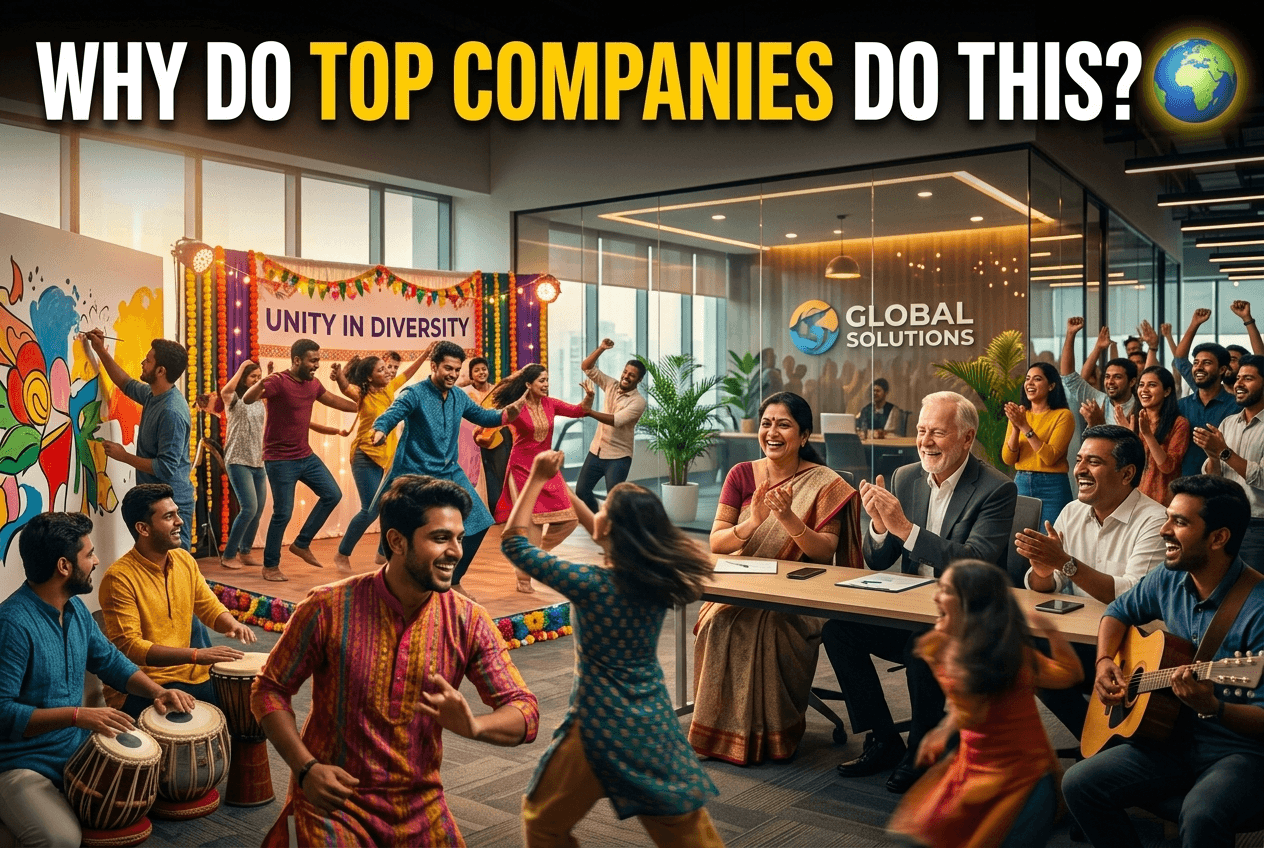
India has become the world's capital of Global Capability Centres. More than sixteen hundred GCCs now operate across Bangalore, Hyderabad, Pune, Chennai, Gurugram and beyond, employing well over a million and a half professionals who deliver engineering, analytics, finance and operations for multinational parents. For the HR leaders running these centres, and for the Indian offices of global firms more broadly, a distinctive pattern has emerged: the most sophisticated global employers increasingly promote cultural programs, live music, dance and art experiences, as a deliberate part of their people strategy. This is not a coincidence or a perk added on a whim. It reflects a considered understanding of what builds engaged, connected, high performing global teams.
Understanding why global companies invest in cultural programs helps Indian HR leaders make the same case within their own organisations. This is the guide to why the world's most admired employers promote cultural programs, what they gain from doing so, and how Indian companies and GCCs can apply the same thinking in 2026.
The Global Playbook for Talent
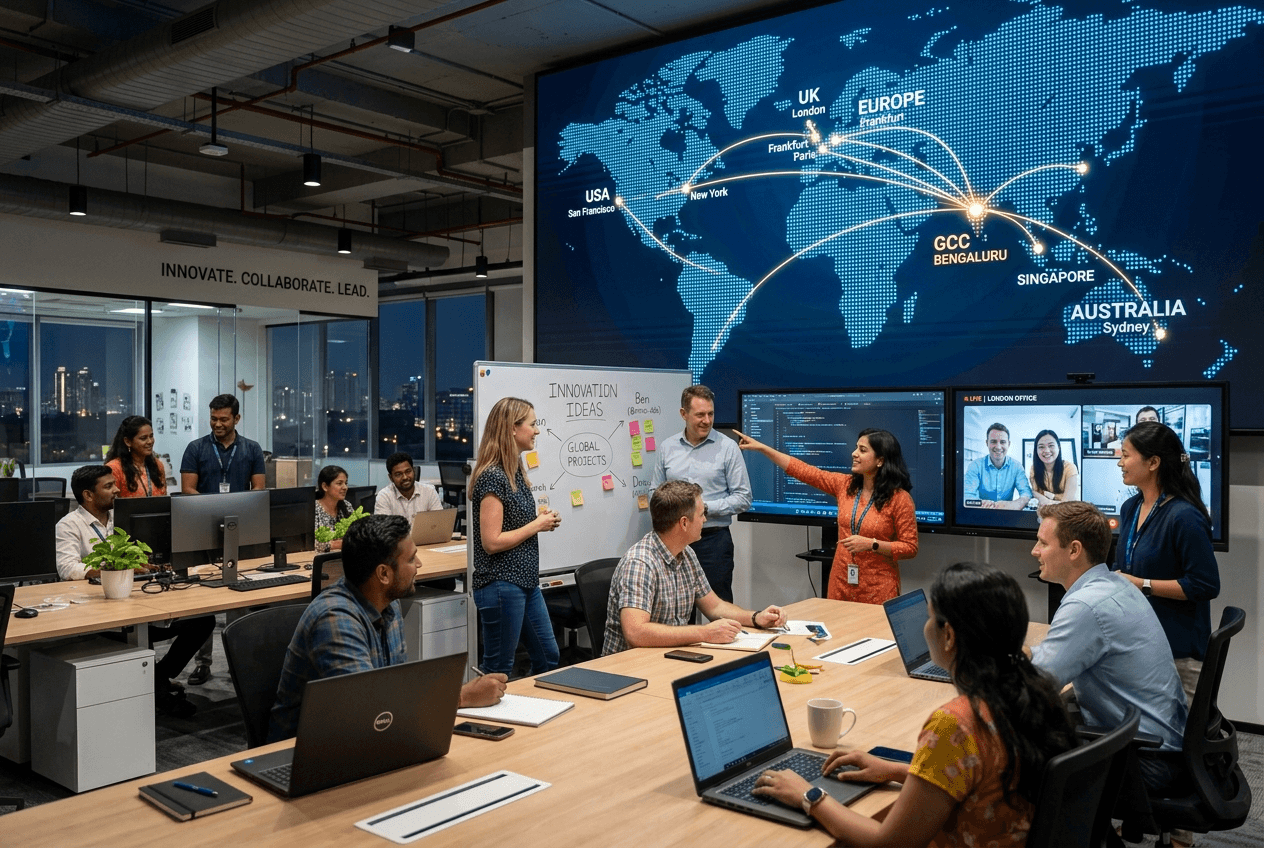 The world's most competitive employers operate in the same reality as Indian companies, only more intensely: they compete for scarce, mobile, well informed talent that researches culture thoroughly before accepting offers, and that leaves quickly when culture disappoints. Over years of refining their people strategies, these employers have learned that compensation and standard benefits are table stakes, necessary to compete but insufficient to win, and that genuine, distinctive culture is what actually attracts and retains the best people. Cultural programs have earned a place in this global playbook precisely because they build the distinctive, human culture that generic benefits cannot, and because they do so in a way that employees genuinely value and talk about.
Cultural Programs Bind Global Teams
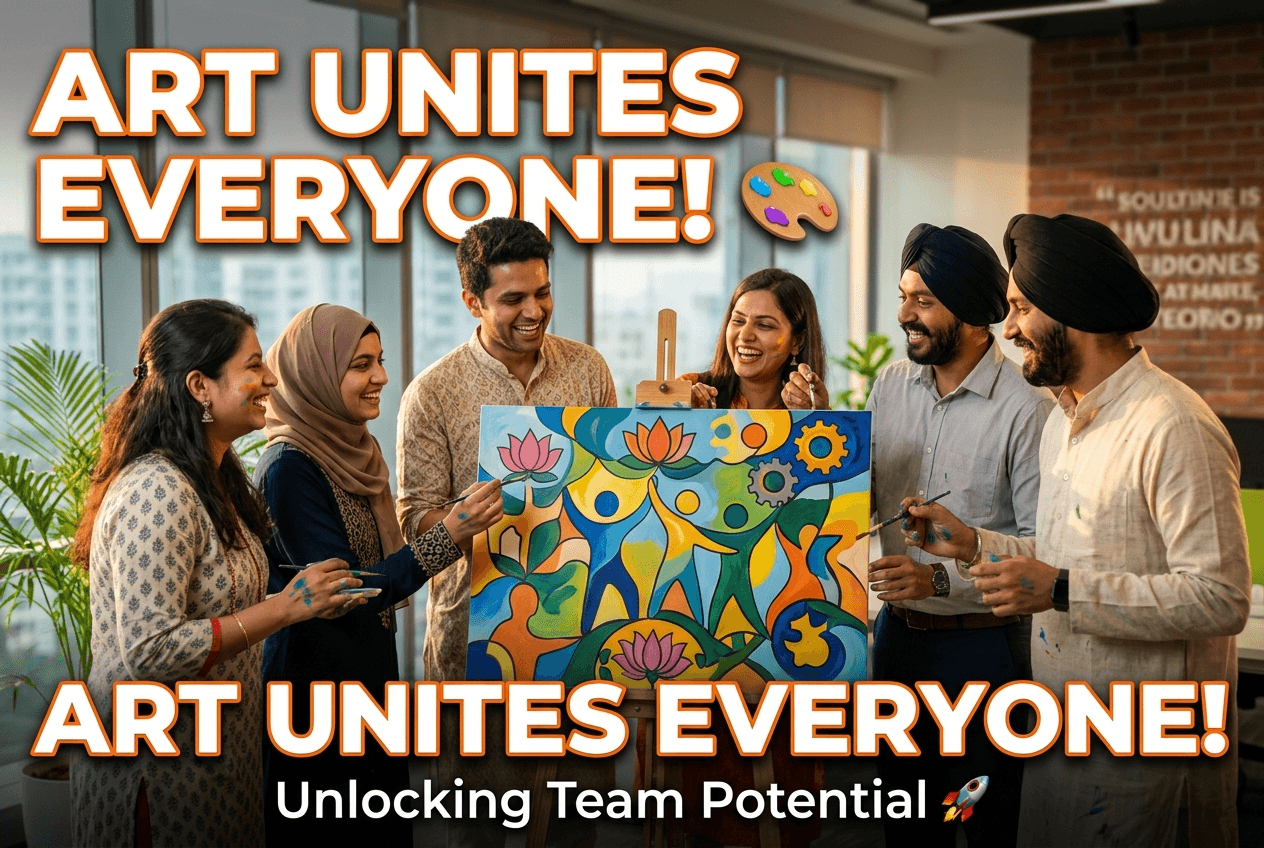
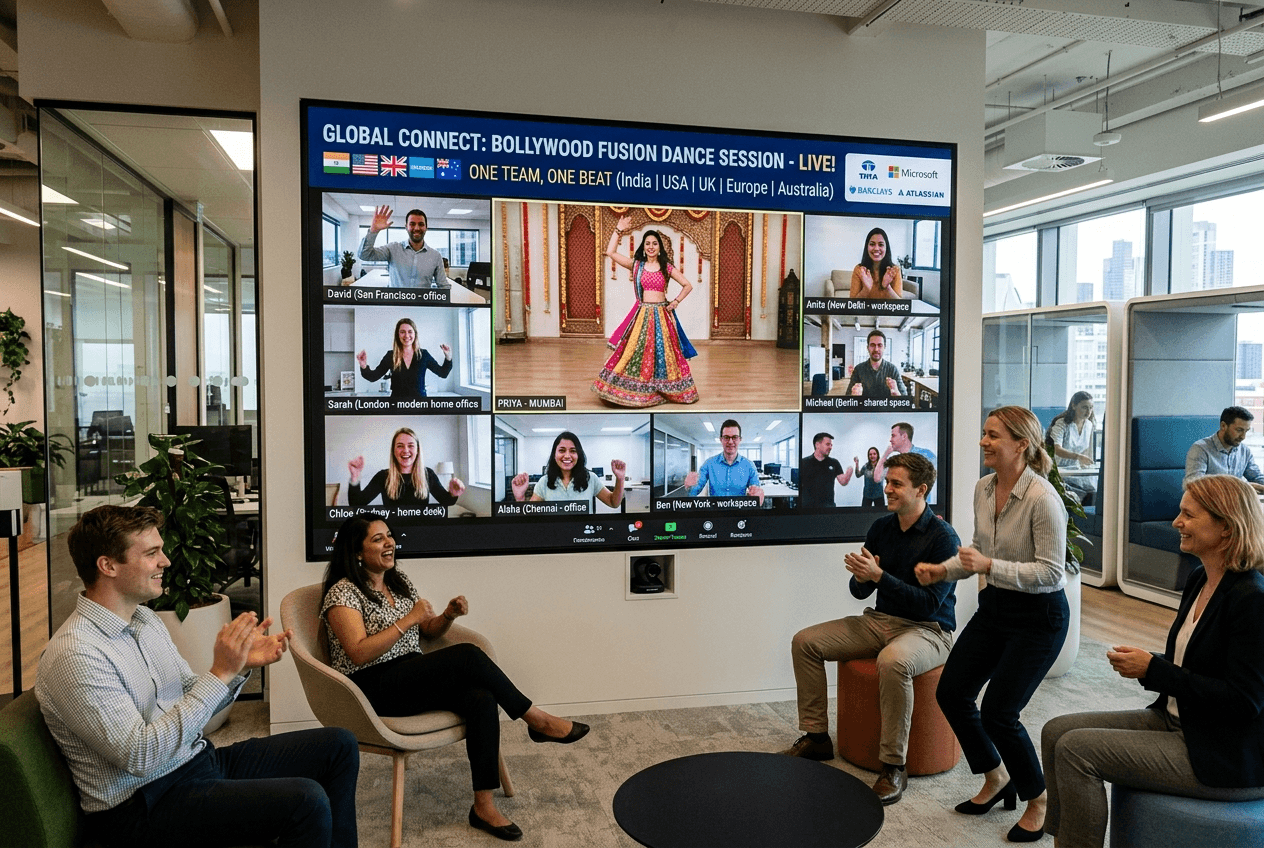 The defining challenge of a global company is cohesion across distance and difference. A GCC in Bangalore collaborates daily with colleagues in the United States, Europe and elsewhere, and within India itself brings together employees from every region and tradition. Building genuine connection across these many lines is hard, and ordinary work interaction does not do it. Cultural programs are one of the most effective tools global employers have found for the task, because shared creative experience builds connection at a level deeper than language or function. When a globally distributed team shares a live music session, or a diverse Indian team celebrates one another's traditions through art, the cohesion that results underpins everything else the team does together.
The Science Behind the Strategy
Global employers favour evidence, and the evidence for cultural programs is strong. Research on interpersonal synchrony consistently shows that making music or moving together in time increases trust, cooperation and a sense of being one group. A 2025 scoping review published in BMC Complementary Medicine confirmed that music based interventions in workplaces show meaningful benefits for employee mood, stress levels and overall job satisfaction, with music reducing cortisol, lowering blood pressure and lifting mood through endorphin release. For data driven global HR functions, this combination of connection and measurable wellbeing benefit is exactly the kind of evidence base that justifies investment, and it is why cultural programs have moved from the margins into mainstream global people strategy.
Cultural Programs and Global Employer Brand
Global companies invest heavily in employer brand because they compete for talent across borders and platforms. Cultural programs generate authentic employer brand content of a kind that no campaign budget can manufacture. When employees share images of their team making music or celebrating a festival through dance, they produce credible, human signals of company culture that reach precisely the talent global employers want. In markets like India, where candidates scrutinise culture through LinkedIn, Glassdoor and AmbitionBox, this authentic content is a genuine competitive asset. Global employers understand that the most persuasive employer brand is built by employees who genuinely enjoy their workplace, and cultural programs are among the most reliable ways to produce that enjoyment.
Wellbeing as a Global Standard
Employee wellbeing has become a global corporate standard rather than a regional nicety, and the definition of wellbeing has expanded well beyond physical fitness to include mental, emotional and creative dimensions. Global companies, often ahead of local norms, have recognised that creative expression is a genuine and effective form of wellbeing, one that relieves stress through active participation rather than passive consumption. Promoting cultural programs is a natural expression of this expanded, global understanding of wellbeing, and Indian GCCs frequently adopt such programs precisely because their global parents already regard creative wellbeing as part of a complete employee care strategy.
What Global Cultural Programs Look Like in India
Live Group Cultural Sessions
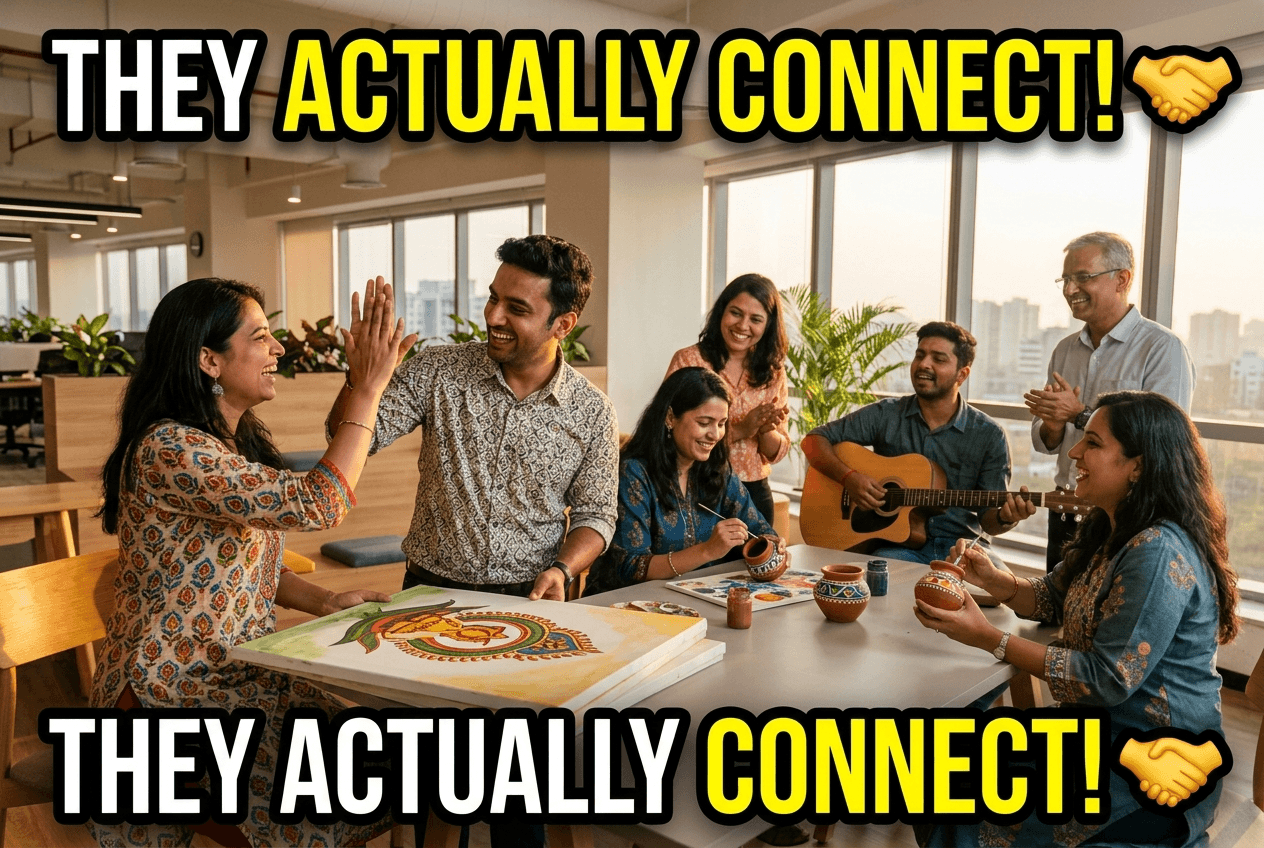
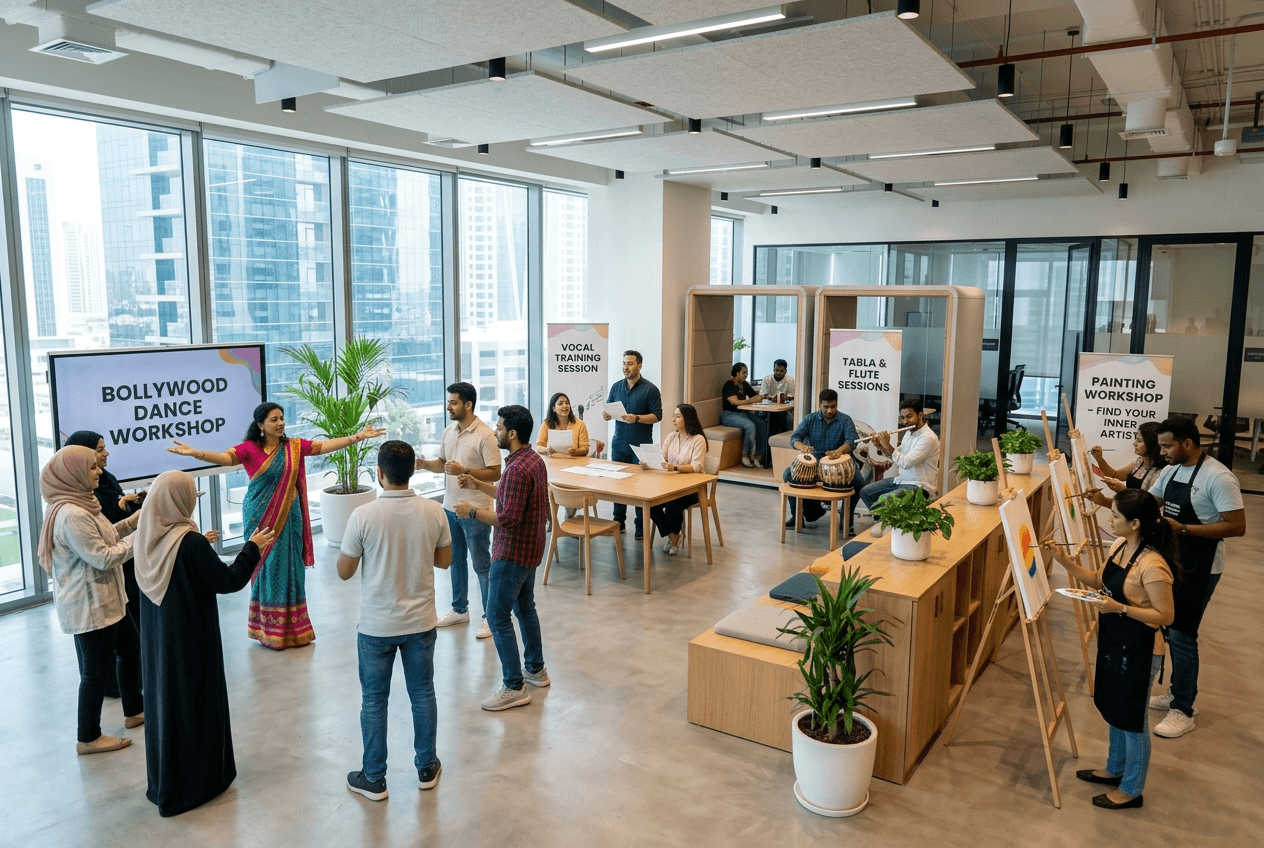
The core of a cultural program is the live group session: a team gathering over a video call for a Bollywood dance class, a group tabla workshop or a vocal session led by a certified instructor. These recurring sessions build connection and deliver wellbeing week after week, and for global teams they can be scheduled to include colleagues across time zones for shared cross border experiences.
Cultural Celebration and Diversity Programs
Global companies with diverse Indian workforces use cultural programs to celebrate the many traditions their employees bring, rotating across North and South Indian music and dance, including Carnatic vocal and Kathak or Bharatanatyam, so that every regional heritage is honoured. This lived celebration of diversity is central to the inclusion agendas global employers take seriously.
Individual Learning as a Global Benefit
Global employers also offer individual one to one learning, an engineer studying bansuri flute, an analyst learning vocal, as a personal development benefit funded by the company. This reflects the global trend toward personalised, employee centred benefits that invest in the whole person.
Cultural Programs for GCCs Specifically
India's GCCs face a particular version of the talent challenge. They compete for the same elite engineering and analytics talent as India's leading product companies and startups, often while being less well known as employer brands than their consumer facing peers. Cultural programs are especially valuable in this context. They give a GCC a distinctive, human culture that differentiates it from other GCCs and from the wider market, they help bind teams that collaborate across continents with headquarters abroad, and they generate the authentic employer brand content that raises a centre's profile among the talent it needs. For a GCC HR leader building a distinctive local identity within a global organisation, cultural programs are among the most efficient tools available.
The Retention and Performance ROI
Global companies measure the return on their people investments rigorously, and cultural programs stand up to that scrutiny. Belonging and connection are among the strongest predictors of retention, and at the attrition rates and replacement costs typical of India's technology sector, a program that prevents even a small number of departures per year repays its cost comfortably. Beyond retention, connected and engaged teams perform better, collaborate more openly and innovate more effectively, which matters intensely for the high value knowledge work GCCs deliver. Global HR functions promote cultural programs not as a soft indulgence but as a measured investment in the connection, wellbeing and performance that drive business outcomes.
How to Bring Global Best Practice to Your Company
Start with a Free Pilot
Art Gharana recommends a four to six week pilot for a specific team before wider rollout, generating engagement data, feedback and a business case aligned with global standards of evidence. Book a corporate trial session to experience the program firsthand before any commitment.
Align with Global Wellbeing Frameworks
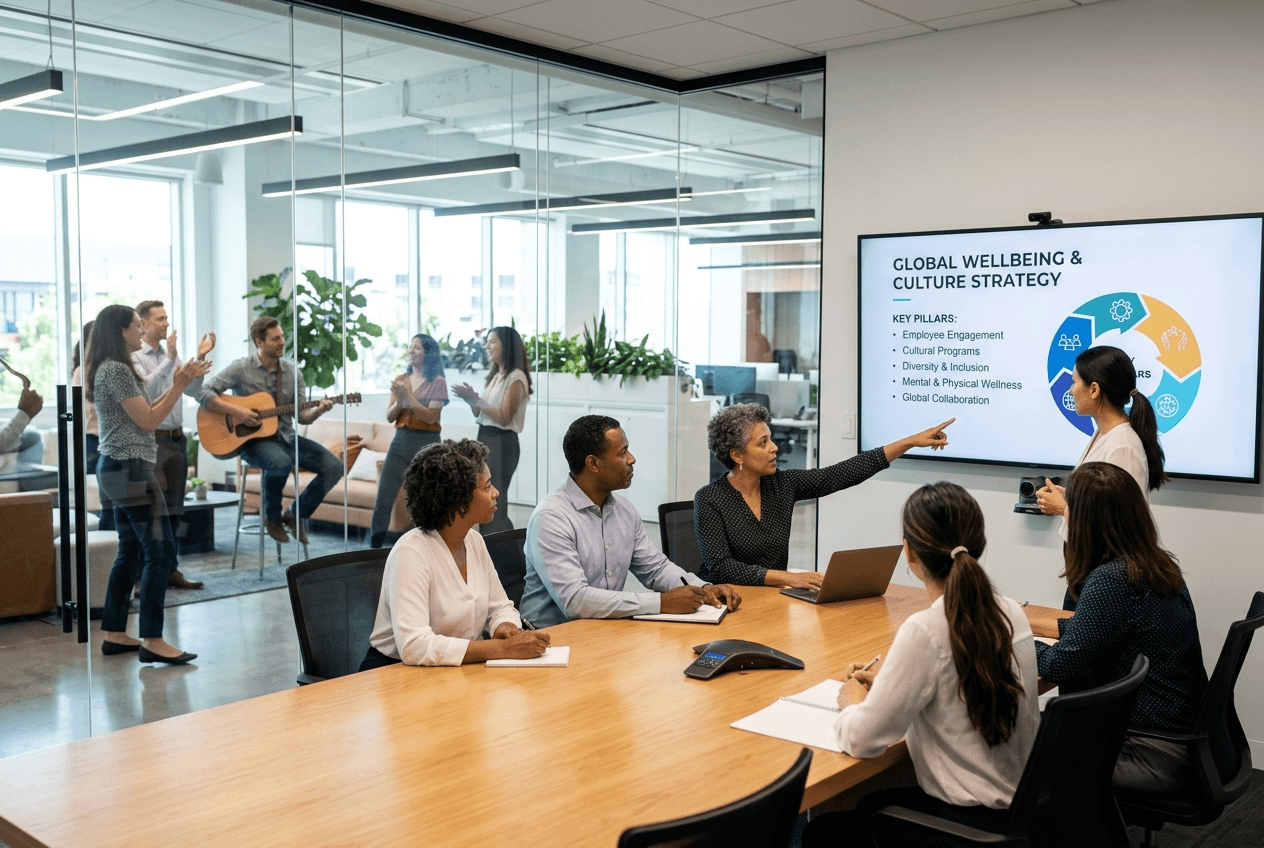
For GCCs and Indian offices of global firms, positioning cultural programs within the parent organisation's existing wellbeing and inclusion frameworks makes approval easier and integration smoother. Creative wellness fits naturally alongside the physical and mental wellness pillars global companies already recognise, as the third pillar most have not yet filled.
Make It Recurring and Inclusive
As with all cultural programs, regularity and inclusiveness are the keys to impact. A recurring, pressure free program that rotates across traditions builds connection and celebrates diversity continuously, delivering the sustained benefit that global employers expect from their people investments.
About Art Gharana Corporate
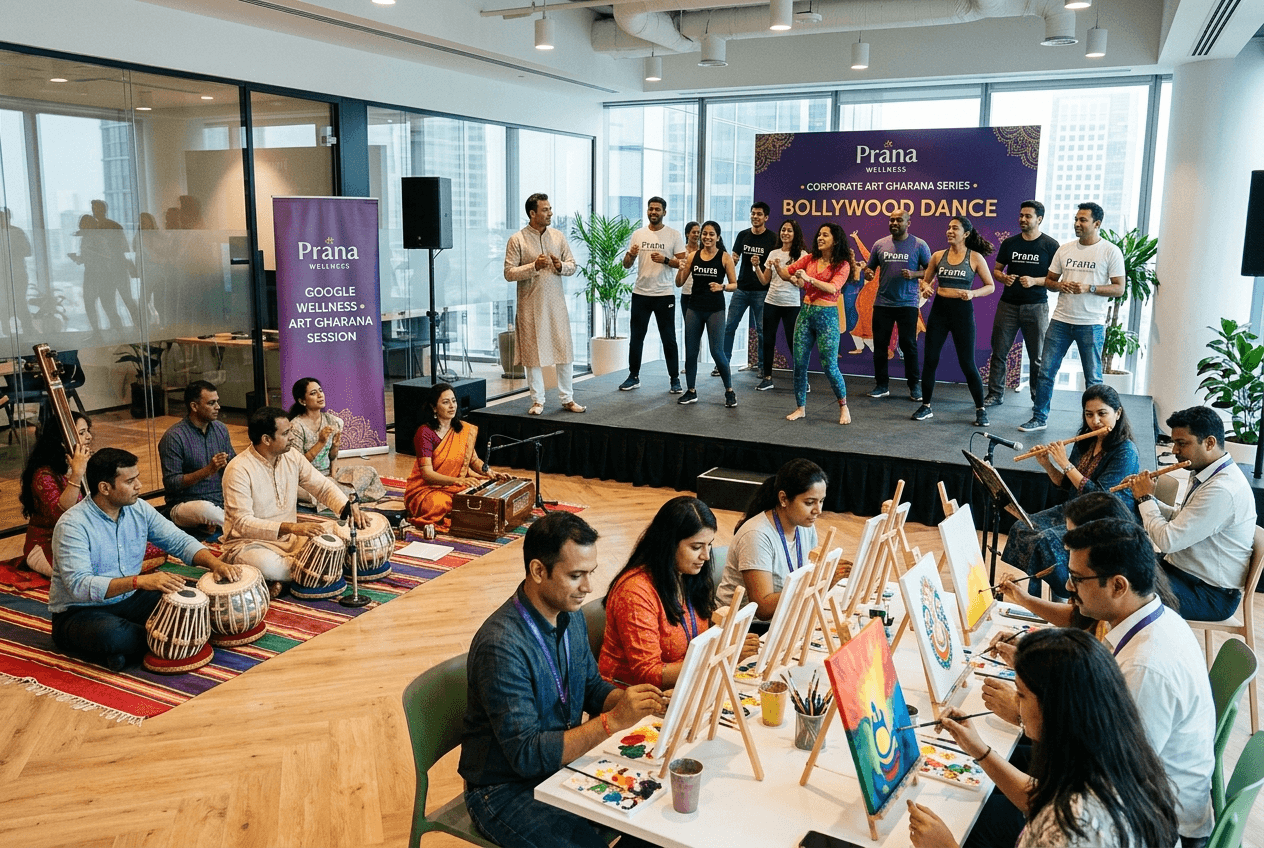 Art Gharana is the only platform combining live music, dance, art and vocal wellness specifically positioned for corporate teams in India, including GCCs and the Indian offices of global companies. With certified instructors across Bollywood dance, Kathak, Bharatanatyam, tabla, bansuri flute, Hindustani vocal and Carnatic vocal, Art Gharana delivers cultural programs of global standard in a format designed for corporate delivery. Explore our full range of wellness courses, review our plans and pricing for companies, and browse our instructor profiles before booking your pilot through the Art Gharana corporate programme.
Frequently Asked Questions
1. Why do global companies promote cultural programs?
Global companies promote cultural programs because they build the distinctive, human culture that attracts and retains scarce talent, bind teams across distance and difference, deliver measurable wellbeing benefits, and generate authentic employer brand content. Over years of refining their people strategies, the world's most competitive employers have found cultural programs to be among the most effective tools available.
2. Are cultural programs relevant for GCCs in India?
Yes, cultural programs are especially relevant for GCCs, which compete for elite talent while building distinctive local identities within global organisations. Cultural programs differentiate a GCC's culture, bind teams collaborating across continents and generate the authentic employer brand content that raises the centre's profile among the talent it needs.
3. How does Art Gharana serve global companies in India?
Art Gharana delivers live group and individual cultural sessions online, led by certified instructors across music, dance and vocal disciplines. Programs are customised for team size, frequency, cultural preference and scheduling across all Indian time zones, and can include colleagues abroad for cross border shared experiences.
The Three-Pillar Wellness Model Global Companies Use
The most progressive global employers organise wellbeing around three pillars: physical wellness, addressed through fitness benefits; mental wellness, addressed through meditation and employee assistance programmes; and creative and cultural wellness, addressed through live music, dance and art. Most global companies have invested substantially in the first two pillars and are increasingly recognising the third. Indian GCCs and offices of global firms are often at the forefront of adopting the creative pillar, both because their parents value it and because the Indian context, rich in artistic tradition and diverse in workforce, is ideally suited to it. For Indian HR leaders, framing cultural programs as the third pillar of a complete, globally standard wellbeing strategy is a persuasive way to secure investment.
Cultural Programs Across Global Company Types in India
Technology GCCs, with young, distributed, socially connected workforces, are the most natural adopters, gaining both connection and shareable employer brand value. Financial services centres, more demographically varied, benefit from balancing group cultural sessions with individual learning options. Consulting and professional services firms, whose people are their entire product, value the wellbeing and connection that cultural programs deliver to intensely deadline driven teams. Across all these global company types operating in India, the common insight is that cultural programs build the connection, wellbeing and distinctive culture that global talent strategies depend on, at a cost small relative to the value returned.
Building the Business Case in Five Steps
For HR leaders bringing global best practice to their organisation, a simple framework justifies the investment. Step one: establish the baseline cost of current attrition, using replacement costs of fifty to two hundred percent of annual salary. Step two: establish the cost of the cultural program for your team size and frequency. Step three: calculate the attrition reduction required to break even, typically only a few departures per year. Step four: cite the connection, belonging and wellbeing research that global HR functions already recognise. Step five: add employer brand and performance value as upside. Because this case aligns with the evidence based standards global companies use, it earns approval reliably in both GCCs and Indian firms aspiring to global best practice.
Key Takeaways for HR Leaders
The essential insights for Indian HR leaders are clear. The world's most competitive employers promote cultural programs because they build distinctive culture, bind global and diverse teams, deliver measurable wellbeing and generate authentic employer brand content. India's booming GCC sector is especially well suited to cultural programs, which differentiate a centre's culture and raise its profile among elite talent. Framed as the third pillar of a globally standard wellbeing strategy, cultural programs are straightforward to justify, and the retention and performance ROI is conservative and compelling. Art Gharana is ready to deliver programs of global standard for your company. The pilot is free. Begin today.
The Global Wellness Market Context
The scale of global investment in employee wellbeing underlines why cultural programs have become mainstream. The global corporate wellness market is projected to grow from $68.41 billion in 2025 to $118.21 billion by 2034, driven by a widening definition of wellness that now includes creative, social and emotional dimensions alongside physical fitness. Global companies operating in India both shape and follow this trend, and their willingness to invest in creative wellness reflects a considered judgement that it delivers genuine returns. For Indian HR leaders, this global market context is a useful signal: cultural programs are not a fringe experiment but a growing, evidence backed component of how the world's leading employers care for their people.
Why Art Gharana Is the Right Partner for Global Teams
Art Gharana is well suited to serve global companies and GCCs in India for three reasons. First, breadth: live sessions across tabla, bansuri flute, vocal and dance from a single subscription support a rotating, diverse program. Second, authenticity: instructors are certified performers with verified credentials and real experience delivering engaging online corporate sessions, meeting the quality standards global HR functions expect. Third, delivery design: the program is built for corporate use, with group formats, flexible IST scheduling that can accommodate colleagues abroad, scalable pricing and beginner friendly content. The pilot is free and the business case builds from the first few sessions.
Cultural Programs, Inclusion and ESG
Global companies increasingly report on their social and governance commitments, and employee wellbeing, diversity and inclusion sit squarely within the social dimension of ESG. Cultural programs contribute meaningfully to these commitments: they advance inclusion by celebrating employees' diverse heritages, they support wellbeing through creative stress relief, and they build the genuine community that healthy workplace cultures require. For GCCs and Indian offices whose parents track social metrics, cultural programs offer a tangible, employee valued way to advance stated commitments, turning ESG language into lived experience. This alignment with formal reporting frameworks is an additional reason global employers find cultural programs easy to justify and sustain.
Sustaining a Global Standard Program Over Time
Global employers expect their people programs to deliver sustained rather than fleeting value, and cultural programs meet this expectation when run as an ongoing part of team life. Rotating disciplines keeps engagement fresh, periodic showcases and cross border sessions give teams shared goals, and light participation data lets HR demonstrate continued value to global leadership. Because the connection, wellbeing and employer brand benefits compound with repetition, a well run cultural program becomes more valuable over time rather than fading, which is exactly the durable return global companies look for when they commit to a people investment.
People Also Ask: Global Companies and Cultural Programs in India
What cultural programs do global companies offer employees?
Global companies offer cultural programs such as live group music and [dance](https://www.artgharana.com/courses/dance/online-bollywood-dance-classes sessions, cultural celebrations of employees' diverse heritages, and individual creative learning as a personal development benefit. In India, these programs draw on the country's rich musical and dance traditions, delivered live online by certified instructors to corporate teams and GCCs.
Why are cultural programs important for global teams?
Cultural programs are important for global teams because they build cohesion across distance and difference. Shared creative experience connects colleagues at a level deeper than language or function, which is essential for teams that collaborate across continents and across India's own many regional cultures. This cohesion underpins the collaboration and performance global work depends on.
Do GCCs in India offer cultural wellness programs?
Yes, a growing number of GCCs in India offer cultural wellness programs to differentiate their culture, bind teams collaborating with headquarters abroad, and generate authentic employer brand content that raises their profile among elite talent. Cultural programs are especially valuable for GCCs building a distinctive local identity within a global organisation.
How much do corporate cultural programs cost in India?
Corporate cultural program costs in India vary by team size and session frequency. Art Gharana's corporate programme is priced flexibly, with a free pilot available before any commitment, and the per employee cost is typically modest relative to the connection, wellbeing and employer brand value delivered. HR leaders can review plans and pricing for companies.
Can cultural programs include international colleagues?
Yes. Live online cultural sessions can be scheduled to include colleagues across time zones, giving globally distributed teams a shared cross border creative experience. This makes cultural programs particularly valuable for GCCs and global firms whose teams span India and other countries.
What is the ROI of cultural programs for global companies in India?
The ROI of cultural programs for global companies in India is driven by retention, performance and employer brand. Belonging is among the strongest predictors of retention, so preventing a few departures per year repays the program cost, while connected teams perform and collaborate better, and authentic employer brand content strengthens talent attraction, all outcomes global HR functions measure and value.