ChatGPT
 Google AI
 Grok
Grok Claude
Gen Z workers prioritize work culture over salary, with 77% considering culture more important than compensation when choosing where to work. By 2030, Gen Z will represent 30% of the global workforce, and they're reshaping employment expectations around mental health support, authentic values, creative expression, and genuine work-life balance. Companies offering cultural programs that blend music, art, dance, and mindfulness into everyday work life see dramatically higher engagement and retention among this generation. Understanding what drives Gen Z's workplace decisions isn't optional anymore. It's essential for survival in tomorrow's talent market.
Your latest Gen Z hire just quit after three months. Great resume, strong interview, seemed excited about the role. What happened?
You offered competitive pay. Good benefits. Clear career path. Everything a millennial would have jumped at five years ago. But Gen Z isn't playing by the old rules. They're rewriting them entirely.
Here's what you need to understand: Gen Z doesn't just want a better workplace culture. They demand it. And if you don't provide it, they'll find someone who will.
What Gen Z Actually Wants from Work Culture
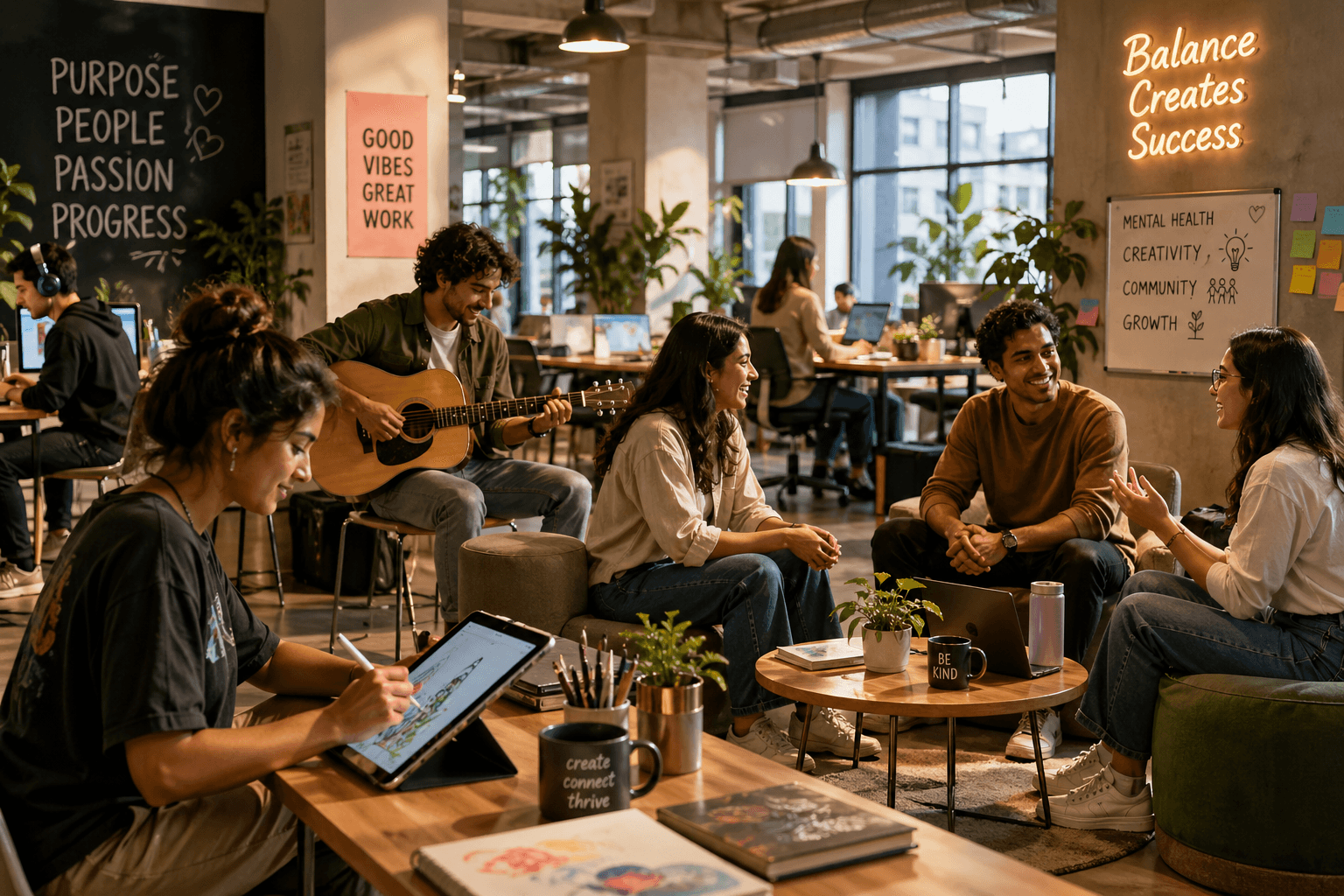 Forget what you think you know about young workers. Gen Z isn't lazy or entitled. They're pragmatic, values-driven, and deeply aware of what healthy workplaces look like because they've seen what unhealthy ones do to people.
Only 6% of Gen Z say their primary career goal is reaching a leadership position. That statistic shocks older generations. Shouldn't everyone want to climb the ladder? But Gen Z watched their parents sacrifice everything for corporate success, only to get laid off during recessions or burn out from unsustainable stress.
So they're choosing differently. They're prioritizing work-life balance, learning and development, and meaningful work over traditional markers of success. They want careers where they can thrive as whole humans, not just workers.
89% of Gen Z consider a sense of purpose important to their job satisfaction and wellbeing. Purpose isn't fluff to them. It's fundamental. They want to know their work matters, that their company stands for something beyond profit, that they're contributing to something meaningful.
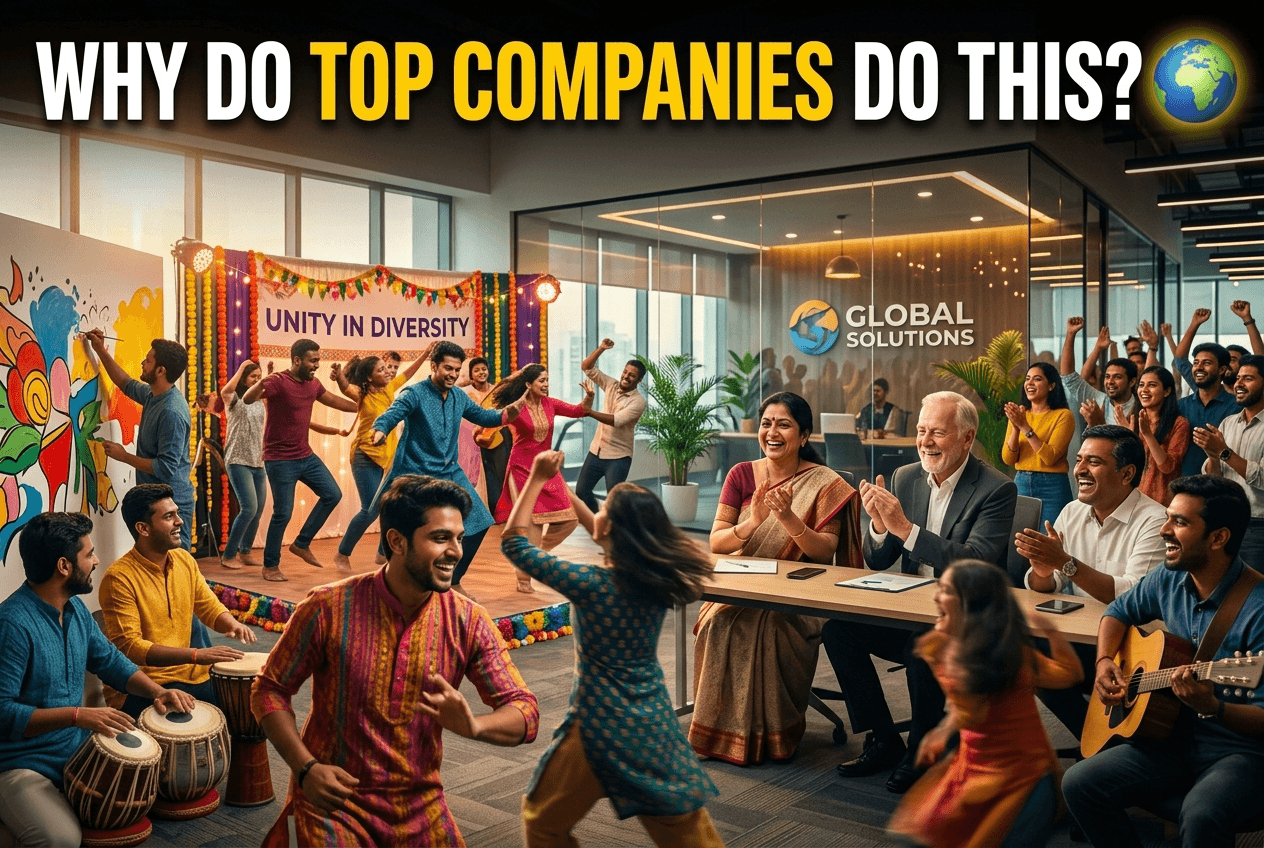
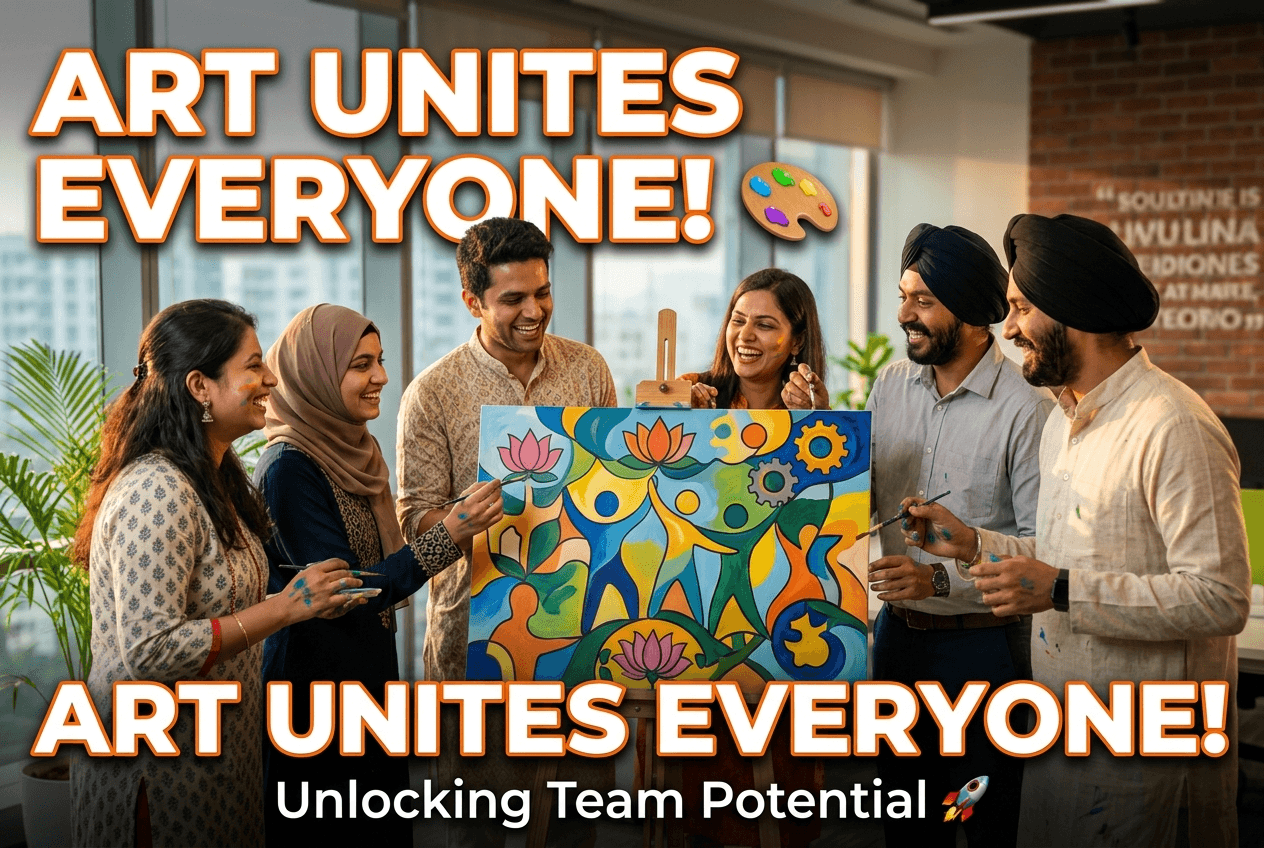
Cultural programs that bring creativity, expression, and connection into the workplace speak directly to these needs. Music sessions offer stress relief and team bonding. Art workshops provide creative outlets and emotional processing. Dance classes build confidence and break down hierarchies. Mindfulness practices support mental health and focus.
These aren't perks. They're proof that you see employees as humans who need more than a paycheck to thrive.
How Gen Z Makes Workplace Decisions
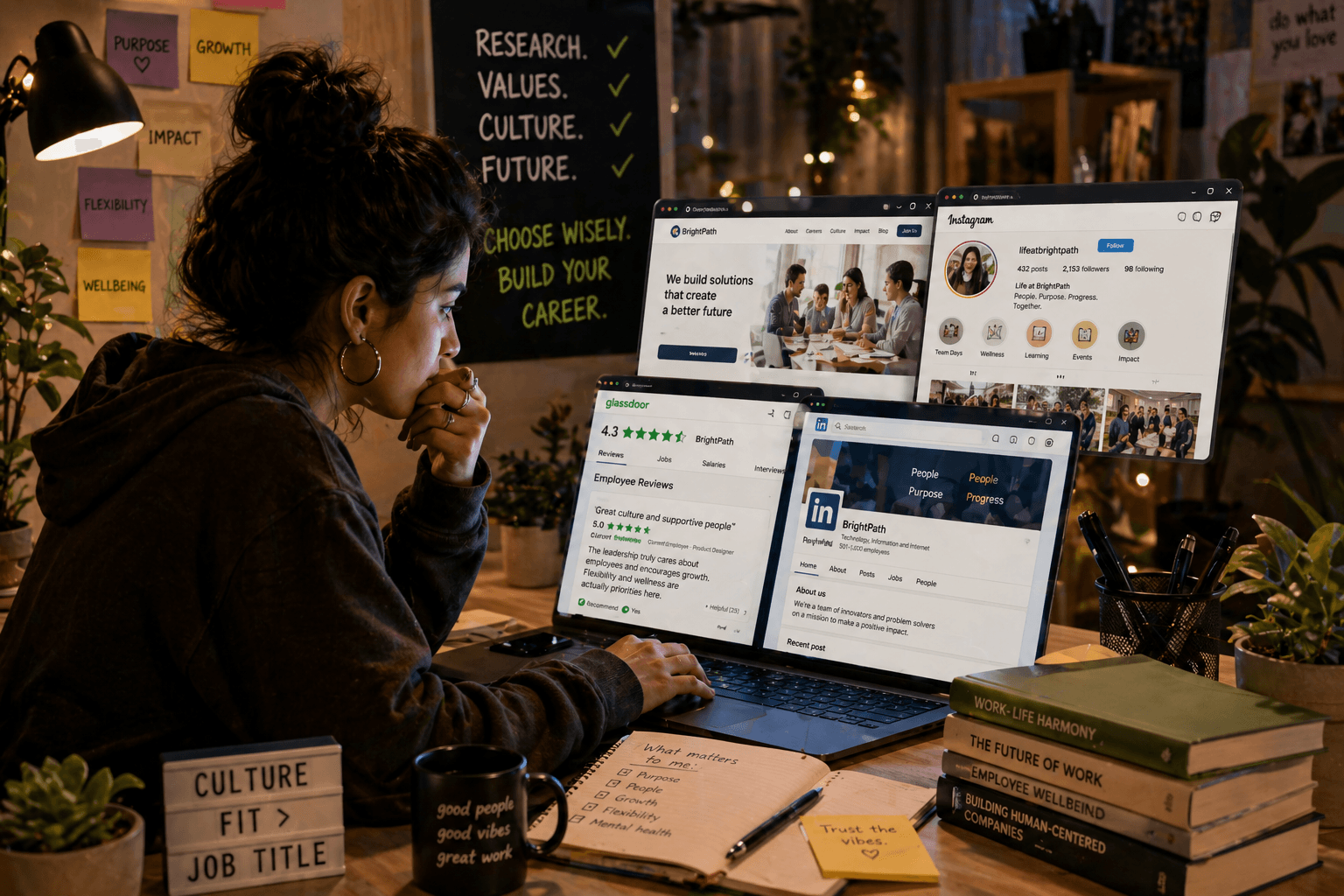 Gen Z researches everything before making decisions. They grew up with unlimited information at their fingertips. They know how to find the real story behind company PR.
80% of Gen Z respondents look up social media profiles of current staff when applying for or considering positions. They read Glassdoor reviews. They check your Instagram. They ask friends who work in your industry. They piece together what your culture is actually like, not what you claim it is.
69% of Gen Z candidates want to work for companies that share their values, showing that culture alignment directly impacts hiring success. If your stated values don't match what employees post about, Gen Z notices. If you say you prioritize wellness but your team works 60-hour weeks, they notice. If you claim to value creativity but provide zero creative outlets, they definitely notice.
Here's what influences their decisions most:
Mental health support tops the list. 40% of Gen Z feel stressed or anxious all or most of the time, with much of that stress coming from work. 61% would leave for better mental health benefits. Cultural programs that incorporate mindfulness, creative expression, and stress management directly address this need.
Authentic company values matter deeply. 83% of Gen Z believe a company's track record on diversity and inclusion is a key factor when deciding where to work. 81% prioritize transparency and honesty in their workplace. They can smell corporate BS a mile away. Show them, don't tell them.
Flexibility and balance are non-negotiable. 71% of Gen Z would prefer a hybrid work model. 71% would decline a job if it didn't offer flexible working hours or wellness programs. They want control over when and how they work. Cultural programs that acknowledge life outside work reinforce this value.
Learning and growth drive their engagement. 70% of Gen Z workers develop career skills at least once per week. 86% prioritize mentorship and skill development. Music, art, and dance programs offer unexpected learning opportunities that develop creativity, collaboration, and emotional intelligence alongside technical skills.
Why Traditional Company Culture Fails Gen Z
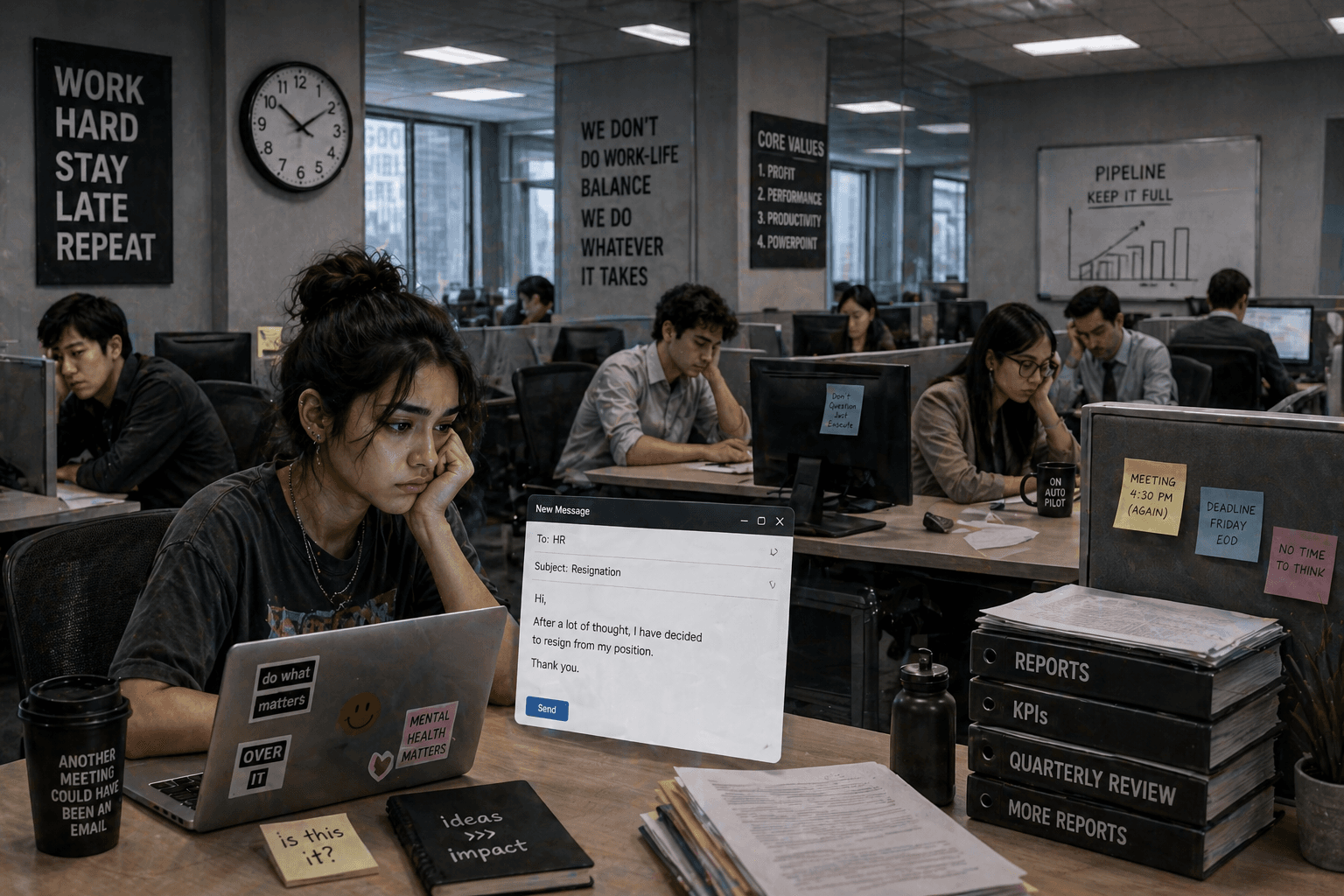 Let's be honest about what doesn't work anymore. The old playbook for company culture is dying, and Gen Z is accelerating its demise.
Performative culture initiatives get called out immediately. Putting up posters about diversity while your leadership team is homogenous doesn't fly. Claiming to care about mental health while responding to Slack messages at 11 PM sends a clear message. Gen Z sees through these contradictions instantly.
47% of people who want to change jobs say it's because their current workplace has poor or toxic culture. That's nearly half of your potential quitters. And with 38% of Gen Z likely to quit their jobs in the next year, you can't afford to ignore culture fit.
One-size-fits-all benefits miss the mark. Gen Z is the most diverse generation in history. They have different backgrounds, identities, needs, and preferences. A gym membership means nothing to someone who loves dancing but hates traditional workouts. A meditation app rings hollow if you're not creating space and permission to actually use it.
Cultural programs succeed because they offer variety. Music appeals to some people. Art resonates with others. Dance connects with people who need movement. Mindfulness supports those craving mental clarity. When you offer multiple creative outlets, you acknowledge that different people find meaning and relief in different ways.
Hierarchical, rigid structures alienate Gen Z workers. They expect to collaborate with leadership, not just take orders. They want to feel heard and valued regardless of their title. 86% of Gen Z seek mentorship and guidance, but they also expect that mentorship to be reciprocal. They have insights and perspectives that can improve your business if you're willing to listen.
Creative cultural programs naturally break down hierarchies. When your CEO is learning guitar alongside interns, power dynamics shift. When managers and entry-level employees paint together, they connect as humans first. These experiences build the kind of collaborative, non-hierarchical culture Gen Z seeks.
How Cultural Programs Speak Gen Z's Language
 Gen Z communicates differently than previous generations. 92.7% of Gen Z employees use emojis, GIFs, or memes at work, showing a dramatic shift in workplace communication norms. They value authenticity over polish, connection over formality, creativity over convention.
Cultural programs that incorporate music, art, and dance align perfectly with how Gen Z thinks and communicates. These activities encourage creative expression, which is how many Gen Z workers process emotions and ideas. They create spaces for authentic interaction without the pressure of perfect performance.
Consider what happens in a music session. People make mistakes. They laugh at themselves. They encourage each other. There's no email trail or performance review. Just humans connecting through shared experience. This kind of authentic interaction is what Gen Z craves in workplace culture.
Art workshops function similarly. When team members create visual art together, they're not networking or positioning. They're exploring, experimenting, failing, and trying again. These vulnerable moments build genuine relationships faster than forced happy hours or team-building exercises that feel like work.
Dance sessions tap into Gen Z's comfort with expression and their rejection of rigid professionalism. 77% believe their multitasking skills make them more efficient at work, and dance engages multiple senses and skills simultaneously. It's active, energizing, and fun in ways that appeal to their desire for dynamic experiences.
Mindfulness practices address Gen Z's mental health focus directly. With 40% feeling stressed or anxious most of the time, they need practical tools for managing workplace pressure. Mindfulness isn't abstract wellness talk. It's concrete skills they can use immediately.
What the Data Shows About Gen Z and Culture
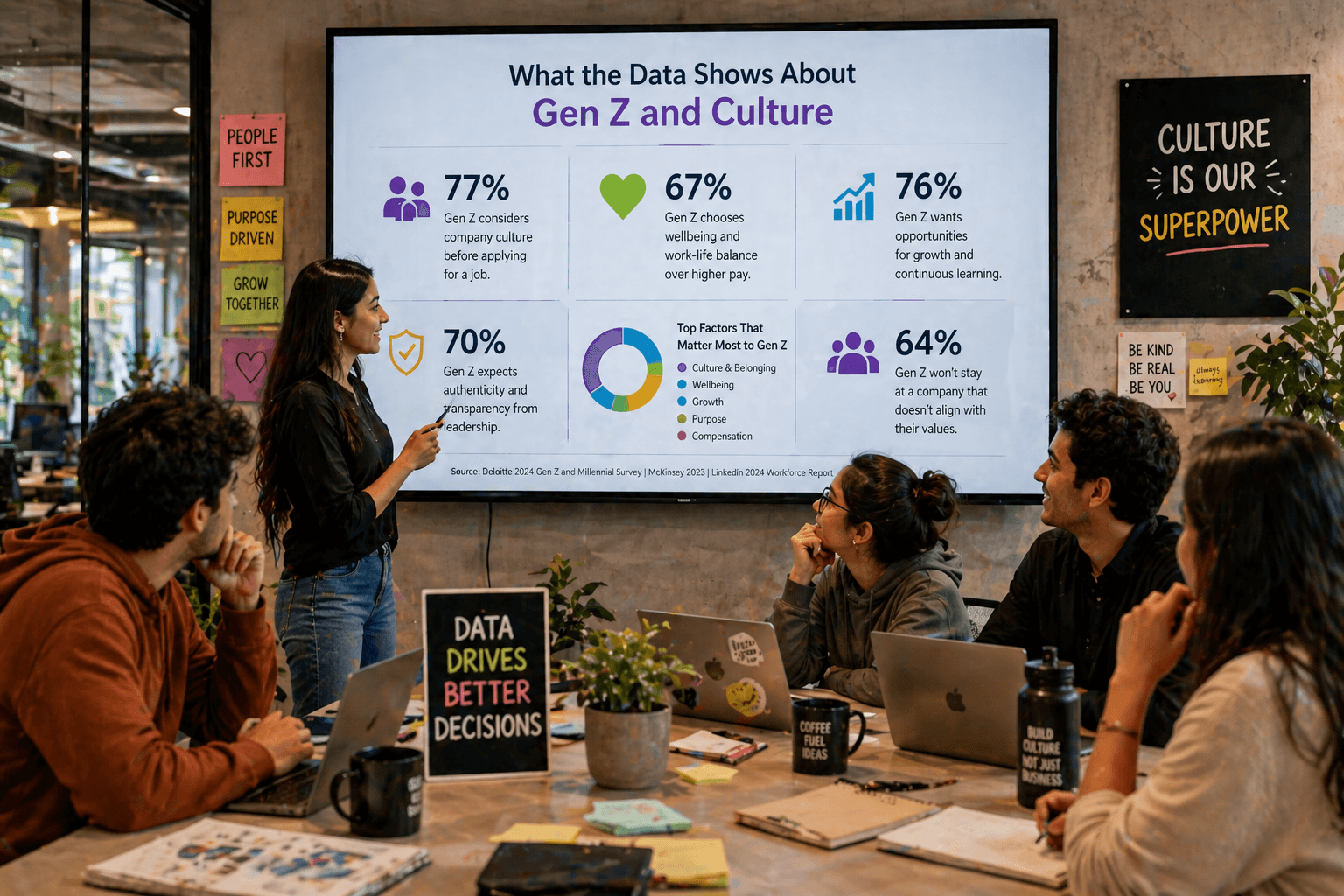 The research is overwhelmingly clear: culture drives Gen Z's workplace decisions more than any previous generation.
77% of job seekers consider culture more important than salary when choosing where to apply. Read that again. Culture matters more than money. For a generation facing significant financial pressures, with nearly half not feeling financially secure, this says everything about how much culture means to them.
67% of Gen Z would rather earn less at a job that supports their mental and physical health than take home a bigger paycheck from a high-stress employer. They're willing to sacrifice income for wellbeing. Your cultural programs become competitive advantages that don't require raising salaries.
The turnover statistics tell the same story. 50% of Gen Z are actively looking for a new job. 74% rank unsatisfactory salary as their top reason for leaving, but 50% cite unhealthy company culture as the next biggest factor. If your culture is toxic, even great pay won't keep them.
78% of Gen Z want to receive recognition and appreciation from their bosses. They don't just want end-result praise. They want their efforts recognized too. Cultural programs create natural opportunities for this recognition as employees develop new skills, participate in activities, and contribute to community building.
How Companies Win Gen Z Talent with Culture
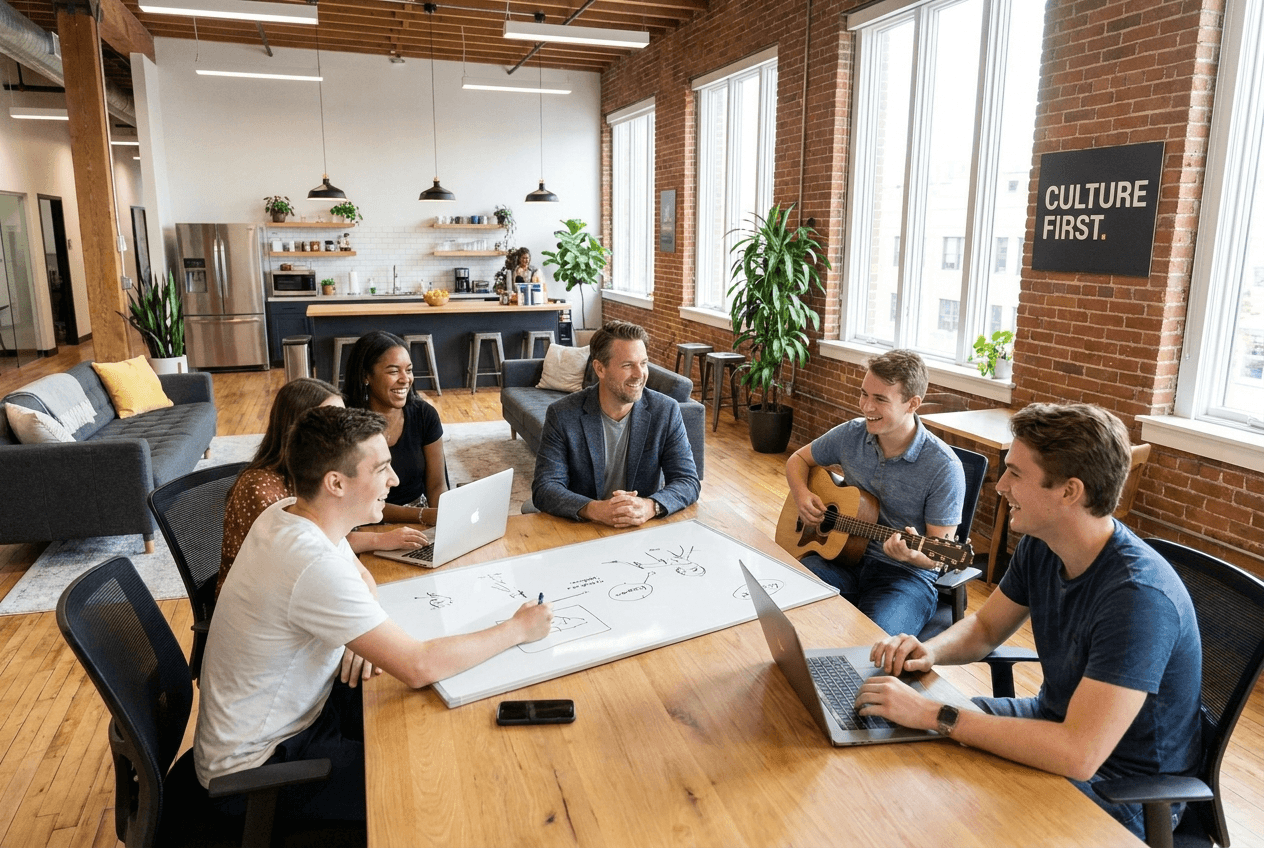 Smart organizations are already adapting their cultures to attract Gen Z workers. They're not waiting until this generation becomes the majority. They're evolving now while they still have time to get it right.
They make values visible and actionable. Instead of values statements on the wall, they demonstrate values through programs and policies. Cultural programs that bring creativity into everyday work life show that you value wellbeing, growth, and human connection. Gen Z notices what you do, not what you say.
They create psychological safety. Research shows that employees are four times less likely to quit when psychological safety is high. Cultural programs contribute to this safety by creating low-stakes environments where it's okay to be imperfect, playful, and vulnerable. When your team sees executives making mistakes in music class, it signals that mistakes are part of learning everywhere.
They invest in mental health support. Gen Z expects comprehensive mental health resources, not just an EAP number no one uses. 86% of brokers report their clients are boosting investment in mental health solutions, with strong growth in stress management (70%) and mindfulness (55%). Cultural programs that incorporate mindfulness and creative stress relief meet Gen Z where they are.
They offer personalized wellness. The one-size-fits-all wellness program is dead. Employees now get budgets to spend on what matters most to them, whether that's music lessons, dance classes, art supplies, or other wellness resources. This personalization resonates with Gen Z's expectation for choice and control.
They build authentic community. 85% of Gen Z say a diverse and inclusive workplace is important to them. Cultural programs bring together people from different departments, backgrounds, and roles. Music doesn't care about your job title. Art doesn't require you to be from the same department. These programs create organic community based on shared human interests, not organizational charts.
How to Build Gen Z-Friendly Culture
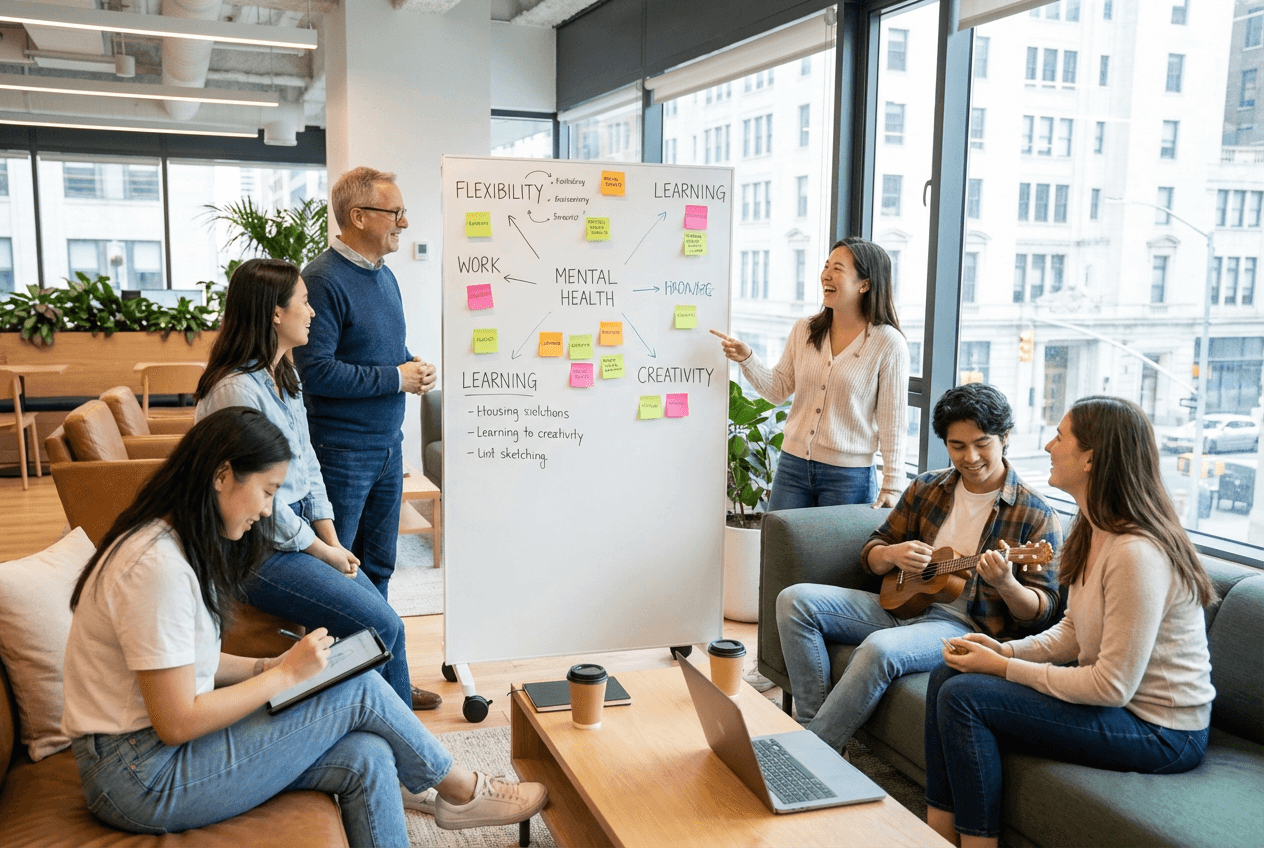 You don't need to completely overhaul your workplace overnight. Start with understanding what Gen Z actually needs, then make intentional changes that demonstrate you're listening.
Start with real conversation. Survey your Gen Z employees (and candidates who declined offers). What matters to them? What's missing? What would make this a place they'd enthusiastically recommend? Don't guess. Ask. 53% of Gen Z say learning helps them explore career paths. What learning opportunities do they want?
Make mental health non-negotiable. Offer therapy coverage, mental health days, and stress management resources as baseline benefits. Then go further. Build cultural programs that reduce stress proactively instead of just treating it reactively. Music sessions provide creative outlets. Art workshops offer emotional processing. Mindfulness practices teach regulation skills. These aren't luxuries. They're mental health infrastructure.
Create authentic learning opportunities. Gen Z wants continuous growth. 70% develop career skills at least once per week. Cultural programs offer unexpected learning in emotional intelligence, creative problem-solving, collaboration, and resilience. Frame music, art, and dance programs as professional development, because that's what they are.
Build flexibility into everything. Gen Z expects flexibility not just in where they work, but in how they engage with all aspects of your culture. Make cultural programs available in multiple formats (in-person, virtual, recorded). Offer different types of activities for different preferences. Let people opt in rather than mandating participation. Flexibility signals respect for their autonomy and time.
Show, don't tell, your values. Gen Z trusts employees 3 times more than the company to provide reliable information about what it's like to work there. Let your team members share their authentic experiences with cultural programs. Capture real moments, not staged photos. Show the messy, fun, human reality of your culture.
Make culture everyone's responsibility. 70% of the variance in team engagement is related to management. Train your managers to support cultural programs, participate actively, and model the behaviors you want to see. When leadership shows up for music sessions and art workshops, it sends a powerful message about priorities.
What Happens When You Get Culture Right
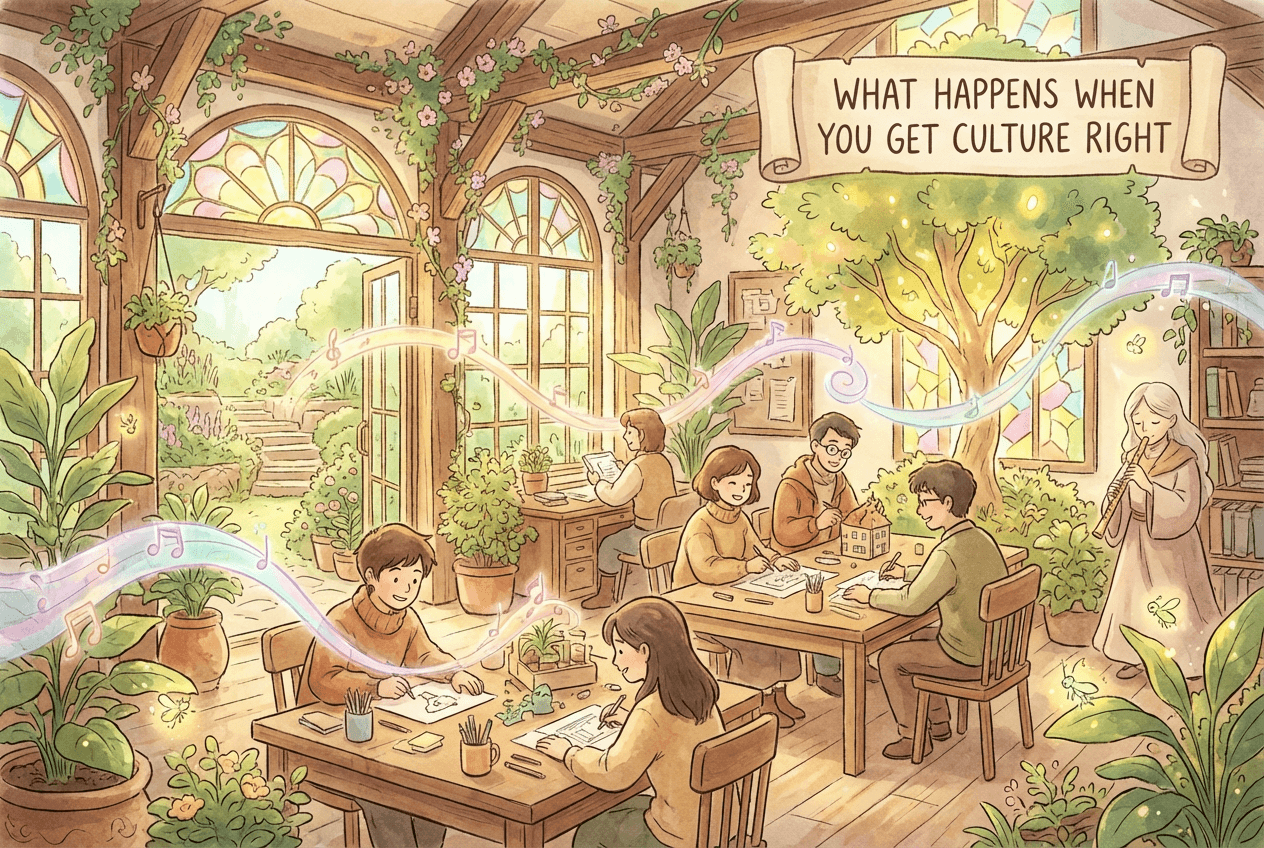 The payoff for building Gen Z-friendly culture goes way beyond just hiring more young workers. You create a workplace that attracts talented people across all generations who share these values.
Your employer brand strengthens organically. Posts shared by employees have 800% more engagement than posts from official brand accounts. When your team genuinely loves your cultural programs, they share that enthusiasm. Their networks see real people having real experiences. That credibility can't be bought.
Your retention skyrockets. Companies with better employer brands see 28% higher retention rates. Gen Z stays when they feel valued, supported, and aligned with your culture. Every person who stays instead of leaving saves you three to four times their salary in replacement costs.
Your innovation accelerates. Gen Z brings fresh perspectives, digital fluency, and creative problem-solving. When they feel psychologically safe and culturally connected, they contribute their best ideas. Companies with high employee engagement earn 23% more profit. That's not coincidence. Engaged people drive innovation.
Your reputation as an employer transforms. 88% of job seekers consider a company's employer brand when applying. When you're known for exceptional culture, you attract exceptional candidates. Top talent seeks you out instead of you chasing them.
The Cost of Getting Gen Z Culture Wrong
 Let's talk about what happens if you ignore these trends. The numbers are brutal.
50% of Gen Z are actively looking for new jobs. If your culture doesn't meet their needs, they're already browsing job boards. 73% would leave jobs without flexible options. Your competitors are offering the cultural programs and flexibility they want. Every day you delay is a day you're losing ground.
Poor culture costs money in ways that don't show up on quarterly reports. Companies with poor work culture grow at only 166% compared to those with strong culture. Disengaged employees cost organizations 15% to 20% of total payroll in voluntary turnover costs.
Your employer brand takes hits that are hard to reverse. 87% of job seekers won't apply if they see negative reviews about your company. When Gen Z employees leave due to culture mismatch, they share those stories. On Glassdoor. On Reddit. On social media. Their networks listen.
The ripple effects spread. When Gen Z workers are disengaged or leave, it impacts your entire team. Morale drops. Workload increases for those who stay. More people start looking. The culture deteriorates further. It's a downward spiral that's hard to escape.
The Future Belongs to Culture-Forward Companies
Gen Z isn't a temporary phenomenon you can wait out. By 2030, they'll represent 30% of the global workforce. They're not adapting to your workplace. Your workplace needs to adapt to them.
The companies winning Gen Z talent (and the millennials who share these values) are those building cultures around wellbeing, purpose, creativity, and authentic connection. Cultural programs that bring music, art, dance, and mindfulness into everyday work life aren't nice-to-haves. They're strategic imperatives.
These programs signal that you value employees as whole humans. They create the psychological safety Gen Z needs to thrive. They offer the flexibility and personalization they expect. They demonstrate your values in action rather than just in mission statements.
Most importantly, they work. The data overwhelmingly shows that cultural programs drive engagement, retention, and performance among Gen Z workers. They attract top talent who care about more than just a paycheck. They build the kind of workplace where people do their best work because they genuinely want to be there.
The choice is yours. Keep running the same playbook that worked for previous generations and watch Gen Z talent flow to your competitors. Or adapt now, build genuine culture, and position yourself as the employer this generation actively seeks out.
Gen Z is choosing companies with better work culture. The question is whether they'll choose yours.
Frequently Asked Questions
1. Why does Gen Z prioritize culture over salary?
Gen Z witnessed their parents' generation sacrifice everything for corporate success, often resulting in burnout, layoffs, and broken health. They learned these lessons early and prioritize sustainable careers over maximum earnings. 67% of Gen Z would rather earn less at a job that supports their mental and physical health than earn more at a high-stress employer. They've also seen that 77% of job seekers consider culture more important than salary, understanding that toxic culture affects quality of life regardless of pay. Cultural programs that support wellbeing, creativity, and connection directly address these priorities.
2. What specific cultural elements matter most to Gen Z?
Mental health support tops the list, with 61% willing to leave for better mental health benefits. Authentic company values follow closely, as 83% consider a company's diversity and inclusion track record key to their decisions. They also prioritize flexibility (71% prefer hybrid work models), continuous learning (70% develop skills weekly), and transparent communication (81% value transparency). Cultural programs incorporating music, art, dance, and mindfulness address multiple priorities simultaneously, offering creative outlets, stress management, learning opportunities, and authentic connection.
3. How can small companies compete with big companies for Gen Z talent?
Small companies actually have advantages in building authentic culture. You can move faster, be more flexible, and create more personalized experiences. Gen Z values genuine culture over fancy perks. Posts from employees have 800% more engagement than corporate posts, so authentic employee stories about your cultural programs carry more weight than big budgets. Start with one or two creative wellness activities (like monthly music sessions or art workshops), gather feedback, and expand based on what resonates. Your size allows you to be more responsive to Gen Z's feedback and preferences.
4. What happens if my current culture doesn't align with Gen Z values?
Start changing now before the gap costs you talent. 50% of Gen Z are actively looking for new jobs, and 73% would leave without flexible options. Begin by surveying your Gen Z employees about what's missing, then pilot cultural programs addressing those gaps. Be transparent about the evolution, admitting where you've fallen short and showing commitment to improvement. Gen Z values authenticity more than perfection. Companies with poor culture grow at only 166% compared to those with strong culture, so delayed action has real financial consequences.
5. Do cultural programs really impact business results with Gen Z workers?
Yes, measurably. 89% of employees who work for companies with wellness programs are engaged and happy, and engaged employees are 14% more productive. Companies with strong wellness programs see 22% lower turnover, saving massive replacement costs (three to four times salary per person). Beyond these metrics, cultural programs strengthen employer brand, with 88% of job seekers considering employer brand when applying. When Gen Z workers feel culturally aligned, they refer talented friends, reducing recruitment costs while improving hire quality.
Ready to build culture Gen Z actually wants? Book a free trial and see how music, dance, and art programs create the authentic workplace culture that attracts and retains top young talent.