ChatGPT
 Google AI
 Grok
Grok Claude
Young professionals today aren't just looking for a paycheck. They want purpose, connection, and a workplace that reflects who they are. Companies with active cultural programs - music, dance, art, and creative wellness - are consistently outperforming others in talent attraction and retention among Gen Z and millennials. This post explains why, backed by research, and shows you how to build a workplace culture that genuinely draws young talent in. Book a free trial to see it in action.
The rules of talent attraction have changed completely. And most companies haven't caught up.
Gen Z is now the largest generation in the global workforce. Millennials have been a majority for over a decade. Together, these two generations bring a set of expectations that older workplace models simply weren't designed to meet.
They don't just want flexibility. They want meaning. They don't just want a salary review. They want to feel like they belong somewhere. And they're shockingly good at detecting the difference between a company that performs culture and one that actually lives it.
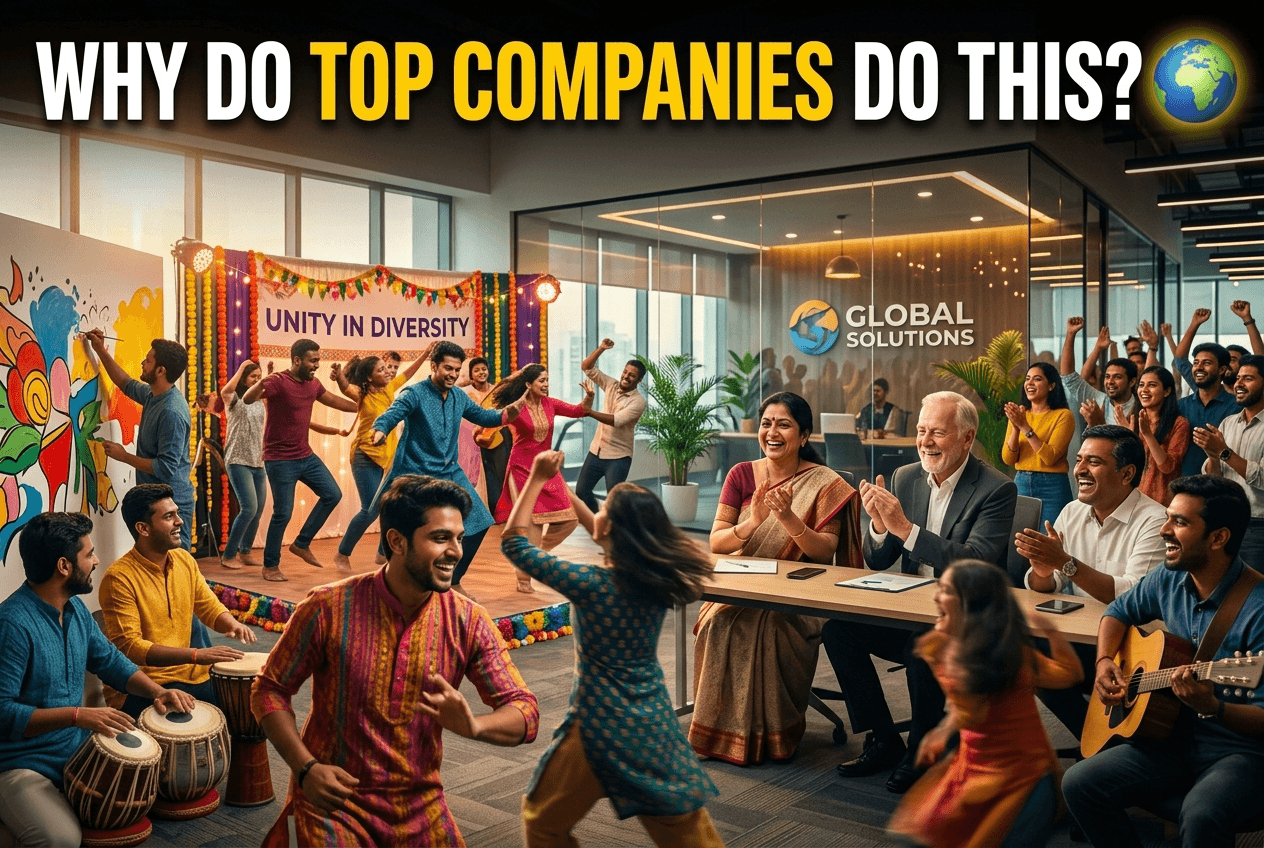
Cultural programs - regular creative activities like music sessions, dance workshops, art classes, and mindfulness practices - are one of the clearest signals a company can send. They say: we invest in our people as whole human beings. That message lands.
In this post, we'll unpack exactly why companies with cultural programs attract young talent at a higher rate, what the research shows, and what you can do to build something real.
What Do Young Professionals Actually Look for in an Employer?
 Young professionals prioritise workplace culture, personal growth, and a sense of belonging far more than previous generations did. A Deloitte Global Millennial Survey found that culture fit is now one of the top three factors young professionals consider when evaluating a job offer, often ranking above compensation.
This isn't just idealism. It's lived experience. Many millennials entered the workforce during economic instability. Gen Z grew up watching burnout become an epidemic. They've learned, often the hard way, that a high salary in a soul-draining environment isn't worth it.
What they want instead:
A workplace that feels human. Where people laugh, connect, and look out for each other.
Opportunities to grow beyond their job description. Not just promotions, but personal development: creative skills, emotional intelligence, cultural depth.
Visible proof that leadership cares. Actions, not slogans on the wall.
Cultural programs deliver all three. A weekly music session or monthly art workshop signals investment in the whole person. That signal matters enormously to the talent pool you're trying to reach.
Why Is Culture the New Currency in Talent Attraction?
Culture is the new currency in talent attraction because compensation packages have become increasingly similar across competing employers, especially in tech, consulting, and services. When salary, benefits, and remote work options are roughly equal, culture becomes the deciding factor.
Young professionals research culture before they research salary. They read Glassdoor reviews, watch Instagram stories from employees, and ask on Reddit threads. They're looking for authentic signals: not polished "best places to work" badges, but real stories from real people.
Cultural programs create those stories. When an employee posts about their company's Bollywood dance session or shares a painting from a team art workshop, that's organic proof of a living culture. No marketing budget can replicate it.
LinkedIn research consistently shows that culture-led employer brands attract applicants faster, convert more offers, and retain new hires longer. Companies that invest in cultural programs are building employer brand equity with every session they run. Explore Art Gharana's corporate programs to see what that looks like at scale.
How Do Creative and Cultural Programs Specifically Appeal to Gen Z?
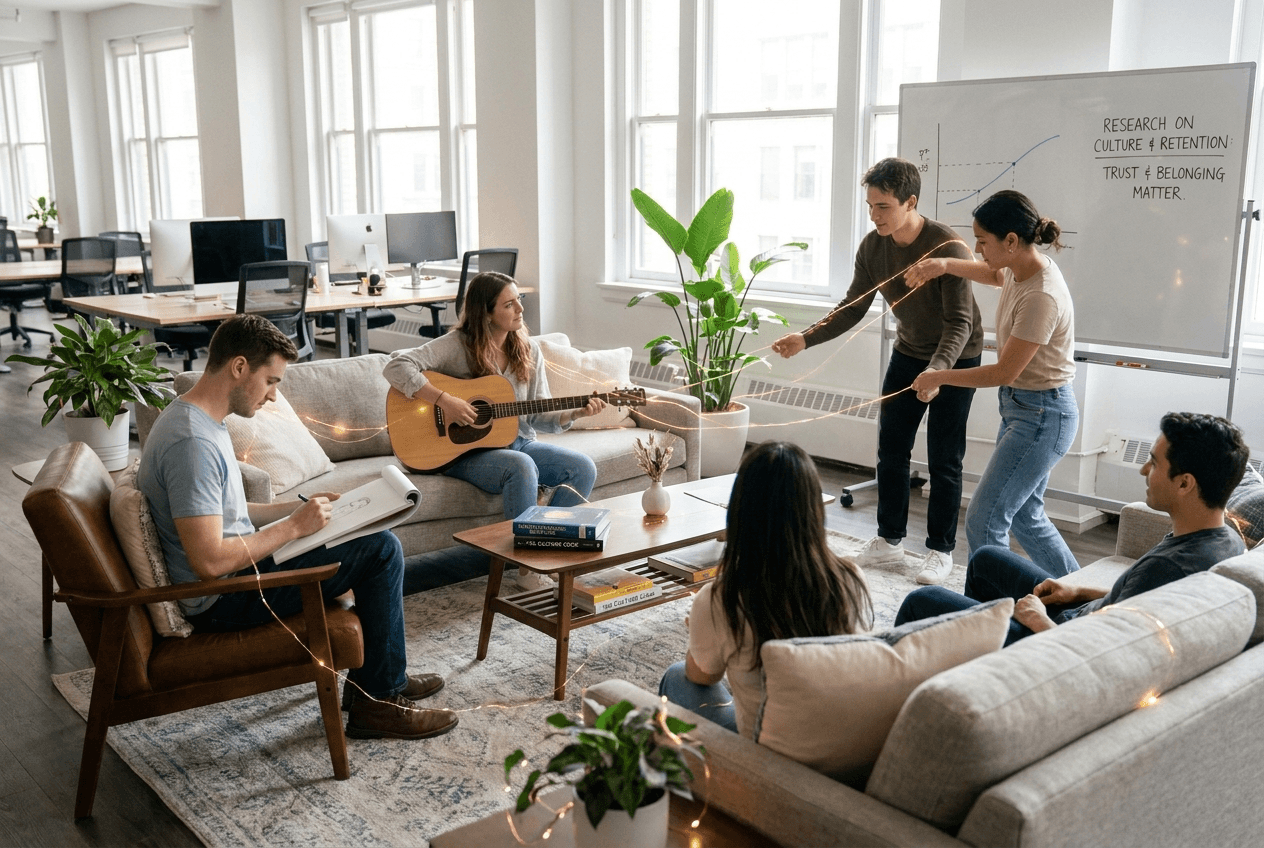 Gen Z responds to creative programs because creativity, self-expression, and authenticity are core to their identity. They grew up on YouTube tutorials, TikTok dances, and DIY culture. They don't separate "creative self" from "professional self." They want workplaces that don't force them to.
Here's what resonates most:
Programs that feel real, not performative. Gen Z is extraordinarily sensitive to inauthenticity. A well-designed creative program with skilled facilitators and genuine participation from leadership tells them this company means what it says.
Opportunities to discover new skills. This generation is curious. They want to learn things - music, dance, mindfulness, art. A company that gives them those opportunities during the workday earns enormous loyalty points.
Community and belonging. The loneliness epidemic is real, and it hits hardest among young adults. Research from the US Surgeon General's office identified loneliness as a major public health challenge. Cultural programs build the kind of genuine social connection that loneliness prevention actually requires.
Visible diversity of expression. When a company runs programs that celebrate different art forms - Kathak, Bharatanatyam, Hindustani vocal, Western music - it signals cultural inclusivity. That matters deeply to a generation that values representation. Learn more about our diverse course offerings to see the breadth of what's possible.
What Does Research Say About Culture and Young Talent Retention?
Research is unambiguous: young talent stays longer in organisations where they feel culturally connected. Gallup has found that millennials who are engaged at work are 26% more likely to stay in their current role and significantly less likely to experience burnout than their disengaged peers.
A report by Workplace Intelligence found that 74% of Gen Z employees say they are more likely to stay at a company that invests in their learning and development, and this includes personal and creative development, not just job-specific training.
The cost of ignoring this is real. The average cost of replacing an employee is estimated at between 50% and 200% of their annual salary, depending on seniority and role. For early-career talent, even losing a junior team member can cost tens of thousands of dollars in recruitment, onboarding, and productivity loss.
Investing in cultural programs isn't an HR nice-to-have. It's a direct response to a measurable business problem. See our plans and pricing to understand what that investment looks like.
How Do Cultural Programs Create Psychological Safety at Work?
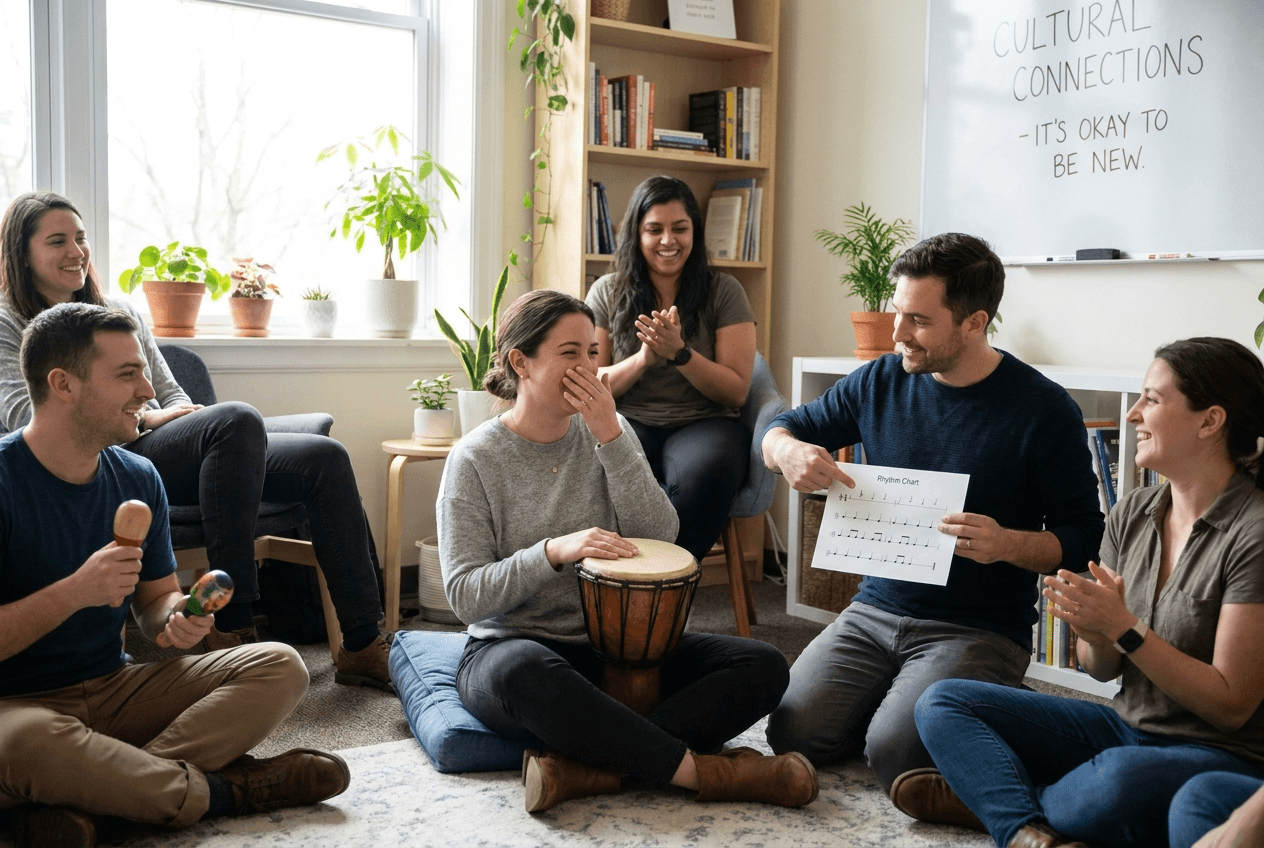
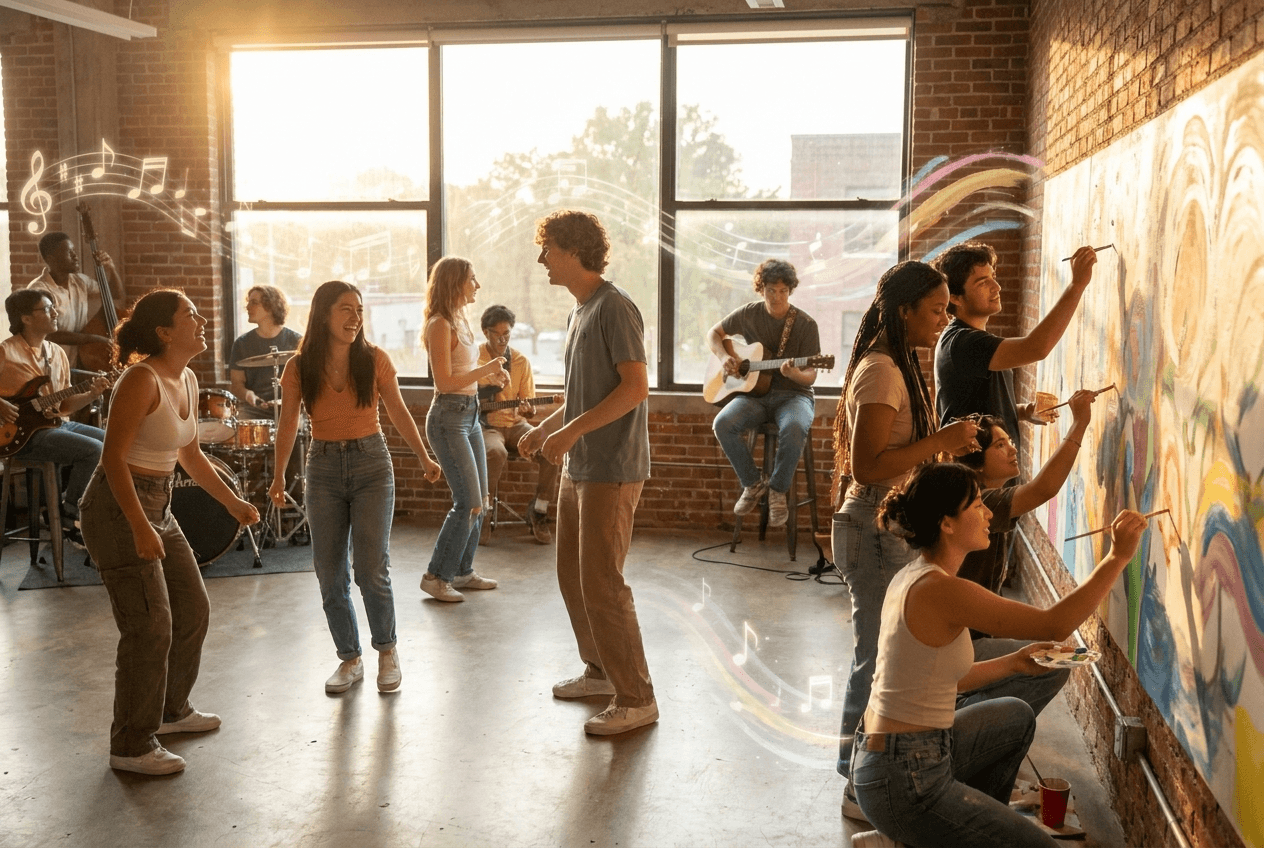 Cultural programs create psychological safety by giving employees shared experiences outside of performance evaluation. When people learn something new together - a guitar chord, a dance step, a breathing technique - they're all beginners. That shared vulnerability is enormously bonding.
Psychological safety, a concept made famous by researcher Amy Edmondson, describes the belief that you won't be punished for speaking up, making mistakes, or being yourself at work. It's a leading predictor of team performance, innovation, and retention.
Creative activities naturally build this. You can't be perfect at Bharatanatyam in your first session. You can't nail a tabla rhythm straight away. And that's exactly the point. The shared experience of trying, laughing, failing a little, and trying again creates an emotional foundation that spills back into the workplace.
Teams that have shared creative experiences communicate better, trust each other more, and handle conflict more gracefully. That's not soft. That's measurable performance improvement.
What Are the Signs That Your Company's Culture Isn't Attracting Young Talent?
You may already be losing the talent attraction battle if you're seeing certain signals. High dropout rates among candidates who accept but then back out before starting. New hires leaving within the first 6 months. Low scores on Glassdoor for culture and environment. Difficulty attracting applicants from top campuses or referrals from existing employees.
These aren't just recruitment problems. They're culture signals.
Young talent talks. They share experiences with their networks instantly and honestly. If your culture doesn't match your website copy, they'll find out before they even start.
The fix isn't a rebrand. It's substance. Build something real, something that employees genuinely experience as meaningful, and the brand story writes itself. A great place to start is our testimonials page to hear from people who've already made that shift.
How Do You Start Building a Cultural Program That Attracts Young Talent?
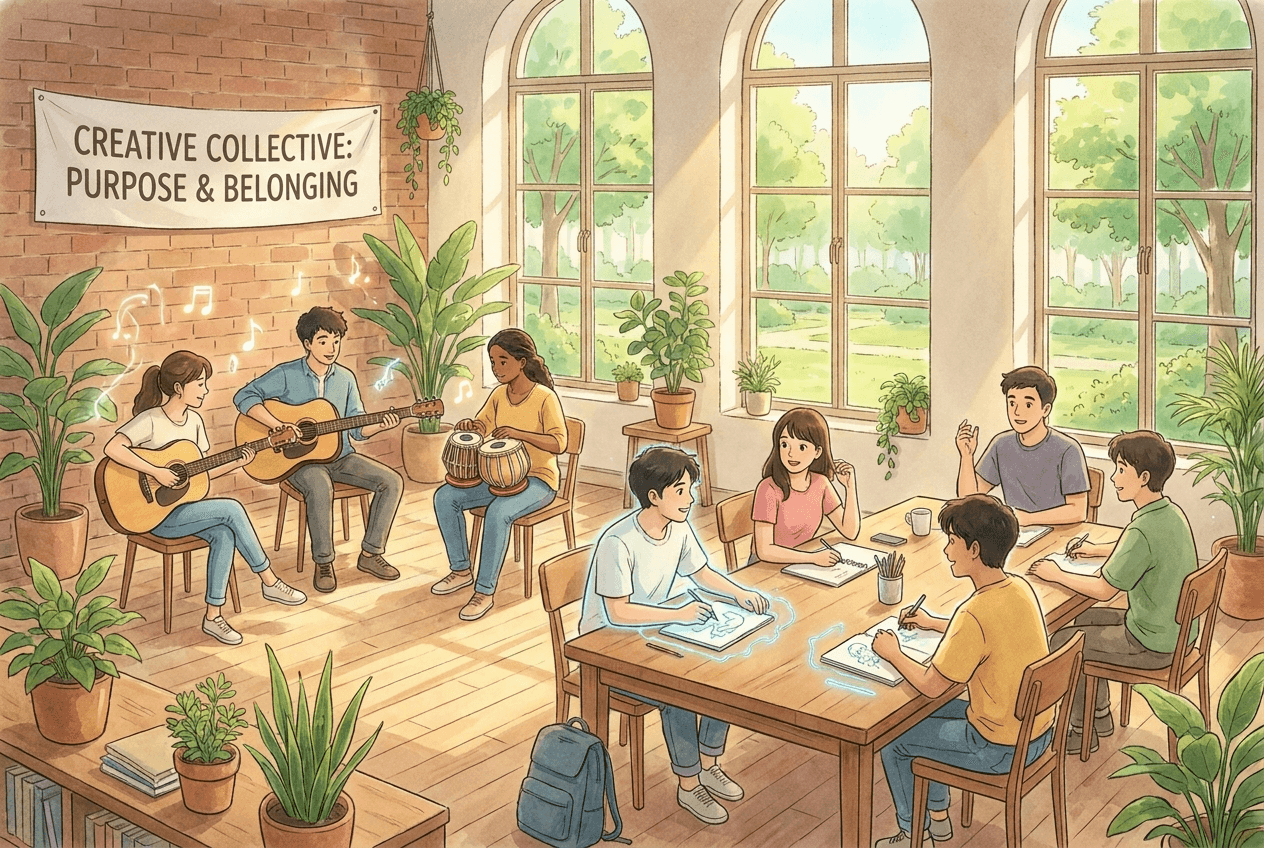 Starting doesn't have to be complicated. Here's a practical path:
Start with a listening session. Ask your team what creative activities they'd love access to. You'll be surprised how consistent the answers are - music, dance, and art come up again and again. That's not coincidence. These are human needs.
Pilot before you scale. Run one session a week for a month. A guided music workshop, a Bollywood dance class, or an art and mindfulness session works well for first-timers. Watch what happens to energy levels, conversation, and laughter.
Make it regular. One workshop won't change anything. A fortnightly creative session over three months will. Culture is built through repetition.
Involve leadership. When managers and leaders participate genuinely, not just attend, it sends a powerful message. The program becomes something the whole company owns, not just something HR runs.
Tell the stories. Encourage employees to share moments from creative sessions. The content will be genuine, relatable, and magnetic to exactly the talent you want to attract.
Art Gharana's corporate wellness model is designed to make all of this easy. We bring expert facilitation, structured programs, and a sustainable rhythm that grows with your team. Book a free trial and see how quickly culture can shift.
Conclusion
Young talent doesn't want to compromise anymore. They've watched previous generations do it, and they've seen where that leads. They're choosing companies that treat them as whole human beings, offer genuine connection, and build cultures worth being part of.
Cultural programs - music, dance, art, mindfulness - are your most direct answer to that demand. They're not a luxury. They're a signal. And right now, that signal is one of the most powerful things you can send.
The companies attracting the best young talent today aren't just the biggest or the highest-paying. They're the most human. Book a free trial with Art Gharana and start building that kind of culture today.
Frequently Asked Questions
1. Why do cultural programs attract young talent more than traditional perks?
Traditional perks like gym memberships or free lunches are transactional. Cultural programs create experience and belonging. Young professionals, especially Gen Z and millennials, are looking for workplaces where they feel genuinely connected and creatively expressed. A music or dance program delivers that in a way a coffee machine never will.
2. What types of cultural programs resonate most with Gen Z employees?
Gen Z responds strongly to programs that feel authentic and personally meaningful. Music workshops, dance sessions, visual art activities, and mindfulness practices all perform well. Programs that celebrate diverse cultural art forms, like Bollywood dance, Hindustani vocal music, or Kathak, also resonate deeply with multicultural teams and Gen Z's values around representation.
3. How do cultural programs affect employee referrals from young professionals?
Young professionals are far more likely to refer friends to companies they're proud of. A strong cultural program gives them a story to tell that goes beyond "good salary" or "nice office." Referral rates typically improve within 3 to 6 months of consistent cultural programming, and referral hires tend to onboard faster and stay longer.
4. Can cultural programs help with campus recruitment and early-career hiring?
Yes, significantly. Word travels fast among students and early-career professionals. If your company is known as a place where people learn dance, play music, and actually enjoy work, that reputation reaches campuses through alumni networks, LinkedIn, and social media long before you run a single campus campaign.
5. How much time commitment do cultural programs require from employees?
Effective programs typically require 30 to 60 minutes per session, once or twice a week. This is a small time investment with a disproportionately large cultural return. Most companies find that session attendance is high and voluntary, which is itself a telling signal of employee engagement and wellbeing.