ChatGPT
 Google AI
 Grok
 Claude
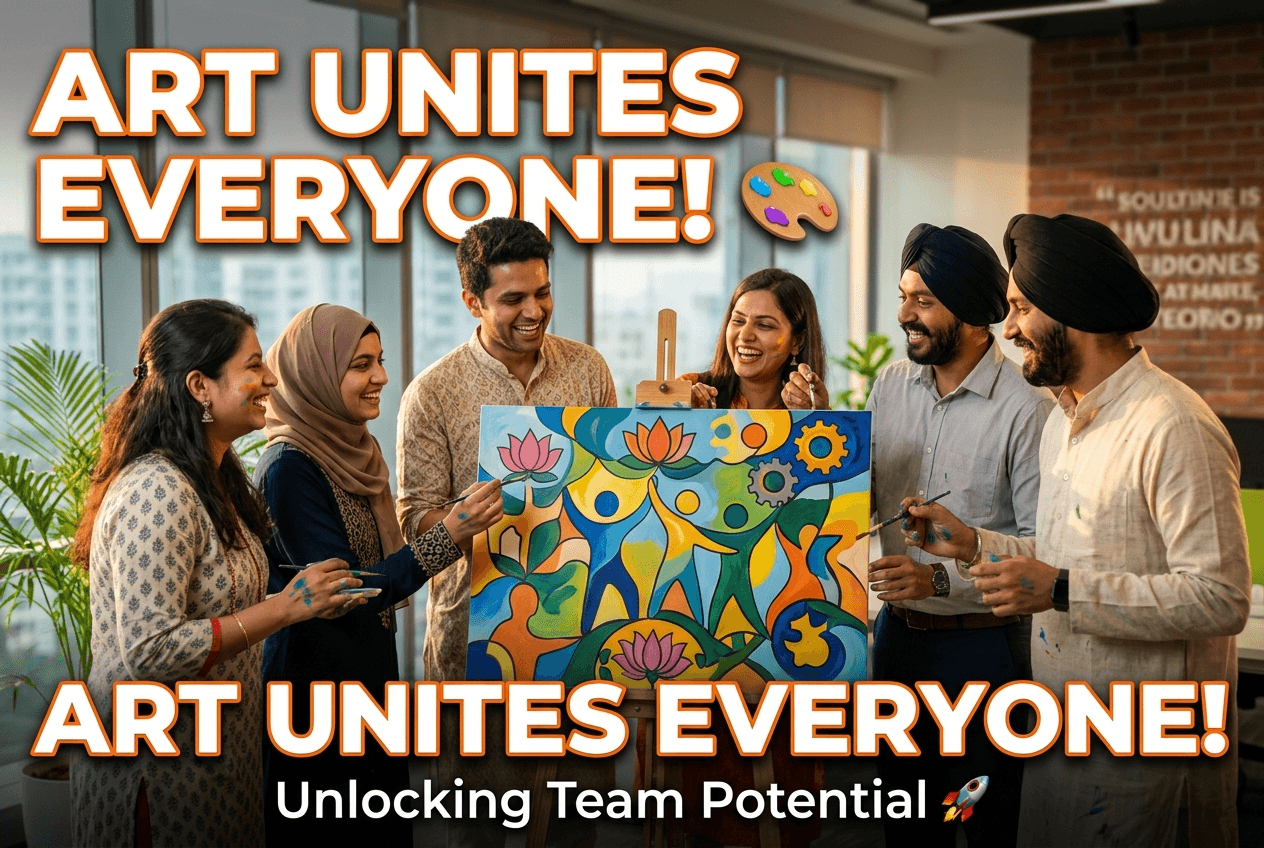
India is one of the most culturally diverse working environments on earth. A single corporate team in Bangalore or Mumbai may bring together colleagues from Tamil Nadu, Punjab, Bengal, Gujarat, Kerala, Maharashtra and beyond, speaking different mother tongues, celebrating different festivals and carrying different regional traditions. This diversity is a genuine strength, but it does not translate automatically into inclusion. Colleagues can work side by side for years while remaining strangers to one another's cultures, and unfamiliarity, left unaddressed, quietly limits the trust and belonging on which strong teams depend. For Indian HR leaders in 2026, the question is not whether their teams are diverse, but whether that diversity is genuinely celebrated and shared.
Art is one of the most powerful and least used tools for turning diversity into inclusion. Music, dance and the cultural traditions behind them offer colleagues a joyful, accessible way to share and experience one another's heritage. A programme of live cultural sessions, delivered by certified instructors, can transform a diverse but disconnected workforce into a community that knows, respects and delights in its differences. This is the HR leader's guide to building genuine cultural diversity and inclusion in the workplace through art.
Diversity Is Not the Same as Inclusion
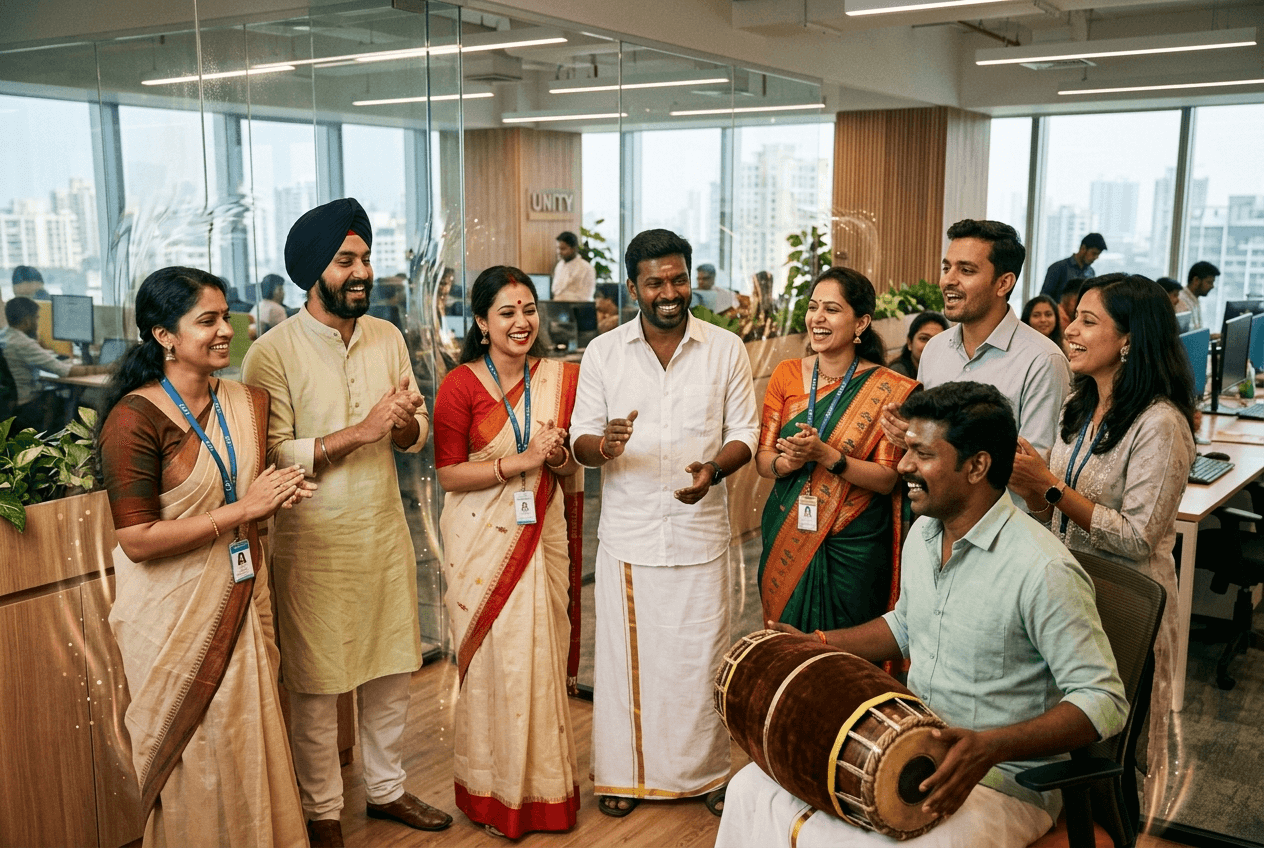 A crucial distinction underpins effective diversity work: diversity is a fact, but inclusion is an achievement. Diversity simply means a workforce composed of people from different backgrounds, which most large Indian companies already have in abundance. Inclusion means those people genuinely feel that their backgrounds are valued and that they belong equally. The two frequently come apart. A team can be highly diverse on paper while its members feel invisible, unheard or subtly excluded in practice. Closing this gap between diversity and inclusion is the real work, and it cannot be achieved through policy alone. It requires creating genuine, positive experiences in which colleagues share and celebrate one another's cultures, and art is uniquely suited to creating exactly those experiences.
Why Art Bridges Cultures Better Than Words
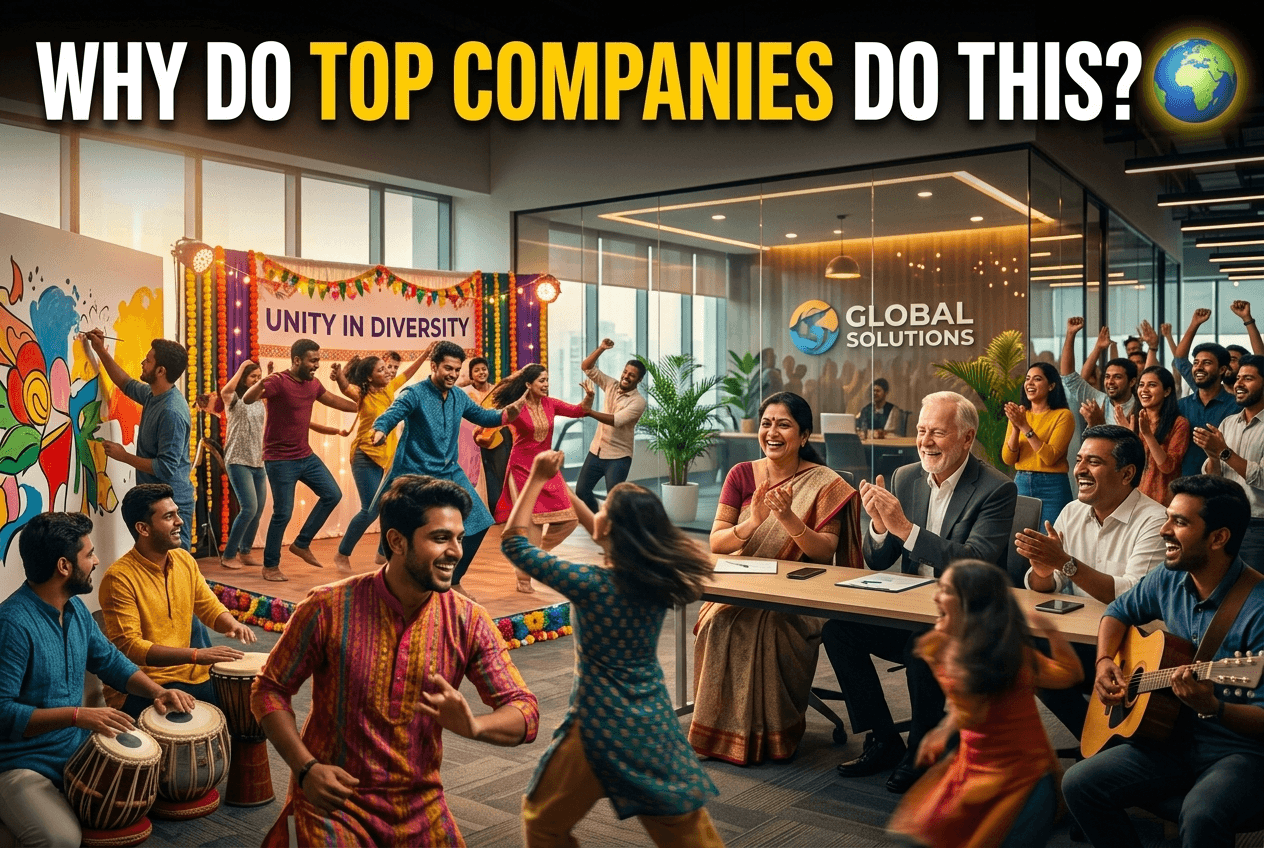
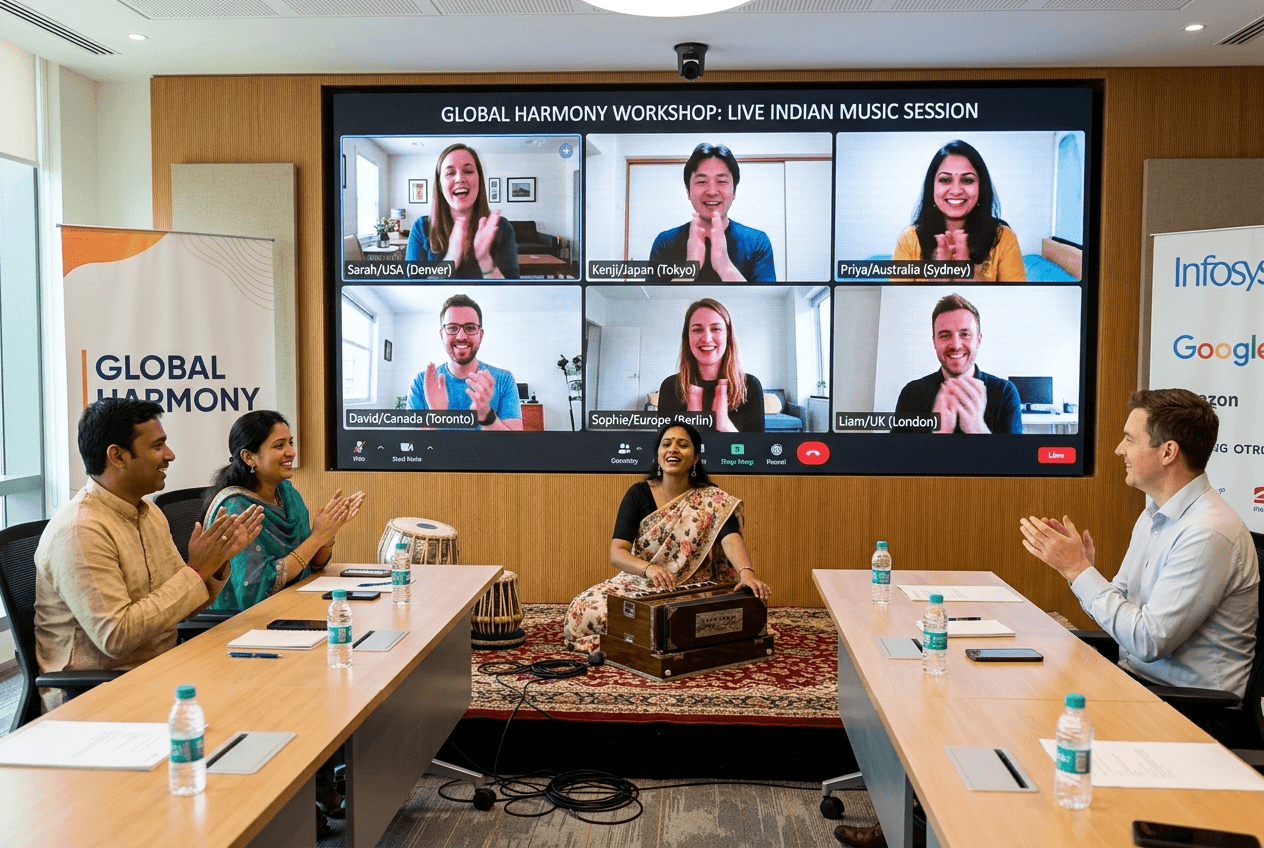 Art has a distinctive power to connect people across cultural difference. Where a policy or a training module addresses diversity in the abstract, a cultural art session lets colleagues experience one another's heritage directly and joyfully. When a colleague from Chennai introduces the group to a Carnatic melody, or a colleague from Punjab shares the energy of a folk rhythm, the rest of the team does not merely learn about that culture; they feel it, participate in it and enjoy it together. This lived, participatory experience builds respect and curiosity in a way that words about diversity cannot. Art turns cultural difference from something to be managed carefully into something to be shared with delight.
The Science of Shared Creative Experience
The bridging power of shared art is supported by research. Studies of interpersonal synchrony show that making music or moving together in time increases trust, cooperation and a sense of being one group, an effect that operates across cultural lines and can bring diverse colleagues together at a level deeper than language. A 2025 scoping review published in BMC Complementary Medicine confirmed the mood, stress and job satisfaction benefits of workplace music interventions. When diverse colleagues share a positive, synchronised creative experience, they build both connection and the specific, lived appreciation of one another's traditions that genuine inclusion requires.
Celebrating India's Regional Traditions
India's own artistic wealth makes it ideally suited to diversity work through art. A programme can move between North Indian and South Indian traditions, Hindustani vocal and Carnatic vocal, Kathak and Bharatanatyam, tabla and regional folk forms, giving colleagues from every region a moment to see their own heritage represented and shared. For an employee whose regional culture is often in the minority within their team, seeing that tradition celebrated by the whole group is a powerful signal of belonging. And for colleagues encountering a tradition for the first time, the experience builds genuine cross cultural appreciation. A Bollywood dance session, drawing on a shared national popular culture, offers common ground that everyone can enjoy together.
Inclusion Beyond the Indian Context
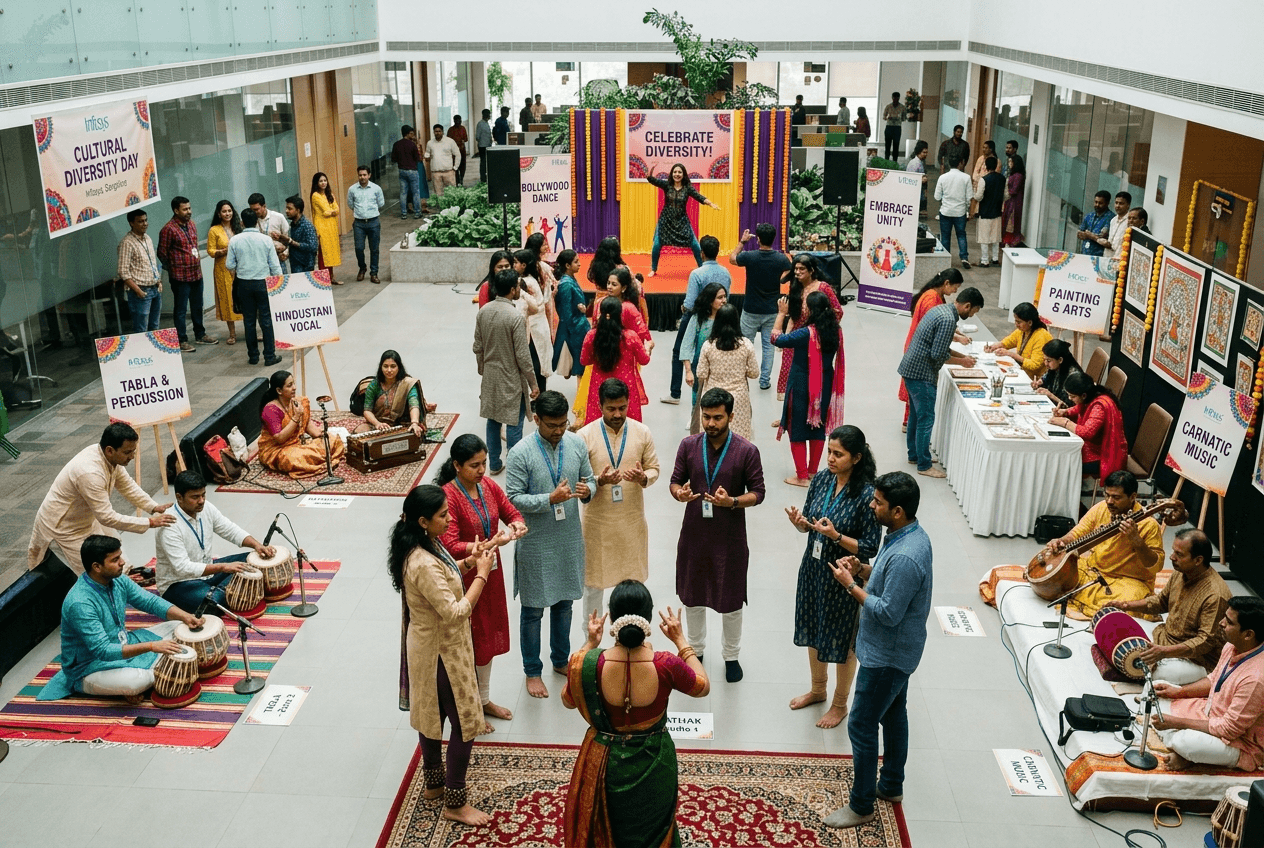 For Indian companies with global teams, or Indian arms of multinational organisations, art offers a way to share Indian culture with international colleagues and to celebrate the many cultures within a global workforce. A global team that experiences an Indian classical music session together gains a lived appreciation of the culture behind their Indian colleagues, and the principle extends both ways: art is a universal language through which any culture can be shared and any diverse team can build mutual understanding. In an increasingly global Indian corporate landscape, this capacity of art to bridge not only regional but national differences makes it a strategic inclusion tool.
What Cultural Diversity Programmes Look Like
Rotating Cultural Sessions
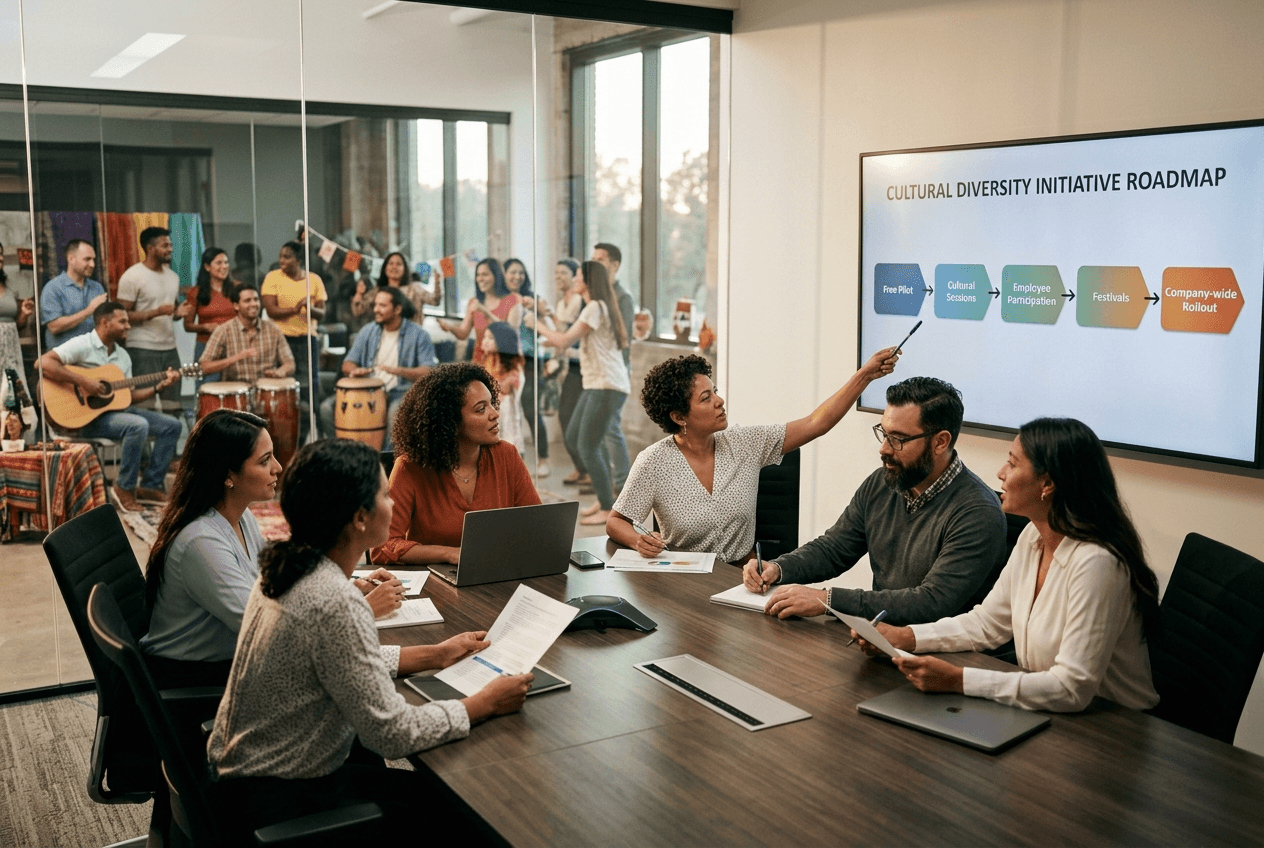
A rotating programme, a month exploring a South Indian tradition, a month on a North Indian one, a month of Bollywood, ensures that over time every major regional culture in a diverse team is represented and celebrated. Each employee gets to see their heritage honoured, and everyone gets to experience traditions beyond their own, building appreciation across the whole team.
Festival and Heritage Celebrations
Cultural art sessions align naturally with India's rich festival calendar. A music or dance session themed around a festival, from Diwali to Pongal to Navratri to Baisakhi, lets a team celebrate the diversity of its members' traditions together, turning the calendar into a series of shared, inclusive moments rather than observances that some colleagues mark and others overlook.
Individual Cultural Learning
Offering individual one to one learning, an employee taking up tabla or bansuri flute, lets people explore a tradition, whether their own or another, in depth. This personal cultural exploration, supported by the employer, is a tangible signal that the company values cultural heritage, and the learning employees bring back enriches the whole team's cross cultural understanding.
Cultural Diversity and Belonging
The ultimate goal of diversity work is belonging, the felt sense among all employees that they are valued members of the team regardless of background. Art contributes to belonging directly and powerfully. When an employee sees their regional tradition celebrated by colleagues, they experience an unmistakable signal that they belong. When colleagues from different backgrounds share and enjoy one another's cultures repeatedly, the small distances that unfamiliarity creates dissolve into genuine mutual regard. Belonging built this way, through shared joyful experience rather than mandated tolerance, is authentic and durable, and it is the foundation of an inclusive culture that employees choose to stay in.
The Retention and Employer Brand ROI
For HR leaders, diversity work through art delivers measurable returns. Belonging is among the strongest predictors of retention, and employees who feel their culture is genuinely valued are markedly more loyal. At Indian attrition rates, with replacement costs of fifty to two hundred percent of annual salary, an inclusion programme that meaningfully improves belonging repays its cost by preventing only a few departures per year. There is also a significant employer brand dividend: India's talent market increasingly scrutinises companies for genuine, lived inclusion rather than stated policy, and the authentic content employees share of their team celebrating diverse cultures is exactly the credible inclusion signal that attracts diverse top talent.
How to Implement Cultural Diversity Through Art
Start with a Free Pilot
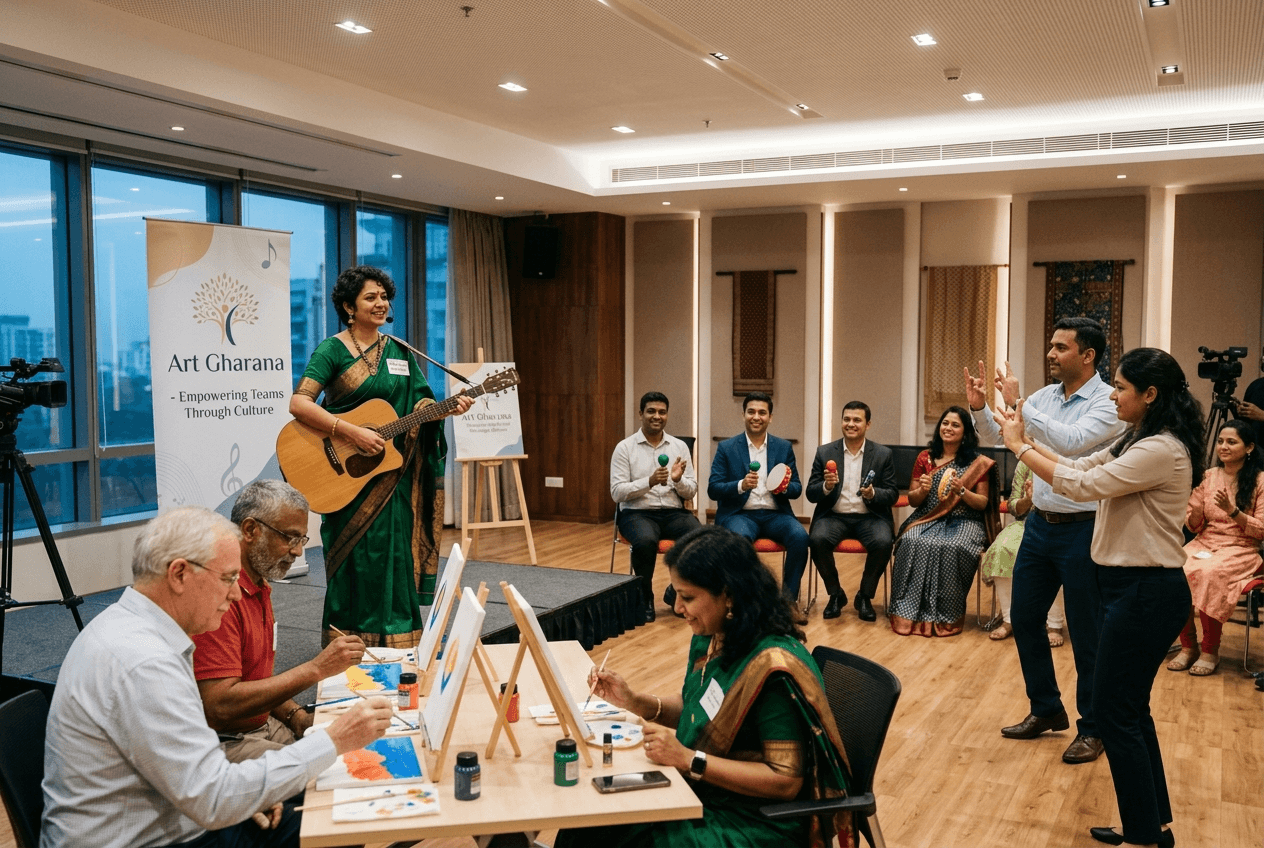
Art Gharana recommends a four to six week pilot exploring a rotation of traditions before wider rollout, generating engagement data and a business case. Book a corporate trial session to experience the inclusive energy firsthand before any commitment.
Represent Every Major Tradition
The key implementation principle is representation over time. Design the programme so that, across a quarter or a year, the major regional cultures present in your team are each celebrated. This deliberate inclusiveness ensures that no group feels overlooked and that every employee experiences the belonging of seeing their heritage honoured.
Let Employees Lead
Inclusion deepens when employees help shape the programme. Inviting colleagues to suggest traditions, share the significance of a festival or introduce a session about their own culture turns the programme from something done to the team into something owned by it. This participation is itself an act of inclusion and multiplies the programme's connective effect.
About Art Gharana Corporate
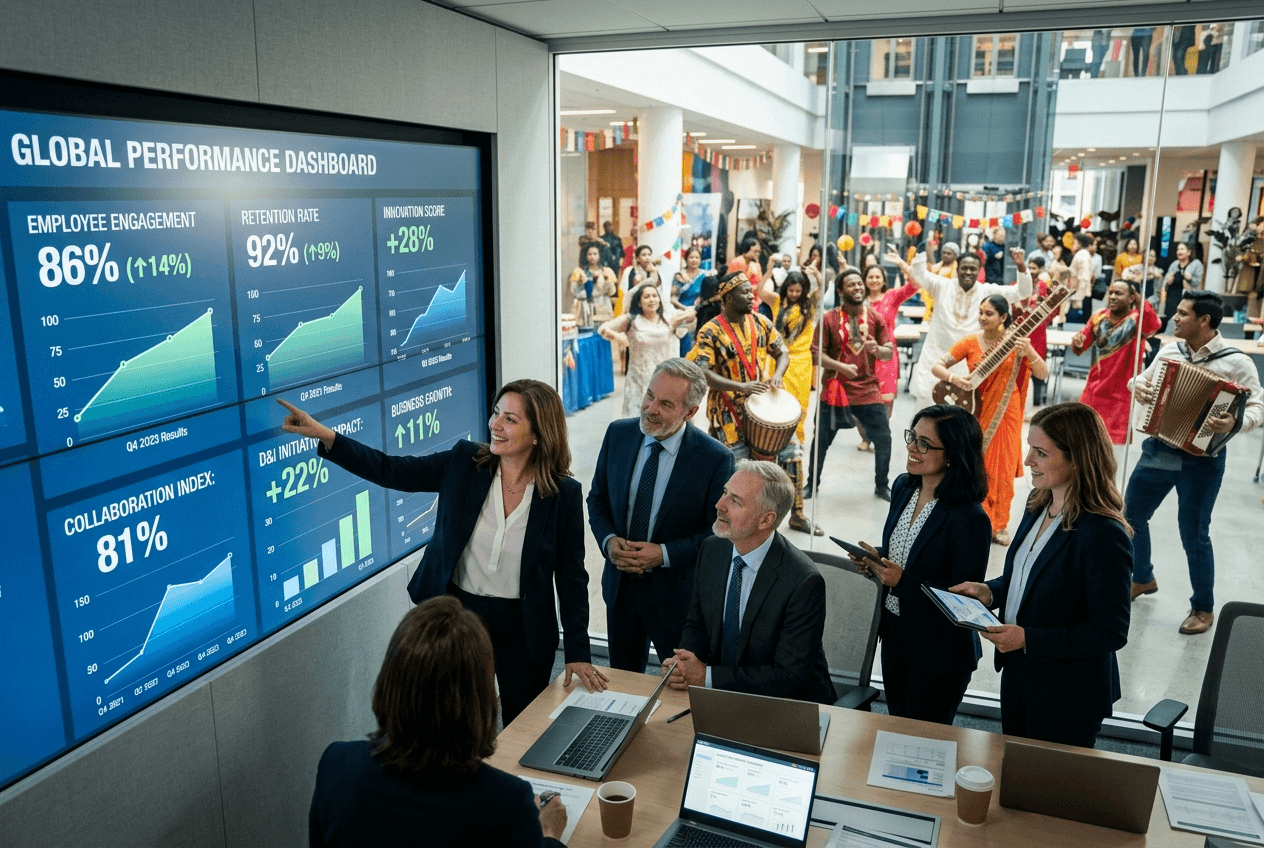 Art Gharana is the only platform combining live music, dance, art and vocal wellness specifically positioned for corporate teams in India, with the disciplinary breadth to represent the country's diverse regional traditions. With certified instructors across Bollywood dance, Kathak, Bharatanatyam, tabla, bansuri flute, Hindustani vocal and Carnatic vocal, Art Gharana delivers genuine cultural diversity programmes in a format designed for corporate delivery. Explore our full range of wellness courses, review our plans and pricing for companies, and browse our instructor profiles before booking your pilot through the Art Gharana corporate programme.
Frequently Asked Questions
1. How does art promote cultural diversity in the workplace?
Art promotes cultural diversity by letting colleagues experience one another's heritage directly and joyfully rather than in the abstract. Sharing music, dance and cultural traditions builds lived appreciation and respect across differences, turning a diverse but disconnected workforce into an inclusive community that celebrates its variety.
2. What is the difference between diversity and inclusion?
Diversity is the fact of a workforce composed of people from different backgrounds, while inclusion is the achievement of everyone genuinely feeling valued and belonging equally. Art helps close the gap between the two by creating positive shared experiences in which every culture is celebrated.
3. How does Art Gharana support workplace diversity?
Art Gharana supports workplace diversity through live sessions across India's North and South Indian musical and dance traditions, delivered by certified instructors. A rotating programme celebrates the many regional cultures present in a diverse team, building belonging and cross cultural appreciation across all Indian time zones.
Inclusion as a Business Advantage
Genuine inclusion is not only an ethical goal but a business advantage, and Indian HR leaders in 2026 increasingly treat it as such. Diverse teams that are also genuinely inclusive make better decisions, innovate more effectively and retain talent more reliably than diverse teams where difference is merely tolerated. The distance between those two states is bridged by lived, positive experience of one another's cultures, precisely what art provides. Companies that invest in celebrating their diversity through the arts convert a workforce they already have into a genuine competitive advantage, while also building the authentic inclusive reputation that attracts the diverse talent every Indian company is competing for.
Cultural Diversity Programmes Across Company Types
India's IT sector, with its highly diverse, pan Indian workforce, has the most to gain from diversity work through art, both because the diversity is so pronounced and because the shareable content strengthens an inclusive employer brand. The BFSI sector benefits from combining group cultural celebrations with individual learning options, letting employees explore traditions at their own pace. Startups, building culture from the ground up, can embed cultural inclusion into their identity early through art, creating the genuinely inclusive environment that culturally curious talent seeks. Across all three, art delivers lived inclusion at a cost small relative to the retention and employer brand value it returns.
Building the Business Case in Five Steps
For HR leaders justifying diversity through art to finance and leadership, a simple framework works. Step one: establish the baseline cost of current attrition, using replacement costs of fifty to two hundred percent of annual salary. Step two: establish the cost of the cultural diversity programme for your team size. Step three: calculate the attrition reduction needed to break even, typically only a few departures per year. Step four: cite belonging and inclusion research linking valued cultural identity to retention. Step five: add the employer brand value of authentic inclusion as upside. This conservative, quantitative case earns approval reliably, and it connects a values driven initiative to the financial outcomes finance stakeholders already track.
Key Takeaways for HR Leaders
The essential insights for HR leaders considering cultural diversity through art in India are clear. Diversity is a fact but inclusion is an achievement, and art is uniquely suited to closing the gap between them by letting colleagues share and celebrate one another's heritage directly. India's own artistic wealth makes it ideal for this work, with a rotating programme ensuring every regional culture is represented and honoured. The belonging that results is the metric most strongly linked to retention, and the authentic inclusion it signals strengthens the employer brand. Art Gharana is ready to deliver all of this for your team. The pilot is free. Begin today.
The Global Wellness and Inclusion Market
The global corporate wellness market is projected to grow from $68.41 billion in 2025 to $118.21 billion by 2034, and inclusion has become an increasingly central strand of that growth as companies recognise that belonging is a core dimension of employee wellbeing. In parallel, India's talent market rewards genuine, lived inclusion and increasingly sees through diversity efforts that exist only on paper. Companies that celebrate their cultural diversity through the arts are meeting both shifts at once, addressing the wellbeing need for belonging and building the authentic inclusive reputation that a discerning talent market now demands. Investing in inclusion through art now, while it remains distinctive, positions a company ahead of competitors who will adopt it only once it becomes standard.
Why Art Gharana Is the Right Diversity Partner
Art Gharana is uniquely positioned as a corporate cultural diversity partner because of its disciplinary breadth across India's regional traditions. From a single subscription, a programme can rotate through Hindustani vocal, Carnatic vocal, Kathak and Bharatanatyam, tabla and Bollywood, ensuring that the North and South Indian heritages present in a diverse team are all genuinely represented. All instructors are certified in their traditions with verified credentials, lending the cultural authenticity that meaningful diversity work requires, and the programme is designed for corporate delivery with flexible IST scheduling and beginner friendly content. The pilot is free, and the business case builds from the first few sessions.
Doing Diversity Through Art Well: Avoiding Tokenism
Diversity work through art succeeds only when it is genuine, and it is worth naming the failure mode to avoid: tokenism, the superficial nod to a culture that treats it as decoration rather than engaging with it authentically. The antidote is depth and respect. Sessions led by certified practitioners of a tradition, that share real context and meaning rather than a shallow performance, and that recur so that every culture is honoured rather than one being singled out once a year, avoid tokenism and build genuine appreciation. Inviting employees from a tradition to help shape its representation ensures authenticity and turns the programme into an act of inclusion rather than a gesture. Done with this care, art becomes a genuine bridge rather than an empty symbol.
Sustaining Inclusion Beyond the Pilot
Inclusion is not achieved in a single event but built through sustained, repeated experience, so cultural diversity programmes work best as an ongoing part of team life rather than a one off celebration. A rotation that returns to different traditions across the year, alignment with the festival calendar, and light feedback that lets HR refine the programme all sustain momentum. Celebrating employee participation and inviting colleagues to lead sessions about their own heritage deepens ownership over time. Handled this way, the sense of belonging the programme builds compounds year over year, and the inclusive culture it creates becomes a genuine and durable part of the company's identity.
People Also Ask: Cultural Diversity and Art in the Indian Workplace
How can companies celebrate cultural diversity through art?
Companies can celebrate cultural diversity through art by running live sessions in a rotation of cultural traditions, so that over time every major culture in a diverse team is represented and shared. Sessions in Hindustani and Carnatic music, classical and Bollywood dance, and festival themed celebrations let colleagues experience and enjoy one another's heritage together.
Why is cultural diversity important in the workplace?
Cultural diversity is important because diverse teams, when genuinely inclusive, make better decisions, innovate more and retain talent better. But diversity delivers these benefits only when it is accompanied by inclusion, the felt belonging of every employee, which requires deliberate effort such as celebrating cultures through shared experiences like art.
How does art help with diversity and inclusion?
Art helps with diversity and inclusion by turning cultural difference into shared, joyful experience. When colleagues participate in one another's musical and dance traditions, they build lived appreciation and respect that abstract diversity training cannot produce, and every employee experiences the belonging of seeing their own heritage celebrated by the group.
Can cultural diversity programmes work for remote teams in India?
Yes. Live online cultural sessions work well for remote and hybrid Indian teams, letting distributed colleagues share and celebrate diverse traditions together in real time. Because sessions recur and rotate across cultures, they build cross cultural appreciation and belonging continuously across physical distance.
How much do corporate cultural diversity programmes cost in India?
Corporate cultural diversity programme costs in India vary by team size and session frequency. Art Gharana's corporate programme is priced flexibly, with a free pilot available before any commitment, and the per employee cost is typically modest relative to the inclusion, retention and employer brand value delivered. HR leaders can review plans and pricing for companies.
What art forms best represent India's cultural diversity?
India's cultural diversity is best represented by a rotation spanning North and South Indian traditions: Hindustani vocal and Carnatic vocal, Kathak and Bharatanatyam, tabla and regional folk forms, alongside the shared popular culture of Bollywood. This breadth ensures every regional heritage in a diverse team can be celebrated.