ChatGPT
 Google AI
 Grok
Grok Claude
Companies talk about culture. But employees feel the reality. And the gap between what organisations promise and what people actually experience has never been wider. Creative wellness programs are changing that one music session, dance class, and art workshop at a time.
Why Employee Wellbeing Is the Foundation of Workplace Trust
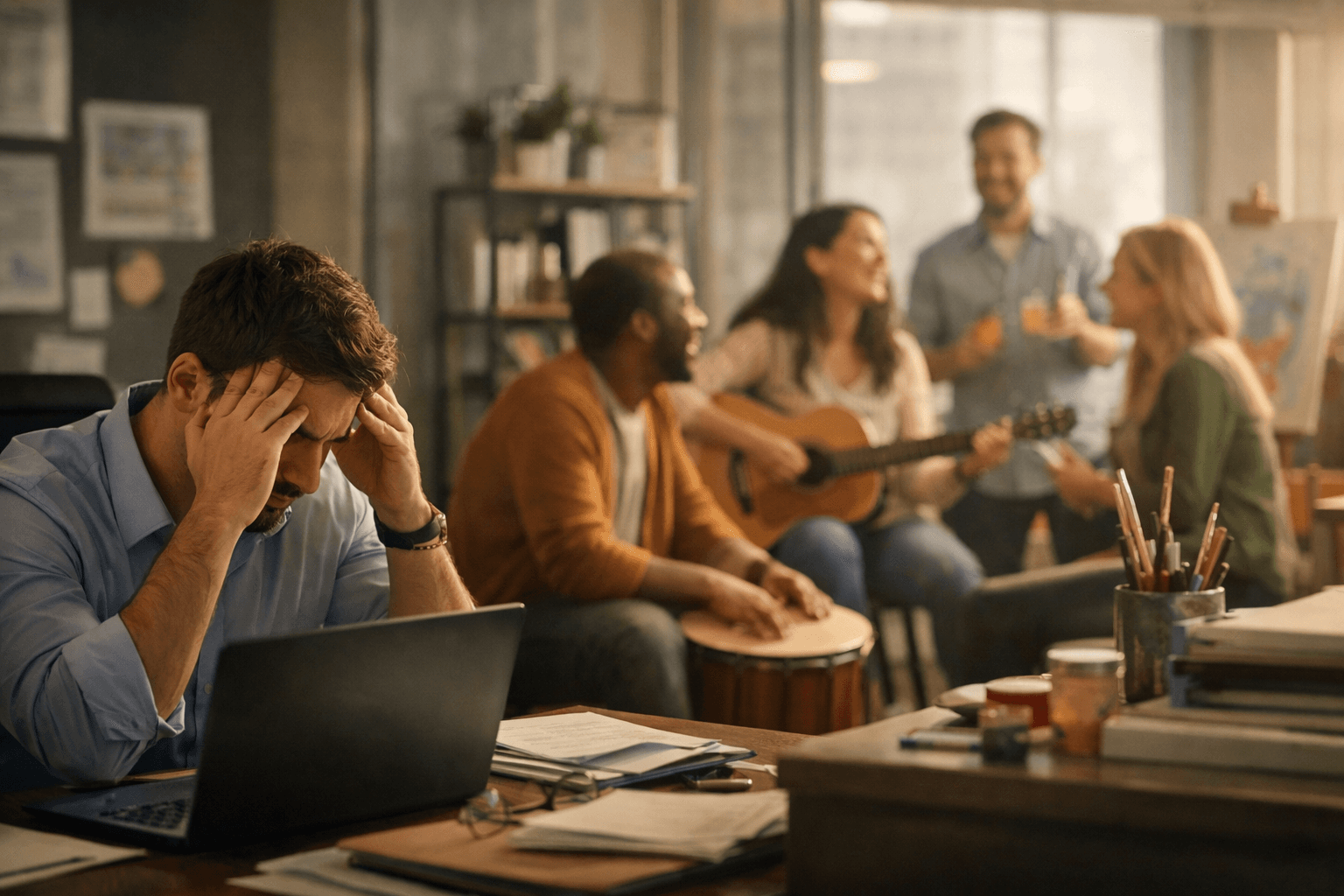 Trust doesn't get built through ping-pong tables or free snacks. It grows when employees feel genuinely seen, supported, and valued. That's exactly what strong employee wellbeing programs deliver. And right now, companies that fail to prioritise holistic wellbeing are quietly haemorrhaging their best people.
Think about it this way: when your team feels well mentally, emotionally, and creatively, they show up differently. They collaborate better. They innovate more. They stay longer. Wellbeing isn't a 'nice to have'. It's the literal foundation that everything else sits on.
The Link Between Wellbeing, Trust, and Employee Retention
Employees who feel their employer genuinely cares about them are 69% less likely to actively search for another job. That's not a small number, that's the difference between a stable, motivated team and a constant churn of exit interviews. Corporate wellness programs that address emotional and creative needs don't just improve morale. They directly impact retention metrics that CFOs actually care about.
Why Millennials and Gen Z Expect More from Employers
Here's something that often surprises HR leaders: Millennials and Gen Z don't separate work from personal growth. They want a job that helps them become a better version of themselves not just professionally, but personally. Employee wellness initiatives that offer something like learning a musical instrument, picking up Bharatanatyam, or creating art aren't frivolous extras. They're powerful signals that say, 'We invest in you as a whole person.'
The Shift from Traditional Wellness to Holistic Wellbeing
The era of the basic gym membership as a 'wellness benefit' is over. Employees have evolved. Corporate well-being strategies must evolve too. Holistic wellbeing means addressing physical health, yes, but also mental clarity, emotional resilience, social connection, and creative expression. Companies ignoring this shift are offering a Nokia 3310 in a smartphone world.
Why Employees Feel Undervalued in Today's Workplaces
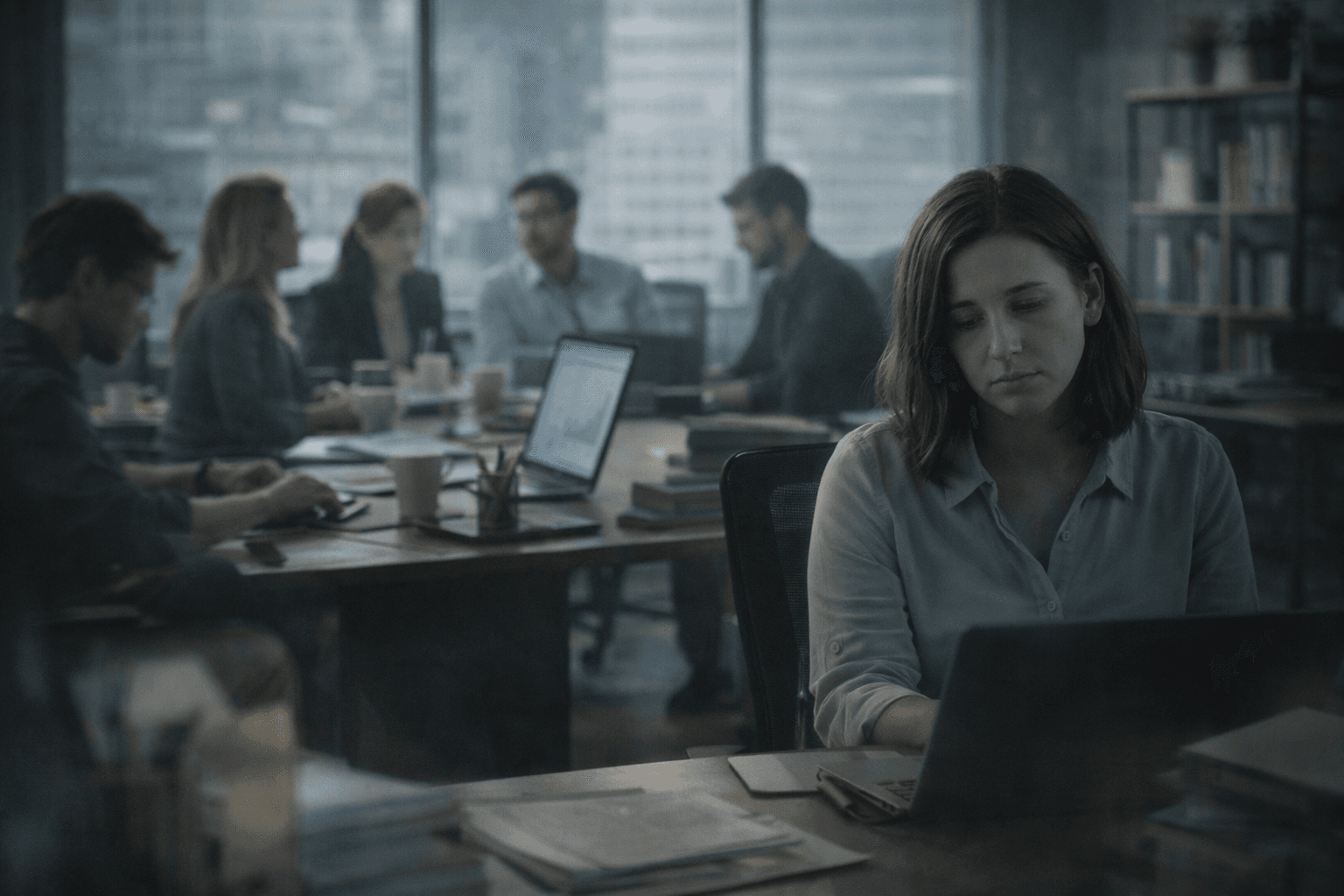 Burnout is not a buzzword anymore. It's a crisis. Across industries and geographies, employees are reporting that they feel invisible in their own companies. The problem isn't always pay or promotion, sometimes it's simpler and deeper than that. People need to feel like more than a job title.
Disengagement costs the global economy over $8.8 trillion annually, according to Gallup. Yet most companies respond to disengagement with... more meetings. More KPIs. More dashboards. What's missing is creative engagement, the kind that makes a person feel alive, capable, and connected.
Lack of Emotional and Creative Engagement
Most workplace wellness programs are designed for the body, not the soul. Step challenges, nutrition webinars, and ergonomic assessments serve a purpose. But they don't address the creative ache that millions of employees feel. Creative employee engagement activities, whether that's a live guitar session after a brutal sprint or a 30-minute dance workshop to kick off Friday, fill a void that no step counter ever could.
Burnout, Stress, and the Absence of Meaningful Breaks
Research from the American Institute of Stress reveals that 83% of US workers suffer from work-related stress. The antidote isn't a longer lunch break. It's a meaningful one. Music therapy for employees, for example, triggers the release of dopamine and reduces cortisol levels measurably. A 20-minute Hindustani vocal session mid-week can reset the brain better than three cups of coffee.
Why Traditional Wellness Programs Often Fail
Traditional programs struggle because they're passive, one-size-fits-all, and deeply impersonal. Let's break down exactly where they fall short.
Over-reliance on Gym Memberships and Passive Benefits
Gym memberships have a dirty secret: most people never use them. Studies show that up to 67% of gym memberships go completely unused. Companies spend real budget on a benefit that sits dormant. Compare that to a live 1:1 music or dance session scheduled, personal, and actively chosen by the employee. Participation rates shoot up because the activity is something the employee actually wants to do.
Lack of Human Connection and Interaction
A meditation app is convenient. But it doesn't create a relationship. It doesn't make you feel part of something. Interactive sessions with a real teacher, someone who knows your name, tracks your progress, and cheers your first chord build emotional connection. That connection extends beyond the class and into the team.
From Work-Life Balance to Work-Life Integration
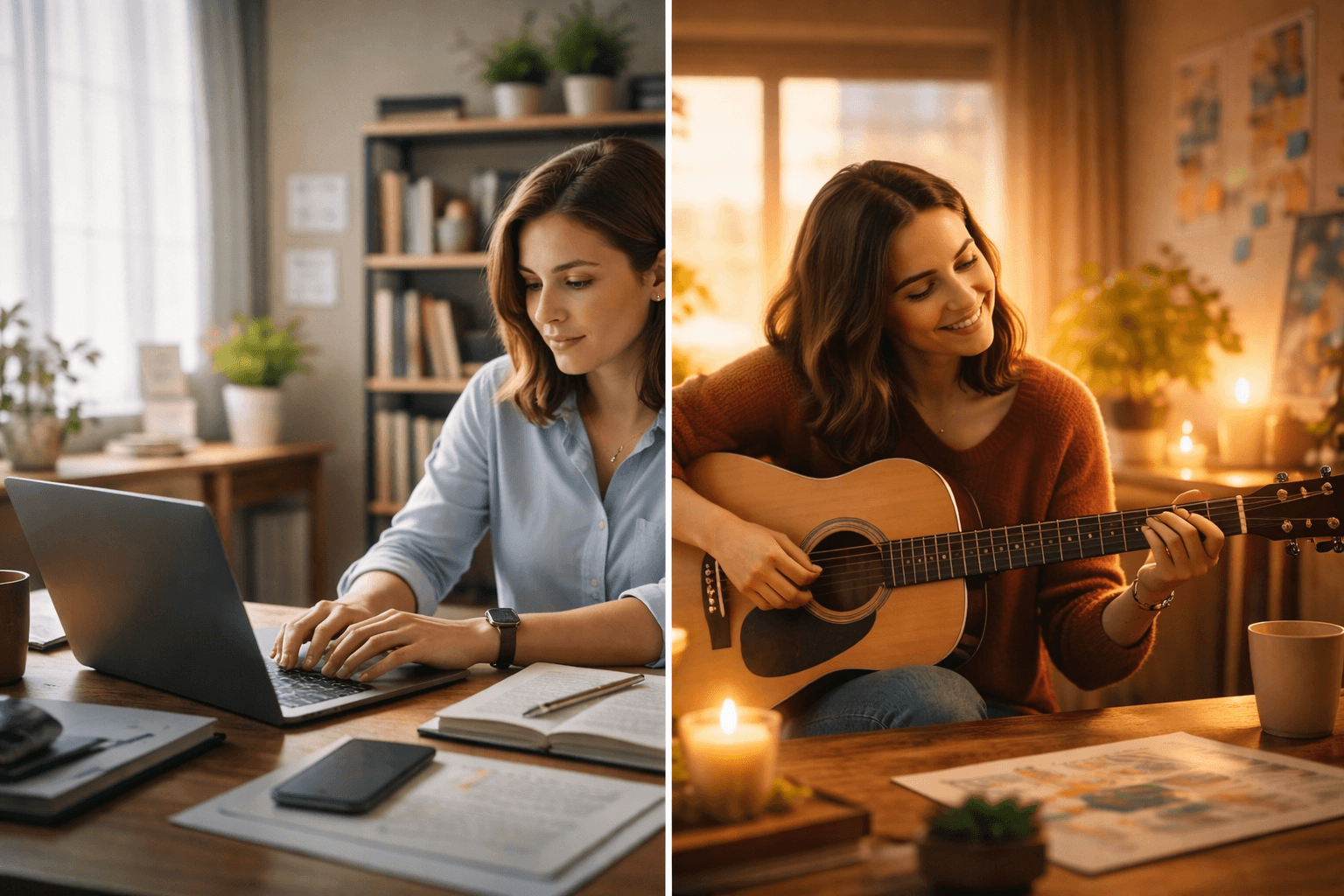 Work-life balance implies a wall between your professional and personal life. But that wall is largely fictional in 2025. Employees don't switch off the moment they close their laptop. The smarter concept is work-life integration, designing work environments where personal growth, creativity, and professional output coexist rather than compete.
Companies embracing creative workplace wellness are ahead of this curve. They're not asking employees to choose between the job and their passions. They're bringing the two together.
Why Work-Life Balance Is No Longer Enough
Work-life balance was designed for a world where you clocked in at 9 and out at 5. That world is gone. Remote work, async communication, and always-on devices have blurred every boundary. What employees need now isn't balance it's meaning within the workday itself. Corporate wellness programs built on creative expression deliver that meaning.
How Employees Seek Meaning, Creativity, and Expression
A McKinsey report found that employees who find meaning in their work are five times more likely to stay at their company. Meaning comes from mastery, connection, and purpose and creative activities deliver all three. Learning to play tabla isn't just a hobby. It's a meditative practice that trains focus, discipline, and pattern recognition skills that directly transfer to complex work.
The Role of Creative Activities in Daily Work Life
Integrating creative activities into the workday doesn't require a massive overhaul. Short, structured sessions before or after work or even during lunch create consistent creative touchpoints that employees genuinely look forward to.
Music as a Stress-Relief Tool
Music therapy works on a neurological level. Research published in the Journal of Advanced Nursing shows that listening to and actively playing music significantly lowers anxiety scores. For employees in high-pressure roles, a weekly guitar or piano session offers a genuine biological reset. It's not recreation it's recovery.
Dance as an Energy Booster
Dance workshops for companies aren't just fun. They're physiologically transformative. Movement releases endorphins. Group dance builds social bonds. And structured dance learning like Bollywood or Kathak sharpens coordination, memory, and spatial awareness. Employees come back to their desks energised, not drained.
Art as a Medium for Self-Expression
Art therapy for workplace settings is gaining serious traction in corporate psychology. Creating something, whether that's a sketch, a painting, or a digital illustration, activates the default mode network of the brain associated with self-reflection and problem-solving. Companies that offer art-based wellness report higher creative output across teams.
The Science Behind Creative Wellness and Workplace Trust
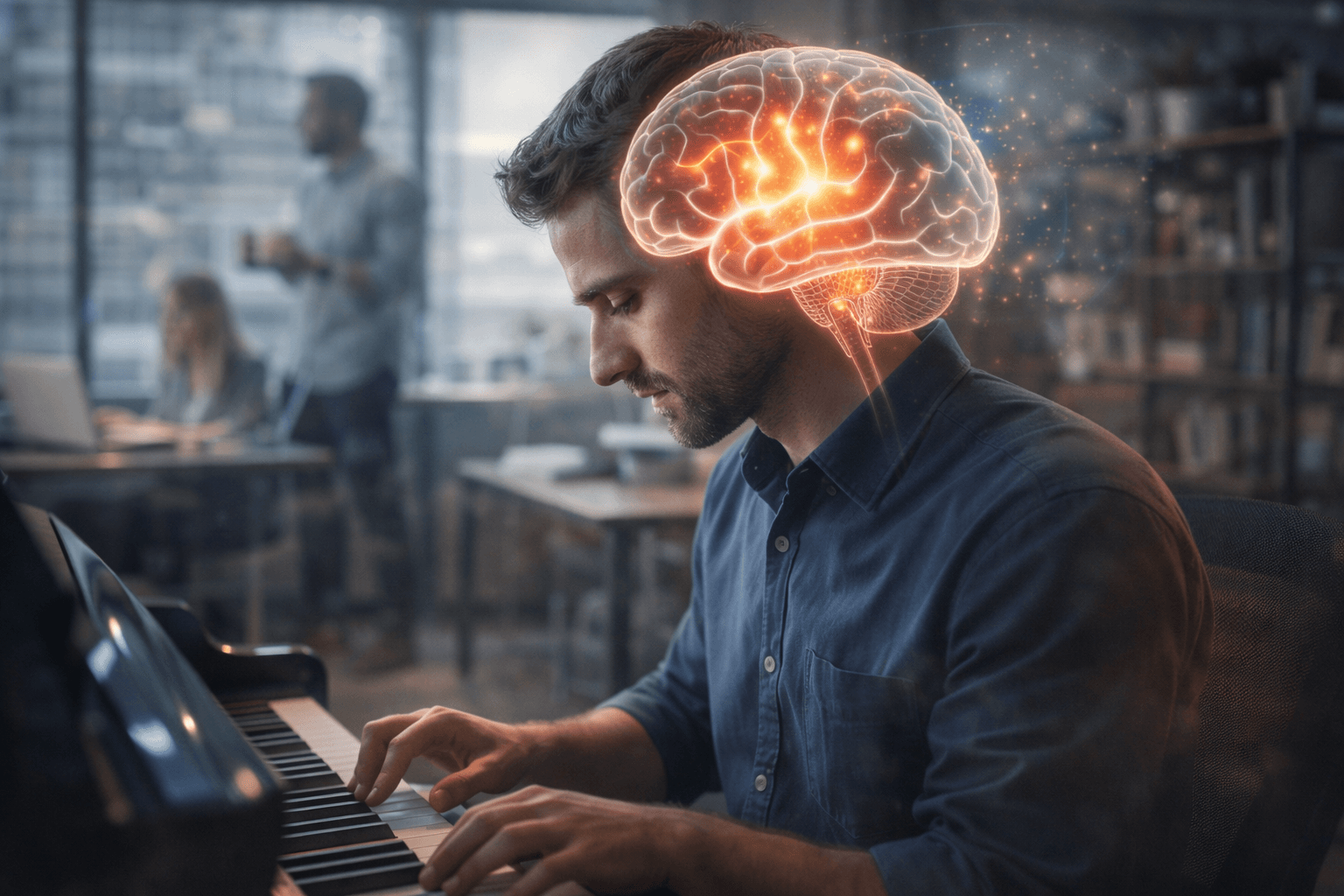 This isn't soft science. The data is solid. Creative wellness programs consistently outperform traditional wellness offerings on measurable outcomes, including stress reduction, team cohesion, employee satisfaction scores, and productivity. Here's what the research actually says.
A 2024 Deloitte study found that employees who participated in structured creative programs at work reported a 31% higher sense of belonging compared to those in conventional wellness programs. Belonging is the precursor to trust and trust is the foundation of high-performing teams.
Creative Activity Primary Benefit Measurable Outcome Music therapy Stress & cortisol reduction Up to 65% reduction in anxiety scores Dance workshops Energy & team bonding 30% improvement in team cohesion Art therapy Self-expression & focus 25% boost in creative problem-solving Group cultural sessions Inclusion & belonging 31% higher sense of workplace belonging
How Music Reduces Stress and Improves Mood
Playing or listening to music activates the limbic system the brain's emotional processing centre. It triggers dopamine release even in anticipation of a favourite melody. For employees, regular music wellness programs for employees create a structured dopamine cycle that counteracts the cortisol spikes of a stressful workweek. It's one of the most evidence-backed interventions in occupational wellness.
The Impact of Creative Activities on Mental Health
The World Health Organization recognises arts engagement as a legitimate contributor to mental health and wellbeing. Regular participation in creative activities reduces symptoms of depression and anxiety. For companies dealing with post-pandemic mental health challenges, arts-based wellness isn't an experiment it's a proven intervention.
How Creative Engagement Improves Productivity and Focus
Creative engagement strengthens neural pathways associated with sustained attention and deep focus. Musicians, in particular, show enhanced activity in the prefrontal cortex the area responsible for decision-making, planning, and impulse control. Employees who learn music at work often report improved ability to concentrate and manage complex tasks.
Why Interactive Sessions Build Stronger Emotional Connections
The key word is interactive. A recorded yoga class builds habit. A live 1:1 session with a real teacher builds a relationship. That distinction matters enormously in corporate wellness. When an employee has the same tabla teacher every Tuesday someone who remembers their progress, celebrates their breakthrough, and adjusts to their pace it creates an emotional bond that reinforces their sense of value within the company.
The Foundation of Employee Wellbeing: Trust
 Trust is both the cause and the effect of great wellbeing. Companies that invest in employee wellness earn trust. And teams built on trust deliver stronger wellness outcomes. It's a virtuous cycle and creative wellness sits right at the centre of it.
Trust in an organisation doesn't emerge from policy documents or town halls. It's built through consistent, tangible actions that show employees their experience at work matters. Investing in creative workplace wellness is one of the loudest possible signals of that commitment.
What Trust Looks Like in Modern Organizations
Trust looks like psychological safety. It looks like an environment where employees can admit failure, share ideas without fear, and bring their whole selves to work. Interestingly, creative activities accelerate psychological safety more than most formal team-building exercises. When you've laughed through a wrong note in a guitar class together, a difficult conversation in a board meeting feels less threatening.
How Wellbeing Initiatives Influence Workplace Trust
Employee wellness initiatives send a message. When a company says 'here's an hour each week to learn something you love', it communicates respect for the employee as a complete human being. That respect felt and experienced, not just stated in a values document is what builds enduring trust between people and organisations.
Why Employees Trust Companies That Invest in Their Growth
Learning and development is consistently ranked among the top three factors influencing employee loyalty. Creative wellness programs that offer accredited learning like globally recognised certificates for music or dance operate at the intersection of wellness and L&D. They grow the employee and validate their effort. That's powerful.
Beyond Band-Aid Solutions: Building Sustainable Wellbeing Programs
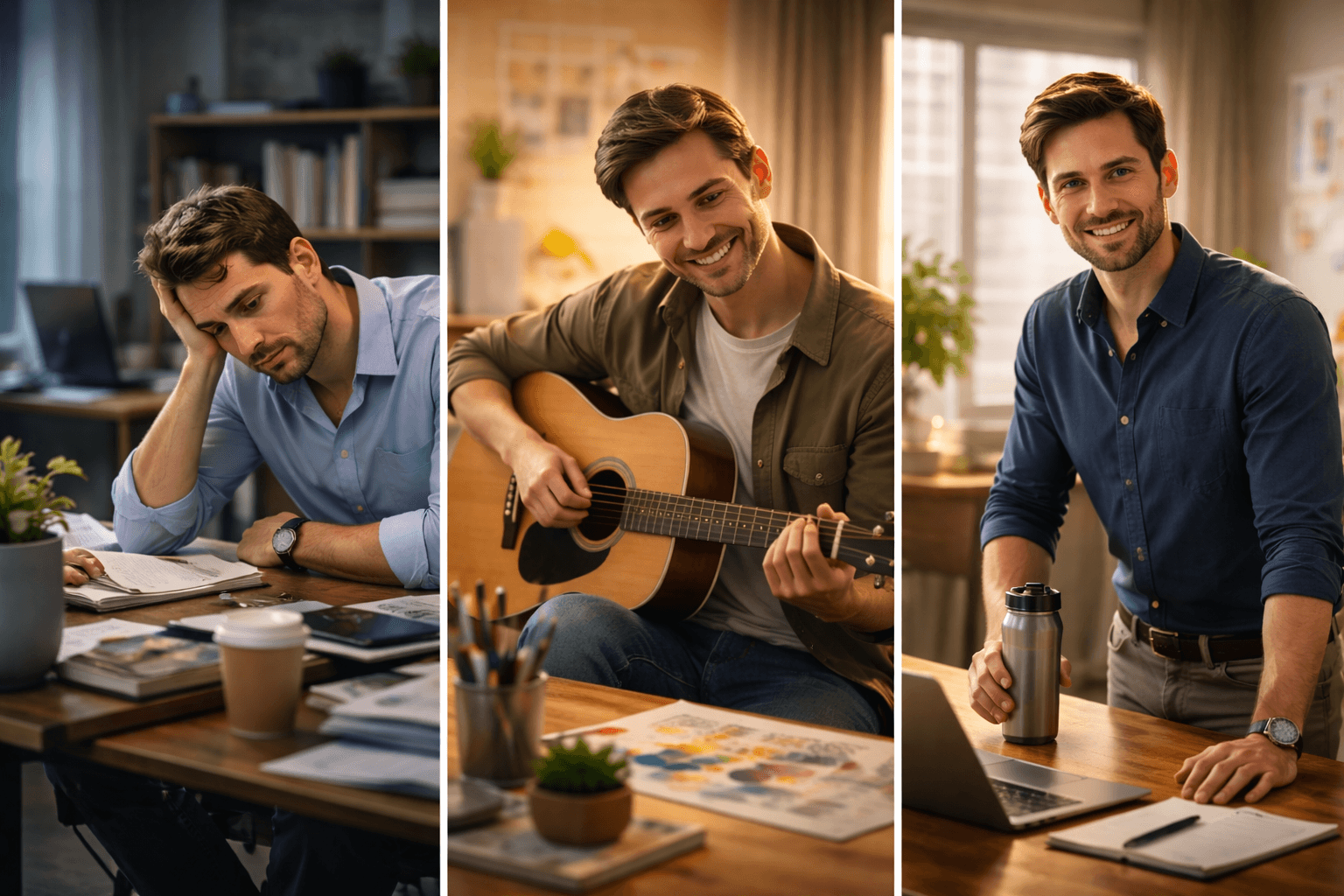 A one-time Diwali dance event is great. But it's a snack, not a meal. Sustainable wellbeing requires consistency, personalisation, and a structure that evolves with the employee. Organisations that treat wellness as a quarterly event rather than a daily commitment are leaving enormous value on the table.
The best corporate wellbeing strategies treat wellness the same way they treat professional development as an ongoing investment with clear milestones, visible progress, and long-term goals.
Why One-Time Wellness Activities Don't Work
One-time activities create a spike in engagement, not a shift in culture. The emotional high of a team cooking class fades within 72 hours. But a structured 12-week music programme with weekly sessions, tracked progress, and a culminating performance builds skills, confidence, and habits that persist. The difference between an event and a programme is the difference between a sugar rush and a nutritional diet.
The Need for Continuous Engagement
Consistent, recurring creative engagement keeps employees anchored to something meaningful at work. It gives them a reason to look forward to their week. Across our data, employees in structured creative wellness programmes report significantly higher Net Promoter Scores for their employer compared to those in passive benefit environments.
How Creative Wellness Programs Provide Long-Term Impact
The cumulative effect of regular creative engagement compounds over time much like compound interest. An employee who has spent six months learning flute hasn't just gained a musical skill. They've built discipline, improved their listening acuity, reduced chronic stress, and deepened at least one meaningful relationship with a teacher. Those outcomes ripple through every dimension of their professional performance.
A 3-Pronged Framework to Build Trust Through Creative Wellness
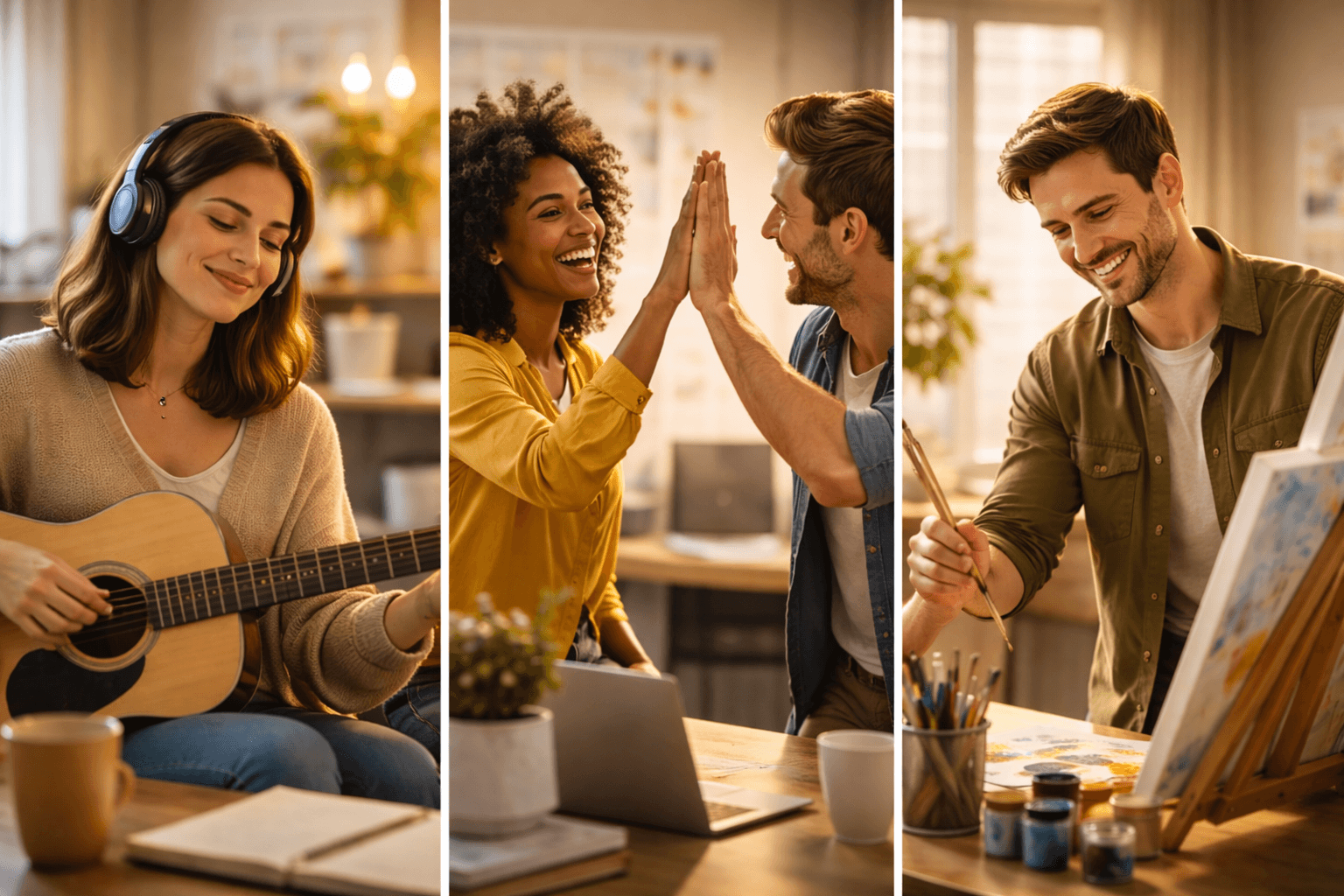 Effective creative wellness programs don't happen by accident. They're designed. Here's a framework that organisations can adapt to build trust systematically through creative engagement.
1. Emotional Wellbeing
The first prong targets the inner emotional landscape of the employee. This is where burnout begins and where recovery happens first.
Reducing stress through music and mindfulness
Regular music therapy for employees even 30 minutes per week measurably reduces perceived stress levels. Combining music with mindful listening practices creates a powerful emotional reset that no app can replicate. The act of creating music, not just consuming it, activates a state of flow that suspends rumination and anxiety.
Supporting mental health with creative outlets
Art therapy for workplace environments provides a non-verbal channel for processing stress and complex emotions. Employees who struggle to articulate burnout in words often find relief and clarity through drawing, painting, or movement. These aren't therapy sessions they're preventive care.
2. Social Connection
The second prong addresses the profound social hunger that remote and hybrid work has created. People don't just want to collaborate on tasks. They want to connect as human beings.
Team bonding through dance and group activities
Dance workshops for companies create shared vulnerability. Nobody learns Bollywood choreography perfectly on the first try. That shared imperfection is powerful it humanises colleagues, dissolves hierarchy, and builds genuine affection. Teams that play together, literally, perform better together professionally.
Building relationships through shared creative experiences
Cultural activities like group tabla sessions, collaborative painting, or ensemble music-making create memories. Shared memories are the raw material of deep relationships. And deep relationships are what turn a group of individuals into a high-performing team.
3. Creative Expression
The third prong honours the distinctly human need to make, create, and express. This is the most differentiated element of creative workplace wellness and the one competitors are least likely to replicate.
Encouraging innovation through art and music
Creative thinking is a transferable skill. Employees trained in musical improvisation demonstrate measurably higher scores on divergent thinking tests. Art-trained employees approach problem-solving with greater visual and lateral flexibility. Building creative expression into the workday isn't arts patronage it's cognitive investment.
Helping employees explore personal interests
Giving employees time to explore what they love whether that's Carnatic vocal, Western piano, or abstract painting signals profound respect for their individuality. It turns the workplace into a place of personal discovery, not just professional obligation. That shift is transformative for engagement and loyalty.
How Creative Wellness Programs Build a Culture of Trust
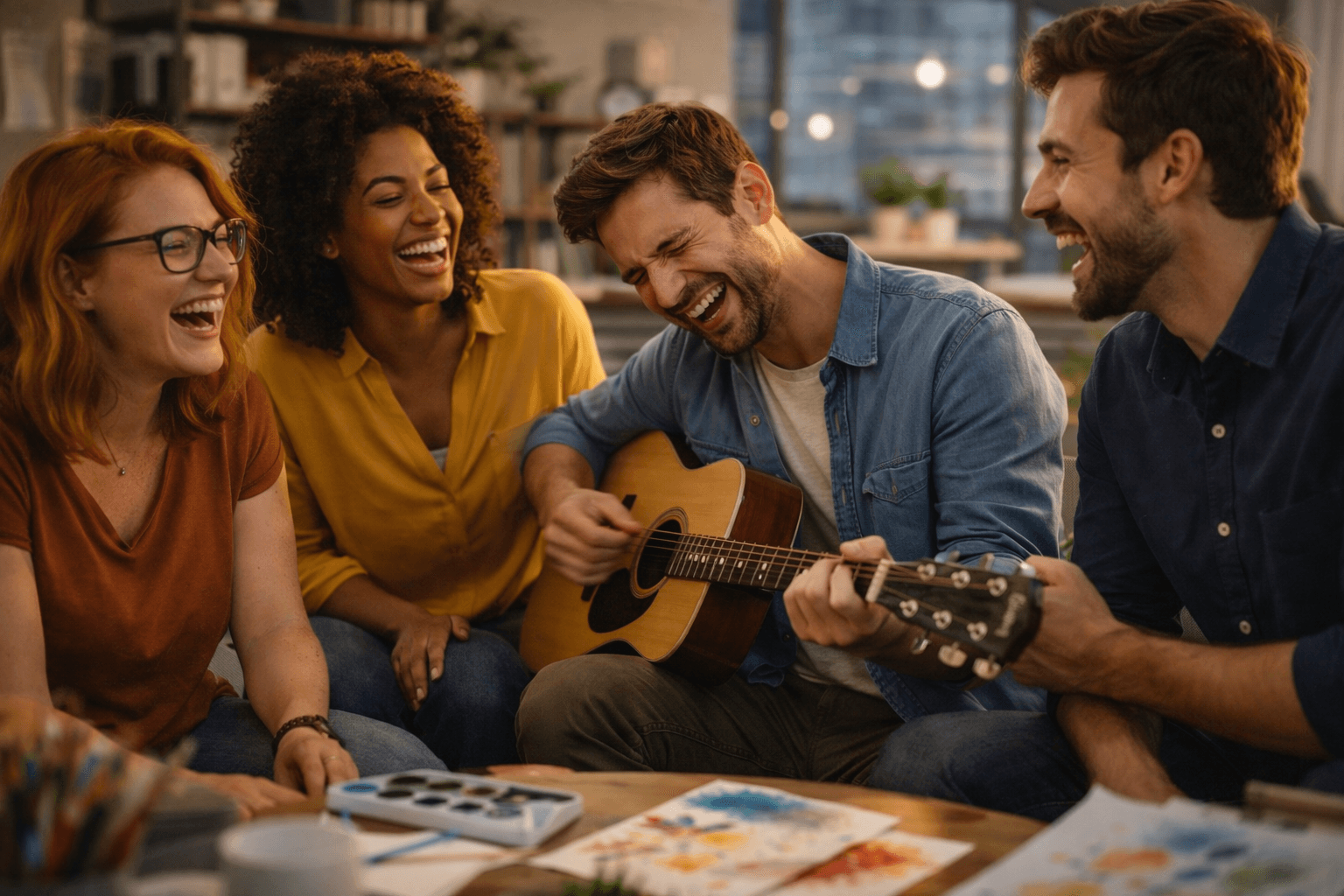 Culture isn't declared it's experienced. Every time a company funds a live guitar lesson or hosts a Kathak session for its team, it enacts its values rather than just stating them. Over time, these enacted values crystallise into a culture that employees are proud to belong to and reluctant to leave.
Companies with strong creative cultures consistently outperform their peers on innovation, retention, and customer satisfaction. That's not coincidence it's the downstream effect of trust.
Encouraging Open Expression and Communication
Creative activities create safe spaces for expression. Employees who express themselves freely in a dance workshop are more likely to voice opinions in a strategy meeting. The psychological muscles are the same. Creative wellness builds expressive confidence that transfers across every professional context.
Creating Safe and Inclusive Work Environments
Inclusive wellbeing programs respect and celebrate cultural diversity. Indian classical arts, global music traditions, and multicultural dance forms aren't niche offerings they're powerful tools for inclusion. When an Indian-American employee sees Bharatanatyam offered as a corporate benefit, they feel seen in a way that no diversity policy statement can achieve.
Strengthening Team Collaboration
Ensemble music-making is perhaps the most perfect metaphor for teamwork. Every player listens, adapts, and contributes in real time. No single voice dominates. Mistakes are met with adjustment, not punishment. Teams that experience this dynamic in a musical context unconsciously bring the same behaviours to project work.
Enhancing Employee Happiness and Engagement
Happy employees are 12% more productive, according to a landmark study by Oxford's Saïd Business School. Creative engagement is one of the most reliable drivers of workplace happiness. It's not about eliminating hard work it's about giving people something to love about the place where they work hard.
The Role of Culture and Creativity in Global Teams
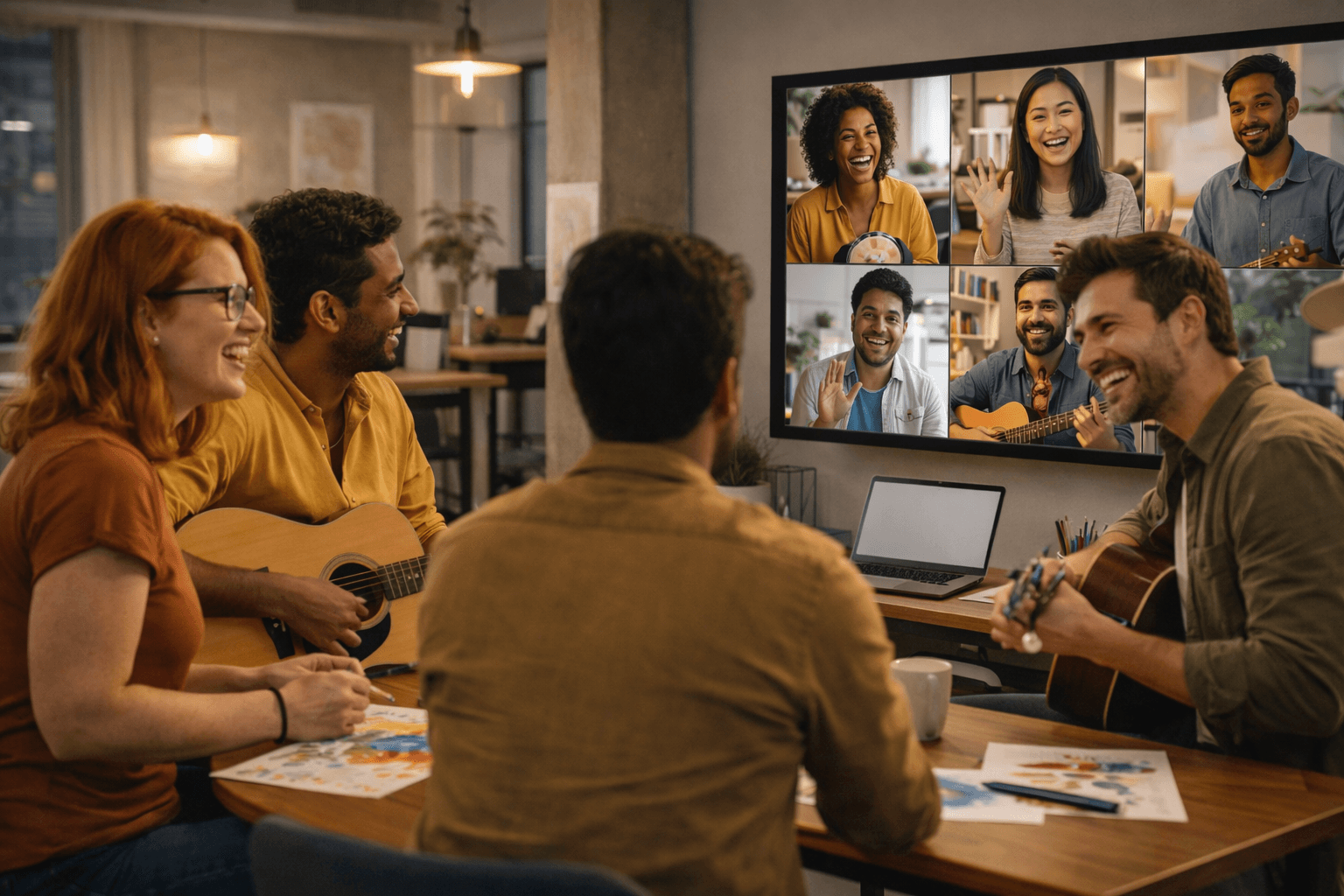 For companies with global or multicultural teams, creative wellness has an additional superpower: it bridges cultures. Music, dance, and art are universal languages that transcend the miscommunications and misunderstandings that often fracture diverse teams.
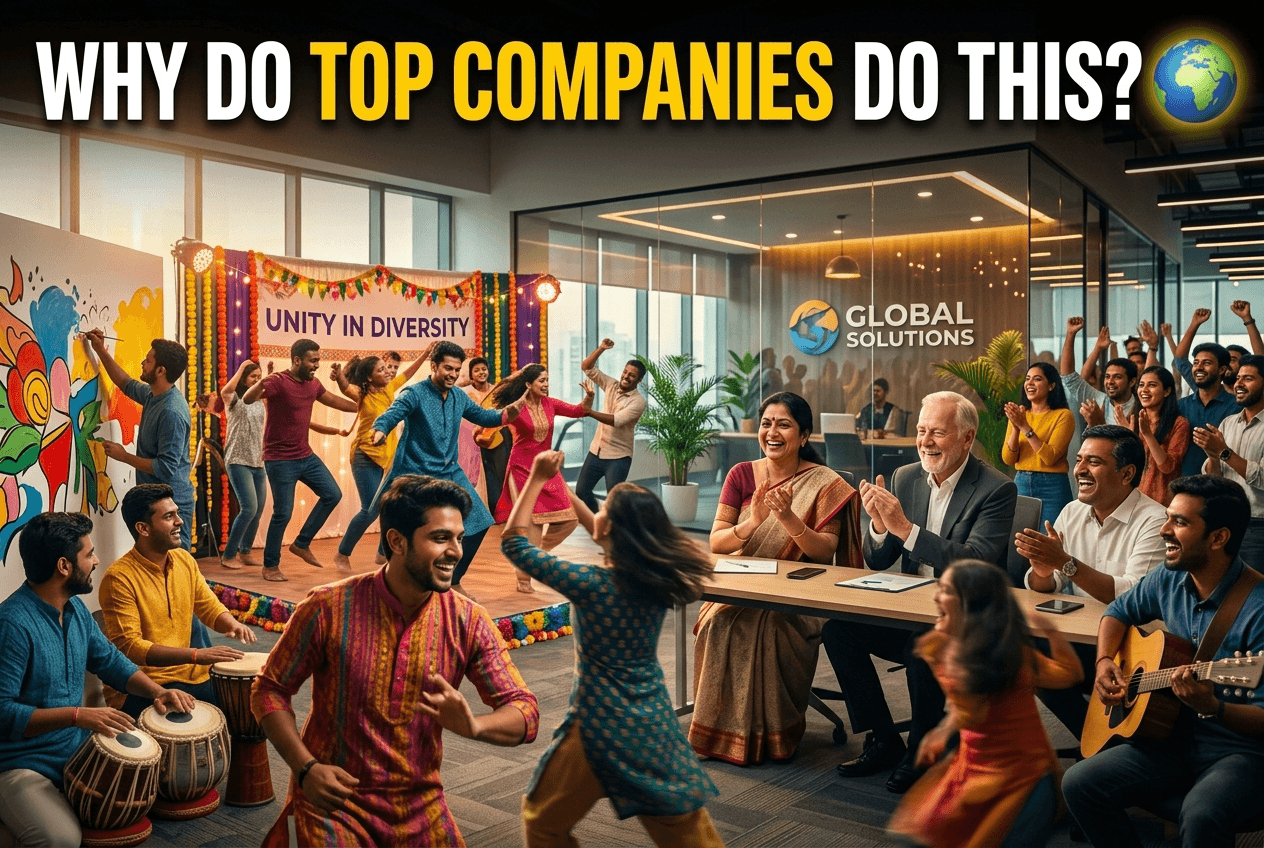
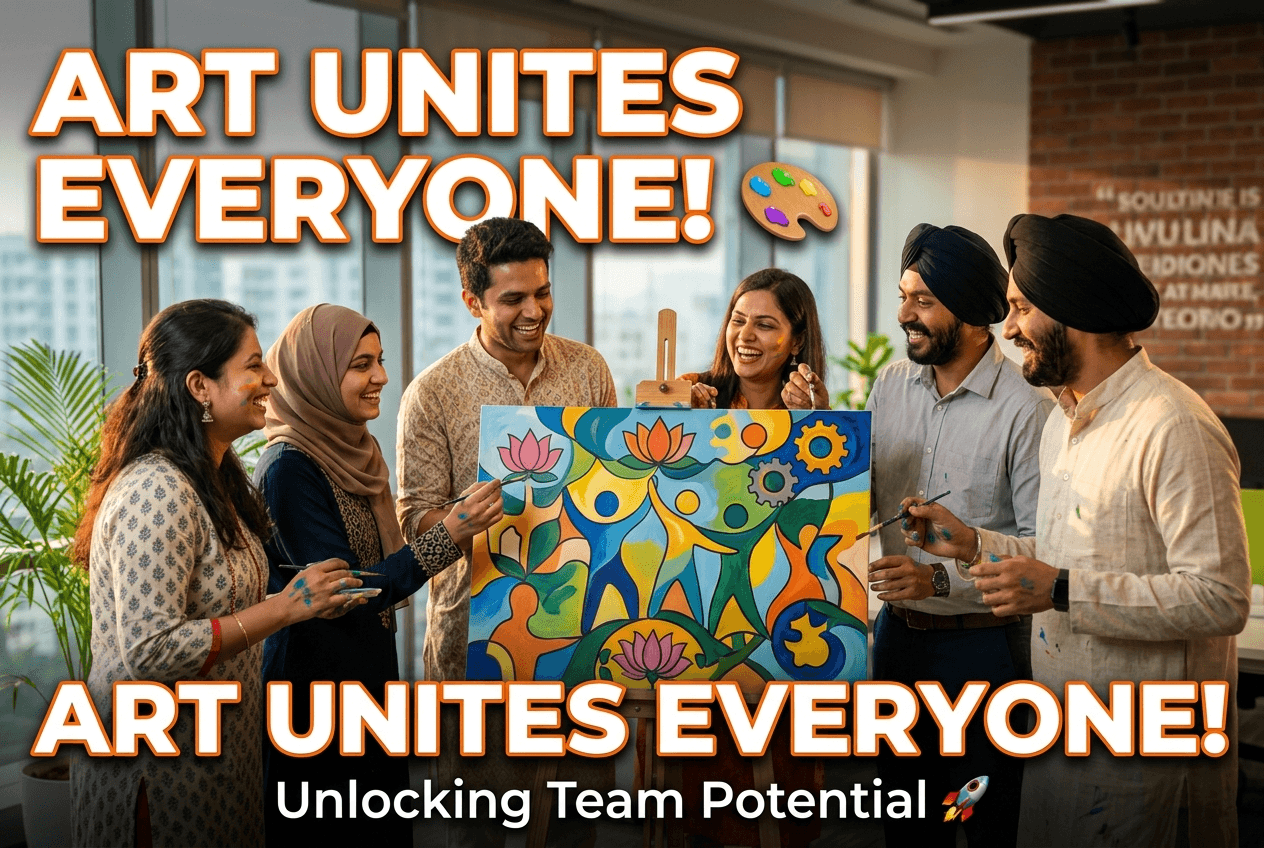
A Bollywood dance session draws in Indian, American, and European colleagues equally. A drumming circle levels the hierarchy. A collaborative mural brings together introverts and extroverts who might never connect over a shared Excel sheet. That's the quiet, powerful magic of arts-based wellness.
How Cultural Activities Build Stronger Workplace Bonds
Cultural activities create shared reference points. When your London-based and Bengaluru-based teams have both experienced a virtual Hindustani vocal session together, they have something real in common. Something warm. Those shared experiences accelerate trust across geographies faster than any virtual team-building slide deck.
Music and Art as Universal Languages
Language barriers create friction in global teams. But music and art operate beneath language. A melody communicates joy, melancholy, or triumph without translation. Art expresses complexity that words can't contain. Organisations that use creative activities to connect their global workforce are discovering that the emotional bonds formed there are remarkably durable.
Why Global Companies Are Investing in Cultural Wellness
Google, Salesforce, and Spotify have all publicly invested in arts and music programmes for their employees. They're not doing this for publicity. They're doing it because the data on creative engagement, psychological safety, and innovation output is too compelling to ignore. The trend is accelerating and early adopters are gaining a talent attraction advantage that compounds year over year.
The Virtuous Cycle: Wellbeing, Creativity, and Trust Driving Business Success
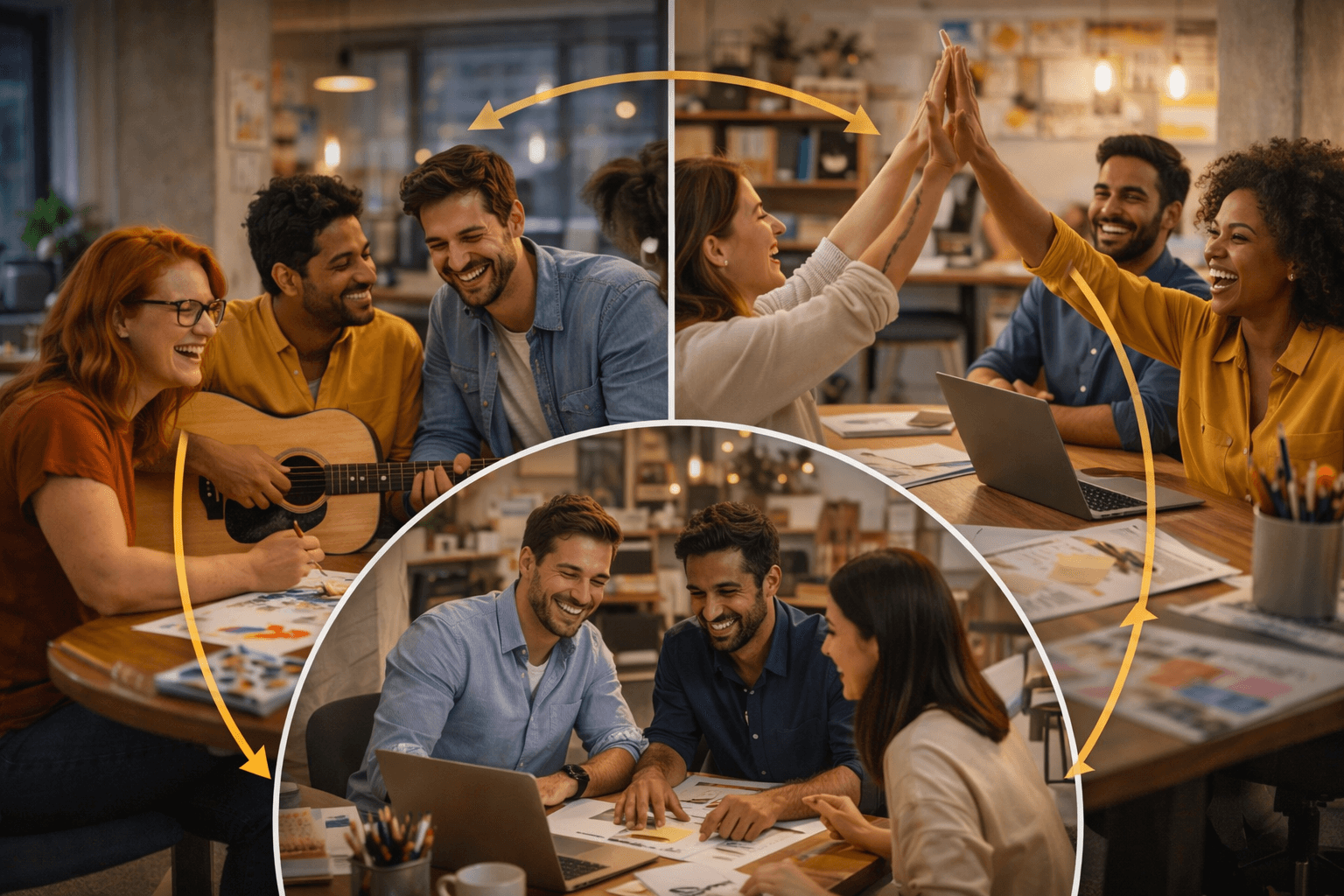 The ROI of creative wellness isn't soft or hard to measure it's just distributed across multiple metrics that organisations sometimes silo. When you add up reduced attrition cost, improved productivity, higher engagement scores, and stronger employer brand, the business case for creative wellness programs becomes overwhelming.
The virtuous cycle works like this: wellbeing increases creativity, creativity deepens trust, trust improves collaboration, collaboration drives performance, and performance funds more investment in wellbeing. Once you start the cycle, it self-reinforces.
How Engaged Employees Perform Better
Gallup's 2024 State of the Global Workplace report found that highly engaged business units achieve 23% higher profitability. Engagement doesn't come from unlimited PTO policies it comes from environments where employees feel valued, connected, and inspired. Creative engagement is one of the most efficient pathways to that state.
The Link Between Happiness and Productivity
The Oxford study mentioned earlier is worth revisiting in this context: happy employees aren't just slightly more productive. They're significantly better at problem-solving, communication, and creative tasks. For knowledge workers the majority of the modern workforce these are precisely the skills that drive organisational value.
Why Companies with Strong Culture Attract Top Talent
Employer branding is increasingly driven by authentic employee stories on platforms like LinkedIn and Glassdoor. When employees post about their company's Kathak dance programme or their Friday guitar session, they're not just sharing a nice moment. They're building your employer brand with more authenticity and reach than any recruitment ad could purchase.
How Companies Can Implement Creative Wellness Programs
 Implementation doesn't need to be complicated. The best creative workplace wellness programs start small, demonstrate value quickly, and scale based on employee feedback. Here's a practical roadmap.
Phase Action Timeline Expected Outcome 1 - Pilot Free 2-week trial: 10 employees, 2 sessions each Week 1–2 Baseline engagement data 2 - Measure Collect NPS, stress scores, attendance rates Week 3 ROI evidence for leadership 3 - Scale Roll out to all employees with chosen art forms Month 2 Full programme adoption 4 - Sustain Monthly showcases, certificates, progress reports Ongoing Retention & culture impact
Introducing Music, Dance, and Art Sessions at Work
Start with a free pilot. Offer employees three choices a music instrument session, a dance workshop, or an art session. Let them pick. Autonomy is essential. When employees choose their own creative outlet, participation and satisfaction rates are dramatically higher than when programmes are assigned.
Designing Employee-Centric Wellness Programs
The worst corporate wellbeing strategies are designed by committees with no employee input. The best ones start by asking employees what they actually want. Run a quick survey. You'll likely find that a significant portion of your workforce has always wanted to learn guitar, or that your India team is deeply interested in classical dance. Design around what already excites people.
Measuring the Impact of Wellness Initiatives
Track the right metrics: session attendance rates, employee NPS scores pre and post programme, self-reported stress levels, and 90-day voluntary attrition rates. Layer in qualitative data employee testimonials, manager observations, and pulse survey insights. The combination of quantitative and qualitative evidence gives HR leaders a compelling business case for continued investment.
Why Creative Workplaces Are the Future of Corporate Wellness
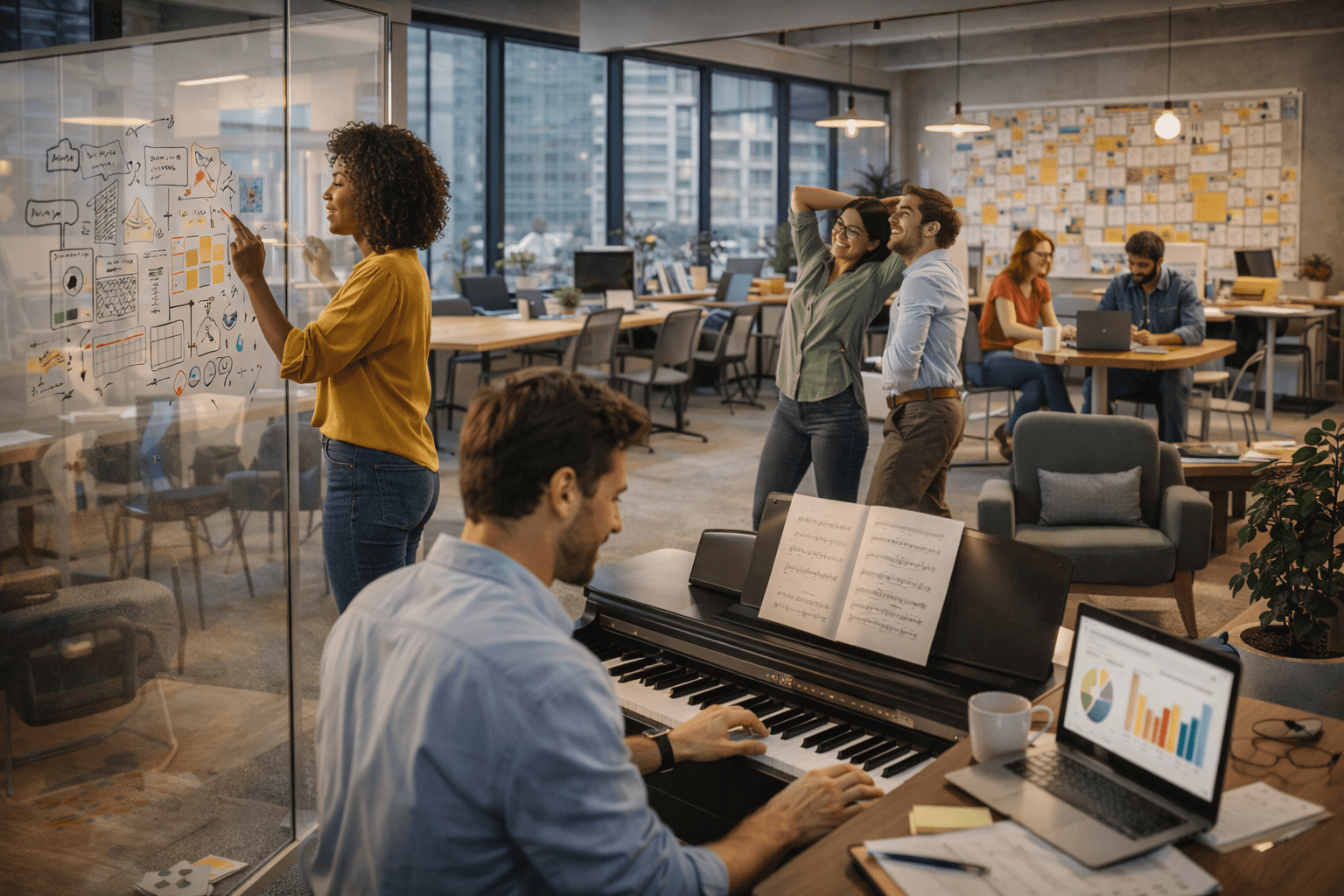 The companies winning the talent war in 2025 aren't necessarily paying the most. They're offering the most meaningful employee experience. Creative workplaces where people are encouraged to learn, express, and grow artistically represent the next frontier of competitive differentiation in the talent market.
This is not a trend. It's a structural shift. Employee wellness initiatives are evolving from physical to holistic, from passive to interactive, and from generic to deeply personal. Creative wellness is the most compelling expression of that evolution.
The Shift from Fitness to Holistic Wellbeing
Physical wellness was the first wave. Mental health was the second. Creative and cultural wellbeing is the third and it's the one that synthesises all the others. A person who dances, paints, or plays music is simultaneously exercising, managing stress, expressing themselves, and connecting with community. No gym membership does all of that at once.
Why Creativity Is Becoming a Core Workplace Need
The World Economic Forum's Future of Jobs report identifies creativity and emotional intelligence as two of the top five skills needed in the workforce through 2030. Companies that develop these skills through structured creative wellness programmes aren't just improving wellbeing they're future-proofing their human capital.
How Companies Can Stay Competitive
The competitive landscape for talent is ruthless and global. The companies that retain the best people are the ones that offer something money alone can't replicate a sense of belonging, purpose, and personal growth. Creative wellness programs deliver all three. Companies that integrate them now will enjoy a compounding advantage in retention, engagement, and employer brand over the next decade.
Build a Culture of Trust with Creative Wellness
 Imagine your employees finishing a Tuesday knowing they just learned three chords on guitar, or nailed a Bollywood dance sequence, or created a watercolour that's now on their home wall. That's not a fantasy it's what forward-thinking companies are already building for their teams.
Art Gharana Corporate, available at corporate.artgharana.com, offers fully customisable creative wellness programs for companies across the US, India, UK, Australia, and Canada. Every programme is built on live 1:1 interactive sessions with expert teachers, globally accredited certifications, flexible scheduling, and 24/7 support. Employees get to try before they commit and companies get measurable engagement outcomes without the risk of a long-term contract.
How Live Music, Dance, and Art Sessions Transform Workplaces
Unlike recorded content or passive benefits, live 1:1 creative sessions build genuine human relationships between employees and expert instructors. A student who's been learning tabla with the same teacher for four months has gained a skill, a mentor, and a weekly anchor of joy. That kind of experience can't be replicated by an app or a group fitness class and it creates a loyalty to the company that provided it that no counter-offer can easily break.
- • Live 1:1 sessions in music, dance, and art personalised to each employee
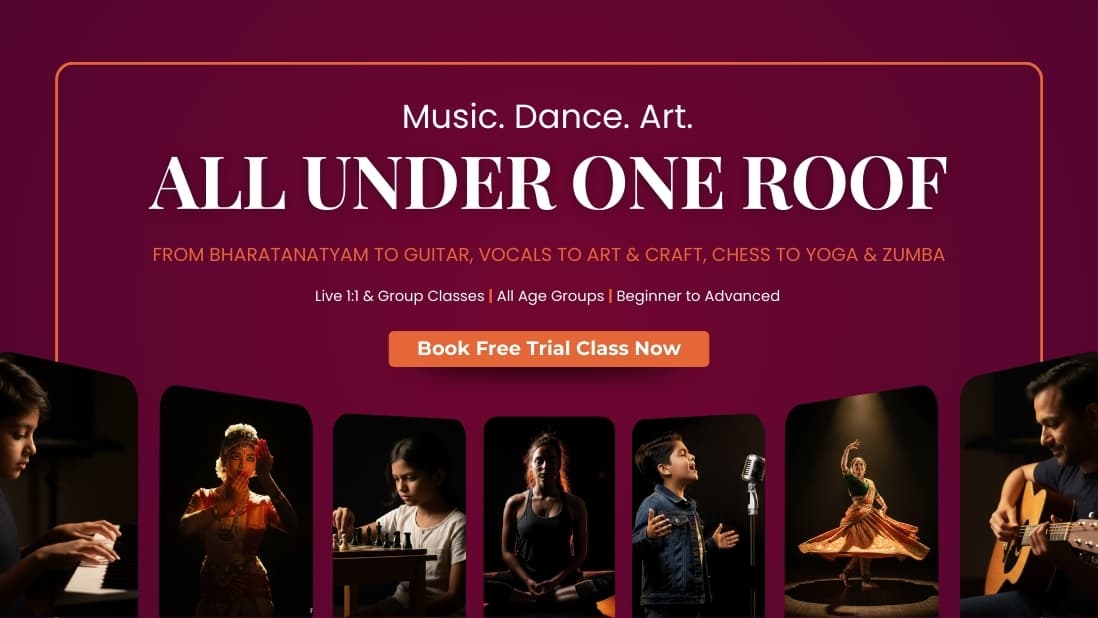
- • Instruments available: Guitar, Piano, Tabla, Violin, Flute, Ukulele, Drums, and more
- • Dance forms: Bollywood, Kathak, Bharatanatyam, Western, and more
- • Vocal training: Hindustani, Carnatic, and Western vocals
- • Globally accredited certifications employees can share on LinkedIn
- • Free trial session try before your company pays
- • 24/7 dedicated support for HR teams and employees
Try a Free Creative Wellness Session for Your Team
Ready to see the difference a live creative session makes? Book a free demo for your team at corporate.artgharana.com and experience firsthand how music, dance, and art can transform your workplace culture, build genuine trust, and give your employees something they'll genuinely love about coming to work.
The future of corporate wellness isn't a step challenge. It's a stage and your employees deserve to perform on it.