ChatGPT
 Google AI
 Grok
Grok Claude
Have you ever found yourself singing along to your favorite song and wondering, “How can I get better at singing?” You're not alone. Whether you dream of performing on stage, recording your own music, or simply impressing friends at karaoke night, improving your singing voice is a journey—and the good news is, it’s one you can start today.If you’re serious about improving your vocals with expert guidance, you can book a free singing trial class and experience one-on-one feedback from professional vocal coaches
Singing isn’t just a talent you’re born with—it’s a skill that can be developed with the right techniques, consistent practice, and a little guidance. From learning how to improve your vocals for singing to understanding how to sing properly, every step you take brings you closer to becoming the singer you aspire to be.
But where should you begin?
In this blog, we’ll explore the top 10 ways to become a better singer—practical, proven methods that work for beginners and seasoned vocalists alike. Whether your goal is to expand your range, strengthen your voice, or simply gain more confidence, you’ll find valuable tips tailored to help you grow.
Ready to unlock your full vocal potential? Let’s dive in and discover how to improve your singing voice, one powerful step at a time.
1. Warm-Up Right: The First Step to Great Singing
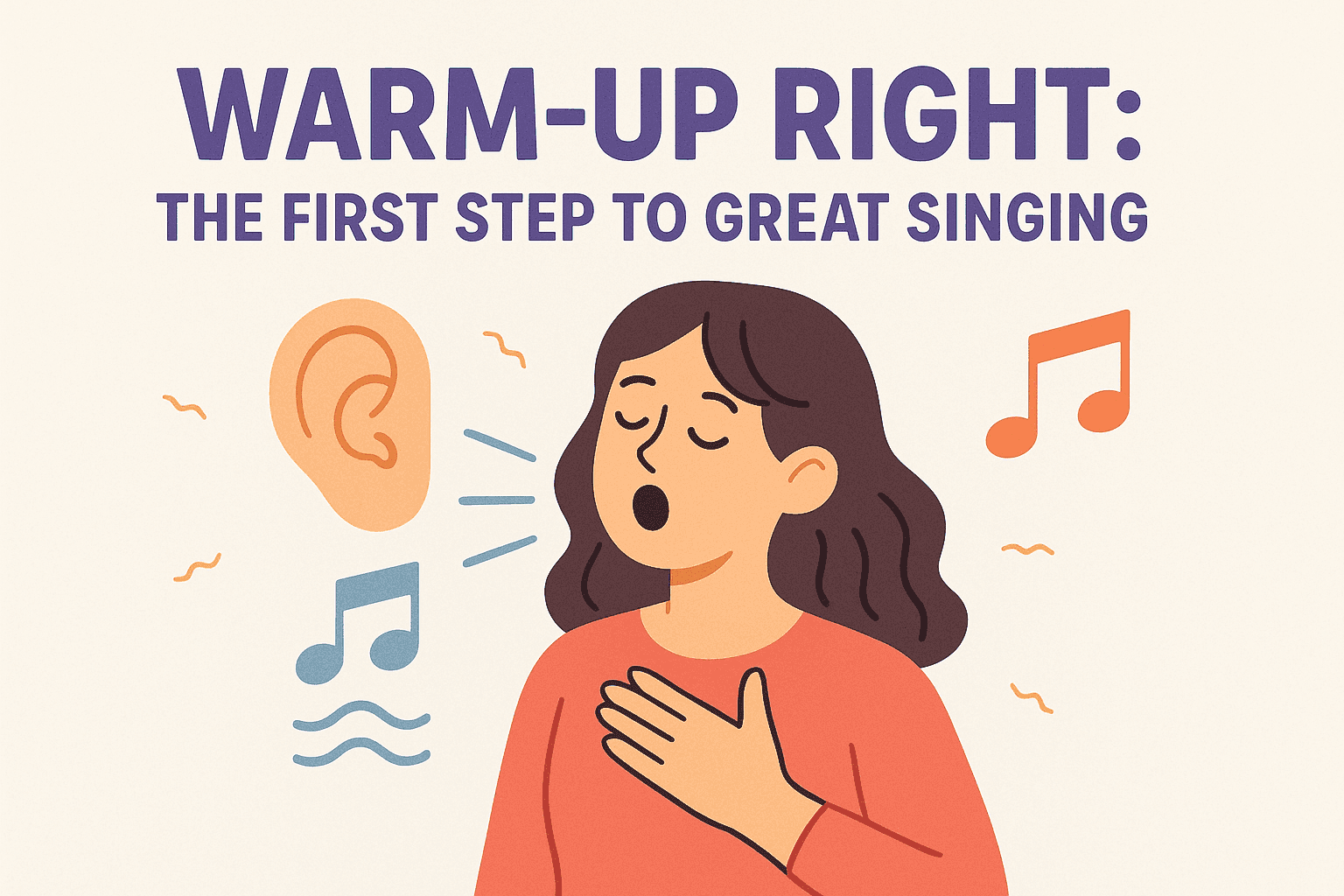
If you want to get better at singing, the first golden rule is this: never skip your warm-up. Incorporating proper vocal warm-up exercises before every practice session protects your voice and improves vocal flexibility Just like athletes stretch before a game, singers must prepare their vocal cords before performing.
Warming up enhances vocal flexibility, prevents strain, and helps you sing with confidence. Want to know how to improve vocals for singing? Start with a simple warm-up routine every day.
Try These Easy Vocal Warm-Ups:
- Lip trills (gentle buzzing sound while exhaling)
- Humming to awaken vocal resonance
- Sirens to stretch your full range
- Scales to refine pitch accuracy
By consistently warming up, you're laying the foundation to improve your singing voice in the long run. Whether you're a beginner or already performing, warm-ups are essential.
2. Master Your Breathing Techniques

Ever wondered why some singers hit every note effortlessly while others struggle to stay in tune? The secret often lies in how to sing properly — and that starts with breathing.
Controlled breathing gives your voice stability, power, and emotional depth. It’s a skill every vocalist must master to become a good singer.
Breathing Tips for Singers:
- Breathe from your diaphragm, not your chest
- Practice slow, deep inhalations through the nose
- Use a “sipping air through a straw” method to build lung capacity
- Try the 4-7-8 breathing technique to calm nerves and control exhalation
According to vocal health experts, proper diaphragmatic breathing reduces vocal strain and improves tone quality, which is why many professional singers and vocal coaches emphasize breath control as the foundation of good singing technique.
If you’re serious about learning how to become a better singer, don’t overlook the importance of breath control—it's one of the most underrated yet powerful tools in your vocal toolbox.
3. Practice Makes Perfect: Build a Consistent Routine
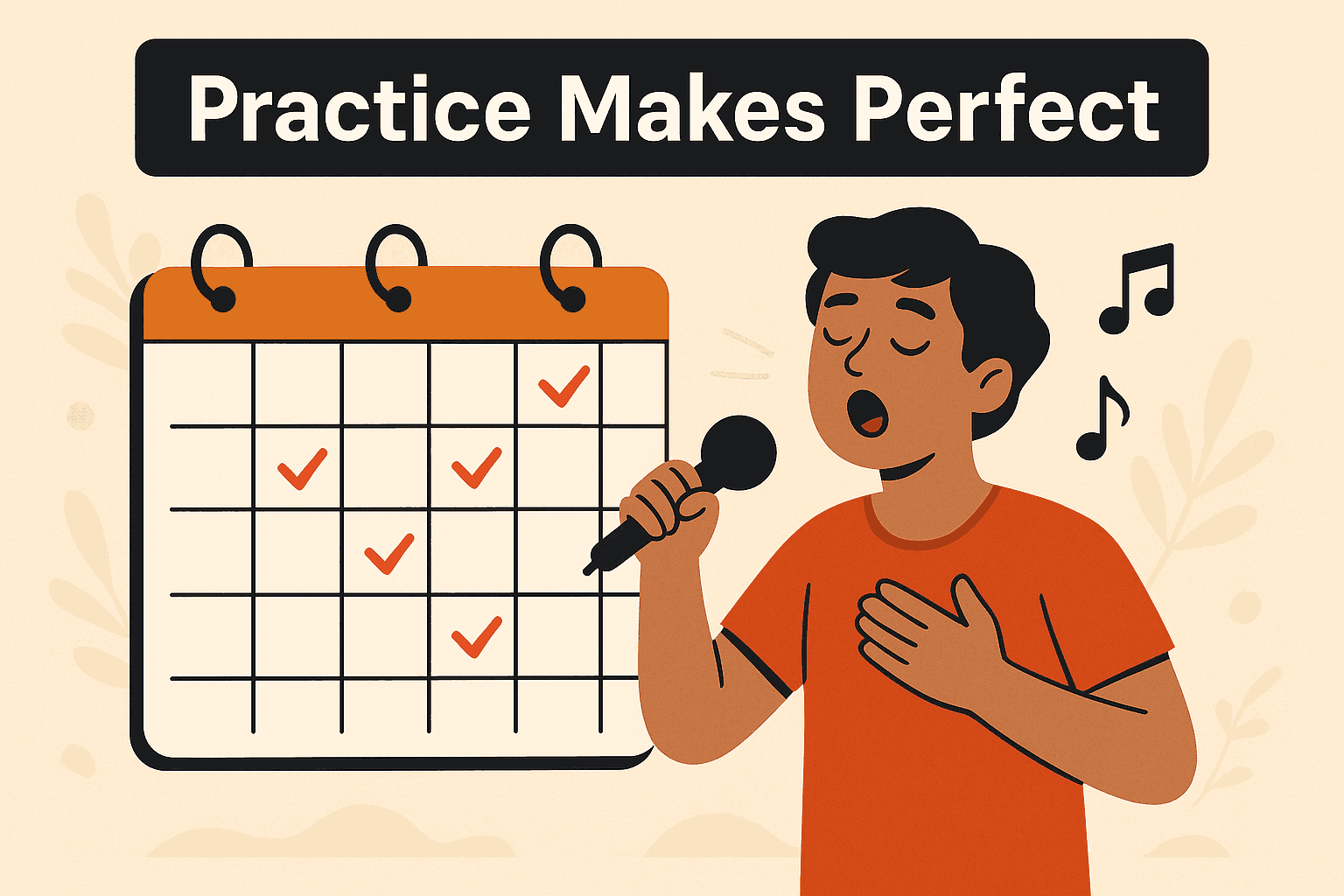
Improvement doesn’t come overnight. Want to know how to get good at singing? Practice is non-negotiable.
The key isn't just to practice often, but to do it intentionally. Structured, mindful practice sessions are what separate great vocalists from casual singers.
Create a Practice Routine That Works:
- Set a fixed time daily for vocal exercises
- Divide sessions into warm-up, technique, and song practice
- Use a mirror to observe posture and jaw movement
- Keep a vocal journal to track progress
Consistent practice is your answer to how to improve your singing steadily over time.
Book expert guidance tailored to your voice through a free Singing Trial Class.
4. Develop Your Vocal Range and Flexibility
Do you feel stuck singing within a narrow vocal range? Learning to understand your voice range helps you choose songs that suit your voice and prevents unnecessary strain while singing. It’s time to explore how to become a better vocalist by expanding your range.
Range-building improves confidence, gives you song versatility, and enhances your stage presence.
Tips to Increase Your Range Safely:
- Start with basic scales and slowly move toward high or low notes
- Don’t force it — pushing too hard may strain your voice
- Incorporate lip trills and “ng” sounds to relax the throat
- Rest your voice if you feel tension or pain
A flexible voice lets you experiment with various styles — from classical to contemporary. It’s one of the top answers to how to make your singing voice better.
5. Train Your Ear: Improve Pitch and Tuning

Pitch issues can make even the most passionate performance fall flat. If you're asking, how do I sing well, the answer may lie in training your ears, not just your vocal cords.
Ear training helps with singing on key, recognizing intervals, and blending harmonies.Practicing with musical instruments that support singing, such as a keyboard or guitar, can significantly improve pitch accuracy and tuning.
Ways to Improve Your Ear:
- Use piano or apps to match pitches
- Practice singing scales with a tuner
- Try call-and-response exercises with backing tracks
- Record and playback your singing regularly
Improving your pitch will naturally help you become a great singer with better control and consistency.
6. Perfect Your Diction and Articulation

A good voice is just the start—clarity is what makes your singing truly shine. Do you want to know how to sing good and make your lyrics impactful? Diction is key.
Poor articulation can muddle even the most beautiful melodies. Clear pronunciation enhances expression and connects your message with your listeners.
Articulation Hacks:
- Practice tongue twisters to improve clarity
- Use the mirror method to check lip and mouth movement
- Emphasize consonants without overdoing them
- Record and compare different takes of a lyric line
Every word you sing is part of your story. Learn how to express it clearly and confidently.
7. Understand Vocal Health and Hygiene
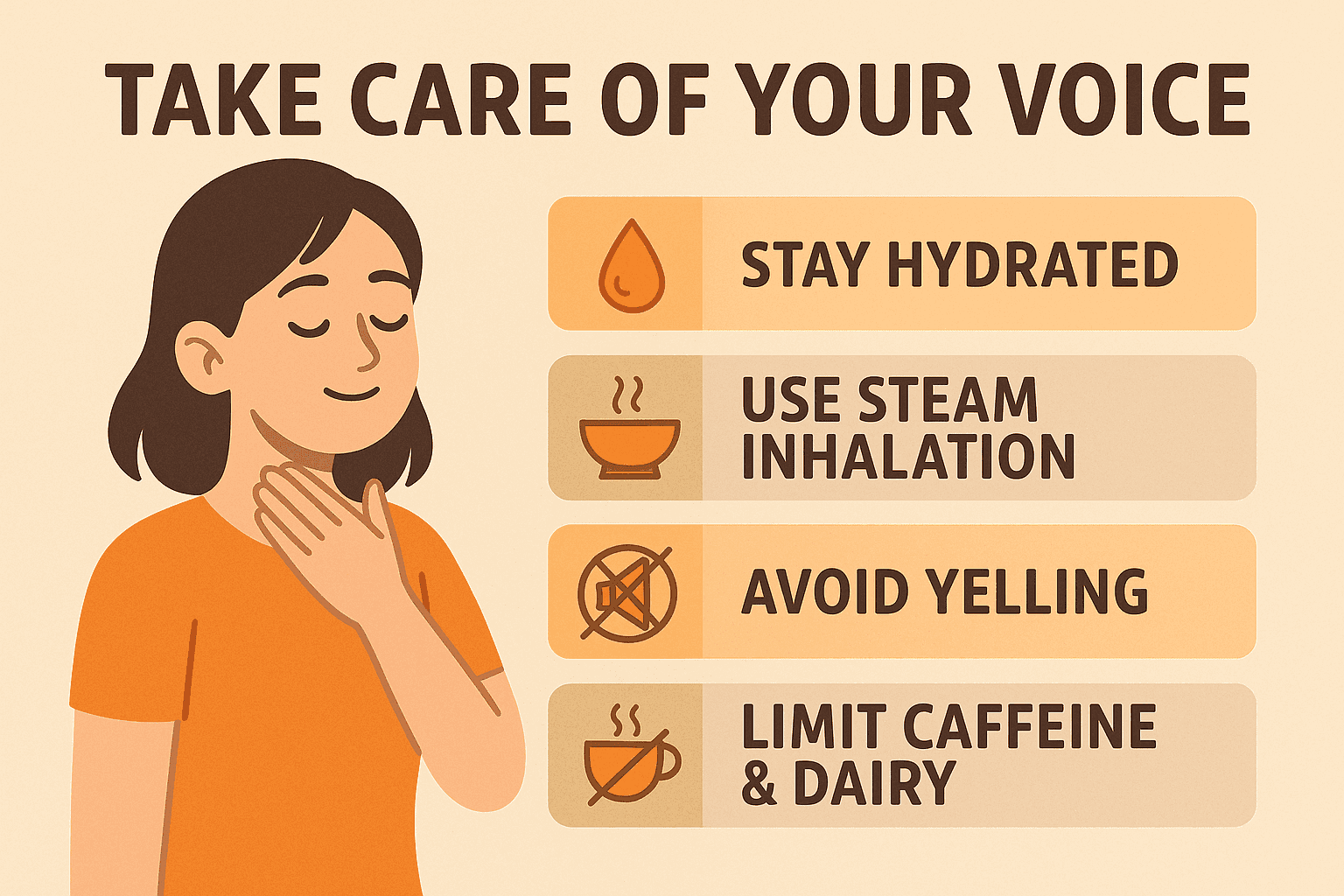
Your vocal cords are delicate instruments. Want to know how to perfect your singing voice? Start by caring for it.
Ignoring vocal health can derail your progress and even lead to long-term damage.
Vocal Health Dos and Don’ts:
- Stay hydrated throughout the day
- Rest your voice when it feels strained
- Use steam inhalation for vocal recovery
- Avoid yelling, whispering, or clearing your throat excessively
- Say no to caffeine and dairy before performances
Healthy habits like staying well-hydrated, using your voice wisely, and avoiding vocal misuse are recommended by national vocal health experts to prevent strain and protect your vocal cords in the long term.
Your voice deserves the same care you give to any part of your body. Small habits lead to long-term vocal resilience.
8. Record and Review Your Performances
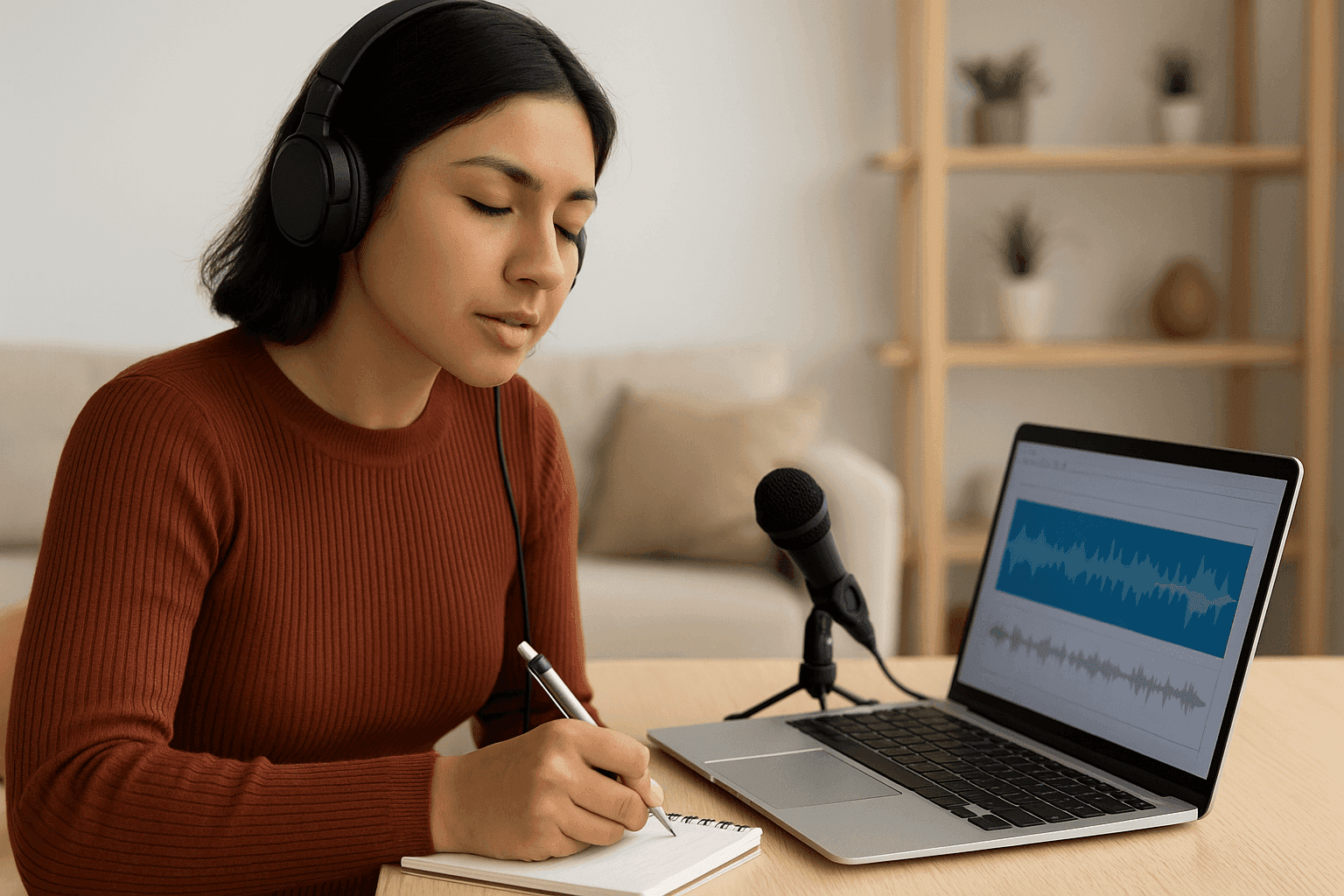
Do you cringe when you hear your own voice? You’re not alone. But reviewing your recordings is a powerful method for how to get better at singing.
Listening objectively helps you catch habits, hear progress, and identify areas to work on.
Benefits of Recording Yourself:
- Notice pitch inconsistencies and correct them
- Identify moments where emotion or power dips
- Monitor vocal tone and resonance across different songs
- Build self-awareness and stage presence
Over time, you’ll begin to see your transformation. It’s not about perfection—it’s about progress.
9. Learn from the Best: Study Other Vocalists

One of the smartest ways to become a great singer is to study those who already are.For motivation and learning, studying iconic singers in music history can help you understand vocal styles, technique, and expression.
Analyzing different singers expands your technique, enhances interpretation, and fuels your passion.
What You Can Learn from Others:
- Breath control and phrasing styles
- Dynamics and emotional expression
- Stage movements and audience engagement
- Vocal improvisation and unique stylings
The goal isn’t imitation. It's inspiration. Use what you learn to develop your own signature voice.
Explore a wide variety of singing styles and techniques through Art Gharana’s Vocal Courses.
10. Take Vocal Lessons and Seek Mentorship

You can only get so far with self-study. To truly grow, you need professional feedback. Enrolling in online vocal singing lessons provides structured training, personalized warm-ups, and expert feedback to help you grow faster.
Wondering how to become a good vocalist singer? The answer is simple: find a mentor.
A skilled vocal coach will correct mistakes you may not even realize you’re making. They offer structure, inspiration, and proven techniques.
Why You Should Work with a Vocal Coach:
- Personalized vocal warm-ups
- Song selection tailored to your range
- Feedback on performance and emotion
- Guidance on long-term growth and career path
Conclusion
Becoming a better singer isn’t about hitting high notes overnight—it’s about dedication, self-awareness, and a willingness to grow. As you’ve seen, everything from warming up properly and mastering breath control to practicing regularly and learning from mentors contributes to your vocal development. But the real question is—are you ready to take action?
Ask yourself:
- How can I sing better today than I did yesterday?
- What habits can I build to improve my singing voice over time?
- Am I willing to invest in becoming a good vocalist singer?
If you're serious about learning how to get better at singing, start by applying even one or two strategies from this list consistently. Focus on progress, not perfection. Over time, your voice will become stronger, more flexible, and uniquely you.
And remember—you don’t have to do it alone. Whether you're just starting or looking to level up your skills, expert guidance can make all the difference. Book a free Singing Trial Class and take the first step toward becoming the confident, powerful vocalist you’re meant to be.
Because the answer to how to become a better singer lies not just in knowing what to do—but in choosing to begin.
Frequently Asked Questions (FAQs)
1 How can I become a better singer at home?
You can become a better singer at home by practicing daily, doing proper vocal warm-up exercises, maintaining good posture, and recording yourself to track progress. Consistency, along with learning basic singing techniques, plays a major role in improving vocal quality.
2 How long does it take to improve singing skills?
Improvement depends on practice frequency, technique, and guidance. Beginners may notice changes within a few weeks, while consistent training through structured vocal singing lessons can lead to significant improvement within a few months.
3 Are vocal warm-ups really necessary for beginners?
Yes, vocal warm-ups are essential for beginners as they prevent strain, improve voice control, and help singers hit notes more comfortably. Skipping warm-ups can lead to vocal fatigue and long-term damage.
4 Can online singing classes help improve my voice?
Online singing classes are highly effective when guided by experienced instructors. They offer structured learning, personalized feedback, and flexibility, making them ideal for beginners and intermediate singers.
5 How do I know which songs suit my voice?
Understanding your vocal range through a voice range test helps you choose songs that match your pitch and comfort level. Singing within your range improves confidence and overall vocal performance.