ChatGPT
 Google AI
 Grok
 Claude
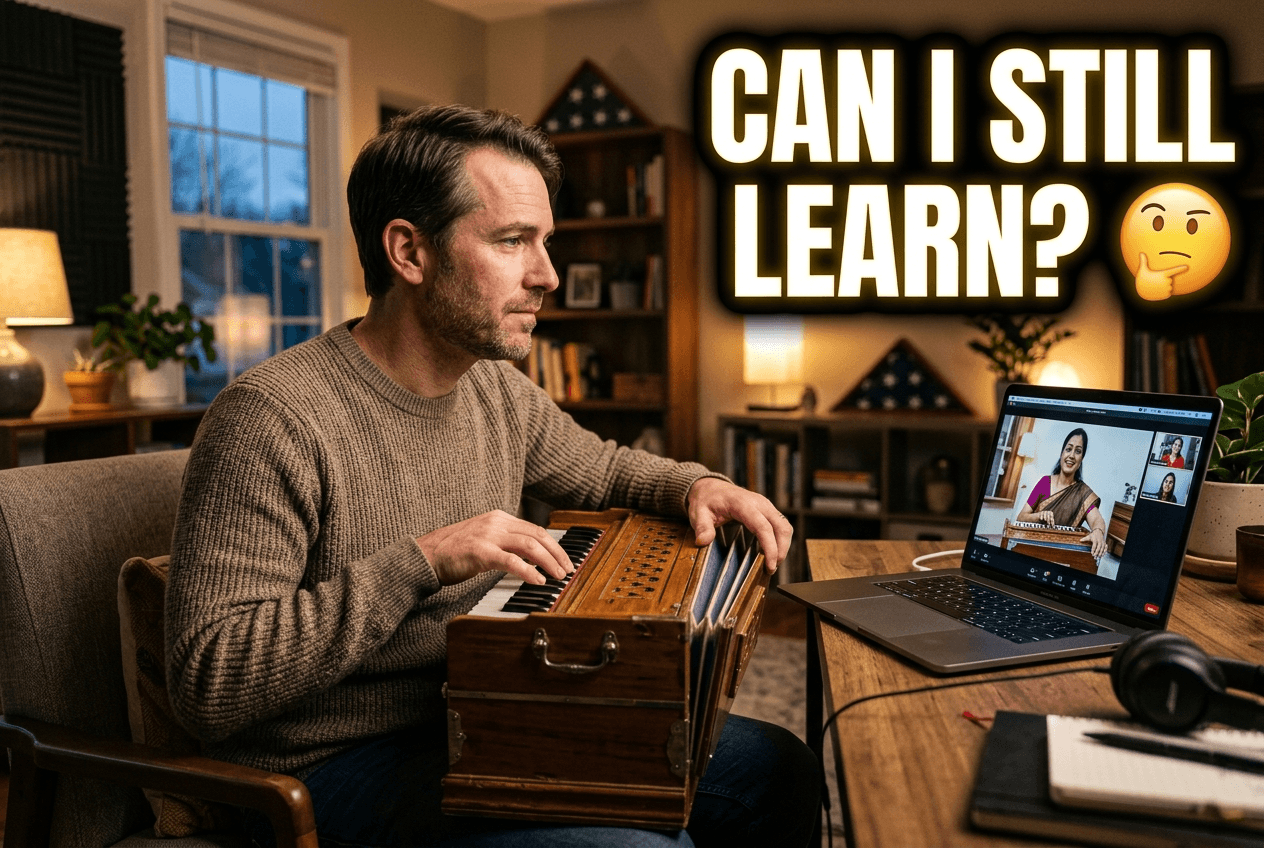
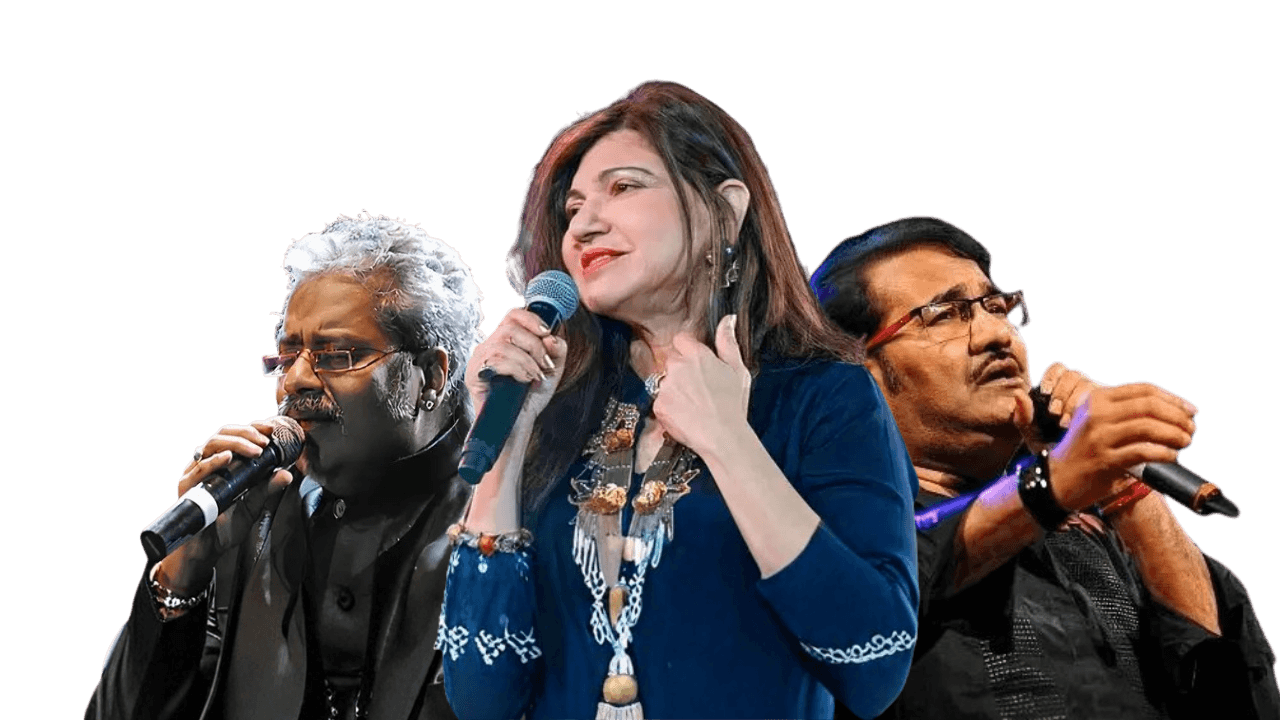
If you grew up listening to Kishore Kumar on Sunday mornings, or if A.R. Rahman's soundtracks defined your college years, you already carry a musical foundation many adult beginners lack entirely, an ear trained by years of genuine exposure, even without a single formal lesson. For the large population of US based NRI professionals now in their 30s, 40s and beyond who always meant to learn Indian classical music but let career and family take priority, that foundation is still there, waiting to be built upon.
Why So Many US NRIs Wait, and Why Waiting Longer Rarely Helps
 A pattern repeats consistently across the US Indian diaspora. Music was always part of life growing up, but graduate school, early career pressure, immigration logistics and eventually family responsibilities pushed formal training indefinitely into the future. Now settled, established and stable, the desire to reconnect resurfaces, often with a nagging worry that the window has somehow closed. It has not. If anything, the clarity, discipline and emotional depth that adult life has built make this a genuinely better moment to begin formal training than the distracted college years many adults assume would have been the ideal starting point.
What Changes for an Adult Learner, and What Does Not
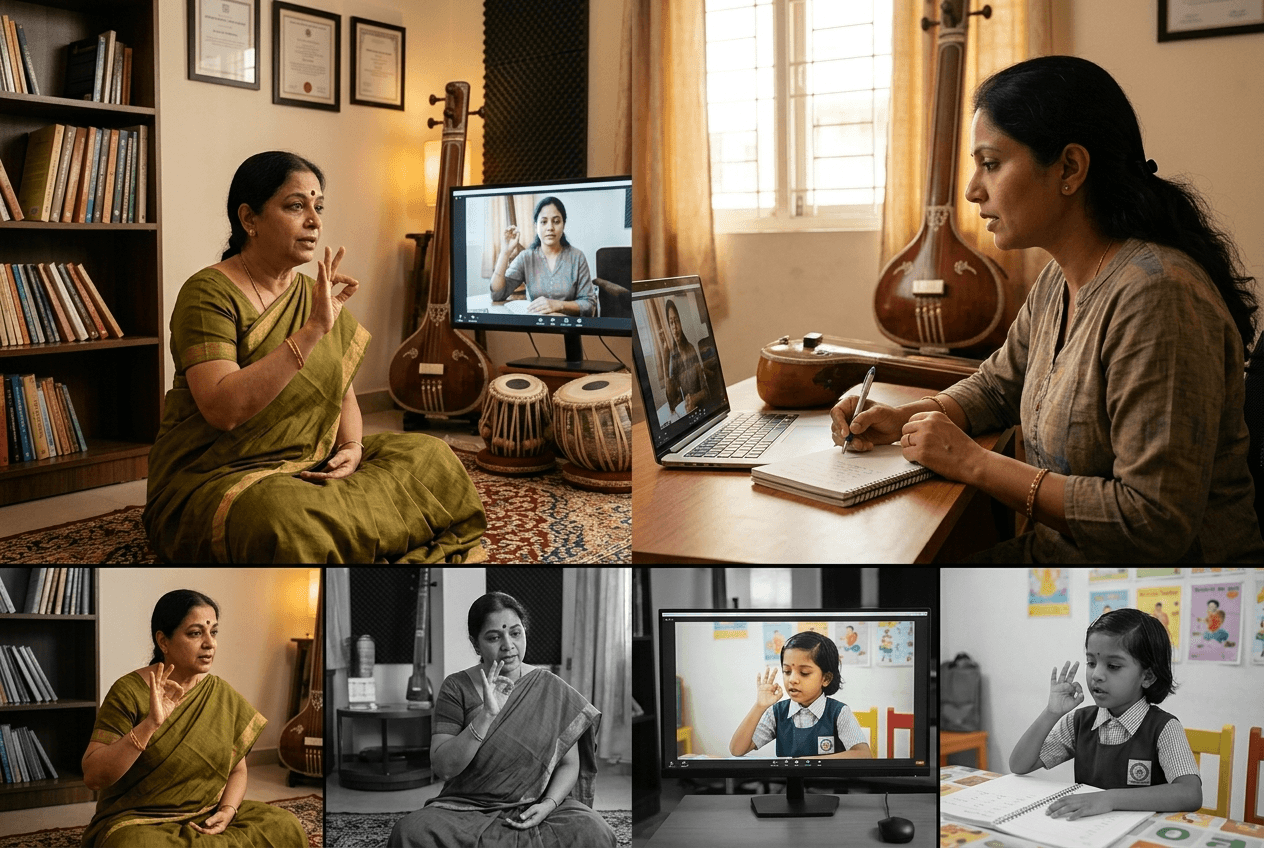 Adult learners do not need a different art form. The same Hindustani vocal training, the same tabla technique, the same Carnatic sarali varisai exercises apply equally to a 7 year old and a 40 year old. What changes is the pacing, the explanatory depth, and the framing. A skilled adult focused teacher explains the why behind a technique rather than relying purely on repetition and imitation, since adult learners generally absorb material faster when they understand the underlying logic. Our overview of types of Indian music gives the kind of structural context that adult learners specifically tend to find clarifying before diving into technical practice.
Group Classes Versus One to One for Working Professionals
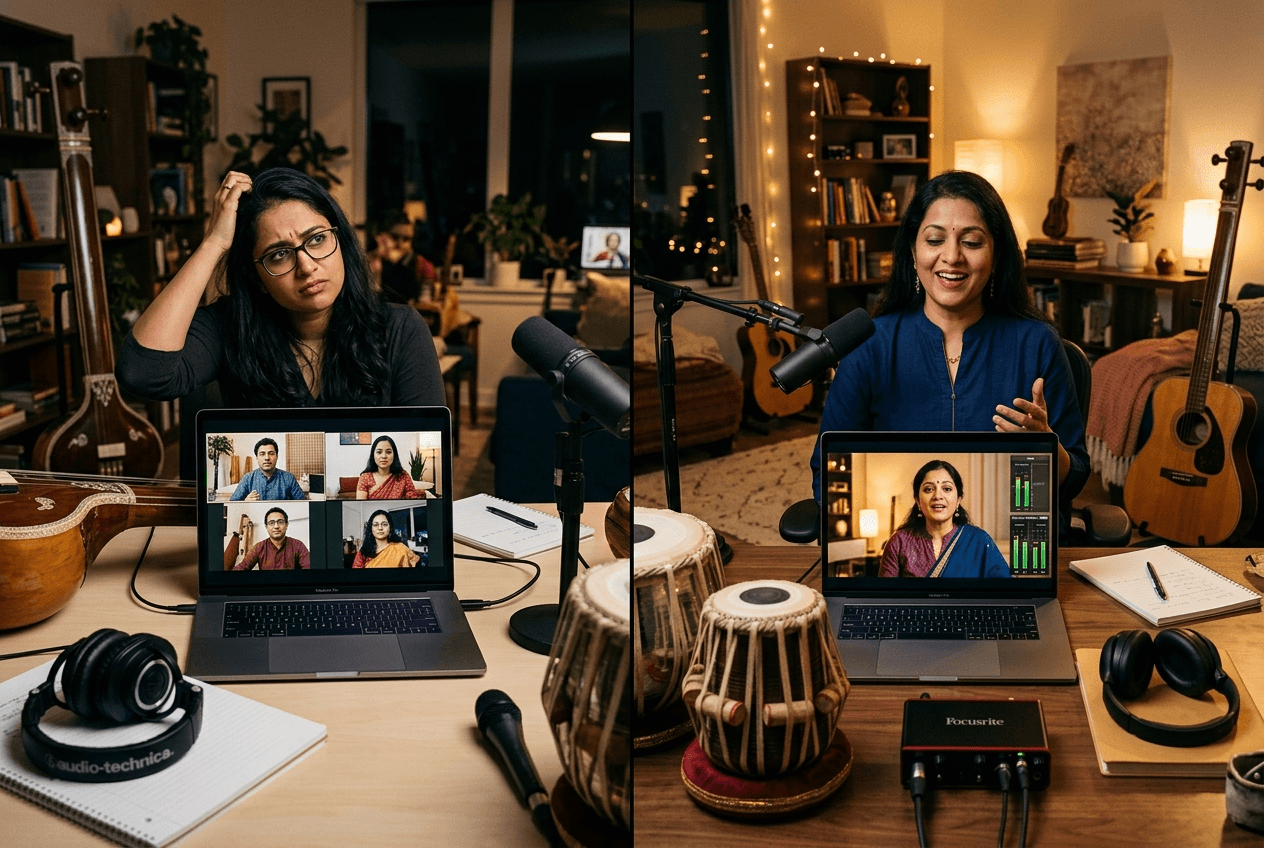 Several established US Indian classical music schools, including respected Bay Area institutions with decades of community presence, structure the majority of their curriculum around group classes, reserving one to one instruction for more advanced stages. This group first model has real pedagogical merit, particularly for children, but for a working adult professional with a demanding, often unpredictable schedule, the fixed timing and shared pace of a group class can be genuinely difficult to sustain consistently. A missed group session is often simply lost, while a one to one session can typically be rescheduled around a sudden work commitment, a quality that matters enormously for the realistic, sustainable practice habit adult learners need to build.
US Time Zones: Why This Detail Matters More Than It Seems
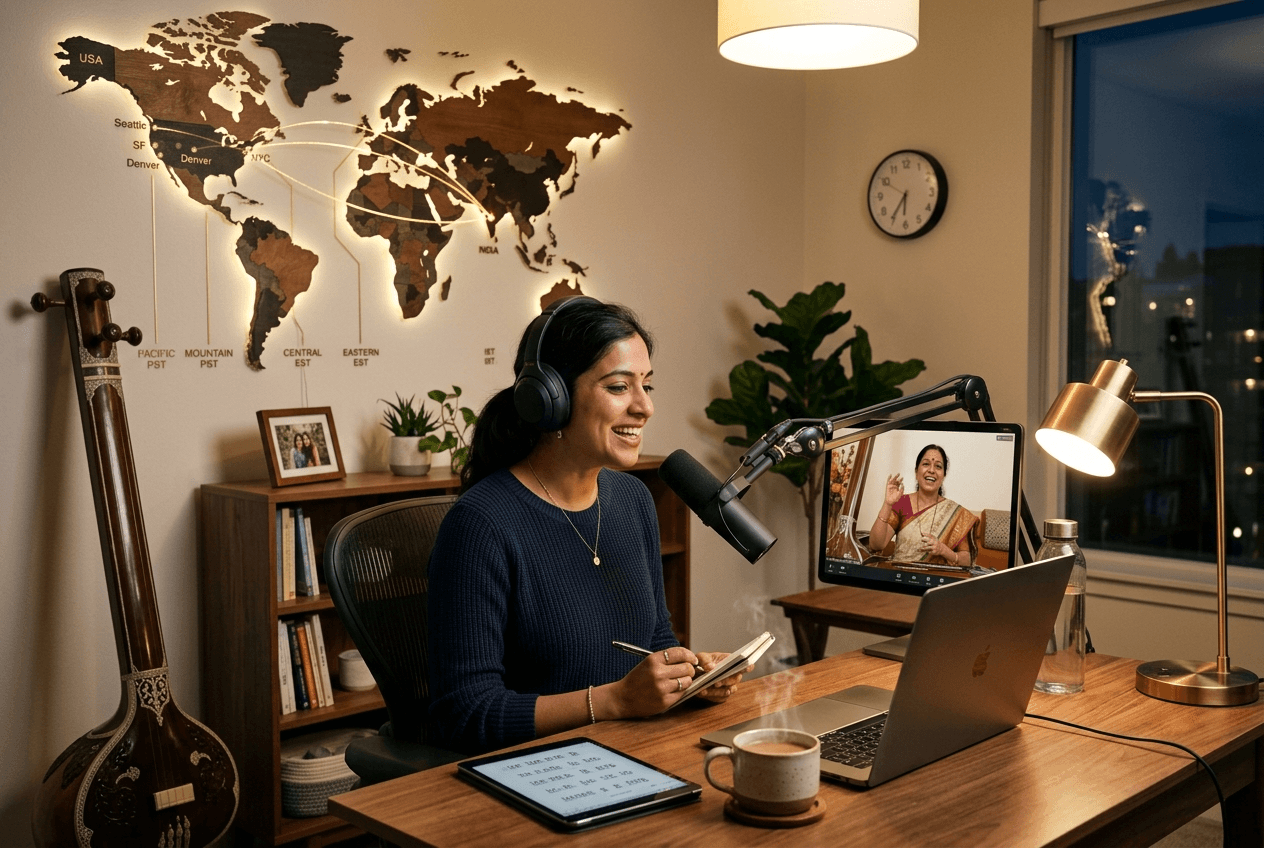 A genuinely common frustration among US based adult learners researching Indian classical music options is discovering that several well established providers schedule their live classes primarily around Indian Standard Time, leaving US students choosing between an early morning slot before work or staying up well past a reasonable bedtime. Art Gharana's live one to one classes are scheduled directly across Eastern, Central, Mountain and Pacific time, removing this friction entirely and making consistent weekly attendance genuinely sustainable around a normal US working schedule.
Choosing the Right Discipline as an Adult
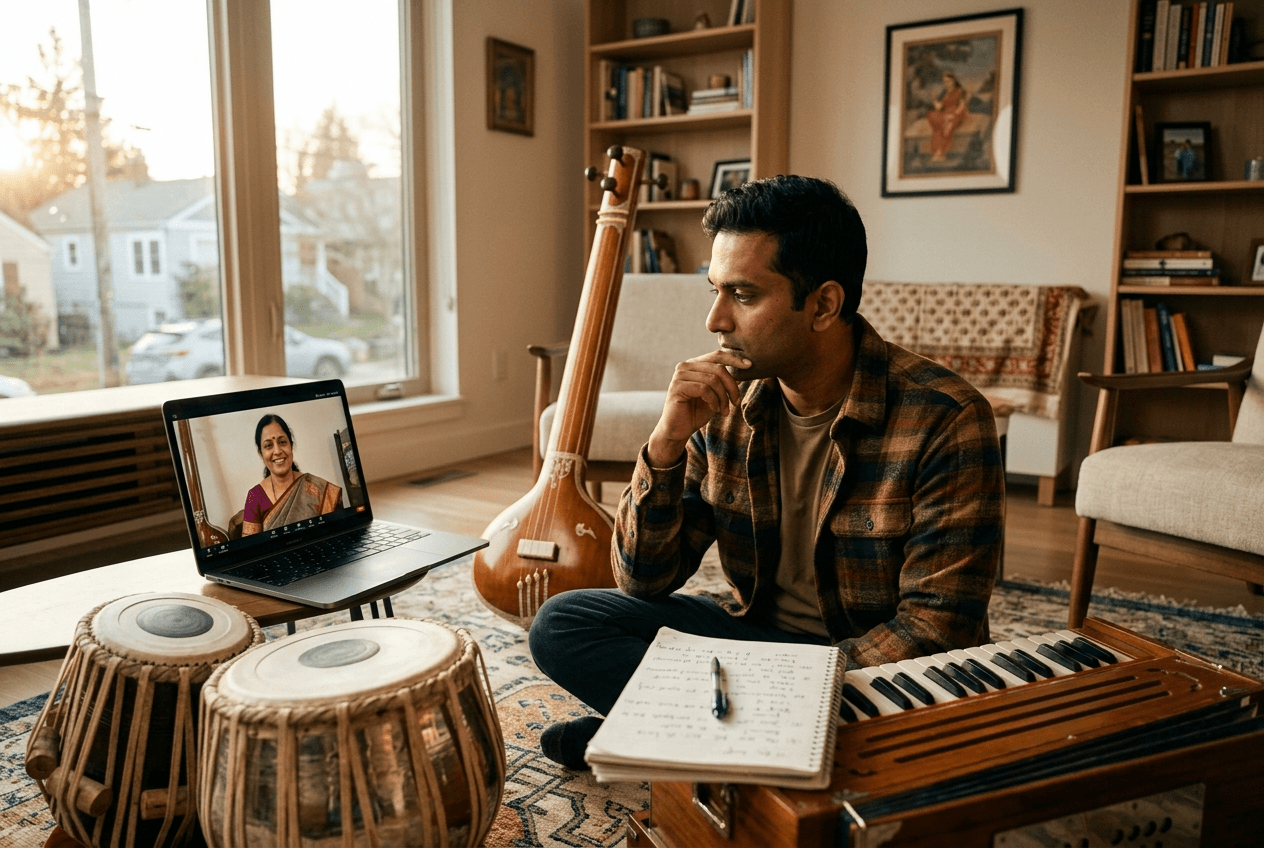 Hindustani vocal training is the most commonly chosen starting point for US adult NRIs, requiring no instrument purchase and offering a daily riyaz practice that fits naturally around morning coffee or an evening wind down routine. For South Indian adults, Carnatic vocal classes connect more directly to family and regional heritage. Our Carnatic vs Hindustani guide explains the structural differences if your family background spans both traditions or you are simply unsure where to start. For adults drawn to rhythm and physical engagement, tabla classes and Hindustani vocal classes together build a particularly strong combined foundation in the raga and tala system.
Building a Sustainable Practice Habit
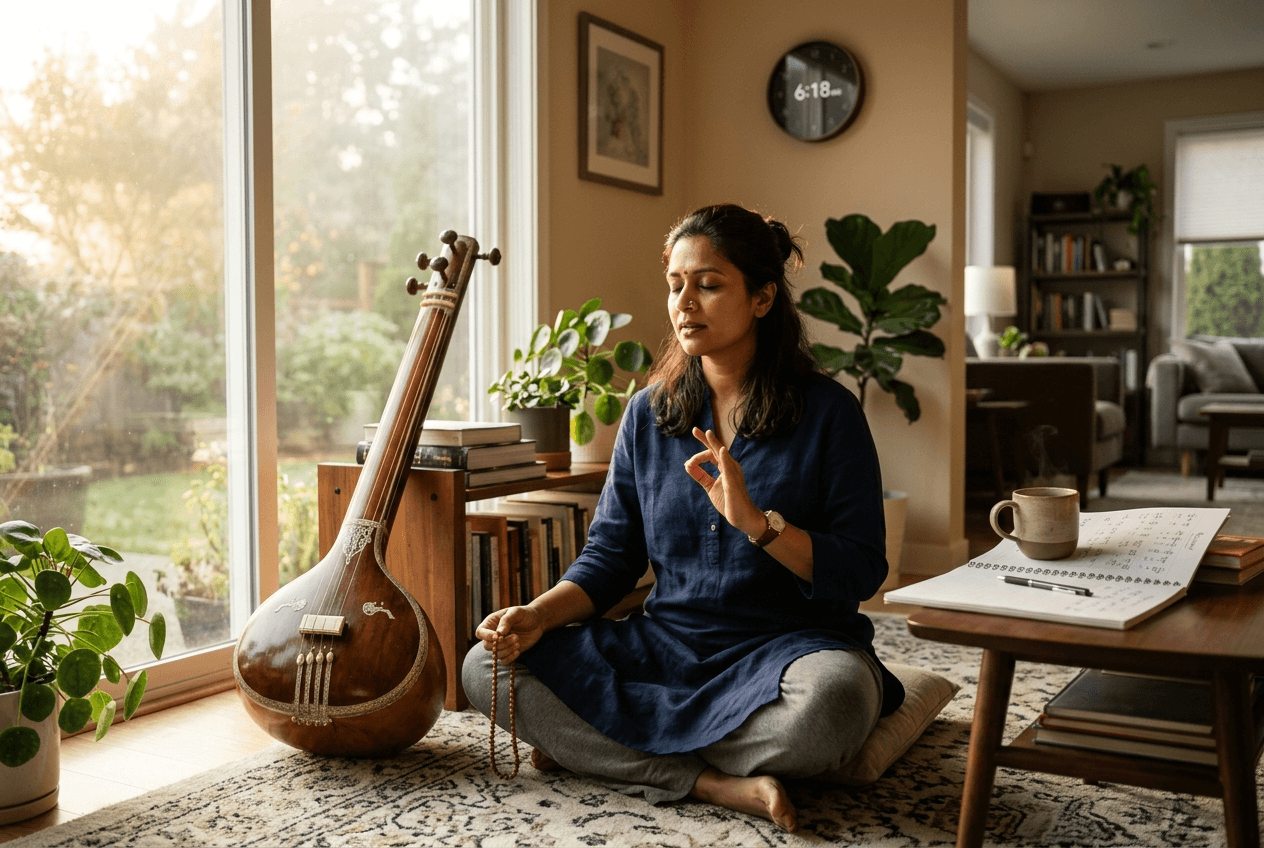 Fifteen to twenty minutes of focused daily practice, anchored to an existing routine rather than squeezed into an imagined block of free time, produces steady, visible progress over a year. Our top 10 singing tips for beginners covers specific, practical guidance on structuring this daily practice efficiently, equally relevant for instrumental students adapting the same consistency principle to their own discipline.
About Art Gharana
 Art Gharana connects US adult learners with certified Indian classical music teachers for live one to one instruction across all US time zones. Review plans and pricing and book a free trial class to begin your own reconnection with the music that shaped your life.
Frequently Asked Questions
1. I am in my 40s with zero formal training. Can I genuinely learn Hindustani or Carnatic vocal now?
Yes, and adult beginners with years of informal listening exposure often progress faster than expected, since their ear is already trained even without prior formal lessons.
2. Are one to one classes really better than group classes for adults?
For working professionals specifically, yes, primarily due to scheduling flexibility. Group classes have real value but require fixed attendance that can be genuinely difficult to sustain around an unpredictable US work schedule.
3. How do I know which discipline fits my family background?
North Indian heritage families typically connect most directly with Hindustani vocal or tabla, while South Indian heritage families typically connect most directly with Carnatic vocal. A free trial class in either is the most reliable way to confirm fit.
The Rise of Adult Focused Indian Classical Music Education in the USA
Several established US Indian classical music institutions explicitly market specifically to NRI adults above 30, recognizing this demographic as a meaningful and growing segment of their student base, no longer a niche afterthought within a curriculum primarily designed for children. This shift reflects a genuine, well documented pattern within the US Indian diaspora, adults who spent their twenties and early thirties establishing careers and families now actively returning to the cultural and musical interests they set aside, often with considerably more disposable time, financial stability and personal clarity than they had in their twenties.
Age Bound Versus Intention Bound: A Useful Reframe
One useful reframe several adult focused providers explicitly use, and one worth internalizing if you are a US adult hesitating over whether to begin, is the distinction between being age bound and being intention bound. Musical skill, unlike certain physical disciplines, is not meaningfully constrained by the specific age at which formal training begins. What actually determines outcomes is consistent practice, genuine motivation, and quality instruction, three factors entirely within an adult learner's control regardless of whether they are starting at 25 or 55.
Why Adult Students Actually Discontinue Lessons, and How to Avoid It
A specific practical consideration for US adult learners juggling demanding professional schedules deserves direct mention. The single most common reason adult students discontinue lessons within the first few months is not lack of interest or aptitude, but the practical difficulty of maintaining a fixed weekly commitment around an unpredictable work schedule. Providers offering only fixed group class slots compound this challenge considerably. Art Gharana's one to one format, with rescheduling flexibility built into the standard offering, directly addresses this specific, well documented adult attrition pattern.
US Born Adults Reconnecting With a Tradition They Did Not Grow Up Immersed In
A meaningful number of US adult students approach Indian classical music not from a place of childhood nostalgia but from genuine curiosity, US born adults of Indian heritage who grew up with relatively limited exposure to the classical tradition specifically, even while surrounded by Indian culture more broadly through food, language and family gatherings. These students often describe their motivation in terms of completing a sense of cultural identity that felt partial without this specific dimension. The teaching approach for this group differs subtly from that used with adults who grew up with strong musical exposure, since more cultural and historical context typically needs to be woven into technical instruction from the outset.
Adult Students Without Indian Heritage
Equally worth mentioning, a smaller but genuinely engaged segment of US adult students pursuing Indian classical music carries no Indian heritage at all, drawn instead by the music's intrinsic beauty, by yoga and meditation practice that introduced them to Indian sound traditions, or by professional interest as working musicians seeking to expand their melodic and rhythmic vocabulary beyond Western frameworks. Indian classical music traditions have always welcomed serious, respectful students regardless of background, and this is reflected clearly in the diversity of Art Gharana's adult student community across the USA.
The Same First Step, Whatever Your Starting Point
Whatever your specific starting point and motivation, the practical mechanics of beginning are the same for every adult learner. A free trial class, conducted live with a certified teacher, gives you direct, low risk insight into whether a specific discipline and a specific teacher are right for you, before any financial or scheduling commitment is made.
Beyond Cultural Connection: Cognitive and Wellbeing Benefits for Busy US Professionals
US adult students frequently ask how Indian classical music training might benefit them beyond the music itself, particularly busy professionals weighing the time investment against other priorities. The research on adult music learning generally, not specific to Indian classical traditions but broadly applicable, consistently shows measurable benefits for stress reduction, cognitive flexibility and emotional regulation. Indian classical music specifically, with its emphasis on sustained breath control, rhythmic complexity and meditative riyaz practice, appears particularly well suited to producing these benefits, given the close structural relationship between classical raga practice and breath based meditative traditions more broadly familiar to many US adults through yoga.
For US adults balancing demanding careers with family responsibilities, this dual benefit, genuine cultural and artistic skill development alongside measurable stress reduction and cognitive benefit, makes the modest weekly time investment considerably easier to justify than a purely recreational hobby might be. Several Art Gharana adult students specifically describe their weekly lesson and daily practice routine as functioning similarly to a meditation practice, a structured, personally meaningful pause within an otherwise demanding professional life.
Reframing the Worry That You Are Somehow Starting Too Late
It is worth US adult learners specifically addressing a quiet but common internal worry directly: the concern that beginning formal training as an adult somehow means admitting a failure or gap from childhood, that lessons should have happened earlier, that starting now is an act of catching up rather than a genuine, forward looking choice. This framing, while understandable given the cultural emphasis many Indian families place on early childhood music education, does not reflect how adult learning actually works or how adult students themselves describe their experience once underway. Adult learners are not behind. They are simply on a different timeline, one that happens to include decades of additional life experience, emotional depth and personal motivation that genuinely enrich the learning process in ways a childhood start cannot replicate.
Several Art Gharana teachers specifically note that adult students often progress faster through the conceptual and theoretical dimensions of Indian classical music, understanding raga structure, tala cycles and the broader cultural context, precisely because adult cognitive development supports this kind of abstract pattern recognition more readily than a young child's developing brain can manage. What takes a talented child years to grasp intuitively, a thoughtful adult can often understand conceptually within months, even while building the physical and vocal technique at a necessarily more gradual pace alongside that conceptual understanding.
The Desire Has Not Expired, It Was Simply Waiting
If you take one thing from this guide, let it be this. The desire to learn Indian classical music that you have carried, perhaps for years, through career building, family responsibilities and the general business of adult American life, has not expired. It has simply been waiting for the right combination of stability, time and access to genuinely flexible, high quality instruction that fits an adult professional life, exactly what live one to one online lessons across US time zones now make possible in a way that was genuinely difficult to access even a decade ago.
Why Naming Your Specific Goal Early Genuinely Helps
US adult learners sometimes ask whether they should mention specific goals at the outset, whether performing at a family wedding, simply achieving personal satisfaction, or eventually reaching a serious advanced level, and whether stating an ambitious goal early might set them up for disappointment. The opposite is generally true. A teacher who understands your specific goals from the start, whether modest or ambitious, can structure your curriculum and pacing specifically toward that outcome, rather than defaulting to a generic curriculum sequence that may not align efficiently with what you actually want from your training.
Whether your goal is singing a single meaningful bhajan with genuine confidence within six months, or building toward serious classical proficiency over several years, naming that goal honestly at your trial class allows your teacher to design a curriculum specifically aimed at getting you there as efficiently and enjoyably as possible.
Begin Today
There is no better moment to begin than the one you are in right now, reading this guide, considering whether this is finally the right time. It is. Book your free trial class and find out directly what your own version of this journey looks like.
Performance Opportunities for Adult Learners Across the USA
US adult students sometimes ask whether learning Indian classical music could ever become more than a personal hobby, whether genuine performance opportunities exist for adult learners specifically, not just children showcasing recital pieces. The honest answer is yes, increasingly so. Cultural associations, temple programs, community Diwali and Navratri celebrations, and informal gatherings among Indian American families across nearly every US city provide regular, low pressure performance contexts where adult learners, at any stage of development, can share what they have learned. Several Art Gharana adult students have performed at exactly these kinds of community events within their first year of training, often citing the experience as a genuinely meaningful milestone in their personal journey.
For adults with more serious ambitions, the path toward formal certification through bodies like the Akhil Bharatiya Gandharva Mahavidyalaya Mandal remains available regardless of starting age, with several adult students across the US Indian diaspora having successfully completed graded examinations well into their thirties, forties and beyond. Certification is never required to enjoy or benefit from classical training, but it remains a genuinely available option for adults who want a formal, externally validated marker of their progress.
The Case for Beginning, Summarized
Bringing everything in this guide together, the case for US adults beginning or returning to Indian classical music training is genuinely strong, supported by accessible live online instruction across all US time zones, by growing institutional recognition that adult learners are not a niche afterthought but a meaningful and valued student population, and by the simple, well documented reality that musical skill development, unlike certain physical disciplines, remains fully available to motivated adults regardless of when formal training begins.
Music, as the established US providers serving this exact demographic consistently emphasize, is intention bound, not age bound. Your intention, evidently, is already present if you have read this far. The remaining step is simply action.
What to Expect From Your Free Trial Class
Your trial class is forty five minutes, conducted live with a certified teacher in your chosen discipline. The teacher will ask about your background, your specific motivations and goals, and any prior exposure to Indian classical music, then work through an initial exercise designed to meet you exactly where you currently are, whether that is complete beginner or someone returning after years away from formal training. By the end of the session, you will have direct, firsthand insight into the teaching style, the pacing and the overall fit, with no payment required and no obligation to continue if it does not feel right.
Scheduling Your Trial Around a Busy US Schedule
Trial classes, like ongoing lessons, are scheduled across all major US time zones, with morning, afternoon, evening and weekend slots available specifically to accommodate working professionals. There is no need to rearrange your existing commitments around a single, inconvenient available slot.
A Closing Thought
Years from now, you will either have begun this journey or you will still be considering it. The years will pass regardless of which path you choose. The only genuine difference between those two futures is whether one of them includes a skill, a connection and a creative practice you have wanted for a very long time.
Choose the version with music in it. Book your free trial class today.
What Happens After Your Trial Class
If the trial class feels right, your teacher will discuss a recommended weekly schedule and curriculum pace tailored to your specific goals and availability. There is no pressure to commit to a long term plan immediately. Many US adult students begin with a simple month to month arrangement, allowing genuine flexibility as they confirm the routine fits sustainably into their broader life, before considering any longer term commitment.
Your trial class is the genuine starting point of that journey, available whenever you are ready to take it.
Final Thoughts
The specific instrument, the specific tradition, the specific teacher matters less, in the end, than the decision to finally begin. Whatever has held you back until now, time, uncertainty, the assumption that this window had quietly closed, none of it changes the simple fact that the music you grew up loving is still there, still teachable, still genuinely available to you as a US adult ready to claim it.
Welcome back to the music. It missed you too.
Book your free trial class today.
We look forward to welcoming you back to the music you have always loved.
Whatever brought you to this guide, whether nostalgia, curiosity, or a long deferred personal goal, the next step is the same simple action available to every adult ready to begin. Schedule your trial class and experience, directly and without obligation, what live one to one Indian classical music instruction designed specifically for working US adults actually feels like.
It is, genuinely, that simple to begin.
Your teacher is waiting.