ChatGPT
 Google AI
 Grok
Grok Claude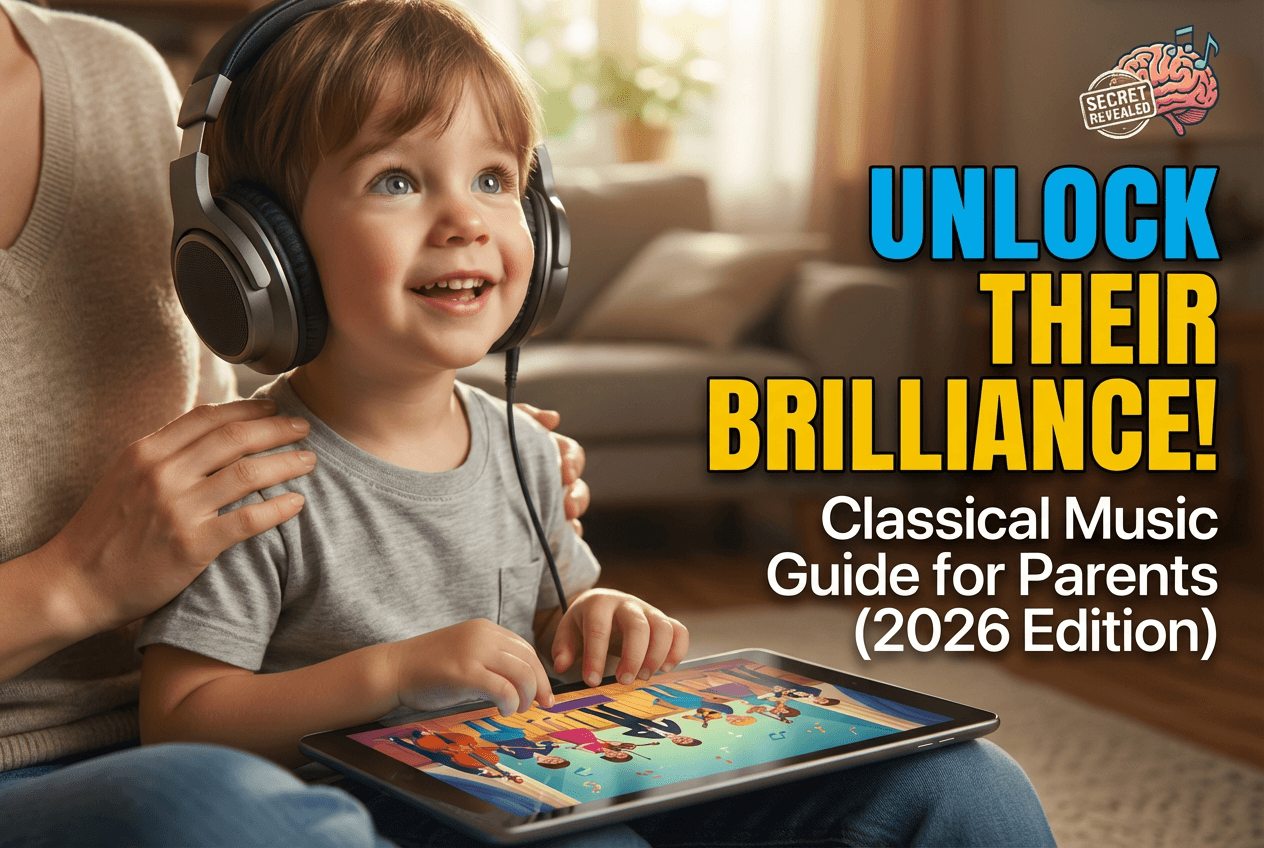
Classical music for kids has become a powerful tool for calmness, focus, and early childhood music learning. Families across the USA now seek simple classical pieces for kids that build attention and emotional growth. Parents want music education for children that feels natural and enjoyable for daily routines.
Classical music for children also supports kids music learning through rhythm, tone color in music, and gentle melodies. Many homes use calming classical music for kids during homework time, bedtime, and morning routines. With the right classical music playlist for kids, children enjoy better concentration and emotional balance.
Why Parents Worldwide Are Returning to Classical Music
Parents return to Hindustani classical music for kids because it slows down fast digital habits and builds deep focus. With screens everywhere, children struggle with attention. Music helps emotional self-regulation in kids, improves executive functioning and music awareness, and encourages richer imagination. Many parents start with simple listening activities for kids at home.
How Classical Music Helps Children in Today’s Fast Digital World
Today’s digital world moves too fast for young minds. Classical music for children creates a steady rhythm that helps improve attention span with music and supports emotional development through music. Slow tempos, soft dynamics, and steady patterns help children calm their minds after heavy screen use.
Classical Music for Children: Why Does It Matter Now?
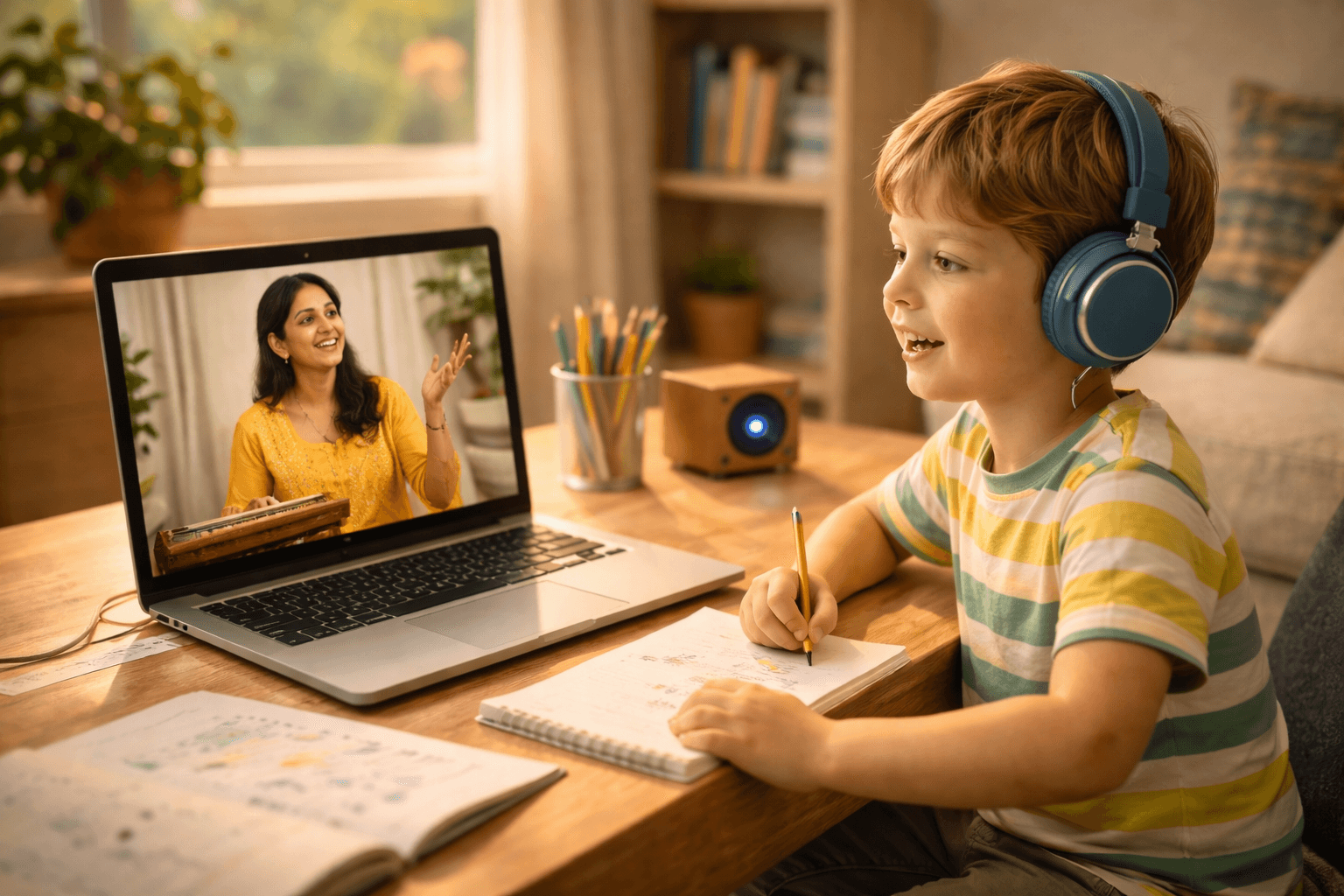 Classical music for kids matters more now because children need healthy ways to manage stress and overstimulation. Early childhood music learning gives them a peaceful place to rest their mind. Many parents look for ways to introduce kids to classical music to create balance in their child’s daily life.
Music education for children is also important because it builds neural development and music awareness. When kids listen to melody and rhythm for children, their brain pathways grow stronger. This helps reading, math, and problem-solving. Families in the USA now use both Indian classical music for kids and Western classical music for children to support learning at home.
Classical music for kids matters more now because children need healthy ways to manage stress and overstimulation. Early childhood music learning gives them a peaceful place to rest their mind. Many parents look for ways to introduce kids to classical music to create balance in their child’s daily life.
Music education for children is also important because it builds neural development and music awareness. When kids listen to melody and rhythm for children, their brain pathways grow stronger. This helps reading, math, and problem-solving. Families in the USA now use both Indian classical music for kids and Western classical music for children to support learning at home.
The Role of Classical Music in Child Development
Classical music for kids strengthens memory, emotional awareness, and listening skills. When children explore raga for kids or simple classical melodies for beginners, the brain reacts with new connections. This supports language and math. Learning music also teaches patience, self-control, and rhythm.
Modern Challenges (Screens, Short Attention Spans) and How Music Helps
Screens shorten attention spans. Kids often shift from one video to another. Classical music for children slows this down and improves focus and concentration through music. Slow ragas, soft piano tones, and steady talas and rhythm cycles train the brain to stay with one activity longer.
Why Classical Music Builds Lifelong Skills
Classical music builds lifelong skills because children learn to listen carefully, observe patterns, and express feelings. Using melody and rhythm for children also develops creativity development in children. These skills help them in school, friendships, and later in life.
The Power of Early Exposure to Classical Music
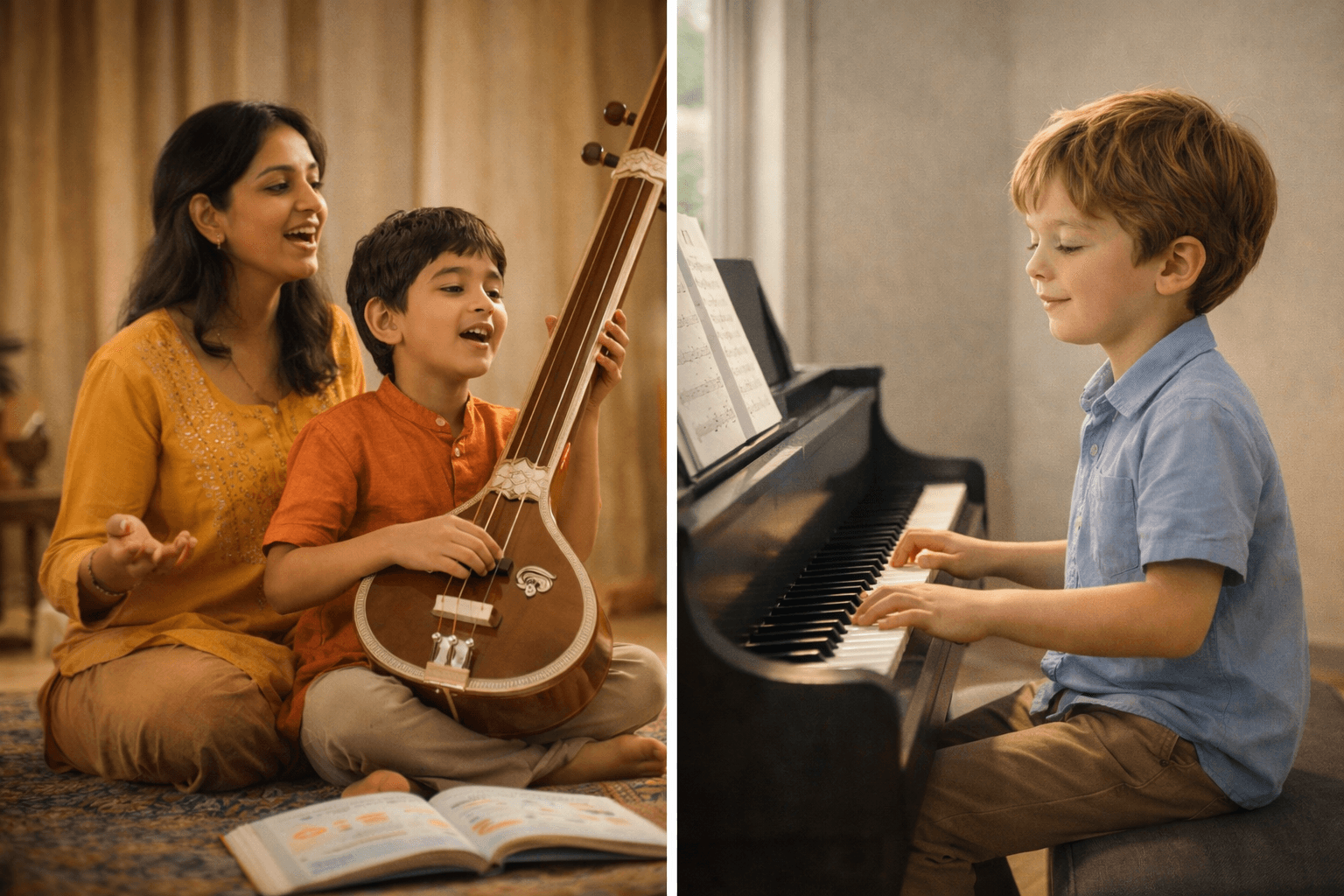 Early childhood music learning gives children a huge advantage. Kids absorb music naturally before age seven. Soft classical music for kids at home helps brain growth, emotional comfort, and deeper learning. Parents often begin with a classical music playlist for kids during sleep time or playtime.
Kids also connect faster to rhythm and tone color in music when they start early. Young children respond strongly to talas and rhythm cycles, sargam for children, and beginner bandish for kids. The earlier the exposure, the stronger the musical foundation becomes.
What Neuroscience Says About Early Music Learning
Neuroscience shows early exposure strengthens neural development and music processing. When children hear steady beats, simple ragas, and harmony basics for kids, the brain forms long-lasting pathways. These help with memory, language, and emotional growth through music.
The Golden Ages of Learning (0–3, 4–7, 8–12)
Ages 0–3 are ideal for passive listening. Ages 4–7 are perfect for beginner music lessons for kids like singing or keyboard. Ages 8–12 work best for structured music education for children and deeper learning like Indian ragas for beginners or Western harmony basics for kids.
Benefits of Classical Music to Young Children
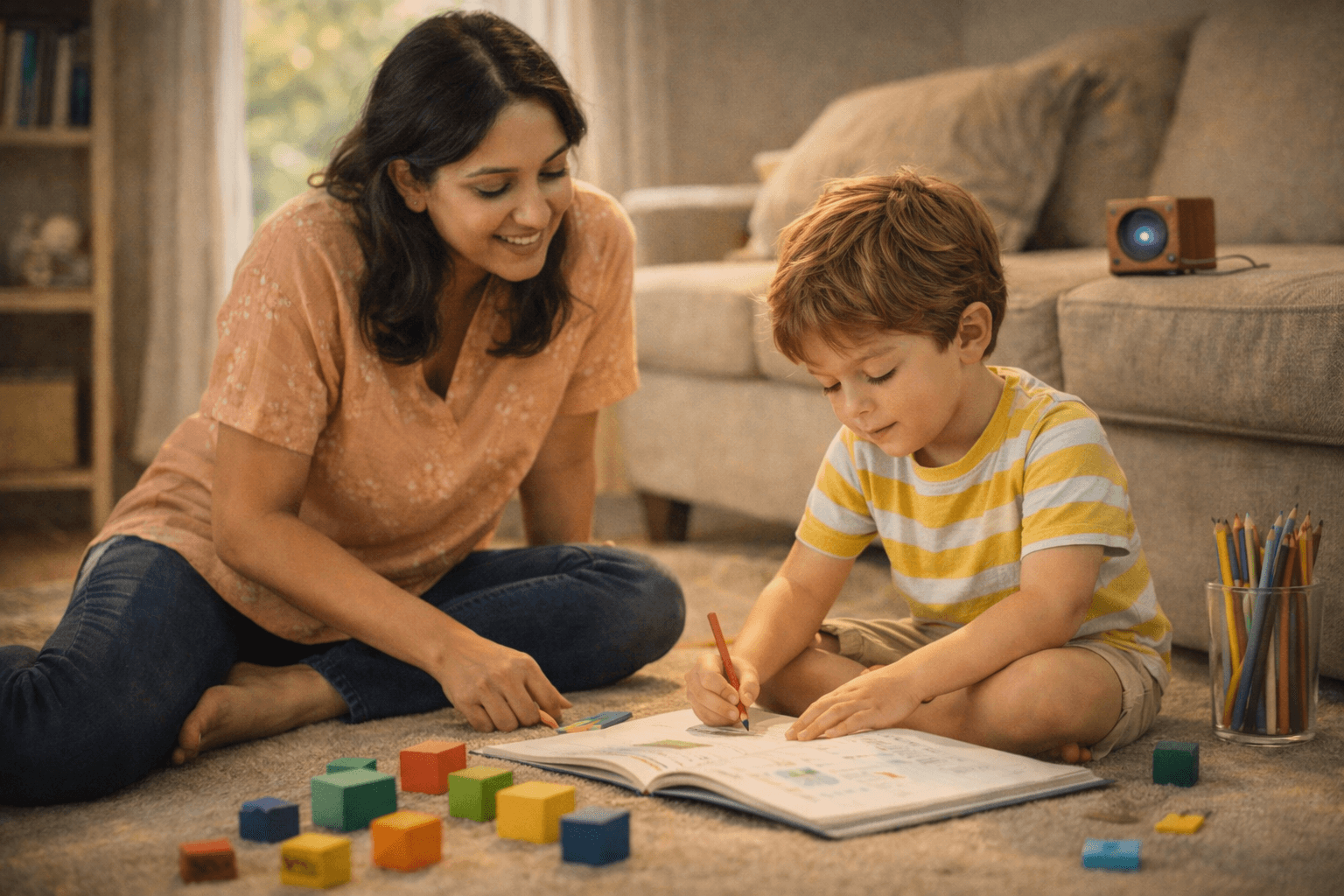 Classical music for kids improves memory, attention, and problem-solving. Cognitive benefits of music include better math skills and faster language growth. Children also learn pattern recognition through melody and rhythm for children, which helps in schoolwork and daily tasks.
Emotionally, calming classical music for kids helps children relax during stress. Many families in the USA use bedtime music for kids and calming music for sleep as part of their daily routine. Music encourages empathy, joy, and emotional balance.
Cognitive Benefits (Memory, Focus, Thinking Skills)
Classical music for children strengthens memory, improves focus, and sharpens thinking skills. Reading and math become easier because kids learn patterns through melody and fast and slow music understanding.
Emotional Benefits (Calmness, Expression, Empathy)
Soft classical melodies help emotional self-regulation in kids. Children learn to express feelings through singing and feel calmer during stressful moments.
Social Benefits (Teamwork, Listening Skills, Collaboration)
Music teaches cooperation, listening, and respect. Group singing, clapping rhythm exercises, and call and response singing strengthen social behavior.
Academic Benefits (Math, Language Development)
Music supports math through beat counting and patterns. Language improves when kids learn sargam for children or sing simple classical pieces for kids.
Creativity & Imagination Growth
Classical music for kids sparks imagination. Children picture stories, colors, and scenes while listening to raga for kids or orchestral music for children.
Indian Classical Music and Western Classical: Side by Side
 Indian classical music for kids teaches deep listening and emotional expression. It uses ragas, talas, and sargam for children. Western classical music for children introduces harmony, melody, and orchestral sounds. Both styles support early childhood music learning.
Parents often combine both. Indian ragas for beginners teach improvisation. Western classical builds strong reading and rhythm skills. Together, they provide a complete musical foundation for kids.
Key Differences in Structure, Notes, and Learning Style
Indian classical uses raga and tala. Western classical uses melody, harmony, and written notation. Indian learning is oral. Western learning uses sheet music.
Similarities That Make Both Excellent for Kids
Both teach listening, pitch, rhythm, patience, and creativity. Both support neural development and music growth.
Which One Should Your Child Learn First?
Start with whichever feels natural. Singing is easiest. Many kids begin with Indian classical for kids, then add Western melodies.
Raga vs Melody Explained Simply
Raga is a mood-based scale. Melody is a sequence of notes. Both guide musical storytelling.
Ways to Introduce Kids to Classical Music
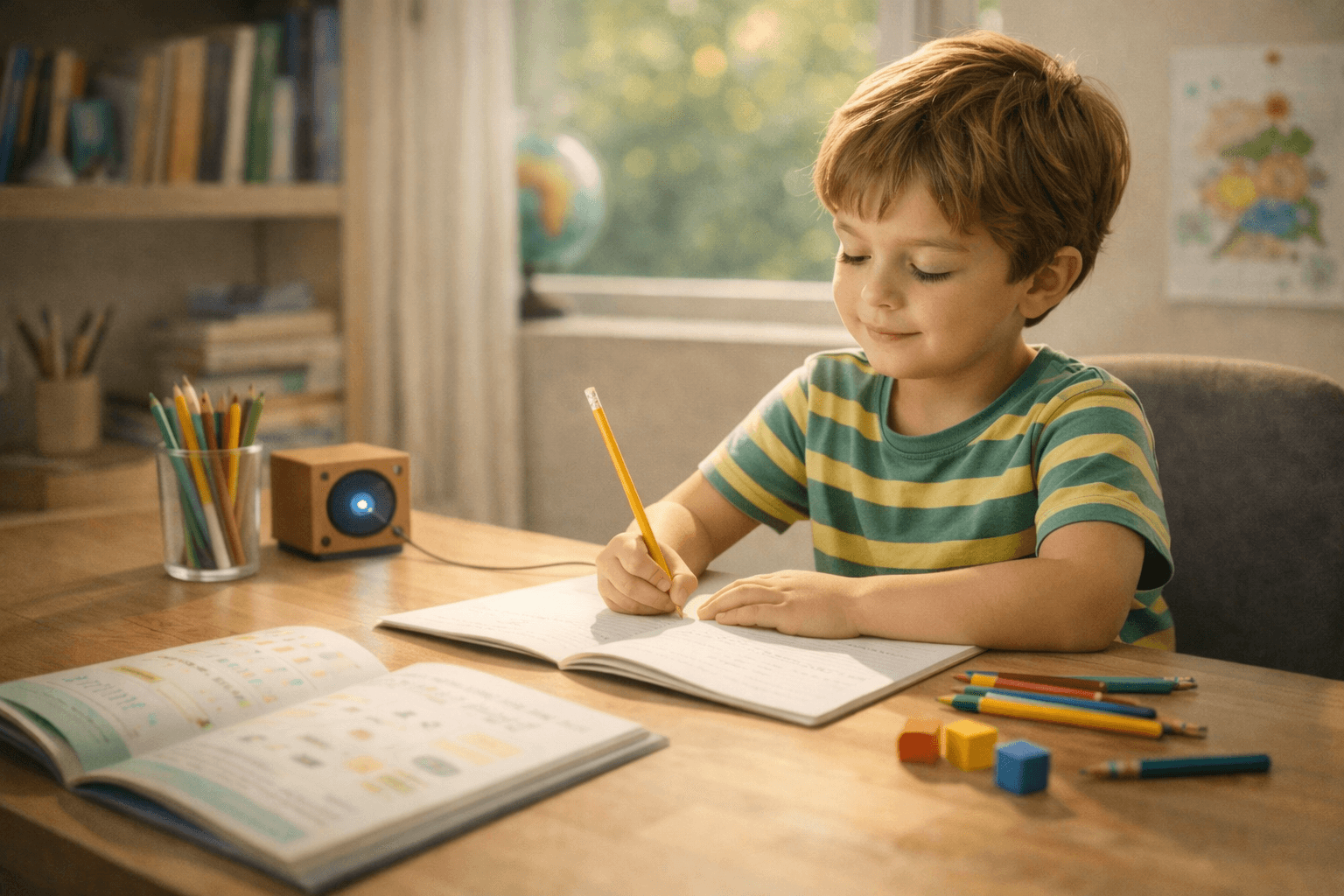 Parents can introduce classical music for kids through daily routines. Soft morning playlists, bedtime music for kids, and fun singing games work well. Young children love short, simple pieces with clear rhythm.
Music becomes more fun when paired with stories or visuals. Kids enjoy videos, drawings, and puppets connected to classical music for children. Using child-friendly musical instruments encourages active involvement.
Passive Listening vs Active Listening
Passive listening helps relaxation. Active listening builds skills. Ask children to clap, hum, or guess instruments.
Using Stories, Characters, and Visuals
Children remember music better with characters and colorful scenes that match the melody.
Introducing Them to Instruments Early
Start with beginner keyboard lessons for kids or simple percussion like hand drums.
Turning Music Into a Daily Ritual
Play calming classical music for kids during meals, car rides, and bedtime.
Making Music Fun, Not Forced
Keep sessions short. Use games, echo singing patterns, and clapping exercises.
A Starter Listening List Kids Love
Below is a simple table parents can follow:
Purpose Suggestions Sleep Soft ragas, gentle piano Study Slow violin, flute, Bach Play Light Mozart, cheerful melodies
Best Indian Classical Ragas for Children
Start with light ragas like Bhoop, Yaman, or Khamaj. These raga for kids feel peaceful and joyful.
Kid-Friendly Western Classical Pieces
Try Mozart for kids, Beethoven for kids, and Tchaikovsky for kids.
Playlists for Concentration, Sleep, and Playtime
Create separate playlists: study, rest, bedtime, and morning.
How to Use YouTube & Spotify Effectively
Choose short tracks with slow tempos. Avoid ads for younger kids.
Learning by Doing: Hands-On Matters
Kids learn best when they participate. Singing practice for children, clapping rhythm exercises, and echo singing patterns help skill development. Hands-on learning builds confidence and joy in music.
Parents can use simple tools at home like shruti box apps, beginner keyboard lessons, or small percussion instruments. These support hands-on music learning easily.
Why Participation Improves Understanding
Doing builds memory. Kids remember rhythms better when they clap or sing them.
The Importance of Singing, Clapping, and Rhythm Games
Rhythm games build coordination, timing, and listening habits.
Using Simple Instruments at Home (Shruti Box, Keyboard, Tabla Apps)
Apps offer easy ways to learn sargam for children and talas.
Beginner Paths That Work in 2025
Many families begin with singing because it needs no instrument. Beginner music lessons for kids also include keyboard or simple percussion. Learning online is now easy through platforms like Art Gharana.
Indian or Western paths both work. Children can also follow hybrid learning through online + offline classes. Many resources such as how to learn music at home help parents start easily.
Starting with Voice Lessons
Voice strengthens pitch, breath, and confidence. It’s the simplest start.
Choosing Between Indian & Western Tracks
Select based on interest. Indian teaches improvisation. Western teaches reading.
Hybrid Learning: Online + Offline
Kids enjoy flexibility and structured practice through blended learning.
Ideal Weekly Learning Routine for Kids
Use short practice blocks of 10–15 minutes per day.
Great Composers as Musical Storytellers
Children love stories behind the music. Western classical music for children includes Mozart, Beethoven, and Tchaikovsky. Stories help kids connect emotionally. Indian classical includes Tyagaraja, M.S. Subbulakshmi, and Balamuralikrishna.
Stories build interest and curiosity. Classical composers for kids feel like heroes, helping kids build imagination and confidence.
Indian Maestros — Tyagaraja, M.S. Subbulakshmi, Balamuralikrishna
Their devotional kritis for kids inspire love, humility, and musical joy.
Western Legends — Mozart, Beethoven, Bach
Each composer has a simple heroic story kids enjoy learning.
How to Tell Their Stories in a Kid-Friendly Way
Use pictures, short tales, and fun comparisons.
Turning Composer Stories Into Inspiring Lessons
Teach values like focus, patience, and creativity.
Building Daily & Lasting Musical Habits
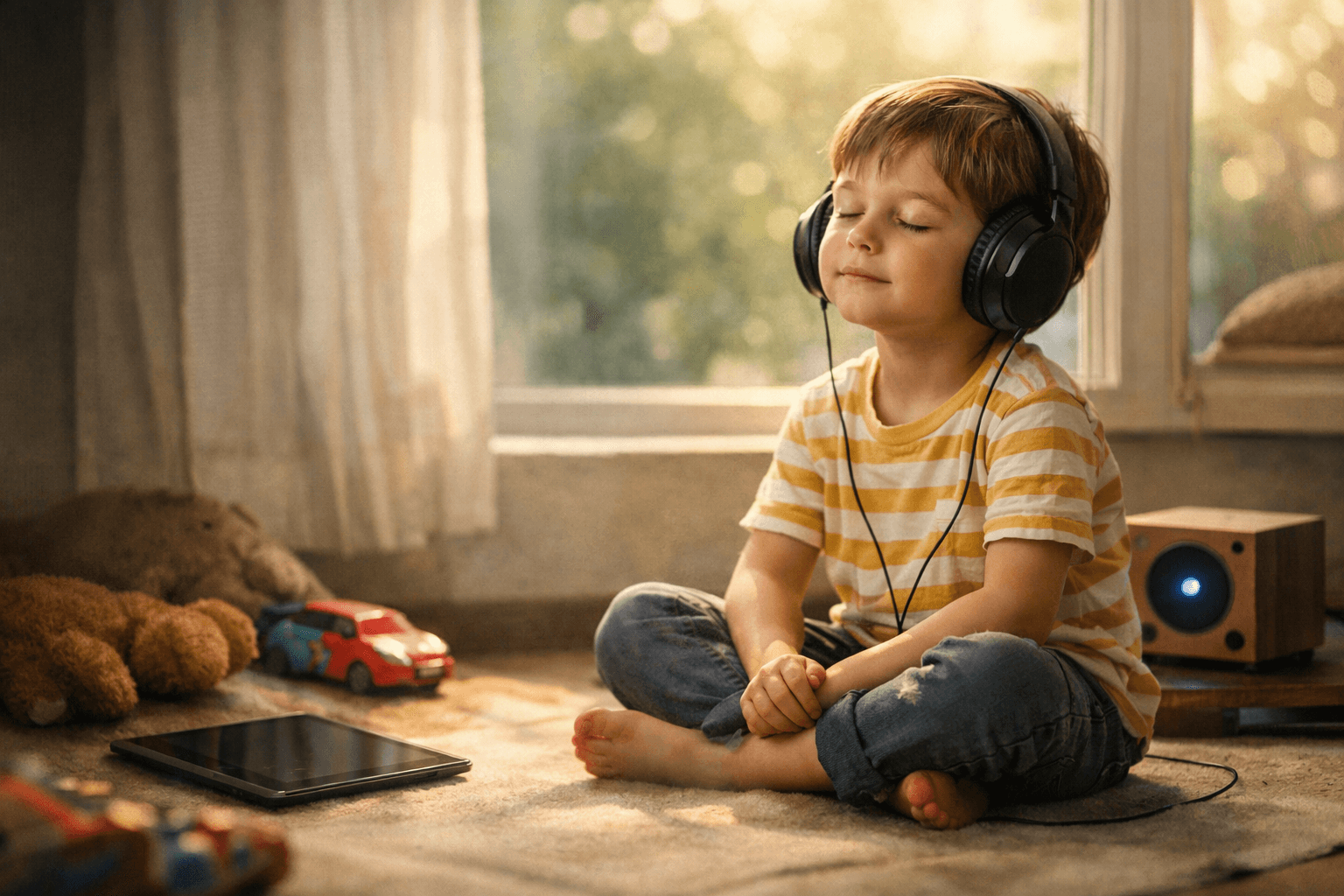 Daily habits help kids learn steady progress. Use short sessions, simple singing, and gentle practice. Families in the USA use bedtime music for kids and calming classical music for kids for daily habits.
Parents can track progress using small checklists, stickers, or simple goals. Learning becomes joyful and pressure-free.
The 10-Minute Rule for Children
Just 10 minutes daily builds strong skills.
Fun Practice Techniques That Don’t Feel Like Work
Use games, echo patterns, and challenge rounds.
Parent Involvement: How Much Is Needed?
Offer gentle reminders. Avoid pressure.
Measuring Progress Without Pressuring Kids
Observe comfort, confidence, and stability instead of perfection.
How Can Art Gharana Help in Classical Music for Kids?
Art Gharana supports families in the USA with child-friendly music education for children. Their kids-centered curriculum blends classical music for kids with fun activities. They offer structured training from basics to advanced levels.
Students learn Indian ragas for beginners, beginner varnam learning, devotional kritis for kids, and simple classical pieces for kids. Their programs also include guided practice tools like shruti box and rhythmic apps.
Kids-Friendly Classical Music Curriculum
Lessons include sargam for children, talas, ragas, melody training, and vocal exercises.
Teacher Expertise & Child-Centric Methodology
Teachers use playful methods and easy explanations.
US-Time-Zone Friendly Classes for NRI Families
Families in the USA can attend live classes at convenient times.
Interactive Learning Tools (Shruti Box, Tanpura, Rhythmic Apps)
Kids learn raga and tala through friendly tools.
Growing with Classical Music — Long-Term Development Path
Children progress from basics to confident performance.
Growing with Classical Music (Child’s Musical Journey)
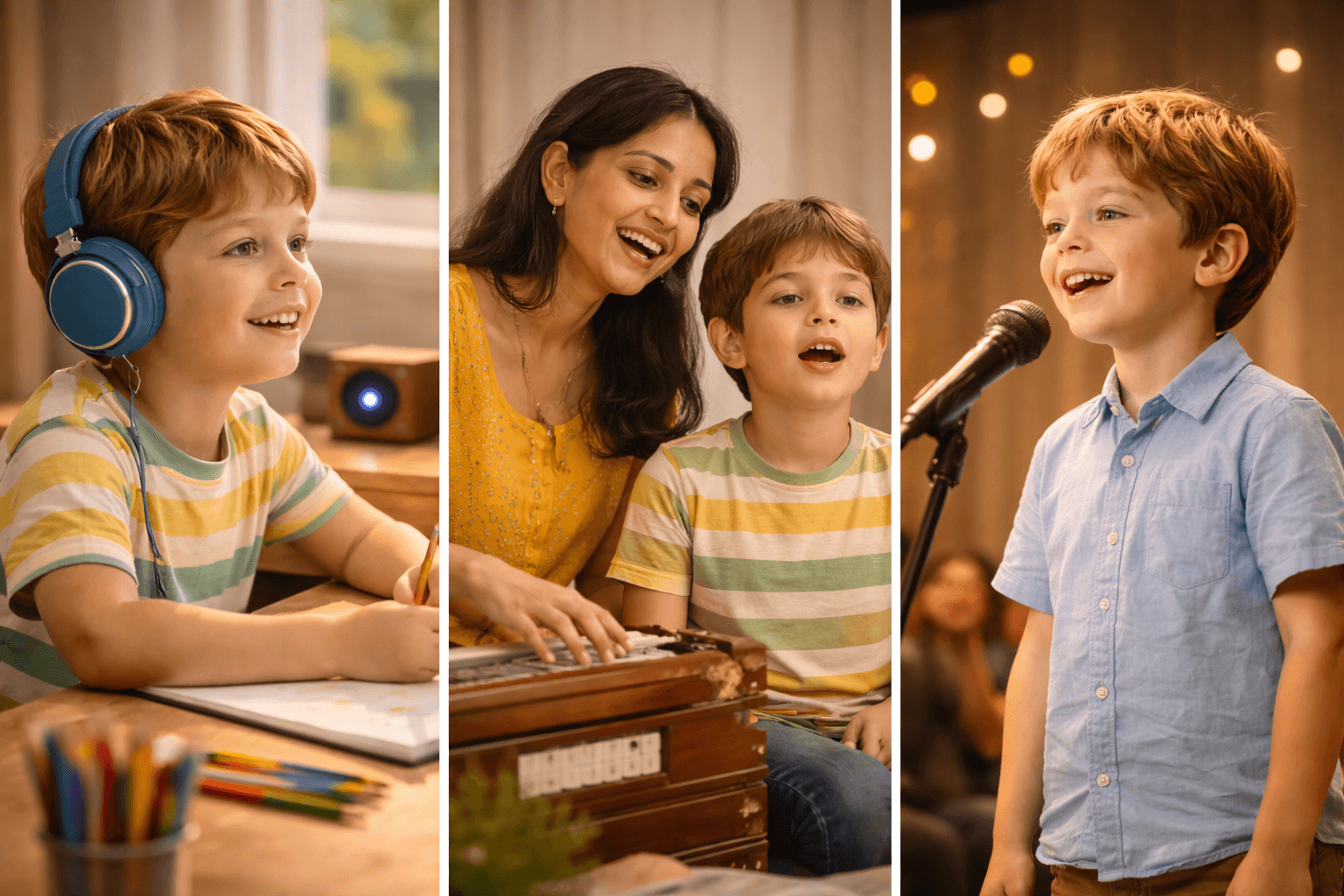
Children grow steadily when exposed to classical music for kids. They start with listening, then singing, and later performing. This journey builds confidence, emotional growth, and creativity.
Music shapes personality by improving emotional awareness, communication, and discipline. Kids develop courage and express themselves better through music education for children.
From Listening to Singing to Performing
Kids begin with simple listening and later join small recitals.
Building Confidence Through Stage Opportunities
Small stages help kids overcome fear.
Personality Development Through Music Learning
Music builds empathy, patience, and emotional strength.
FAQs on Classical Music for Kids
How to introduce classical music to kids?
Start with short playlists, fun stories, and simple rhythm games.
What is raga and melody?
Raga is a mood-based scale. Melody is a tune of notes.
How do I introduce my child to music?
Play music daily and try easy classes at Art Gharana.
What are the key elements of classical music (Indian & Western)?
Pitch, rhythm, tempo, melody, tala, harmony, and tone color.
Why is Art Gharana the best music school for kids?
It offers child-centric teaching, US-time classes, and structured paths.
What is classical music for kids?
It is gentle, structured music that improves focus and emotional balance.
What is the best age for a child to start music lessons?
Ages 4–7 are ideal for beginner music lessons for kids.