ChatGPT
 Google AI
 Grok
 Claude
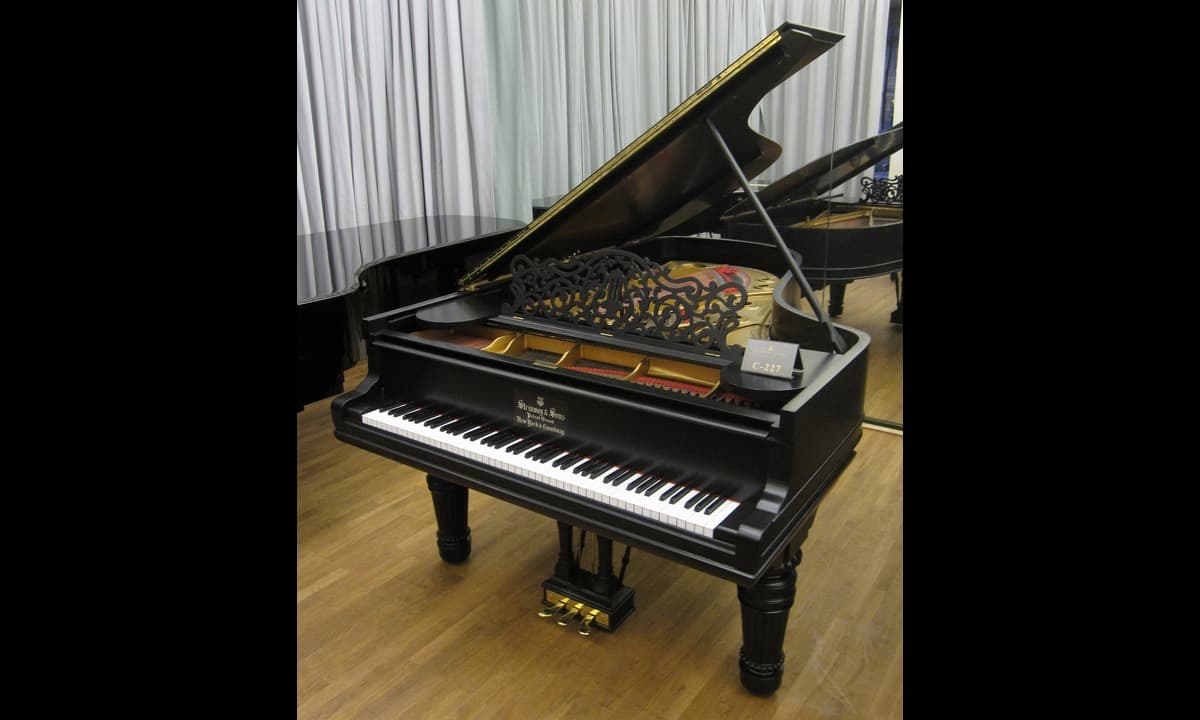
Every parent who has watched their child light up at a piano, strum their first guitar chord, or discover the rhythmic joy of drums knows that feeling. You want to nurture it. You want it to mean something beyond the living room. And if you're searching for music certification courses online that are actually recognised in the UK, you've probably already discovered how confusing the landscape can be. Recognised by whom? Regulated how? Do online certificates even carry weight with schools or universities?
The good news is that yes, they absolutely can. But the difference between a certificate that opens doors and one that gathers digital dust comes down to a handful of things most parents don't know to look for. This guide walks you through everything: which awarding bodies matter, what Ofqual regulation actually means for your child, how online learning stacks up against traditional lessons, and the specific questions you should ask before booking a single trial class.
Why UK Recognition Matters More Than You Think
Let's start with something most music school websites won't tell you upfront. Not all certificates are equal, and "internationally recognised" is a phrase that gets thrown around so liberally it has almost lost meaning. In the UK context, recognition specifically refers to whether a qualification sits on the Regulated Qualifications Framework (RQF), overseen by [Ofqual, the Office of Qualifications and Examinations Regulation](https://www.gov.uk/government/organisations/ofqual). Ofqual is the government body that sets and enforces standards for qualifications in England. If an awarding organisation isn't regulated by Ofqual, its certificates may still be useful, but they don't carry the same institutional weight.Why does this matter for your child? Because graded music qualifications from Ofqual-regulated boards are recognised by schools for extracurricular achievement records, by universities during UCAS applications, and by conservatoires assessing applicants' musical foundations. A Grade 8 from a reputable board isn't just a piece of paper. It's evidence of years of structured, assessed musical development that admissions tutors actually understand. Starting your child on a pathway that leads to a recognised qualification from the very beginning is a far smarter investment than switching boards halfway through.
Beyond UCAS, regulated qualifications are also increasingly used by employers in the creative industries as a baseline measure of musicianship. Music teachers, session musicians, and composers often list their graded qualifications alongside formal degrees. So even if your child's ambitions stop at playing beautifully for personal joy, the discipline and structured progression that regulated courses provide has genuine, lasting value. Think of it like learning to drive: you could pick up most of the skills informally, but the structured test and licence are what make it official and portable.
The Major UK-Recognised Music Awarding Bodies Explained
Four awarding organisations dominate the UK's landscape for graded music qualifications, each with a distinct personality, philosophical approach, and set of strengths. Knowing who they are and what they stand for is the first real step in making an informed choice for your child.ABRSM (Associated Board of the Royal Schools of Music) is the oldest and most traditionally prestigious of the four. Founded in 1889 and backed by the Royal Academy of Music, the Royal College of Music, the Royal Northern College of Music, and the Royal Conservatoire of Scotland, ABRSM is regulated by Ofqual and operates in over 90 countries. Its syllabus leans heavily towards classical tradition. Sight-reading is compulsory from Grade 1, and the technical requirements at every grade are rigorous. For children with classical ambitions, ABRSM is widely considered the gold standard. That said, it's fair to say the repertoire can feel conservative, and the strict structure isn't always the best fit for younger beginners or children who learn better with a more flexible approach.
Trinity College London began offering music examinations in 1877, making it one of the oldest examining bodies in the world. It's now part of the Trinity Laban Conservatory of Music and Dance and operates in over 60 countries, fully regulated by Ofqual. Trinity's defining characteristic is flexibility. At Grades 1 to 5, candidates can choose from aural tests, sight-reading, improvisation, and musical knowledge rather than being locked into a single set of requirements. The repertoire spans classical music, film scores, jazz, and popular genres, making Trinity feel more modern and accessible to children with eclectic tastes. Many music teachers find Trinity's structure particularly good for nurturing musicality and creative thinking alongside technical skills.
Rockschool (RSL Awards) was founded in 1991 with a clear purpose: to give contemporary musicians the same structured qualification pathway that classical musicians had always enjoyed. RSL is regulated by Ofqual, CCEA (Ireland), and SQA (Scotland), and it delivers over 60,000 exams annually across more than 40 countries. Its instrument range includes electric guitar, bass, drums, vocals, piano, keyboard, ukulele, and uniquely, music production. If your child is far more excited by rock, pop, or contemporary music than by Mozart, Rockschool offers a genuine pathway that keeps them engaged while still building rigorous musicianship. Grades 6 to 8 carry UCAS points, which can strengthen a university application.
LCM (London College of Music Examinations) rounds out the main group. LCM is particularly notable for its foundation-level examinations, offering up to three graded steps before Grade 1 and providing early learning exams designed for children aged three to six. For very young beginners, LCM's gentler entry point can be genuinely valuable. Their exams for the youngest students even allow parents to sit quietly in the examination room, reducing the anxiety that often comes with a first formal assessment.
What Ofqual Regulation Actually Means for Online Music Courses
Here's where parents often get tripped up. An online music course can be taught beautifully, professionally, and comprehensively. But the course itself isn't the regulated element. The qualification at the end is what Ofqual regulates. The learning pathway that leads to that qualification can happen anywhere, including entirely online.
Think of it like a GCSE. Schools teach the content, but the awarding body (AQA, Edexcel, OCR) sets and regulates the exam. Music works the same way. Your child can learn with a wonderful online teacher from anywhere in the country, and then sit their ABRSM, Trinity, Rockschool, or LCM exam either at a registered exam centre or, increasingly, through a digital format. The quality of the teaching journey determines how well your child is prepared. The Ofqual-regulated qualification is what formally recognises their achievement.
This distinction matters enormously when you're evaluating online music schools. A provider can legitimately say their students achieve "recognised certifications" if they prepare children for exams with reputable boards. What you want to verify is exactly which board they work with, whether that board is Ofqual-regulated, and whether the teacher is qualified and experienced enough to prepare students to the standard required. Don't be dazzled by marketing language. Ask the specific question: "Which regulated awarding body will my child sit their examination with?"
Ofqual vs Non-Ofqual Providers: A Quick Comparison
Online vs In-Person Music Lessons: What the Research Says
A decade ago, the idea of preparing for a rigorous graded music exam entirely through online lessons would have raised eyebrows. Today, the conversation has completely shifted. Both ABRSM and Trinity College London now offer digital examination formats where students record their performance at home and submit it for assessment. RSL Awards offers live-stream and recorded digital exam options alongside traditional face-to-face formats. The infrastructure for online music education is now fully integrated into the official qualification ecosystem.
Research into online music pedagogy has grown substantially in recent years, particularly following the surge in remote learning between 2020 and 2022. What educators consistently find is that the quality of online music tuition is less about the medium and far more about the frequency of feedback, the consistency of the teacher, and the structure of the curriculum. A child who receives weekly one-to-one video lessons with a qualified, engaged teacher progresses just as well as one attending an in-person lesson, provided the home practice environment is supportive.
For UK families, online music education carries some distinctive advantages. Geography is no longer a barrier. A child in rural Northumberland or the Scottish Highlands can access a specialist teacher in a specific instrument or style that simply wouldn't be available locally. Scheduling is more flexible, which matters enormously for busy families balancing school commitments, sport, and other activities. And the comfort of learning in a familiar home environment often reduces the performance anxiety that many young musicians struggle with.
That said, certain aspects of music education do benefit from physical proximity. Posture correction for string players, breath support guidance for vocalists, and nuanced ensemble work are all areas where a teacher physically present in the room can offer something a video call cannot fully replicate. The best online schools acknowledge this honestly rather than claiming the medium is entirely without limitation.
Key Questions Every Parent Should Ask Before Enrolling
Finding a credible online music school takes more than reading the homepage copy. Before committing to any course, run through this checklist of questions in your initial consultation or trial class.- Which awarding body will my child sit their graded exams with, and is that body regulated by Ofqual?
- What are the qualifications and experience of the teacher assigned to my child?
- How many students has this teacher successfully taken through formal graded examinations?
- Does the school offer structured syllabi aligned to the chosen awarding body, or is it purely exploratory?
- What digital examination formats are available, and will the school guide us through the registration process?
- How does the school handle students who need to repeat a grade or who progress faster than expected?
- Are trial lessons available before committing to a longer-term plan?
The answers to these questions will tell you far more about a school than any marketing material. A reputable provider will answer every one of them confidently and in detail. Vagueness on teacher qualifications or awarding body specifics is a genuine red flag.
Red Flags to Watch For When Choosing an Online Music School
Most parents are rightly focused on finding what's good rather than spotting what's wrong, but a few warning signs are worth knowing. Be cautious of any provider that mentions certification without naming the specific awarding body. Watch out for schools that promise a "certificate upon completion" without clarifying whether that certificate is part of a regulated qualification or simply an internal award. Similarly, any provider that can't tell you clearly how and where the formal examination takes place is worth approaching with caution. An excellent online music school will be transparent about the entire process, from first lesson to exam day, because they're genuinely confident in their preparation.
Understanding the Graded Examination System
The graded system is the backbone of formal music education in the UK, and understanding how it works helps parents set realistic expectations and plan their child's journey intelligently.
Graded music exams typically run from Initial or Debut level through to Grade 8, with Grade 8 representing a very high level of performance and musicianship. The progression is structured deliberately: each grade builds on the technical and theoretical foundations of the previous one. Most Ofqual awarding bodies map their grades to specific RQF levels, which is how UCAS points are calculated. Grades 6, 7, and 8 sit at Level 3 on the RQF (equivalent to A-level standard), which is why they carry UCAS points that count towards university applications.
For most children beginning lessons around age five to eight, reaching Grade 8 is a journey of many years. That's not a discouraging thought; it's a realistic one. The graded system isn't designed to be rushed. Children who progress steadily, spending appropriate time at each grade, develop a far more secure technical and musical foundation than those pushed ahead before they're ready. As the distinguished music educator Nadia Boulanger once said, "A great teacher never strives to explain her vision. She simply invites you to stand beside her and see for yourself." The best graded music pathway does exactly that: it invites gradual, genuine discovery.
How UCAS Points Work With Music Grades
For parents of teenagers, the connection between music certification courses online and university applications deserves its own careful explanation, because it's genuinely significant and frequently misunderstood.
UCAS (Universities and Colleges Admissions Service) assigns tariff points to qualifications recognised at Level 3 on the RQF. For Grades 6, 7, and 8 with ABRSM, Trinity, and RSL Awards, students can earn UCAS points based on the grade they achieve. A Grade 8 with a Distinction from RSL Awards can currently carry up to 30 UCAS points. These points count alongside A-level results in university applications. For competitive degree courses where a handful of points make the difference, a Grade 8 music qualification can be genuinely decisive.
Beyond the points themselves, music grades send a powerful signal to university admissions tutors. Achieving Grade 8 in any instrument demonstrates sustained commitment, the ability to self-manage long-term goals, resilience through challenging assessments, and high-level skill development. These are qualities universities actively seek. In an increasingly crowded application landscape, where many students present similar academic profiles, a music certification at Grade 8 level is a meaningful differentiator. Families who begin planning for this in the early years rather than the sixth form give their children a significant structural advantage.
What to Look for in Online Music Teachers
Even the most beautifully structured curriculum will only be as good as the teacher delivering it. Online music education gives parents an unusual advantage here: you can watch the lesson. That visibility, which in-person education doesn't always offer, lets you assess not just what is being taught but how.
A strong online music teacher for children combines musical expertise with genuine pedagogical skill. These aren't always the same thing. A brilliant performer doesn't automatically translate into a brilliant teacher, particularly with young learners who need patience, creative explanation, and a sensitivity to emotional responses like frustration or self-doubt. Look for teachers who explain concepts in multiple ways when a child doesn't immediately understand, who celebrate incremental progress, and who make lessons feel engaging rather than transactional.
For families pursuing formal graded qualifications, teachers should ideally hold a recognised teaching qualification such as a diploma from ABRSM (DipABRSM), Trinity (ATCL or LTCL), or an equivalent postgraduate teaching credential. These aren't always mandatory, and many excellent teachers are highly qualified performers rather than diploma holders. But the existence of a formal teaching credential indicates that the teacher has been assessed on their pedagogical approach, not just their performance ability. At Art Gharana, teachers bring both performance experience and teaching credentials, which gives parents genuine confidence in the quality of instruction their child receives.
Choosing the Right Instrument and Style for Your Child
One of the most consequential decisions in a child's musical journey is often made with the least information. Parents tend to default to instruments they already know, piano being the most common choice, which is a perfectly fine starting point. But the instrument that genuinely excites your child is the one they'll practise without being nagged, return to after a bad week, and carry forward into adulthood.The four main awarding bodies between them cover an impressive range of instruments and styles. If your child is drawn to contemporary music, Rockschool offers graded qualifications for electric guitar, bass guitar, drums, piano, vocals, keyboard, and even music production, an option that speaks directly to children who love creating and manipulating sound as much as performing. Trinity College London's flexible and eclectic repertoire makes it particularly good for children who enjoy mixing genres. ABRSM's classical grounding suits children who love the discipline and heritage of orchestral instruments. Exploring the online music courses available at Art Gharana gives you a clear sense of the range of instruments available and how online learning can be matched to your child's specific enthusiasms.
Consider starting with a trial period of several weeks before committing to a full syllabus. Let your child experience the instrument and the teacher together before formalising the relationship. The best schools make this easy, and the conversation at the end of the trial period should be about how your child feels, not just what they've technically covered.
The Role of Theory in Music Certification
Music theory is the element that many children (and some parents) dread, but understanding its role in certification pathways is important. Theory isn't an obstacle; it's the framework that allows everything else to make sense.
For ABRSM, a pass at Grade 5 Theory is a prerequisite for practical exams at Grades 6, 7, and 8. This means theory isn't optional for children with serious musical ambitions; it's an integral part of the pathway. Trinity College London integrates composition and musical knowledge questions into practical exams from the early grades, making theory feel less like a separate hurdle and more like a continuous thread. RSL Awards includes music theory as a standalone graded qualification in its own right, and theory grades at Level 3 also carry UCAS points.
Online music schools that include structured theory teaching alongside practical instrument tuition are, in this sense, offering a more complete service than those that treat the two as entirely separate. Theory knowledge deepens a child's relationship with the music they play, helps them learn new pieces faster, and gives them the analytical tools to understand why something sounds the way it does. Parents often find that once theory is taught well, through games, ear training, and real musical examples rather than dry notation exercises, children actually enjoy it.
About Art Gharana
Art Gharana is a vibrant online arts academy bringing together expert teachers and passionate students across music, dance, and the performing arts. Designed to serve learners of all ages and experience levels, Art Gharana offers structured courses in a wide range of instruments and styles, from piano and guitar to violin and western vocal, all delivered through flexible, high-quality online lessons. For UK families exploring recognised music certification pathways for their children, Art Gharana provides not just exceptional teaching but a warm, encouraging community where musical growth genuinely thrives. Book a trial class today and see the difference a truly dedicated arts academy makes.
Frequently Asked Questions
1. Are online music certificates recognised in the UK?
Yes, provided the certificate is issued by an Ofqual-regulated awarding body such as ABRSM, Trinity College London, or RSL Awards (Rockschool). The learning can take place online, but the formal graded examination is what carries official UK recognition. Always verify which awarding body an online music school works with before enrolling.
2. Which is better for children: ABRSM or Trinity College London?
Both are excellent and Ofqual-regulated. ABRSM tends to suit children pursuing classical music who thrive with structured, rigorous requirements. Trinity College London offers more repertoire flexibility and is popular with children who enjoy contemporary styles. Many parents find Trinity's choice-based supporting tests at lower grades reduce exam anxiety, while ABRSM's strict sight-reading requirement from Grade 1 builds strong foundational skills. Your child's personality and musical tastes should guide the choice.
3. Do music grades give UCAS points for university applications?
Yes. Grades 6, 7, and 8 from ABRSM, Trinity College London, and RSL Awards all carry UCAS points as Level 3 qualifications on the Regulated Qualifications Framework. A Grade 8 Distinction from RSL Awards can carry up to 30 UCAS points. These points can meaningfully strengthen a university application alongside A-level results.
4. At what age should my child start working towards a recognised music qualification?
There's no strict minimum age. Many children begin lessons between four and seven, spending the early years on foundational technique and musicality before working towards Initial or Grade 1 examinations at around age seven to nine. What matters more than age is readiness: a child who can focus for thirty minutes, follow structured instruction, and practise daily (even briefly) is ready to begin a qualification pathway.
5. Can my child sit a graded music exam digitally from home?
Yes. ABRSM, Trinity College London, and RSL Awards all offer digital examination formats. ABRSM's Performance Grades allow students to record their performance at home and submit it for assessment. RSL Awards offers both live-stream and recorded digital exam options. These formats are regulated to the same standard as face-to-face exams, and the certificates carry identical recognition.
6. How long does it take to reach Grade 8 from Grade 1?
This varies considerably depending on the child's practice routine, natural aptitude, lesson frequency, and how long they spend consolidating each grade. A commonly cited estimate is one to two years per grade for children practising consistently. That suggests a pathway from Grade 1 to Grade 8 might take between seven and fourteen years, which is why starting early and maintaining steady progress matters so much.
Conclusion
Navigating the world of music certification courses online doesn't have to feel overwhelming. The framework is actually quite logical once you understand it: look for Ofqual-regulated awarding bodies, choose a provider whose teachers are genuinely qualified to prepare students for formal examinations, and match the board's philosophy to your child's personality and musical tastes. Whether you lean towards the classical rigour of ABRSM, the creative flexibility of Trinity College London, or the contemporary energy of Rockschool, the pathway to a recognised music certification online is absolutely open to every child with enthusiasm and the right guidance. Start your child's musical journey on solid foundations today and explore the exceptional courses, expert teachers, and warm community at Art Gharana.