ChatGPT
 Google AI
 Grok
Grok Claude
Think about the last time your workplace genuinely surprised you. Not with a pizza party or a ping-pong table, but with something that made you feel truly seen. That moment is rarer than it should be. Today's corporate world is grappling with a quiet crisis: employees show up physically but check out mentally. The solution isn't another step-count challenge. It's creative wellness — and it's reshaping how smart companies build trust, loyalty, and culture from the inside out.
Why Employee Wellbeing Is the Foundation of Workplace Trust
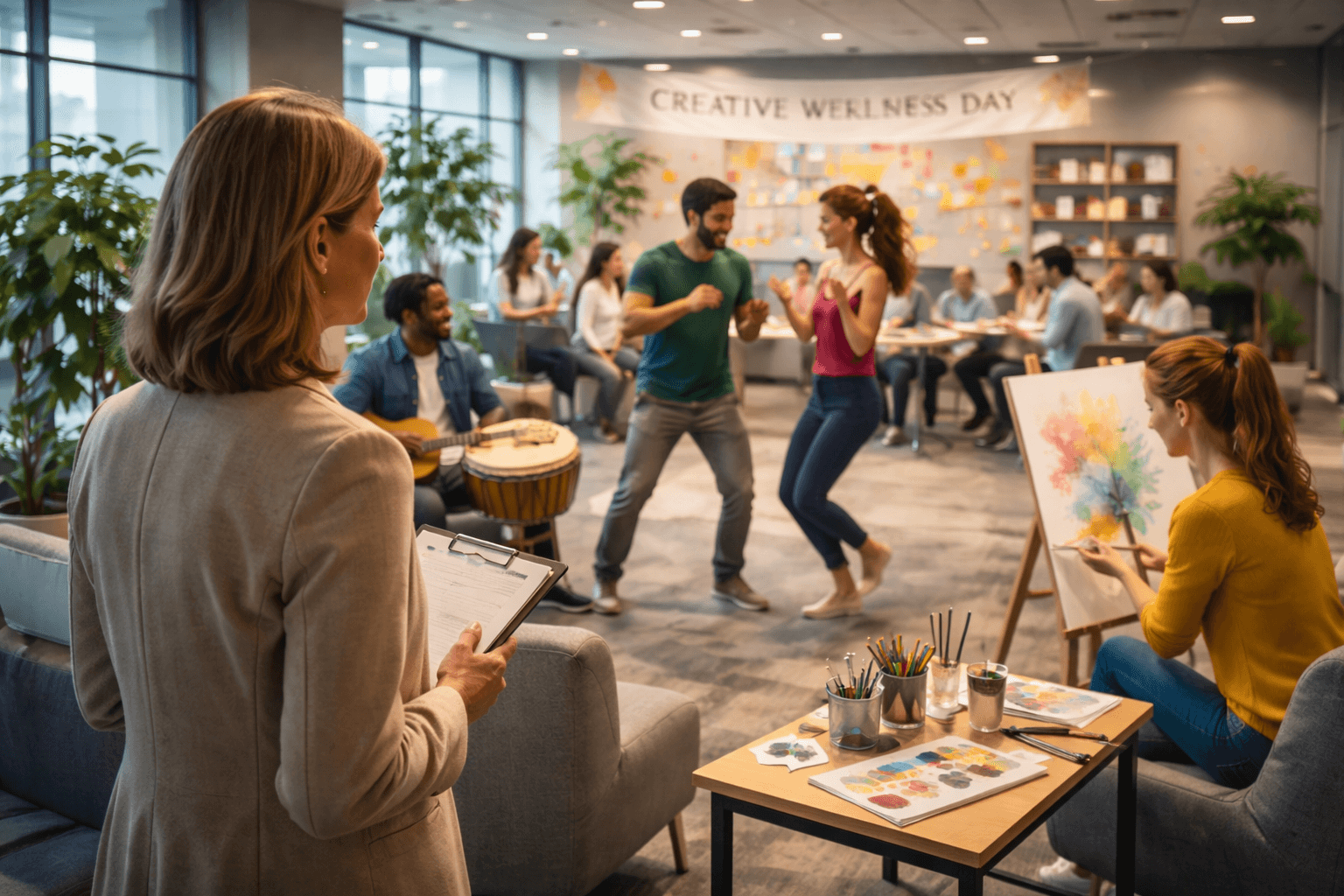 Wellbeing isn't a soft perk anymore. It's the bedrock of employee trust in workplace settings. When companies genuinely invest in their people's health — emotionally, mentally, creatively — those employees show up differently. They collaborate better, stay longer, and defend the company's brand even outside of work. Ignore employee wellbeing and you don't just lose productivity; you erode the psychological contract that holds your workforce together.
The data backs this up. According to Gallup's State of the Global Workplace report, only 23% of employees worldwide are engaged at work. That's not a motivation problem — it's a trust problem. And trust starts with how valued employees actually feel, not just how often leadership says they do.
The Link Between Wellbeing and Employee Trust
Employee wellbeing and employee trust in workplace settings are deeply interconnected. When a company creates structured support for mental health, creativity, and personal growth, employees read it as a signal: 'This organisation actually cares about me.' That signal builds trust faster than any policy document ever could. Companies with high trust scores consistently outperform peers on innovation, retention, and profitability.
Why Employees Feel Undervalued in Modern Workplaces
The workplace has changed dramatically, but many corporate wellbeing initiatives haven't kept pace. Remote work blurred boundaries. Hybrid teams created isolation. Most companies still respond with generic benefits — gym reimbursements, annual health check-ups, or apps nobody opens after day three. Employees notice the gap between what's promised and what's delivered. That gap breeds disengagement and quiet resentment.
The Hidden Cost of Ignoring Employee Wellbeing
Burnout costs the global economy an estimated $322 billion annually in turnover and lost productivity, per the American Institute of Stress. The hidden costs run deeper too: absenteeism spikes, creativity flatlines, and top performers quietly start updating their CVs. Workforce wellbeing isn't a nice-to-have; ignoring it is a strategic liability that compounds quarter over quarter.
The Shift from Work-Life Balance to Work-Life Integration
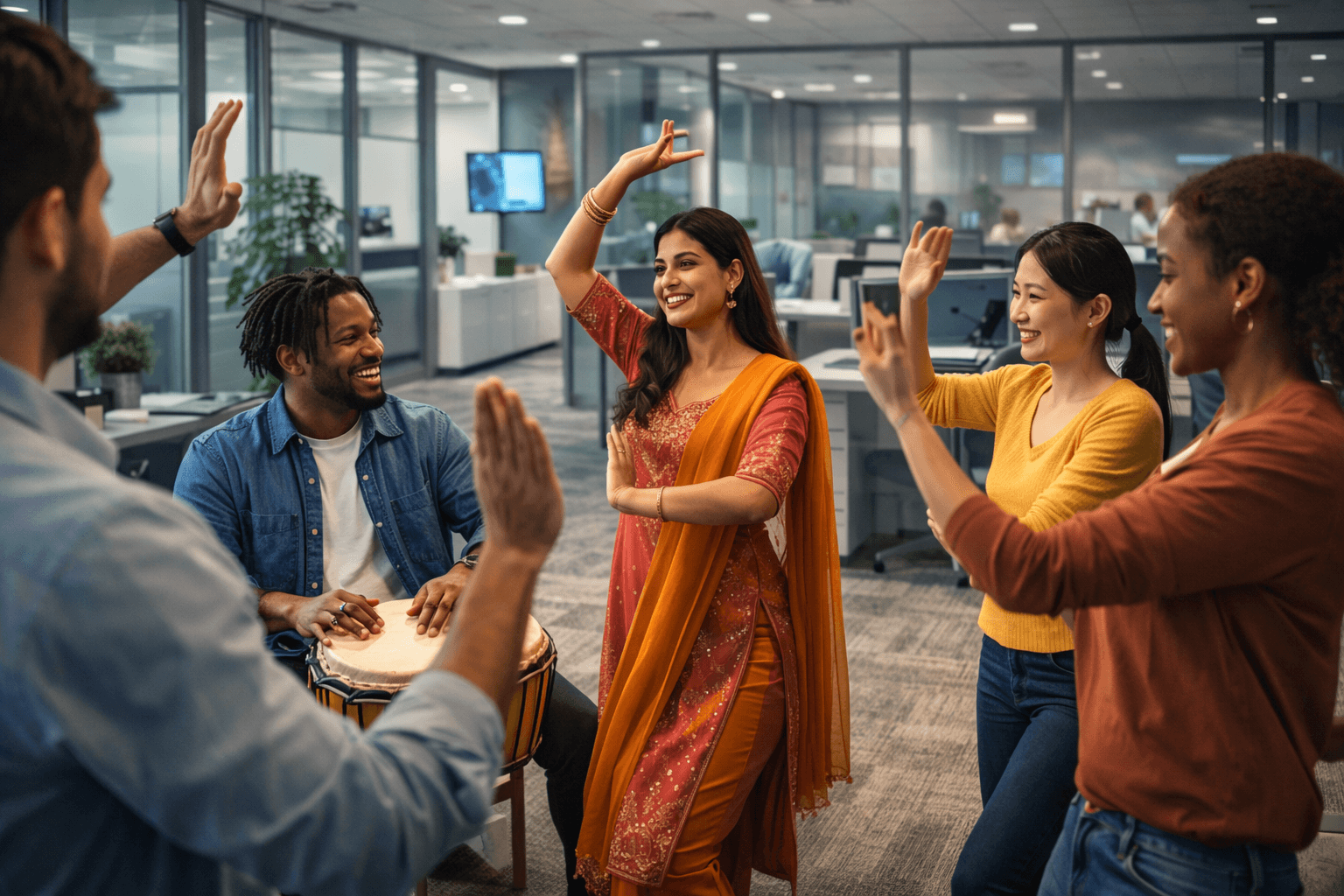 Work-life balance always sounded good in theory. In practice, it asked employees to build an invisible wall between who they are professionally and who they are personally. That wall is crumbling — and rightly so. A new paradigm is replacing it: work-life integration. It doesn't compartmentalise life into neat halves. Instead, it weaves personal fulfilment, creative expression, and professional contribution into a single, fluid experience.
This shift isn't driven by HR strategy alone. It's being demanded — loudly and clearly — by the two largest cohorts in the modern workforce: Millennials and Gen Z. Understanding what they want isn't optional if you want to win the talent war.
What Is Work-Life Integration?
Work-life integration is the philosophy that personal passions and professional responsibilities don't have to live in separate boxes. A developer who takes a Hindustani vocal class at lunch isn't wasting time — they're regulating their nervous system, expressing creativity, and returning to their screen sharper. That's integration working exactly as intended.
Why Millennials and Gen Z Prefer Flexible Work Cultures
Millennials (born 1981-1996) and Gen Z (born 1997-2012) collectively make up over 60% of the global workforce. Their workplace preferences aren't just different — they're reshaping expectations entirely. Understanding those preferences is the first step toward building a culture that attracts and keeps them.
Demand for Meaningful Work Experiences
Gen Z workplace expectations go far beyond salary. Deloitte's 2024 Global Gen Z Survey found that 49% of Gen Z employees say sense of purpose is a top factor when choosing an employer. Creative programs — music, dance, art — give employees experiences that feel meaningful, not transactional.
Need for Creativity and Self-Expression
Millennial workplace preferences consistently highlight the need for spaces where they can express themselves authentically. A dance workshop or a weekly guitar session isn't a luxury — it's a psychological safety valve. Creative expression reduces cortisol, builds confidence, and keeps innovative thinking alive even in high-pressure environments.
Mental Health as a Priority
For younger employees, employee mental health conversations aren't taboo — they're expected. Companies that treat mental health as a genuine priority, not just a checkbox on an annual survey, earn disproportionate loyalty. Creative activities like art therapy and music sessions have peer-reviewed evidence supporting their mental health benefits.
Traditional Approach (Balance)
The balance model treats work and life as opposing forces on a scale. It offered predictability but missed the reality that most people's best ideas — and their worst stress — don't follow a schedule. The model was built for an industrial economy, not a knowledge economy.
Modern Approach (Integration)
Integration acknowledges that you can't switch off who you are. It creates structures where personal growth, creative engagement, and professional development coexist. Companies that master integration don't just retain employees — they build advocates who genuinely champion the organisation.
Benefits of Work-Life Integration in the Workplace
The organisational payoff from genuine integration is substantial and measurable across three critical dimensions.
Improved Employee Satisfaction
When employees feel their whole selves are welcomed at work — including their artistic curiosity or love of music — employee satisfaction scores climb noticeably. It signals respect, not just tolerance. And respected employees don't look for the exit.
Increased Productivity
Counterintuitive as it sounds, giving employees time for creative activities during the workday actually increases workplace productivity improvement metrics. Brief creative breaks restore focus, reduce decision fatigue, and re-energise teams for deep work sessions.
Better Team Collaboration
Shared creative experiences — like learning Bollywood dance or a group drumming session — break down hierarchical barriers. When a manager and a junior analyst both fumble through a new dance step, something shifts. They stop being roles and start being people. That human connection powers better collaboration long after the session ends.
Challenges Companies Face While Adopting It
Integration isn't friction-free. Leaders worry about blurred boundaries creating 'always-on' cultures. Managers trained in output-monitoring struggle to trust flexible models. And budgets for novel wellness programs face scrutiny from finance teams. These challenges are real — but solvable with the right partner, clear program structure, and outcome data.
Why Traditional Wellness Programs Are No Longer Enough
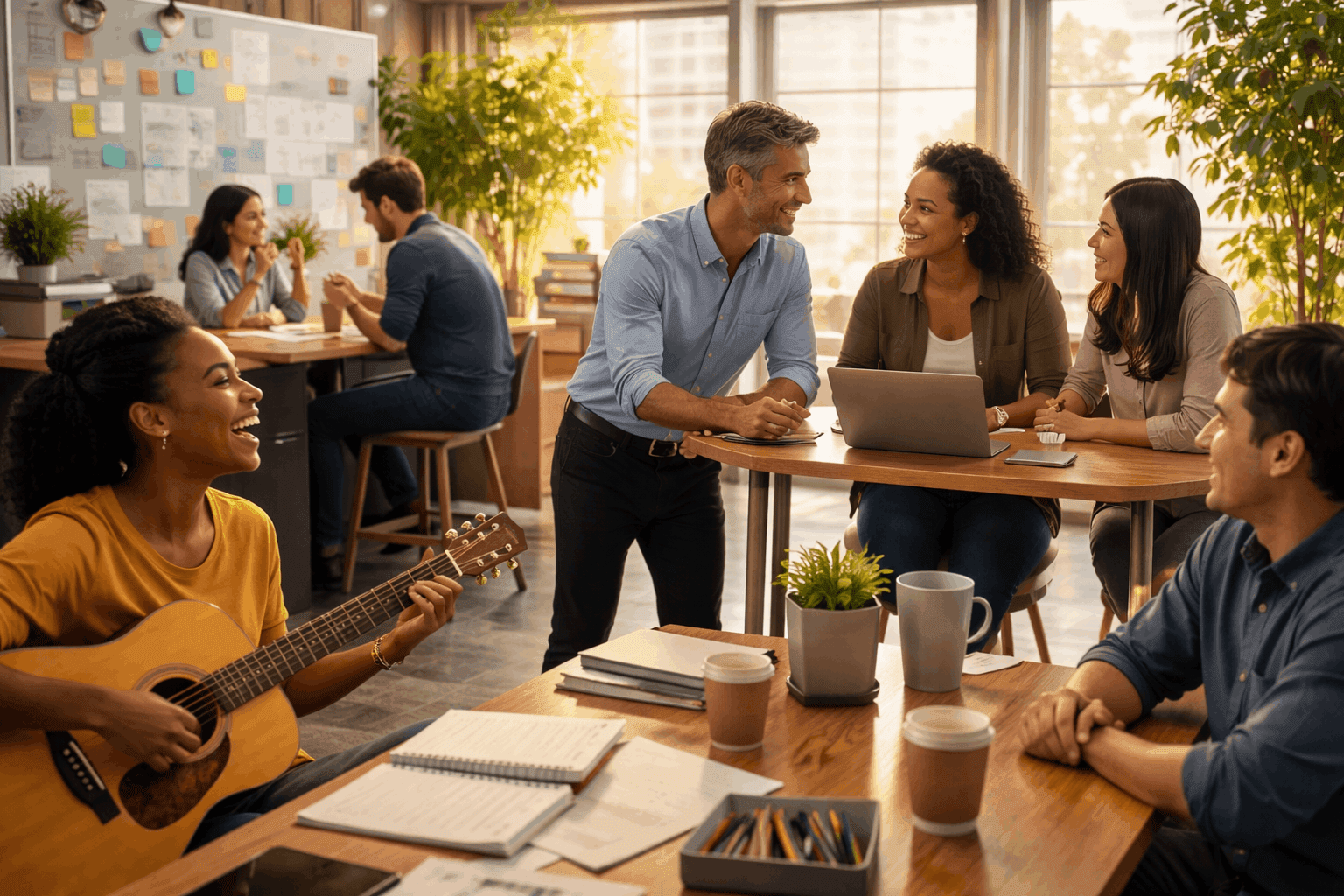 Most HR wellness programs were built for a different era. They assumed the primary health risk to employees was physical — sedentary lifestyle, poor diet, lack of exercise. So they built solutions accordingly: gym memberships, step challenges, nutrition webinars. These tools aren't wrong; they're just radically incomplete for the emotional and psychological toll that modern work takes.
The pandemic accelerated this gap. Remote work, isolation, constant digital noise, and existential uncertainty pushed mental health to the forefront. Yet many workplace wellness programs still lead with physical fitness and bolt on a meditation app as an afterthought. Employees see through it quickly.
Limitations of Fitness-Only Wellness Programs
Fitness-first programs address the body but neglect the mind, the emotions, and the creative spirit. A treadmill doesn't process grief. A step count doesn't help someone articulate their anxiety. Physical wellness is one dimension of a multi-dimensional human being — treating it as the whole solution is both incomplete and increasingly ineffective at driving genuine engagement.
Why Passive Wellness (Apps & Meditation) Fails Engagement
Meditation apps see massive download numbers and catastrophic drop-off rates. Calm and Headspace report that fewer than 10% of users maintain consistent daily use after the first month. Passive wellness tools work for self-motivated individuals — but in corporate settings, they don't create the shared experience that builds team cohesion. An app simply can't replicate the feeling of creating something together.
The Need for Interactive and Experiential Wellness
Experiential wellness — live, interactive, participatory — is where genuine transformation happens. When someone picks up a ukulele for the first time in a corporate session and manages to play a melody, something lights up neurologically and emotionally. That moment of small mastery is more powerful than three months of app reminders. Workplace engagement ideas that involve doing, creating, and sharing together are the ones that actually move the needle.
Introducing Creative Wellness: The Future of Workplace Wellbeing
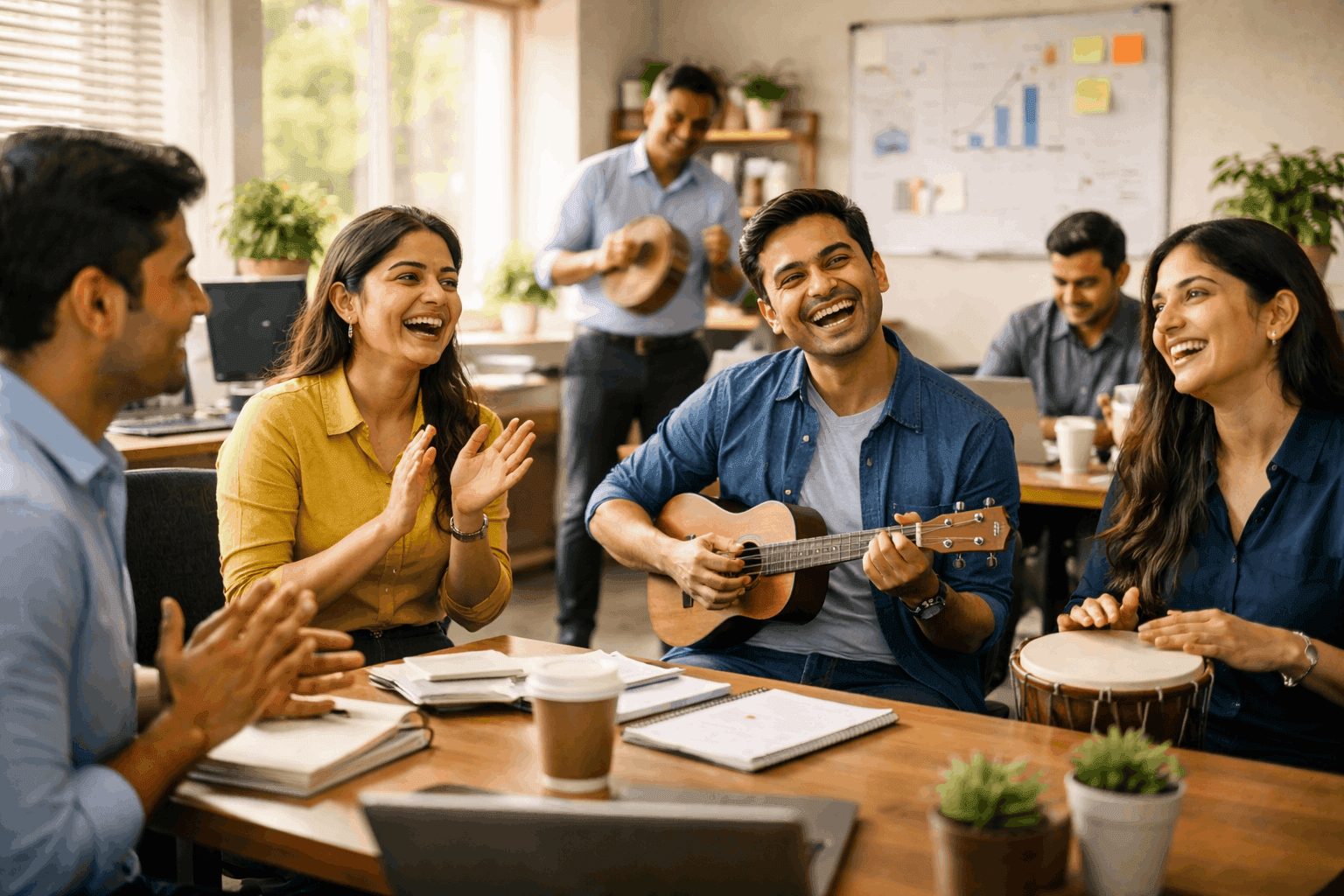 Creative wellness is the deliberate integration of artistic and expressive activities — music, dance, visual art, and cultural practices — into employee wellbeing programs. It goes beyond physical health and mental health apps to address something deeper: the human need to create, express, and connect through art. This is the frontier of corporate wellbeing initiatives, and forward-thinking companies are already staking their claim.
Platforms like Art Gharana Corporate are pioneering this space — offering organisations live 1:1 music, dance, and art classes delivered by credentialed instructors, purpose-built for employee wellbeing. Employees choose their art form, get matched with an expert teacher, and attend structured sessions that fit around their work schedules.
What Is Creative Wellness?
Creative wellness is the practice of using artistic expression as a structured, evidence-based tool for emotional regulation, stress reduction, and community building in professional settings. It's not about making employees into artists — it's about using the act of creating to access states of mind that conventional wellness programs can't reach. Flow states. Playfulness. Shared joy. Genuine human connection.
Why Music, Dance, and Art Are Powerful Tools
These three art forms aren't arbitrary choices. Each one activates different neurological pathways and addresses distinct aspects of employee wellbeing. Together, they form a holistic creative wellness ecosystem that addresses the whole employee.
Music and Stress Reduction (Cortisol & Mood Benefits)
Research published in Psychoneuroendocrinology confirms that active music-making — singing, playing an instrument — significantly reduces cortisol levels, the body's primary stress hormone. A University of Gothenburg study found that music therapy sessions reduced reported burnout symptoms by 27% in a 12-week corporate pilot. Learning guitar, tabla, or piano isn't just enjoyable — it's physiologically restorative.
Dance and Energy Activation
Dance is kinesthetic medicine. It combines physical movement, rhythmic pattern recognition, and social interaction in a single activity. Corporate dance workshops — whether Bollywood, Kathak, or contemporary — trigger dopamine and serotonin release, activate mirror neurons that build empathy, and create shared reference points that strengthen team bonds. Employees who dance together communicate better. That's not metaphor; it's neuroscience.
Art Therapy and Emotional Expression
Visual art therapy gives employees a non-verbal channel for emotions that words can't capture. Clinically used for decades to treat PTSD, anxiety, and depression, structured art workshops in corporate settings help employees process workplace stress, build self-awareness, and develop emotional resilience — all without the stigma that can still attach to 'therapy' in professional environments.
How Creative Wellness Builds Emotional Connection in Teams
Creative activities strip away job titles. When your CFO and your newest hire are both learning to keep a beat on a tabla, rank becomes irrelevant. What matters is the shared human experience of learning, fumbling, laughing, and improving together. These moments of authentic connection are the raw material of psychological safety — the single most important predictor of high-performing teams, per Google's Project Aristotle research.
The Science Behind Creative Wellness and Employee Productivity
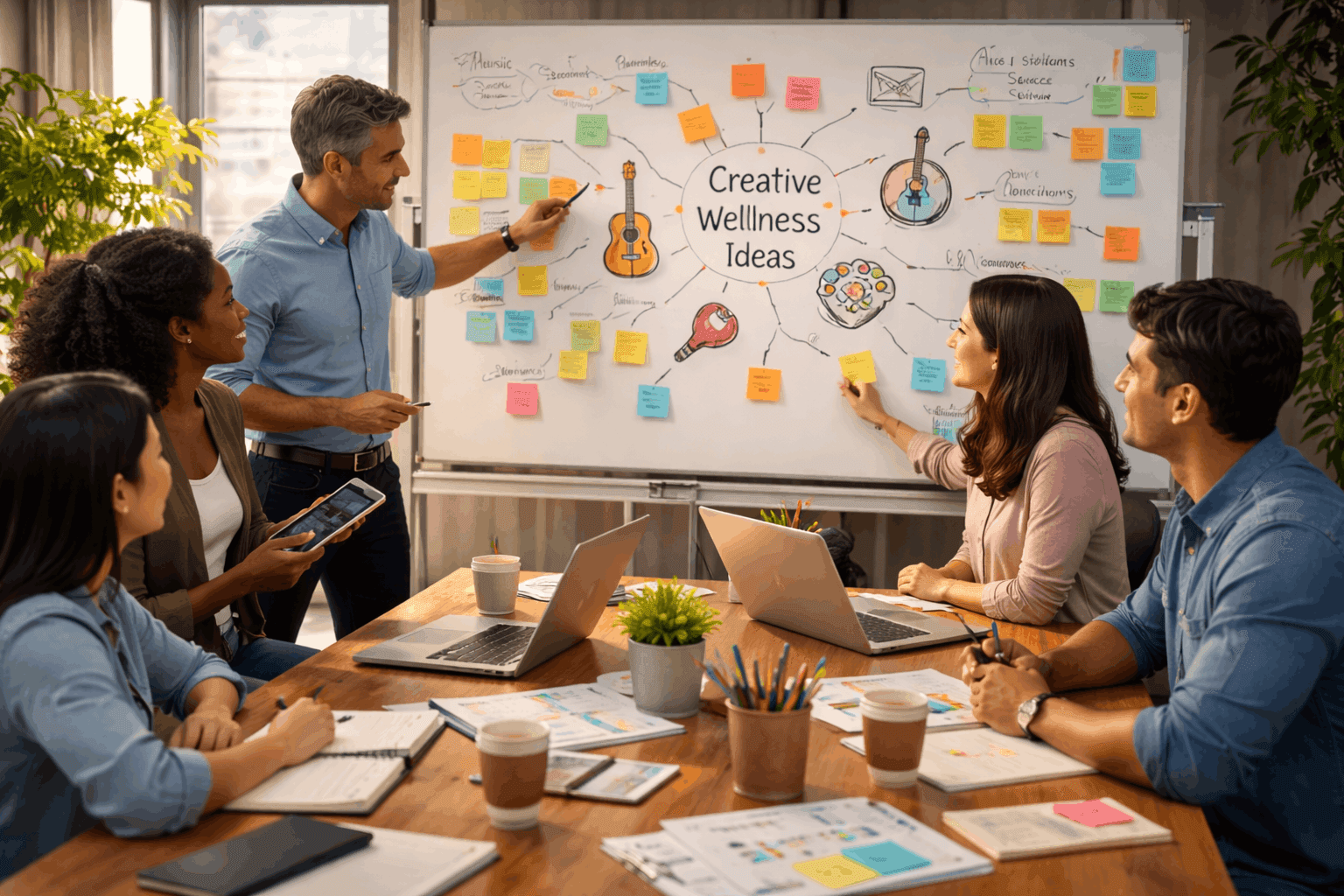 Creative wellness isn't a hunch — it's increasingly well-supported by neuroscience, psychology, and organisational behaviour research. The link between artistic engagement and workplace productivity improvement is measurable, replicable, and growing stronger as the research base expands.
Harvard Business Review published a 2023 analysis showing that companies investing in creative employee programs saw 21% higher profitability compared to peers. When you understand the mechanisms behind creative wellness, the productivity link becomes obvious.
How Music Therapy Improves Mental Health at Work
Active music participation engages the prefrontal cortex, the limbic system, and the motor cortex simultaneously. This whole-brain activation improves focus, emotional regulation, and memory consolidation. For knowledge workers dealing with cognitive overload, a weekly 30-minute music session acts as a neurological reset — helping employees return to complex tasks with renewed clarity and reduced anxiety.
The Role of Creativity in Reducing Burnout
Burnout occurs when chronic stress exceeds an individual's capacity to recover. Creative activities accelerate recovery by inducing flow states — those absorbed, timeless moments of peak focus that psychologist Mihaly Csikszentmihalyi identified as among the most restorative human experiences. Employees who regularly access flow through creative practice report significantly lower burnout rates and higher workplace happiness scores.
How Creative Activities Improve Focus and Innovation
The brain's default mode network — active during creative daydreaming and artistic engagement — is also the source of insight and innovative thinking. Adobe's State of Creativity report found that employees who engage in regular creative activities are 3.5x more likely to generate innovative solutions to work problems. Giving employees structured creative time isn't wasting resources — it's cultivating the mental environment where breakthroughs emerge.
Beyond Band-Aid Solutions: Building Sustainable Workplace Trust
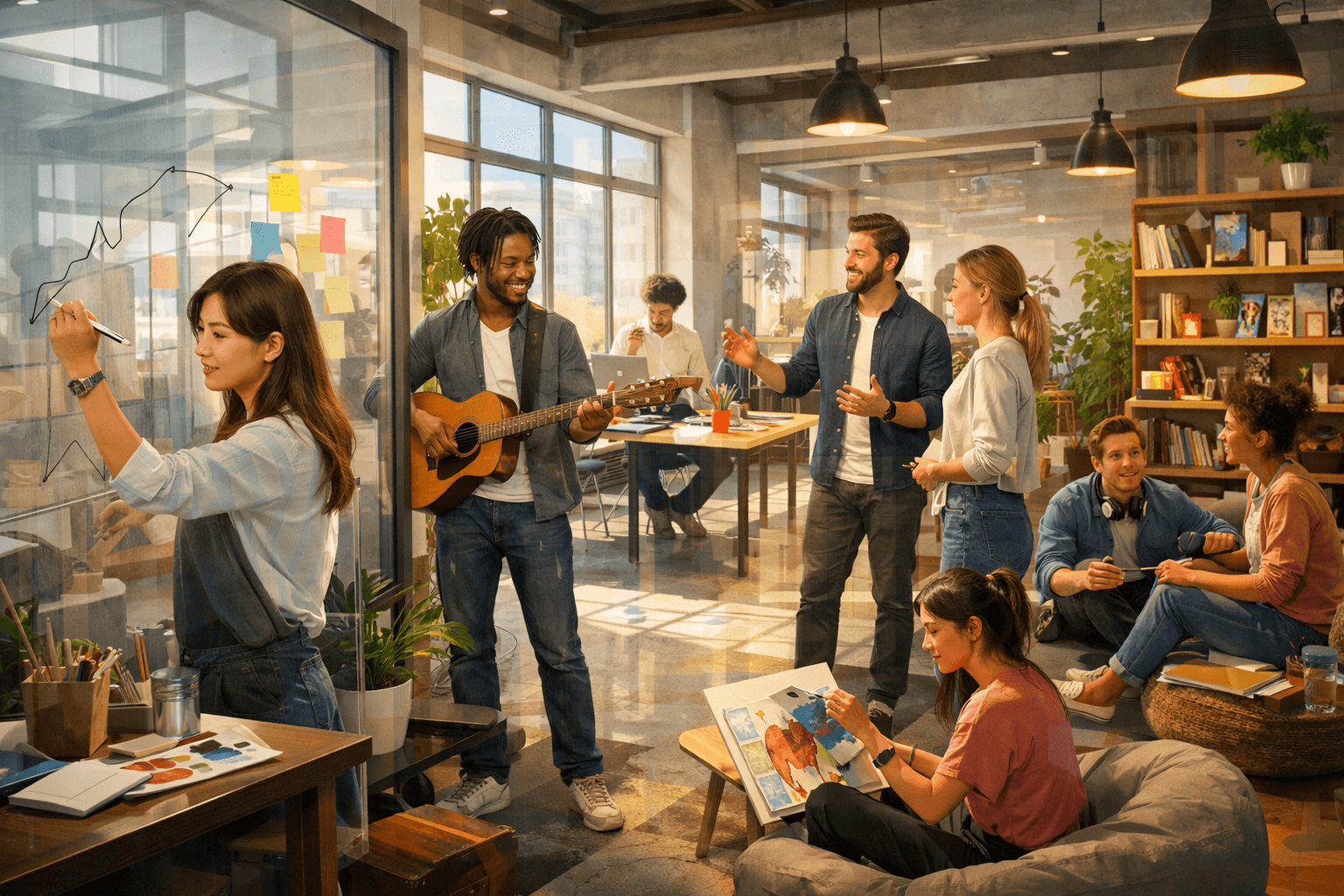 Many organisations respond to engagement crises with one-off events — a team lunch, a company retreat, a motivational speaker. These gestures aren't harmful. But they're fundamentally band-aids on a structural wound. Real trust requires consistent, genuine investment over time — not event-based interventions that employees cynically predict and immediately forget.
The organisations winning the talent war in 2025 understand this. They're building infrastructure for ongoing wellbeing and creative engagement, not just scheduling quarterly morale-boosters. The difference in outcomes is stark and measurable.
Employee Burnout and Its Long-Term Impact
The WHO classified burnout as an occupational phenomenon in 2019. Since then, reported rates have only climbed. Deloitte's 2024 Workplace Burnout Survey found that 77% of employees have experienced burnout at their current job. Teams with high burnout see 40% more quality defects, 70% higher absenteeism, and turnover costs averaging 50-200% of an employee's annual salary.
Retention Challenges in Modern Organizations
Employee retention strategies have become the single most important HR priority of the decade. The Great Resignation demonstrated that employees aren't afraid to leave — even without another job lined up. In competitive markets, retention depends on one thing above all else: whether employees feel the company genuinely invests in their growth and wellbeing. Creative wellness programs signal exactly that investment.
The Engagement Crisis in Remote and Hybrid Teams
Remote and hybrid teams face a unique challenge: building workplace culture without a shared physical space. Digital-first communication is efficient but emotionally thin. Creative wellness programs — live virtual music lessons, group dance sessions, online art workshops — fill this gap deliberately, creating synchronous shared experiences that build the emotional fabric remote teams desperately need.
The Foundation of Employee Wellbeing: Trust
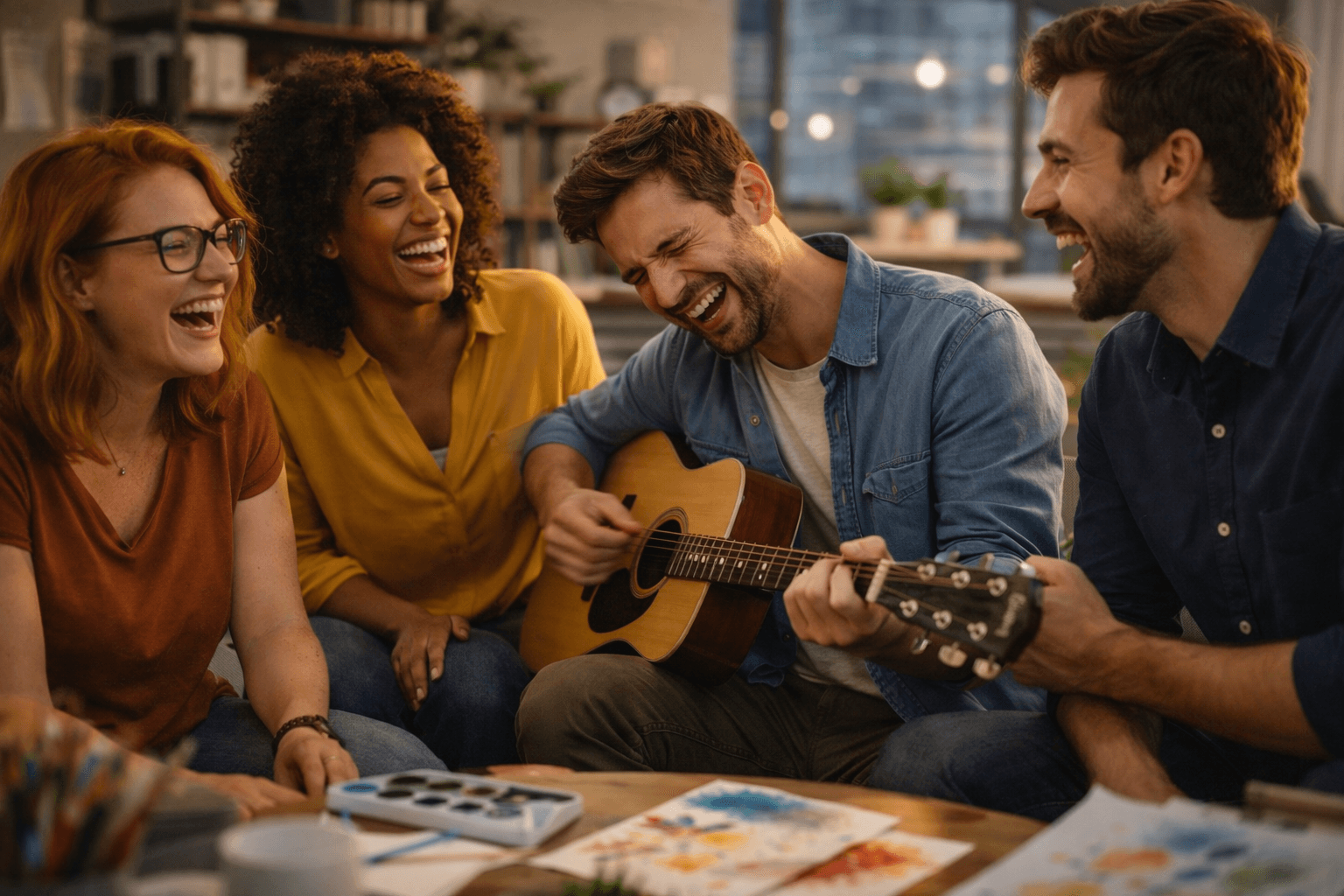 Strip away all the complexity of organisational culture and you arrive at a single foundational element: trust. Employees who trust their employers work harder, stay longer, and advocate more loudly. Employers who trust their employees see higher autonomy, creativity, and accountability in return. Trust is the currency of high-performing cultures — and employee wellbeing programs are one of the most powerful ways to earn it.
Building that trust requires more than policy statements. It demands visible, consistent action demonstrating that the company values its people as whole human beings — not just as productive units to be optimised.
Why Trust Drives Workplace Culture
Trust-based workplace culture is the soil in which everything else grows: collaboration, innovation, psychological safety, and loyalty. The Great Place to Work Institute's research across 10,000 organisations found that high-trust companies outperform low-trust peers by a factor of 3x on total returns to shareholders. Trust isn't soft — it's a hard financial strategy.
How Wellbeing Initiatives Influence Trust
When an organisation launches a genuine creative wellness program — not a mandatory HR tick-box, but a thoughtfully designed, employee-first experience — it sends a powerful signal. It says: 'We invest in you beyond your output. We see your humanity.' That message, repeated consistently through ongoing programs, builds the kind of trust that survives difficult quarters and leadership changes.
The Role of Leadership in Building Trust
Ethical leadership practices are inseparable from trust-building. Leaders who participate visibly in wellness programs — joining a guitar lesson alongside their team, or attending a virtual art session — demonstrate authenticity. They signal that creative wellness is organisational culture, not just an HR initiative. Transparent communication at work, genuine inclusivity, and leader participation create the conditions where trust compounds over time.
##@ A 3-Level Framework for Building Trust Through Wellness
Trust doesn't emerge from a single program launch or a new benefits page. It builds in layers — from the visible policies employees see, through the cultural values they experience daily, down to the deeply personal psychological perceptions that determine how safe they feel. Each layer matters. And creative wellness programs can activate all three simultaneously.
The framework below gives HR leaders a structured model for diagnosing where trust is strong and where it needs investment — so resources go where they create the most impact.
Trust at the Visible Level (Policies & Benefits)
The most accessible layer of trust is the one employees can see and point to: formal policies, documented benefits, communicated programs. This is where organisations make promises — and the quality of those promises sets the initial expectation employees carry into every workday.
Wellness Programs Offered
The range and quality of wellness programs offered signals how serious an organisation is about employee wellbeing. A company offering live, 1:1 creative wellness sessions — music classes, dance workshops, art therapy — communicates a very different level of commitment than one offering a discounted gym membership. Specificity and quality matter enormously to employees evaluating whether to trust a prospective employer.
Communication Transparency
Transparent communication at work about wellness offerings — how to access them, who qualifies, what the investment is — builds initial trust measurably. Ambiguity erodes it. When employees feel they have to navigate bureaucracy to access a stated benefit, the benefit itself becomes a source of frustration rather than genuine goodwill.
Trust at the Cultural Level (Values & Behaviors)
Culture is what happens when no one is watching. It's the daily patterns of behaviour that either reinforce or undermine the promises made at the visible level. An inclusive workplace environment can't exist on paper alone — it must be lived, modelled, and reinforced through every interaction across the organisation.
Leadership Alignment
Leadership and employee trust are directly correlated. When leaders visibly participate in wellness programs, prioritise team wellbeing in decisions, and talk openly about mental health, they legitimise those values for the entire organisation. Leadership alignment transforms programs from HR initiatives into genuine cultural pillars that sustain themselves.
Inclusive Work Culture
Creative wellness programs, when designed thoughtfully, are inherently inclusive. Music, dance, and art transcend language barriers, cultural differences, and physical ability levels. A Carnatic vocal session is as accessible to a first-generation Indian immigrant as it is to a lifelong American curious about world music. An inclusive workplace environment grows organically when the activities themselves welcome everyone.
Trust at the Psychological Level (Employee Perception)
The deepest layer of trust is the most personal: how an individual employee actually feels. No policy or cultural norm guarantees this — it's earned through accumulated experience. Building trust in organizations at this level requires intentional attention to three core psychological needs that every employee carries.
Feeling Valued
Employees who feel valued don't just stay — they perform at a genuinely higher level. Creative wellness programs, when personalised (like 1:1 music lessons matched to an employee's chosen instrument and pace), communicate value in a direct, tangible way. The employee experiences: 'This company invested specifically in my growth, not just in a generic program.'
Emotional Safety
Emotional safety means employees can express ideas, make mistakes, and show vulnerability without fear of professional consequences. Creative activities normalise imperfection, celebrate effort over output, and create shared experiences of 'beginner's mind.' An employee who has laughed at their own fumbling ukulele chords in front of colleagues is far more likely to risk sharing a wild idea in a meeting.
Sense of Belonging
Belonging is the highest form of employee engagement — feeling that you matter to the group, not just to the company. Cultural arts programs deepen belonging by celebrating the diverse backgrounds employees bring to the workplace. When an Indian classical dance session is part of the company calendar, employees who carry those traditions feel genuinely seen — and colleagues who engage with them for the first time develop real curiosity and connection.
How Creative Wellness Programs Strengthen Workplace Trust
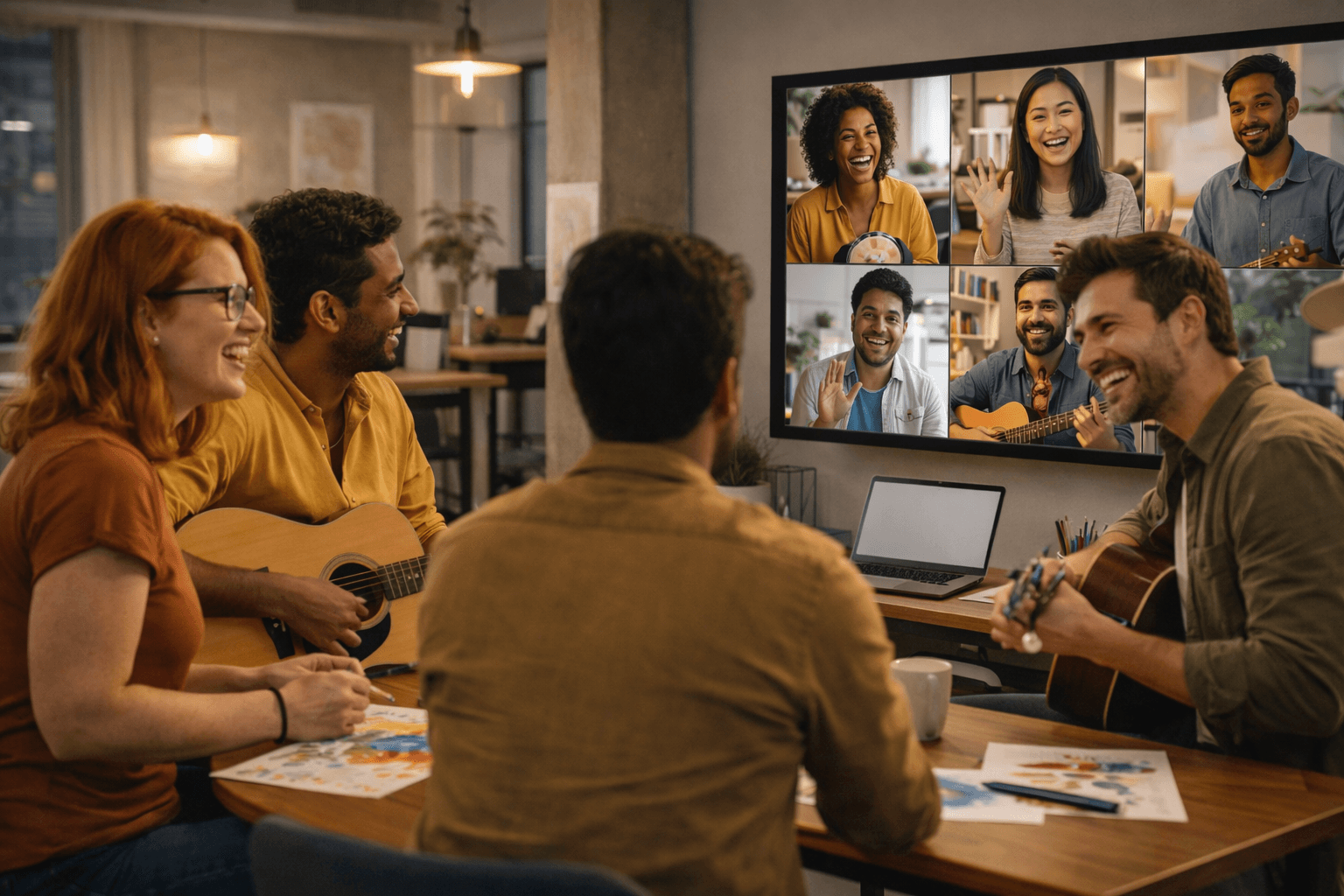 Abstract frameworks become real through concrete programs. Creative wellness translates directly into specific activities that build trust at every level — visible, cultural, and psychological. Each program below maps onto a specific trust-building mechanism, and together they create a comprehensive creative wellness ecosystem.
These programs have been tested in real corporate environments and show consistent, measurable impact on employee engagement and workplace culture metrics. They're not theoretical — they're deployable.
Live Music Sessions for Stress Relief
Live, interactive music sessions — whether group drum circles, individual guitar lessons, or virtual singing classes — activate the parasympathetic nervous system, which counteracts the chronic fight-or-flight state that modern work triggers. Research from the British Journal of Music Education confirms that even brief active music-making reduces perceived stress levels by an average of 36%. When offered as a company benefit, these sessions create immediate, tangible evidence that the organisation cares about employee mental health.
Dance Workshops for Team Bonding
Corporate dance workshops aren't about performance — they're about play. When a team learns Bollywood choreography together, something shifts in their professional dynamic. The shared vulnerability of being a beginner creates trust. The physical synchronisation of moving together builds nonverbal rapport. And the laughter that inevitably erupts is one of the fastest-acting bonding agents known to human neuroscience.
Art Therapy for Emotional Wellbeing
Structured art therapy sessions — guided by qualified instructors, not just 'free drawing time' — give employees a safe container for processing complex emotions that conventional workplace communication doesn't accommodate. Employees dealing with burnout, grief, or chronic stress access relief through the creative process that they might not articulate verbally. Art therapy doesn't require artistic talent; it requires only a willingness to engage.
Cultural Activities That Build Global Team Connection
For organisations with geographically distributed or culturally diverse teams, cultural arts programs are a powerful connector. Exploring Indian classical music or traditional dance forms isn't just interesting — it's an act of cultural curiosity that signals respect and openness across the entire team.
Cross-Cultural Engagement
When an American employee learns the basics of a South Indian raga, or a European team member tries Kathak footwork, they're doing more than having fun. They're building the cross-cultural empathy that makes global teams genuinely effective. Cultural programs create shared reference points across borders that no diversity training module can replicate.
Diversity and Inclusion Through Arts
Arts-based diversity and inclusion programs are more effective than lectures because they operate through experience rather than instruction. An employee who has participated in a Bharatanatyam session doesn't need to be told to respect Indian culture — they've inhabited it, however briefly. That embodied understanding changes how people relate to colleagues from those traditions permanently.
Fostering a Culture of Trust Through Creative Wellbeing Initiatives
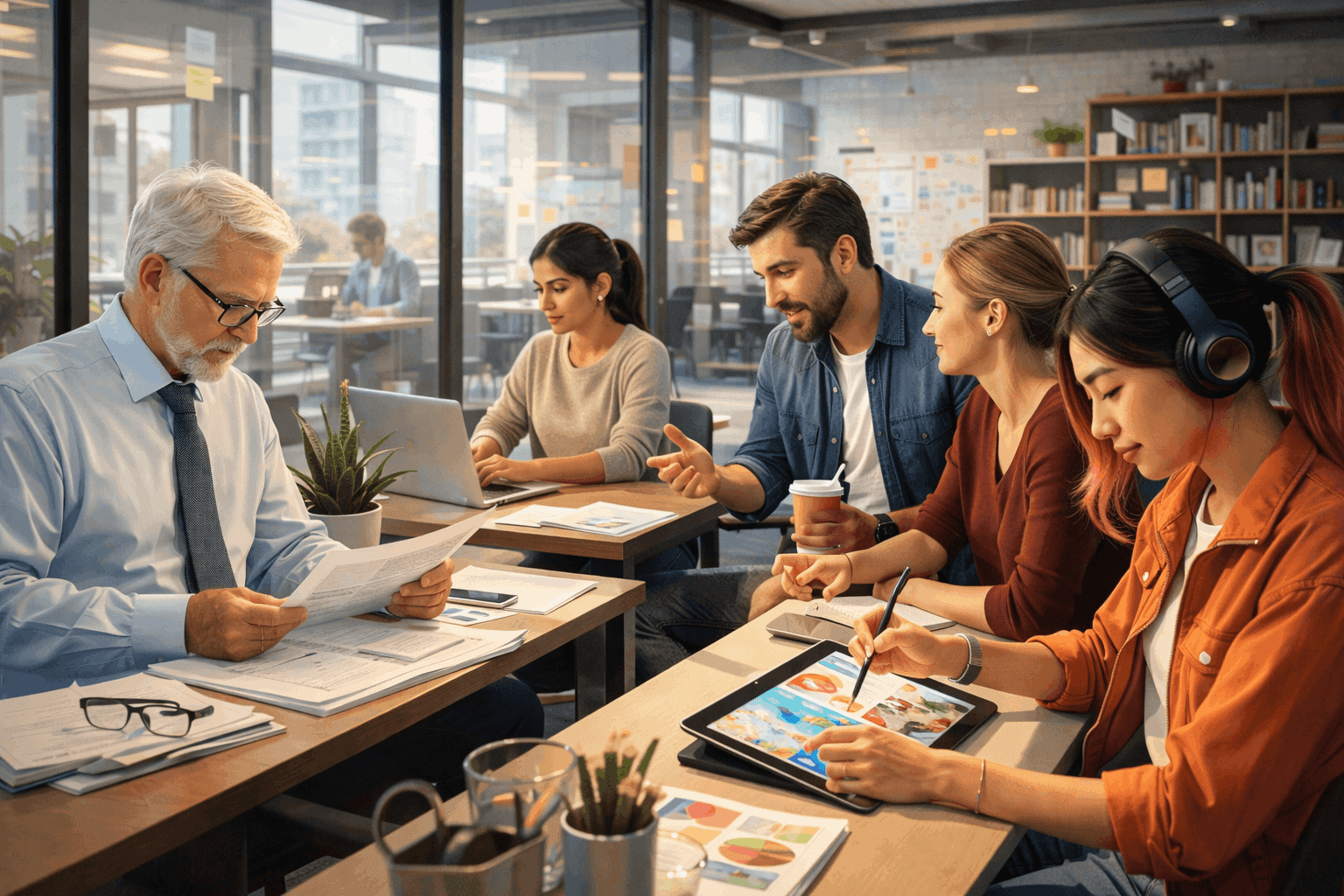 Programs alone don't build culture. The way programs are designed, communicated, and sustained determines whether they become embedded in organisational identity or quietly forgotten after the initial launch. Fostering trust through creative wellbeing requires intentional design at every stage — from the first email to the hundredth session.
The organisations that do this best treat creative wellness not as a benefit category, but as an expression of their core values. When that alignment exists, employees don't just participate — they become genuine advocates for the program and the employer.
Interactive Wellness Programs vs Passive Programs
The gap between interactive and passive wellness isn't primarily about cost — it's about engagement depth. A live music class with a real teacher generates infinitely more emotional investment, social connection, and genuine health outcomes than an app subscription. Interactive workplace engagement ideas consistently outperform passive ones on every meaningful metric: participation rates, satisfaction scores, reported wellbeing improvement, and organisational trust.
Creating Safe Spaces for Creative Expression
Participation in creative programs depends entirely on psychological safety. Employees won't dance if they fear ridicule. They won't try an instrument if failure feels professionally consequential. Designing programs that emphasise process over performance, celebrate effort, and normalise beginners creates the safe container where authentic engagement becomes genuinely possible.
Encouraging Participation Through Fun Activities
The most effective creative wellness programs are genuinely enjoyable — not 'corporate fun' in the forced variety that everyone dreads, but actually fun. When employees genuinely look forward to their weekly piano session or monthly Bollywood dance class, attendance isn't a problem. Employee support initiatives that feel like treats rather than obligations achieve sustainable participation without constant HR nudging.
Recognizing Employee Creativity
Recognition amplifies the trust-building effect of creative programs dramatically. When an employee who's been learning guitar gets a moment to perform a simple piece in a team meeting, it does something profound: it says 'your growth matters to us, and we're proud of you.' Building recognition of creative milestones into the program design transforms individual achievements into shared celebrations.
The Role of Creative Wellness in Attracting Millennials and Gen Z
The talent market of 2025 is brutally competitive, particularly for knowledge workers under 40. Millennials and Gen Z are making employment decisions based on values alignment, growth opportunities, and the lived experience of workplace culture — not just compensation packages. Creative wellness programs are becoming a genuine differentiator in hiring, particularly where compensation parity makes culture the decisive factor.
Companies that invest visibly in creative wellness aren't just retaining employees — they're building employer brands that attract the next generation of talent before those candidates even submit their first application.
Why Young Employees Prefer Creative Workplaces
The modern young professional wants more than a job. They want an environment that reflects their values, challenges them creatively, and supports their growth as a whole person. That's not idealism — it's a market signal that organisations ignore at significant competitive cost in both recruitment effectiveness and retention rates.
Experience-Driven Work Culture
Experience-driven work culture is the defining feature of the most attractive employers for young workers today. Microsoft, Salesforce, and similar companies have seen dramatic improvements in employer brand scores after launching experiential wellbeing programs. The employee value proposition for the next decade is built on memorable experiences, not just listed benefits on a recruitment page.
Focus on Mental Wellness
Gen Z has grown up during a global mental health awareness movement and expects employers to engage meaningfully with it. Corporate wellness programs that explicitly address emotional and creative wellbeing — through music therapy, art workshops, and dance sessions — speak directly to this expectation. They signal that the company treats mental health as genuinely important, not performatively so.
Desire for Personal Growth
Workplace benefits for young professionals that combine personal development with wellbeing hit a sweet spot few programs reach. Learning a new instrument, mastering a dance style, or developing artistic skills gives employees tangible evidence of personal growth — something they can share on LinkedIn, discuss in social settings, and feel genuinely proud of. That's an employer brand moment money alone can't buy.
How Creative Programs Improve Employer Branding
Employer branding isn't just what you say about your company — it's what your employees say. When employees genuinely love their weekly music lesson or dance workshop, they tell people. They post about it. They mention it in interviews. Creative wellness programs generate authentic, word-of-mouth employer brand content that no advertising budget can replicate at any price.
Standing Out in Competitive Hiring Markets
In competitive hiring markets — particularly US tech, Indian IT services, and global financial services — compensation has largely converged. Culture is now the differentiator. A company that offers live Bollywood dance classes or weekly tabla sessions as a genuine benefit stands out immediately in a recruiter's pitch. It signals: 'We're genuinely different, not just saying we are.'
Building a Modern Workplace Image
Modern workplace trends are moving toward holistic, human-first organisation design. Companies that lead this shift attract better talent, earn media attention, and build public recognition that compounds over time. Creative wellness programs, documented and shared externally, contribute materially to a company's image as an innovative, future-ready employer worth joining.
Business Impact: ROI of Creative Wellness Programs
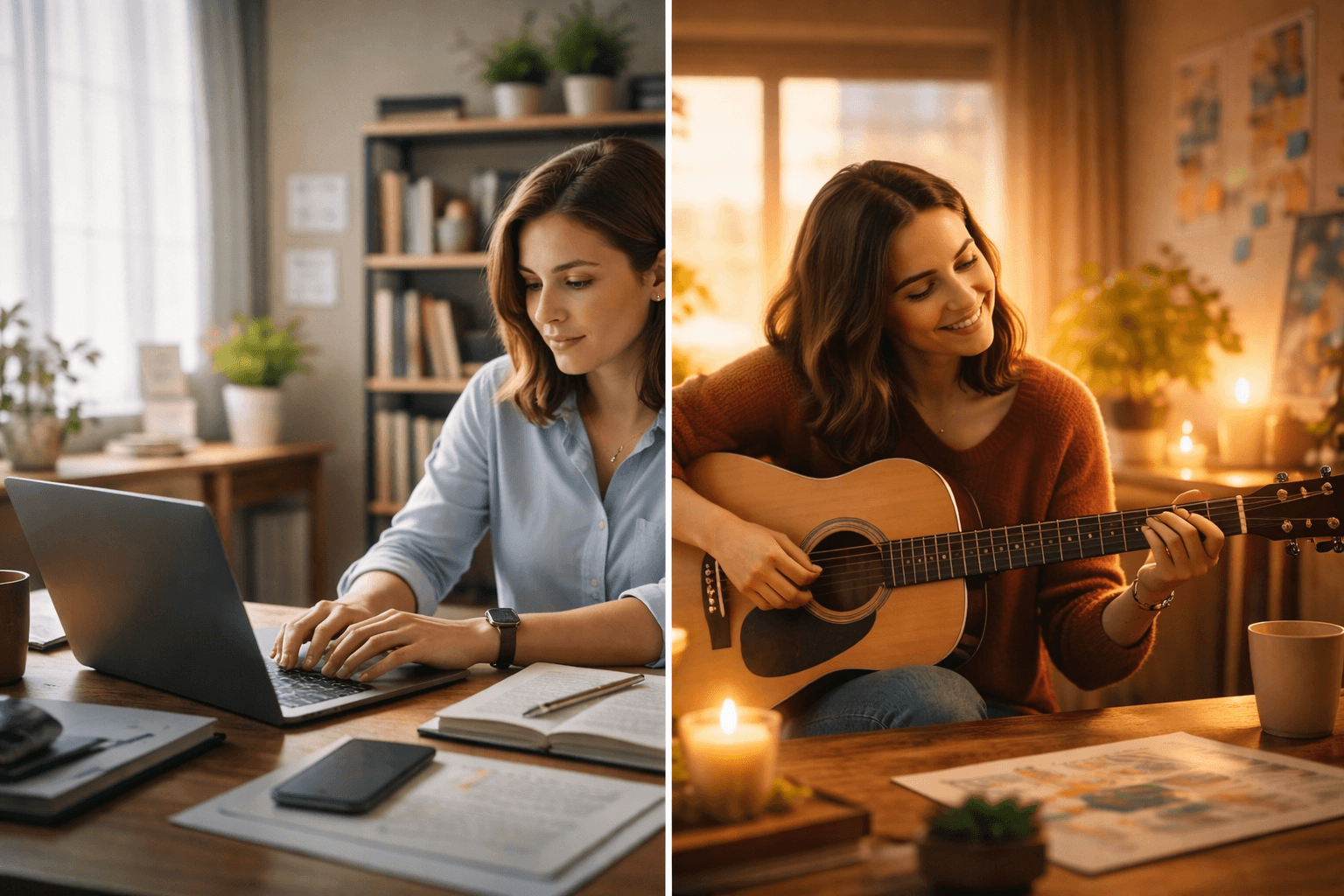 Every HR leader eventually faces the same question from the CFO: 'What's the return on this investment?' Creative wellness programs deliver compelling ROI — but only if you know where to look for it. The returns are real, measurable, and increasingly documented in peer-reviewed research and corporate case studies across industries.
The table below summarises the key ROI metrics that corporate wellness programs focused on creative engagement can positively impact, along with indicative benchmarks from available research.
Improved Employee Retention
Replacing an employee costs an organisation between 50% and 200% of that person's annual salary, depending on role seniority. Companies with strong employee retention strategies built on genuine wellbeing investment see significantly lower voluntary turnover. When employees feel creatively fulfilled and emotionally supported, they stop entertaining competing offers — even lucrative ones from direct competitors.
Increased Productivity and Performance
Rested, engaged, creatively stimulated employees simply perform better. Regular creative activity improves cognitive flexibility, working memory, and sustained attention — all critical capabilities for knowledge work. Companies investing in workplace productivity improvement through creative wellness see measurable gains in output quality, meeting efficiency, and project completion rates across departments.
Higher Employee Engagement Scores
Employee engagement surveys are the standard corporate metric for workforce health. Creative wellness programs consistently move the needle on engagement, particularly on dimensions like 'I feel valued at this company' and 'My employer cares about my wellbeing.' These score improvements have downstream effects on everything from customer satisfaction to innovation output and product quality.
Stronger Workplace Culture
The most durable ROI from creative wellness programs is cultural. Strong organisational culture and workplace happiness are the compound interest of genuine human investment — they build slowly, but once established, they're enormously difficult for competitors to replicate. Companies known for their culture attract better talent, close deals more easily, and weather crises far more effectively than culture-poor peers.
Real-World Applications of Creative Wellness in Companies
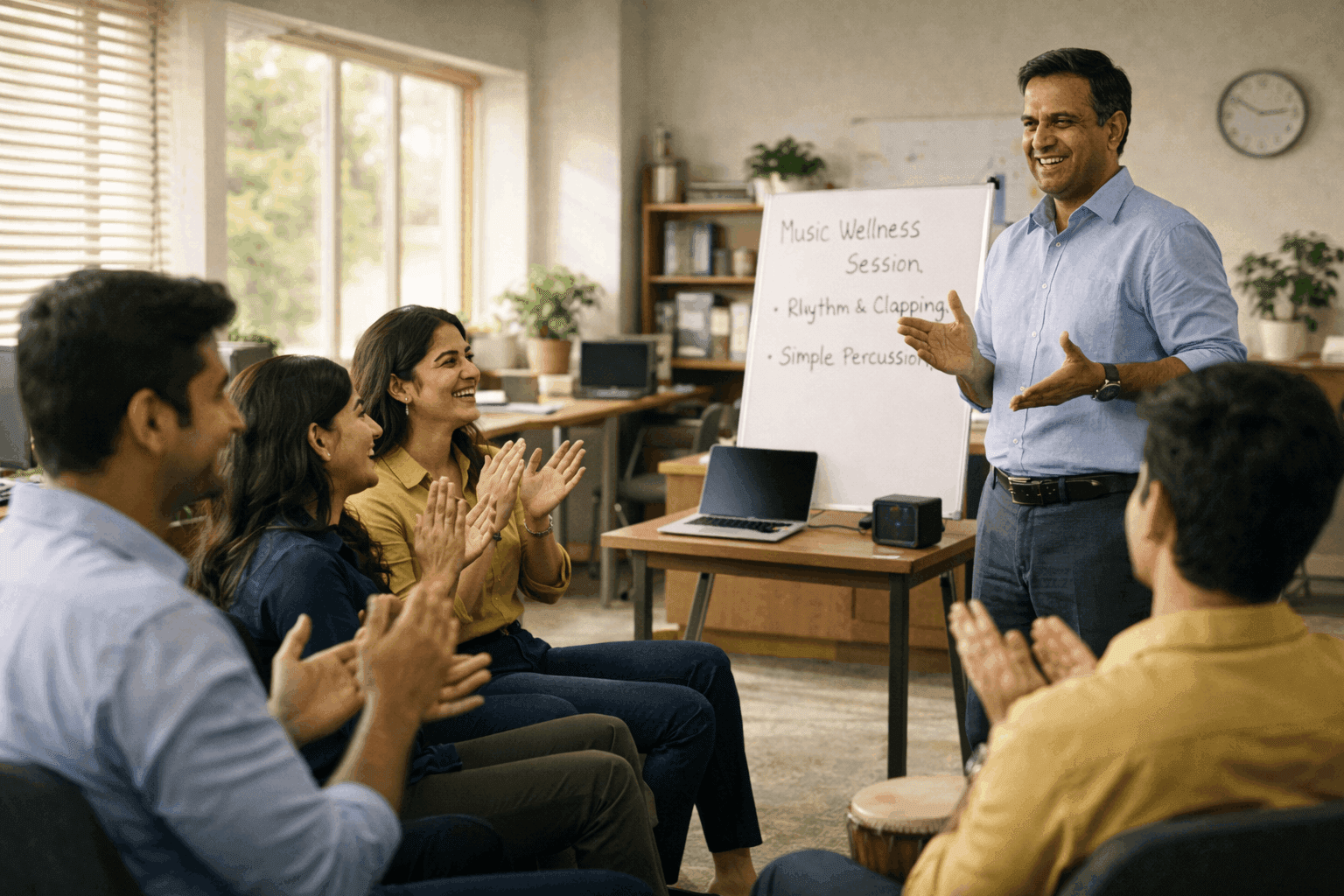 Theory is useful. Examples are better. Across industries and geographies, companies are already deploying creative wellness programs with measurable success. The applications below represent the leading edge of practice — programs that have moved beyond pilot stage into sustained, culturally embedded workplace wellness initiatives.
These aren't outliers or experimental curiosities. They're early signals of where corporate wellbeing is heading — and what your competitors may already be quietly building.
Music-Based Stress Relief Programs
Several large Indian IT companies have launched weekly instrument learning programs for employees, partnering with platforms like Art Gharana Corporate to provide live 1:1 sessions in guitar, piano, tabla, and flute. Participation rates exceed 70% in sustained programs, and participating employees report significant reductions in work-related stress scores on quarterly wellbeing surveys. These programs are particularly effective in Bengaluru, Hyderabad, and Pune, where post-pandemic burnout data drove urgent HR action.
Corporate Dance Workshops
Bollywood dance sessions for corporate teams have become one of the fastest-growing workplace engagement ideas in both India and the Indian diaspora community in the US and UK. Designed specifically for virtual delivery, these sessions work exceptionally well for hybrid and remote teams. The combination of cultural resonance, physical movement, and group laughter creates team bonding outcomes that traditional icebreakers rarely come close to achieving.
Art-Based Team Building Activities
Guided art workshops — from watercolour painting to collaborative projects — are gaining significant traction as team-building alternatives to standard escape rooms or bowling events. Companies that have piloted art-based team building report higher post-event survey scores on 'feeling connected to colleagues' and 'psychological safety with my team' than from any conventional team event format.
The Virtuous Cycle: Creativity, Wellbeing, and Trust
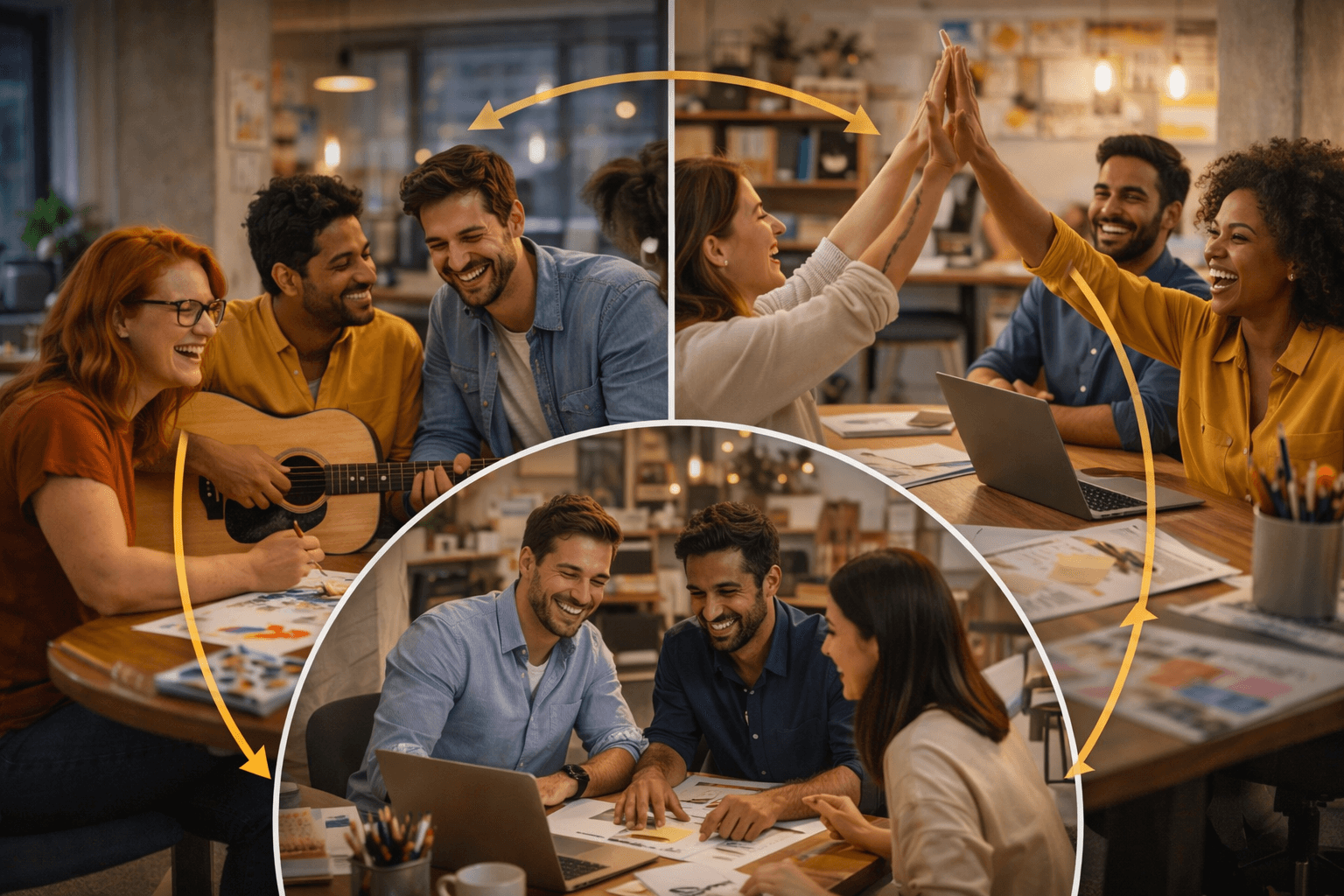 The most elegant thing about creative wellness is that it's self-reinforcing. Each element strengthens the others in a cycle that, once started, becomes progressively easier to sustain. Engagement creates trust. Trust creates safety. Safety unlocks creativity. Creativity deepens engagement. The cycle accelerates over time, building a workplace culture that becomes genuinely difficult to leave.
Understanding this cycle helps HR leaders make the case for sustained investment — and helps leadership see why creative wellness programs are infrastructure for organisational culture, not isolated events to be scheduled and forgotten.
How Engagement Leads to Trust
Employee experience built on genuine engagement generates the emotional attachment that evolves into deep trust. Engaged employees give their employer the benefit of the doubt during difficult periods. They interpret company decisions charitably. They advocate externally without being asked. Engagement is the precondition for trust, and creative programs are among the most reliable engagement generators available to HR today.
How Trust Improves Performance
High-trust environments are measurably higher-performing environments. When employees trust leadership and feel psychologically safe, they take more creative risks, collaborate more transparently, and invest more discretionary effort into their work. Google's Project Aristotle famously identified psychological safety — which trust enables — as the single highest predictor of team effectiveness across every team they studied.
How Culture Drives Long-Term Success
Culture is what remains when every other competitive advantage has been eroded — when competitors match your pricing, technology, and product features. The companies that outlast market cycles aren't just better strategically; they're better culturally. Employees want to be there. Customers want to do business with them. Creative wellness, sustained and authentic, is a direct investment in that irreplaceable competitive asset.
Why Creative Wellness Is the Future of Corporate Workplaces
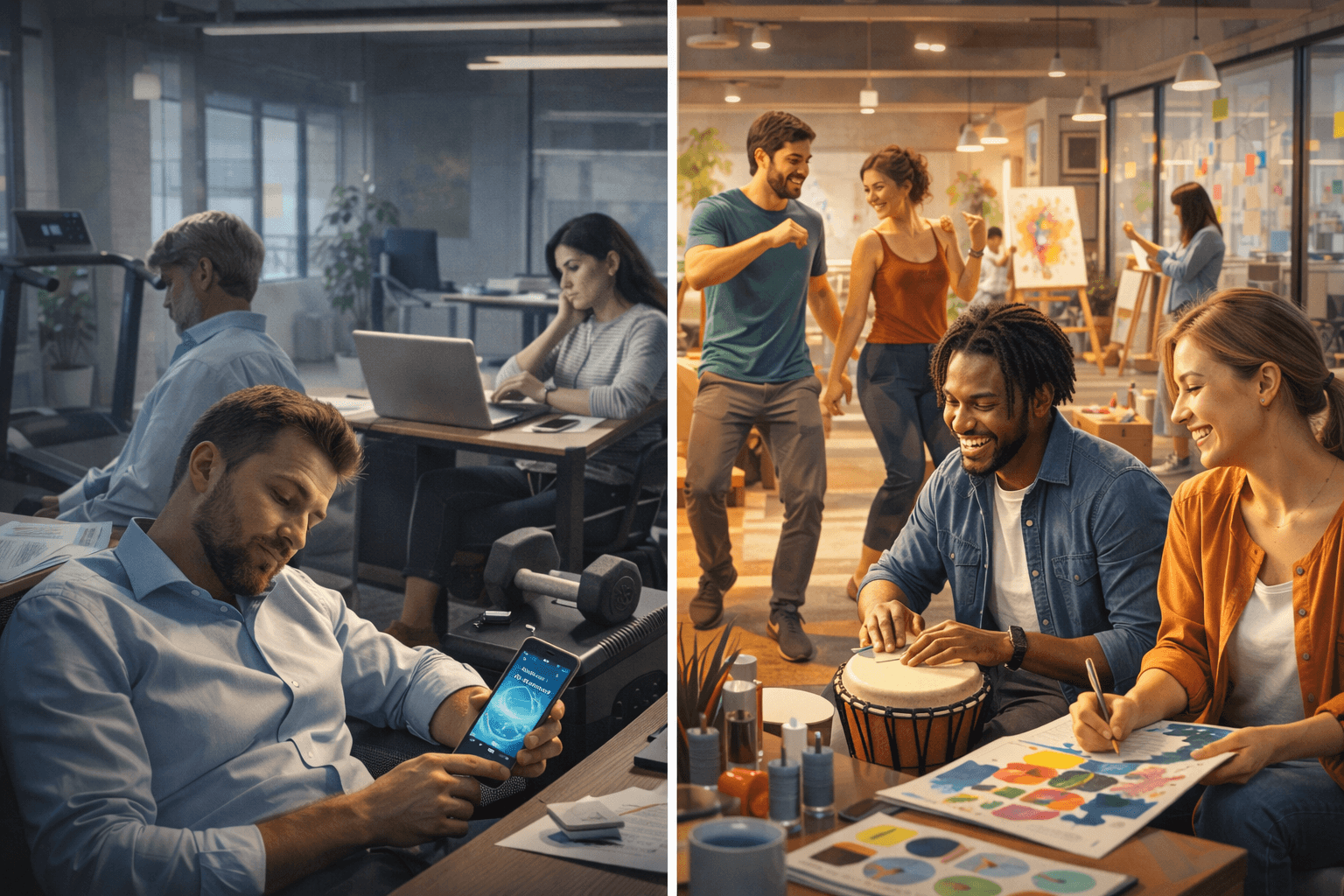 The trajectory is clear. Over the next five to ten years, creative wellness will move from innovative differentiator to standard expectation — much as flexible working did in the decade following 2010. Organisations that build these capabilities now will define what 'good employer' means for the next generation of workers. Those that wait will find themselves retrofitting culture in a buyer's market where talent holds all the leverage.
Three structural forces are accelerating this shift, each independently powerful and mutually reinforcing when they converge.
Shift Toward Holistic Employee Wellbeing
The global corporate wellness market is projected to reach $118 billion by 2034, with the fastest growth in programs addressing emotional, creative, and social dimensions of wellbeing — not just physical health. Regulatory pressure, investor scrutiny of ESG metrics, and direct employee demand are converging to make holistic wellbeing frameworks a governance priority rather than merely an HR priority.
Rise of Experience-Based Workplace Benefits
The benefits arms race of the 2010s — ever-fancier offices, unlimited holidays, lavish perks — has given way to something more sophisticated: experience-based benefits that create genuine value and lasting memories. Modern workplace trends show that employees value learning a new skill (guitar, Kathak, watercolour) over material perks that quickly become expected and invisible. Experience-based benefits generate stories — and stories build culture more effectively than any perk ever could.
The Growing Demand for Creative Engagement
Workforce wellbeing research consistently identifies creative engagement as the single most underserved employee need in modern organisations. Physical wellness is widely addressed. Mental health coverage is improving. Creative expression remains almost entirely absent from mainstream corporate programs. The organisations that fill this gap first will capture disproportionate talent and culture advantages in the years immediately ahead.
How Companies Can Get Started with Creative Wellness Programs
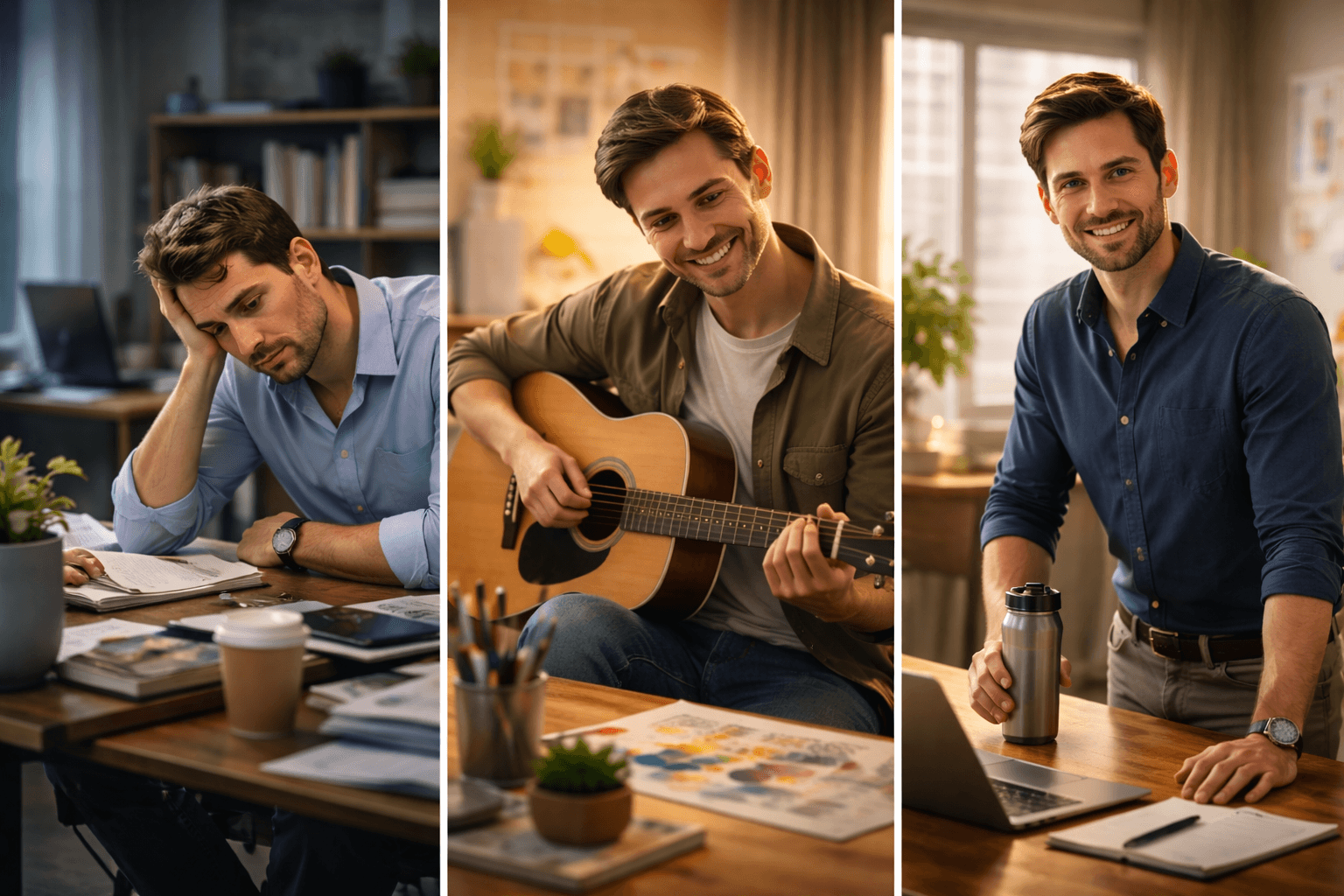 Getting started doesn't require a massive budget or a lengthy procurement process. The most effective creative wellness programs begin small — a pilot with a willing team, a single art form, a trusted partner — and scale based on participation data and employee feedback. The key is to start genuinely, not performatively.
The three-step approach below gives HR leaders a practical roadmap from intention to implementation, applicable regardless of company size or geography.
Identifying Employee Needs
Start with listening. Run a brief focused survey — five questions asking employees what creative activities they've always wanted to try, what they do to decompress outside work, and what would genuinely make them look forward to Mondays. The answers will surprise you and tell you exactly which art forms to prioritise: guitar for some offices, Bollywood dance for others, watercolour for distributed teams that crave something tactile.
Choosing the Right Wellness Programs
Selecting the right program partner is critical. Look for platforms that offer live 1:1 instruction (not recorded content), qualified and vetted instructors, flexible scheduling across time zones, and measurable outcomes. Art Gharana Corporate delivers all of this — plus the option for employees to choose their own art form, which dramatically increases participation and sustained engagement. The trial-before-commitment model lets organisations pilot sessions before signing annual contracts.
Implementing Creative Workshops
Pilot with one team, one art form, and a 6-week commitment. Measure everything: session attendance, employee satisfaction before and after, qualitative feedback on team dynamics. Use that data to build the business case for expansion. And have leadership participate visibly in at least one session — that single act does more for program credibility than any communication campaign.
Key implementation steps:
- • Run a 5-question creative interest survey with your team
- • Select 2-3 art forms based on survey results
- • Partner with a vetted corporate creative wellness provider
- • Run a 6-week pilot with one willing team
- • Measure attendance, satisfaction, and team dynamic feedback
- • Have at least one senior leader participate visibly
- • Use pilot data to build the business case for company-wide rollout
Conclusion: Building a Future-Ready Workplace Through Creative Wellness
The workplace trust crisis is real. The engagement crisis is real. The mental health challenge facing modern knowledge workers is real. But so is the solution — and it's more joyful, more human, and more sustainable than most HR leaders expect. Creative wellness gives organisations a genuinely differentiated tool: one that builds trust at every level, serves the whole employee, creates authentic culture, and delivers measurable ROI.
It's not a replacement for other wellbeing programs — it's the missing dimension that makes everything else work better. And the companies that recognise this now are building an advantage that their competitors will spend years trying to close.
Key Takeaways for HR Leaders
- • Creative wellness addresses emotional and creative dimensions that conventional programs miss entirely
- • Music, dance, and art are evidence-based tools for stress reduction, team bonding, and psychological safety
- • Trust builds in three layers — visible, cultural, psychological — and creative wellness activates all three
- • Millennials and Gen Z specifically value creative, experience-based workplace benefits over material perks
- • The ROI is measurable: improved retention, engagement, productivity, and employer brand strength
- • Getting started requires a listening survey, a pilot program, and visible leadership participation — nothing more
Why Now Is the Time to Invest in Creative Wellness
The talent market won't wait. Employee expectations won't pause while organisations deliberate. The companies building creative wellness infrastructure today are positioning themselves to be the employers of choice for the most talented, creative, and committed professionals of the next decade. Every month of delay is a month your competitors have to open — or widen — the gap on culture, retention, and employer brand.
Call to Action
Your workforce deserves more than another app or a recycled yoga session. They deserve live, expert-led creative experiences that genuinely move the needle on wellbeing, trust, and workplace culture. Art Gharana Corporate makes this possible — for teams of any size, in any geography, across music, dance, and visual art.
Book a Free Creative Wellness Session for Your Team
Experience the difference that live, 1:1 creative instruction makes in your team's energy, cohesion, and morale — before you commit to anything. Visit [corporate.artgharana.com[(https://corporate.artgharana.com/) to book a complimentary pilot session for your team. No obligation. Just music, movement, and the beginning of a genuinely different workplace culture.
Experience Music, Dance, and Art-Based Engagement
From Hindustani vocal to guitar, from Bollywood dance to Bharatanatyam, from watercolour to tabla — Art Gharana Corporate brings globally accredited instructors to your team, wherever they are. Live. Interactive. Personalised. And genuinely transformative. Start today: because a workplace where people thrive creatively is a workplace where people choose to stay.