ChatGPT
 Google AI
 Grok
Grok Claude
Keeping great employees has never been harder. The job market in 2026 is ruthlessly competitive. Companies that fail to evolve their retention approach lose talent fast , and quietly. The good news? Smart, experience-driven staff retention strategies are turning this around for forward-thinking organizations worldwide.
The Great Resignation: Why Employees Are Leaving in 2026
 The Great Resignation didn't end , it evolved. Millions of workers across the US, UK, India, Australia, and Canada continue to quietly quit or actively job-hop in search of something better. The question every HR leader must answer: what exactly are they searching for?
The answer isn't always a bigger paycheck. Today's workforce , especially Millennials and Gen Z , evaluates employers on a far broader scorecard. Understanding the real drivers of attrition is the foundation of any effective employee retention strategy.
Compensation Is No Longer the Only Factor
Salary still matters , but it's no longer the deciding vote. Studies show nearly 65% of employees who left roles recently cited non-monetary reasons. Culture, flexibility, and purpose ranked higher than compensation in multiple exit surveys. HR retention strategies that focus purely on pay hikes miss the point entirely.
Work-Life Balance Expectations Are Rising
Employees in 2026 guard their personal time fiercely. Burnout is no longer a buzzword , it's a resignation letter waiting to happen. Workforce retention methods that ignore this reality fail consistently. Organizations that genuinely respect boundaries and offer flexibility see measurably lower turnover.
Lack of Growth and Purpose
People don't just want a job. They want a trajectory. When employees feel stuck with no growth path, they look outward. Talent retention strategies must include real development opportunities , not just annual performance reviews that go nowhere.
Burnout and Mental Health Challenges
Burnout is the silent killer of retention. Constant deadlines, screen fatigue, and back-to-back meetings drain even the most motivated employees. Without intentional mental health support, companies lose good people not to competitors , but to exhaustion. Employee retention best practices now demand proactive wellbeing interventions.
The Rise of Experience-Driven Work Culture
Something powerful is shifting. Employees don't just want a workplace , they want an experience. Companies that offer memorable, meaningful moments , from cultural events to creative learning programs , build genuine loyalty. This is the new frontier of employee retention techniques that most HR teams haven't fully explored yet.
Why Millennials and Gen Z Value Experiences Over Salary
Millennials and Gen Z grew up in a world of experiences. They choose restaurants for the ambiance, brands for the story, and employers for the culture. A company that offers a creative outlet , like learning a musical instrument or joining a dance session , signals it genuinely cares about employees as whole human beings. That's a powerful retention magnet that salary alone cannot replicate.
The Shift from Jobs to Meaningful Workplaces
The best talent in 2026 doesn't settle for a 'just okay' workplace. They want meaning woven into their daily experience. Organizations that understand this are building environments where people feel seen, energized, and creatively fulfilled , not just employed.
What Employees Really Want Today (Backed by Trends)
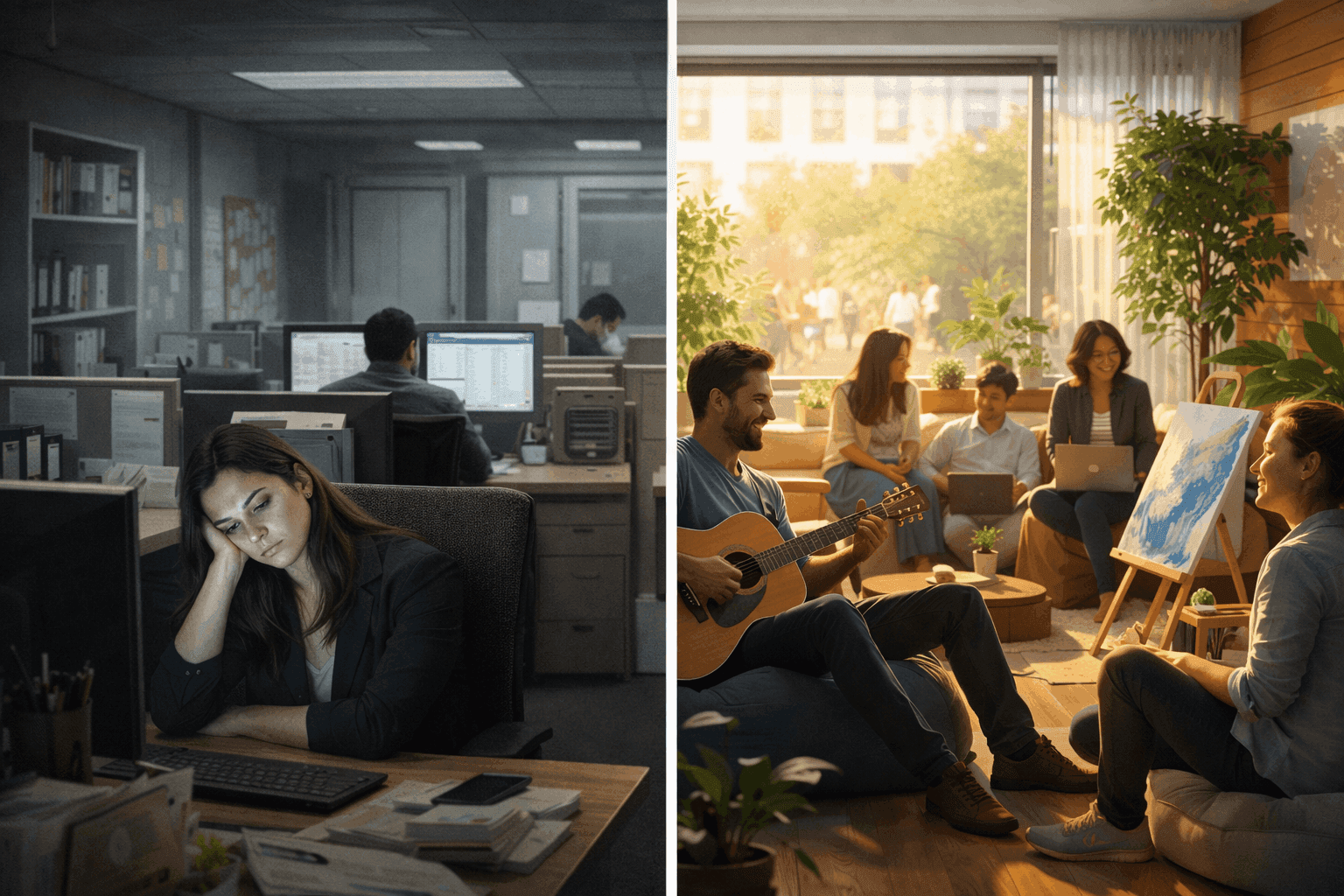 Research is clear. Employee priorities have fundamentally shifted. Gallup, SHRM, and Deloitte surveys all point to the same core truth: wellbeing, flexibility, growth, and belonging have eclipsed traditional perks as the primary drivers of engagement and staff retention.
Companies still clinging to legacy retention playbooks , annual bonuses, free lunches, occasional team outings , are losing the retention game. The following pillars represent what actually works in 2026.
Wellbeing and Mental Health Support
Mental health support is no longer optional , it's expected. Employees actively research companies' mental wellness offerings before accepting job offers. Organizations that go beyond a basic EAP hotline and provide real, engaging wellness activities separate themselves sharply from the competition.
Flexibility and Remote Work
Flexibility ranks consistently among the top three reasons employees stay. Rigid 9-to-5 structures feel disrespectful to modern workers who've proven they deliver results on their own terms. Workplace retention strategies that include hybrid and remote options simply outperform those that don't.
Creativity and Personal Growth Opportunities
Here's where most companies still fall short. Offering creativity , genuine, joyful, skill-building creativity , as part of the employment experience is a game-changer. Employee retention ideas that tap into personal passions and creative development create loyalty that no bonus can replicate.
Why Creative Outlets Improve Job Satisfaction
Creativity activates the brain's reward pathways. When employees engage in music, painting, or dance, cortisol drops and dopamine rises. They feel better. And people who feel better at work stay longer. It's that straightforward , and that well-supported by neuroscience.
The Link Between Creativity and Employee Retention
Companies offering creative wellness programs report up to 30% higher employee satisfaction scores. Creative engagement builds emotional investment. An employee who learned tabla or guitar through a company benefit doesn't just stay , they become an internal advocate who recruits others.
Sense of Belonging and Culture
Belonging is the new loyalty. When employees feel genuinely included , culturally respected, creatively engaged, and socially connected , they don't look for the exit. Shared experiences, especially those celebrating diverse traditions like Indian classical arts or global music forms, build cultures people brag about to their friends.
Why Traditional Retention Strategies Are Failing
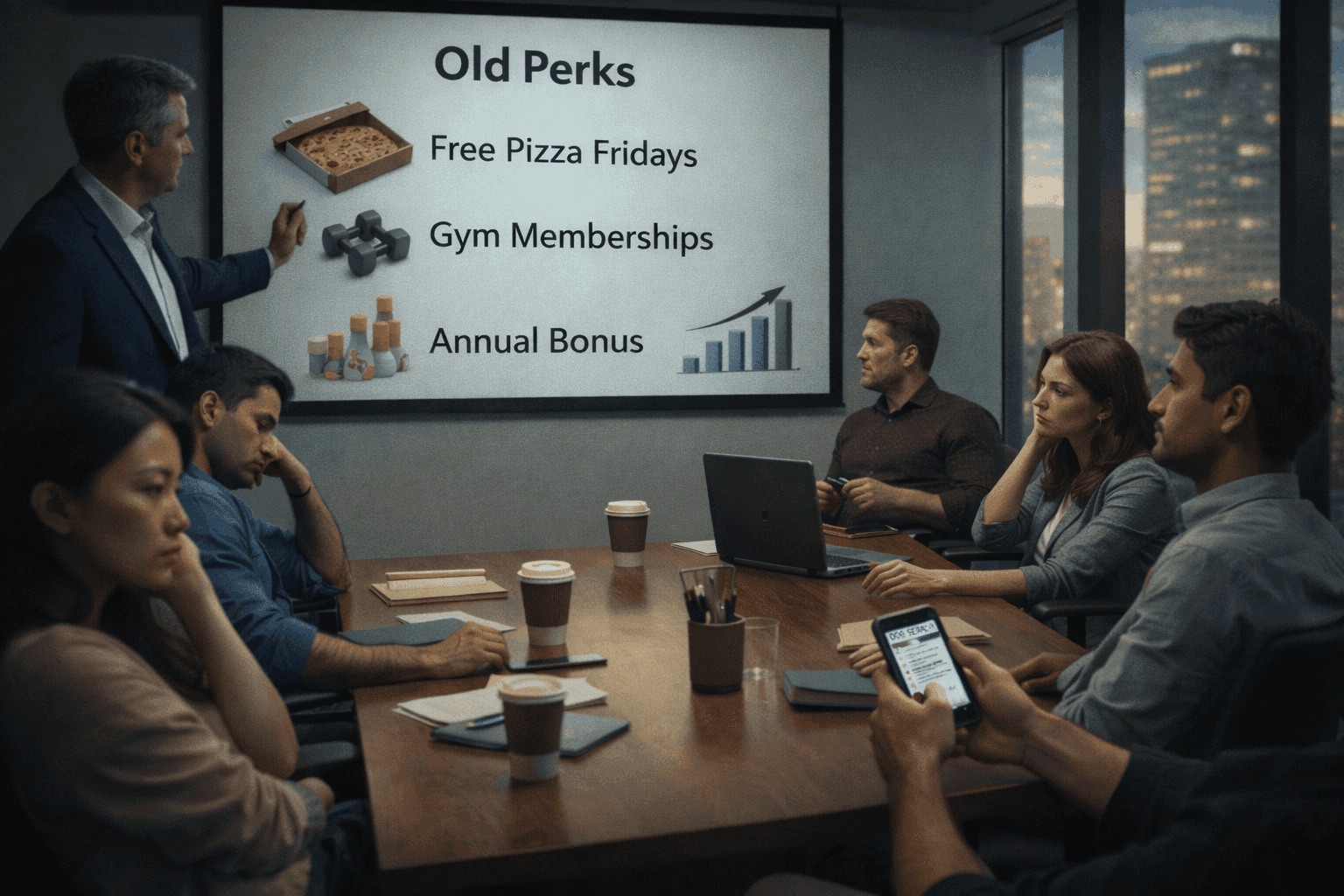 Salary hikes, gym memberships, and pizza Fridays aren't enough anymore. Traditional employee retention strategies were designed for a different workforce , one that prioritized stability over experience. That workforce no longer dominates the talent pool.
Today's employees are skeptical of performative perks. They can tell the difference between a company that genuinely invests in them and one that's ticking wellness boxes. The gap between what companies offer and what employees actually want has never been wider.
Over-Reliance on Salary and Perks Compensation increases delay attrition , but rarely prevent it. When an employee is emotionally disengaged, no raise keeps them long-term. Ways to improve employee retention must address the emotional and experiential dimensions, not just the financial ones.
Passive Wellness Programs Don't Engage Employees
Most corporate wellness programs are passive. A meditation app subscription, a step-count challenge, an annual health fair. These check boxes but don't create genuine connection. Employees need active, participatory wellness , something they genuinely look forward to, not just something they're enrolled in.
Lack of Emotional and Creative Engagement
This is the real gap. Emotional and creative engagement , the feeling of being inspired, expressive, and creatively alive at work , is almost entirely absent from traditional retention programs. Companies addressing this gap are discovering a dramatically underutilized lever for how to retain employees at every level of the organization.
Top 7 Staff Retention Strategies That Actually Work in 2026
 Let's get specific. These seven strategies aren't theoretical , they're grounded in behavioral science, real workforce data, and emerging best practices from companies seeing measurable retention improvements right now.
Implement even three of these effectively and you'll see a meaningful shift in your turnover numbers and engagement scores within six months. The evidence is clear. The question is whether your organization is ready to act on it.
1. Build a Culture of Engagement, Not Just Employment
Culture is not a foosball table. It's the invisible architecture that shapes how employees feel every single day. Companies with genuinely strong cultures , where people feel energized and connected , retain employees at rates far above industry averages.
Encourage Participation and Interaction
Engagement is participatory, not broadcast. Replace top-down announcements with collaborative rituals , town halls where leaders listen, peer-led initiatives, creative team challenges. The more employees co-create the culture, the more invested they become in staying.
Focus on Emotional Connection
Logic keeps people in seats. Emotion keeps them in the building. When employees feel emotionally connected to their team, manager, and mission , they weather difficult periods instead of walking out. Build this connection deliberately through shared experiences and genuine recognition.
2. Offer Competitive Compensation and Smart Benefits
Pay competitively , full stop. Underpaying talent is false economy. But smart benefit design matters just as much as the base number. The best employee retention ideas combine fair compensation with a benefits portfolio that actually matches what employees value.
Stay Updated with Market Trends
Benchmark compensation by role, location, and industry quarterly , not annually. Tools like Glassdoor, LinkedIn Salary Insights, and Levels.fyi provide real-time data. Talent markets move fast and companies that let pay drift below market lose their best people first.
Provide Flexible Benefit Options
Ditch the one-size-fits-all benefits package. A 26-year-old engineer has different needs than a 38-year-old manager with three kids. Flexible benefit allowances , where employees choose what matters to them , drive significantly higher perceived value from the same budget.
Go Beyond Traditional Perks
Think creatively about benefits. Learning subsidies, creative class allowances, cultural experience programs, and wellness credits for non-gym activities are emerging differentiators. If your competitors offer gym memberships, offer something they don't , something memorable.
3. Introduce Creative Wellness Programs
This is the single most underutilized employee retention technique in corporate HR today. Creative wellness programs , music sessions, dance classes, art therapy, instrument learning , are transforming how companies engage employees emotionally and retain them meaningfully.
What Are Creative Wellness Programs?
Creative wellness programs are structured, skills-based experiential activities offered as part of an employee's benefits package. They go beyond fitness and meditation. Think: weekly online guitar lessons, Bollywood dance workshops, Hindustani vocal training, tabla sessions, or Bharatanatyam classes , conducted live, 1:1, with expert instructors. These programs address emotional, creative, and mental wellbeing simultaneously.
How Music, Dance, and Art Reduce Workplace Stress
The science is compelling. Music activates the parasympathetic nervous system, reducing cortisol and blood pressure. Dance releases endorphins while improving coordination and mood. Art therapy provides a non-verbal outlet for processing stress. Together, these creative modalities deliver a depth of stress reduction that no fitness tracker or meditation app can match.
Why Employees Engage More in Creative Activities
Creative activities are intrinsically motivating. Nobody needs to be reminded to attend their guitar lesson , they look forward to it. That voluntary enthusiasm is the opposite of passive wellness compliance. When employees choose their creative outlet , from tabla to Ukulele to Kathak , they own the experience and the growth that comes with it.
Examples: Music Sessions, Dance Workshops, Art Therapy
Practical examples of creative wellness in action: weekly 30-minute 1:1 online piano or guitar lessons; group Bollywood dance sessions for team bonding; Carnatic or Hindustani vocal classes for cultural engagement; Bharatanatyam or Kathak workshops celebrating Indian heritage; and art-making sessions that double as collaboration exercises. These activities work fully remotely, in hybrid settings, or in-person.
4. Provide Flexible and Personalized Work Schedules
Rigidity kills morale. Employees who structure their work around their life , not the other way around , report significantly higher satisfaction and stay longer. Flexible scheduling is no longer a perk. It's a baseline expectation for any serious approach to how to reduce employee turnover.
Remote and Hybrid Work Models
Fully remote and hybrid models give employees autonomy over their environment. This trust translates directly into loyalty. Companies that forced a full return-to-office post-2022 saw measurably higher attrition than those preserving flexibility. The data is unambiguous on this point.
Flexible Working Hours
Beyond location, time flexibility matters enormously , especially for parents, caregivers, and employees across time zones. Core collaboration hours combined with flexible start and end times respect individual rhythms without sacrificing team cohesion or productivity.
5. Create Continuous Learning and Growth Opportunities
Stagnation is a resignation letter in progress. Employees who see a clear path forward , through upskilling, promotions, or lateral learning , are dramatically less likely to explore outside options. Talent retention strategies must embed growth as a core feature, not an afterthought.
Upskilling and Reskilling
Invest in technical and professional skills development. Partner with platforms like Coursera or LinkedIn Learning. Better yet, tie learning goals to tangible career progression milestones so employees see the direct connection between growth investments and their professional trajectory.
Encouraging Creative Skill Development
Creative skill development is a legitimate, emerging category of workforce learning. Learning an instrument develops discipline and pattern recognition. Dance builds coordination and confidence. Art cultivates attention to detail and lateral thinking. These aren't frivolous benefits , they're cognitive investments that make employees more capable, balanced, and resilient professionals.
6. Build a Strong Workplace Culture Through Shared Experiences
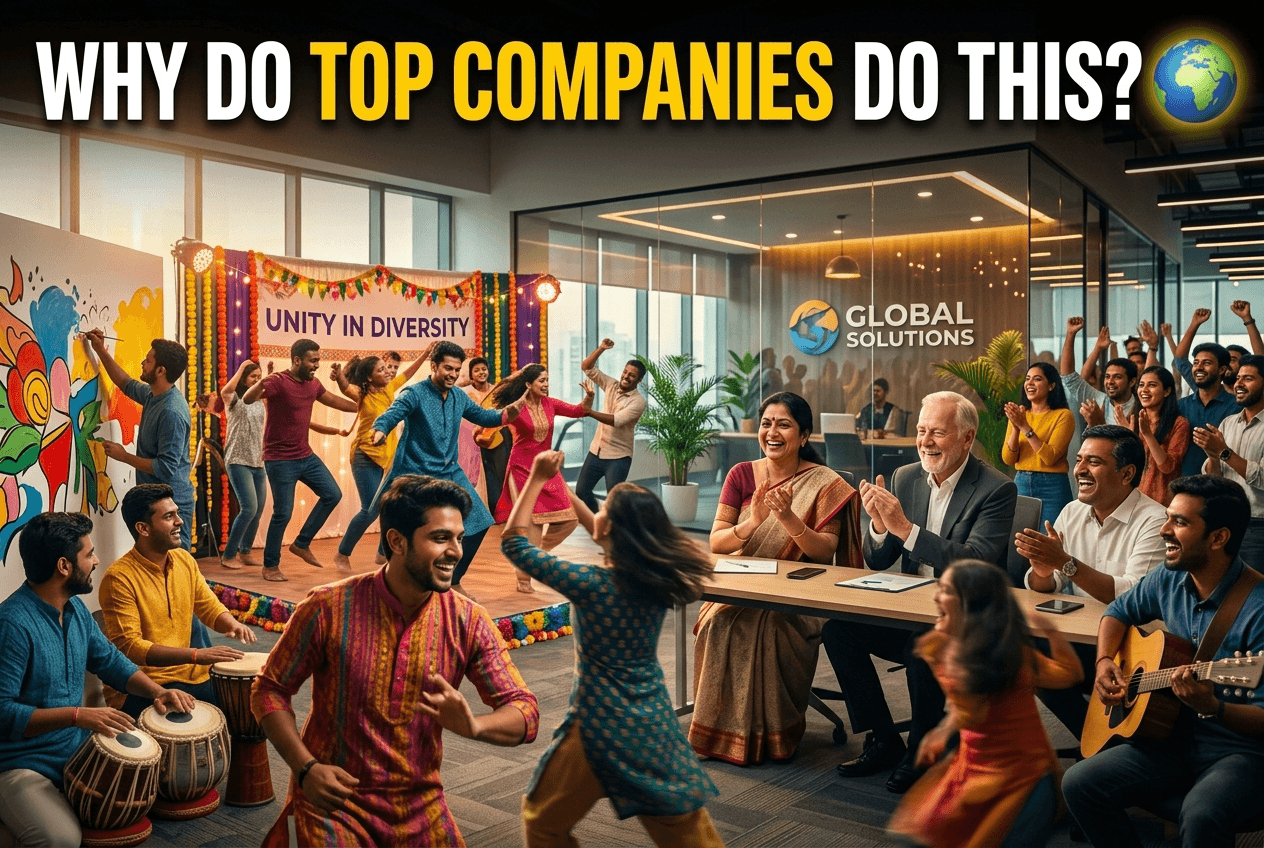
Shared experiences create shared identity. Teams that have laughed together in a Bollywood dance session, played music together, or created art together have a fundamentally different relationship than teams that only interact over Slack and spreadsheets. This is how retention strategies for companies shift from transactional to transformational.
Team Bonding Through Activities
Intentional team bonding , not forced fun , is the goal. The best activities reveal sides of people that work meetings never show. A software engineer who plays tabla brilliantly. A marketing manager learning Carnatic vocals. These moments humanize colleagues and deepen bonds that keep teams intact through adversity and change.
Cultural and Creative Programs for Global Teams
Global teams face a unique retention challenge: building belonging across cultures and time zones. Cultural arts programs , celebrating Indian classical traditions, global musical forms, and diverse movement practices , are uniquely powerful here. They make every team member feel seen and respected, turning diversity from a checkbox into a genuine cultural advantage.
7. Focus on Mental Wellness and Burnout Prevention
Burnout is the leading cause of voluntary turnover in high-performance organizations. Employee turnover solutions that ignore mental health are fundamentally incomplete. A proactive approach , one that prevents burnout rather than reacting to it , separates the most resilient organizations from the rest.
Why Stress Is a Retention Killer
Chronic workplace stress doesn't just make people unhappy , it makes them leave. The physiological toll of sustained stress erodes motivation, decision-making, and interpersonal relationships. When employees feel perpetually overwhelmed, no amount of compensation keeps them from walking out.
How Creative Activities Improve Mental Health
Creative engagement is one of the most evidence-backed interventions for workplace stress reduction. Art-making lowers anxiety. Dance improves mood and self-esteem. Music activates neurological reward circuits. Unlike passive wellness programs, creative activities demand presence , naturally pulling the mind away from work anxiety into focused, joyful flow states.
Science Behind Music Therapy in the Workplace
The research is substantial. A 2025 review in BMC Complementary Medicine confirmed that music-based workplace interventions meaningfully improve employee mood, reduce stress markers, and enhance job satisfaction. Neurologically, music stimulates both brain hemispheres simultaneously , making it uniquely effective at resetting the stressed mind. Companies incorporating structured music learning into their wellness programs tap into a scientifically validated retention lever.
The Role of Creative Wellness in Employee Retention
 Creative wellness isn't a niche experiment anymore. Leading organizations across the US, UK, India, Canada, and Australia are discovering that employees who engage in creative programs are more productive, more loyal, and more likely to become internal advocates. This is the most exciting development in employee retention best practices in years.
The connection is intuitive once you see it. Employees who feel creatively alive at work don't compartmentalize their best self. They bring it into everything , their collaboration, problem-solving, and relationships with colleagues. Creative wellness elevates the entire employee experience from the inside out.
Why Creative Workplaces Retain Employees Longer
Creative workplaces signal investment in the whole person , not just the worker. When a company pays for an employee's tabla lessons or Bollywood dance class, it communicates something no HR memo can replicate: 'We see you. We value your full humanity.' That signal creates loyalty that outlasts any counter-offer from a competitor.
How Music, Dance, and Art Improve Employee Happiness
Happiness at work is measurable , and it directly impacts retention. Music, dance, and art are among the most reliable happiness-drivers in human experience. When companies deliberately incorporate these into the workweek, happiness scores rise and turnover falls. The correlation is consistent across industries and geographies.
Real Impact on Productivity and Engagement
Companies offering creative wellness programs consistently report higher internal engagement survey scores. Beyond subjective wellbeing, there are measurable productivity indicators: fewer sick days, higher quality of work, lower absenteeism, and stronger collaboration. Creativity and productivity don't compete , they amplify each other.
Why Companies Are Moving Beyond Gym Memberships
Gym memberships as a benefit peaked in the 2010s. Today's employees want variety, personalization, and genuine skill development , not just physical fitness. HR teams leading with gym subsidies as their primary wellness strategy are offering yesterday's solution to tomorrow's workforce. Creative wellness programs are where the most progressive companies invest now.
Case Example: How Creative Programs Improve Retention
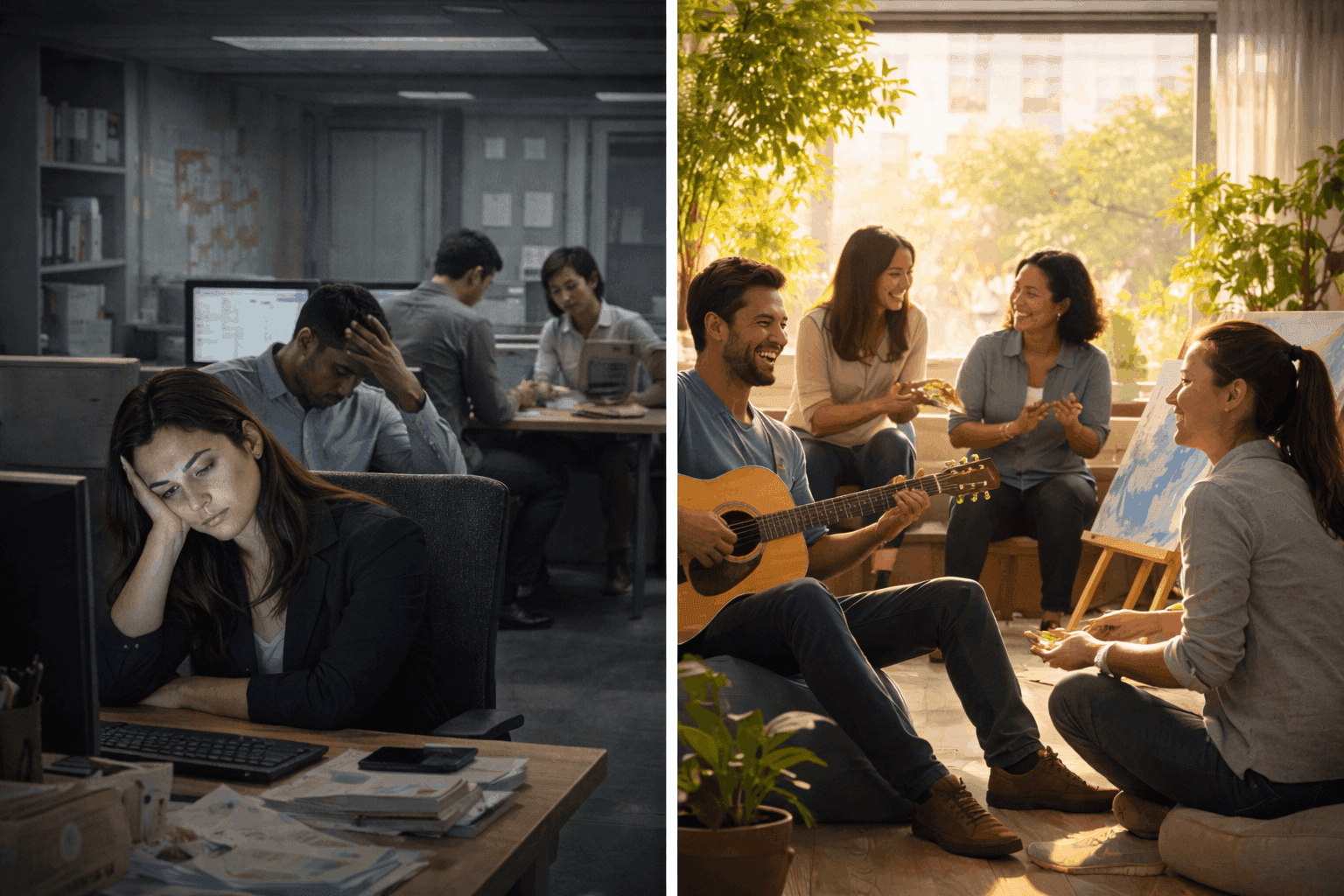 Consider a fast-growing technology company with 450 employees across Bengaluru and Austin. Despite competitive salaries and a solid benefits package, annual attrition hovered at 28% , well above the industry benchmark. Exit interviews revealed a consistent theme: employees felt creatively unfulfilled and emotionally disconnected from the workplace.
The People Operations team decided to pilot a creative wellness initiative. Rather than add another fitness app, they introduced structured arts and music sessions , available remotely to all staff across both locations , and the results exceeded every expectation.
Common Workplace Challenges
The key pain points were clear: high burnout rates in engineering teams, low engagement scores among mid-level managers, poor cross-cultural connection between Indian and US-based colleagues, and a benefits package employees described as 'fine, but forgettable.' Classic symptoms of organizations that haven't updated their employee retention ideas in years.
Solution: Introducing Creative Wellness Sessions
The company introduced live 1:1 online sessions in guitar, Hindustani vocals, Bollywood dance, tabla, and Bharatanatyam. Each employee chose their preferred art form and was matched with a vetted expert instructor. Sessions ran 30 minutes, twice a month, during working hours. A quarterly virtual showcase gave participants a stage to celebrate progress , and gave the whole company a reason to cheer.
Results
- • Engagement scores improved by 34% within six months of the program launch
- • Stress-related sick days dropped by 22% among participating employees
- • Cross-cultural connection improved significantly between Indian and US teams
- • Program participants showed 40% lower attrition than non-participants in the following year
- • Employee Net Promoter Score (eNPS) rose from 28 to 47 within 12 months
How to Implement a Creative Retention Strategy in Your Company
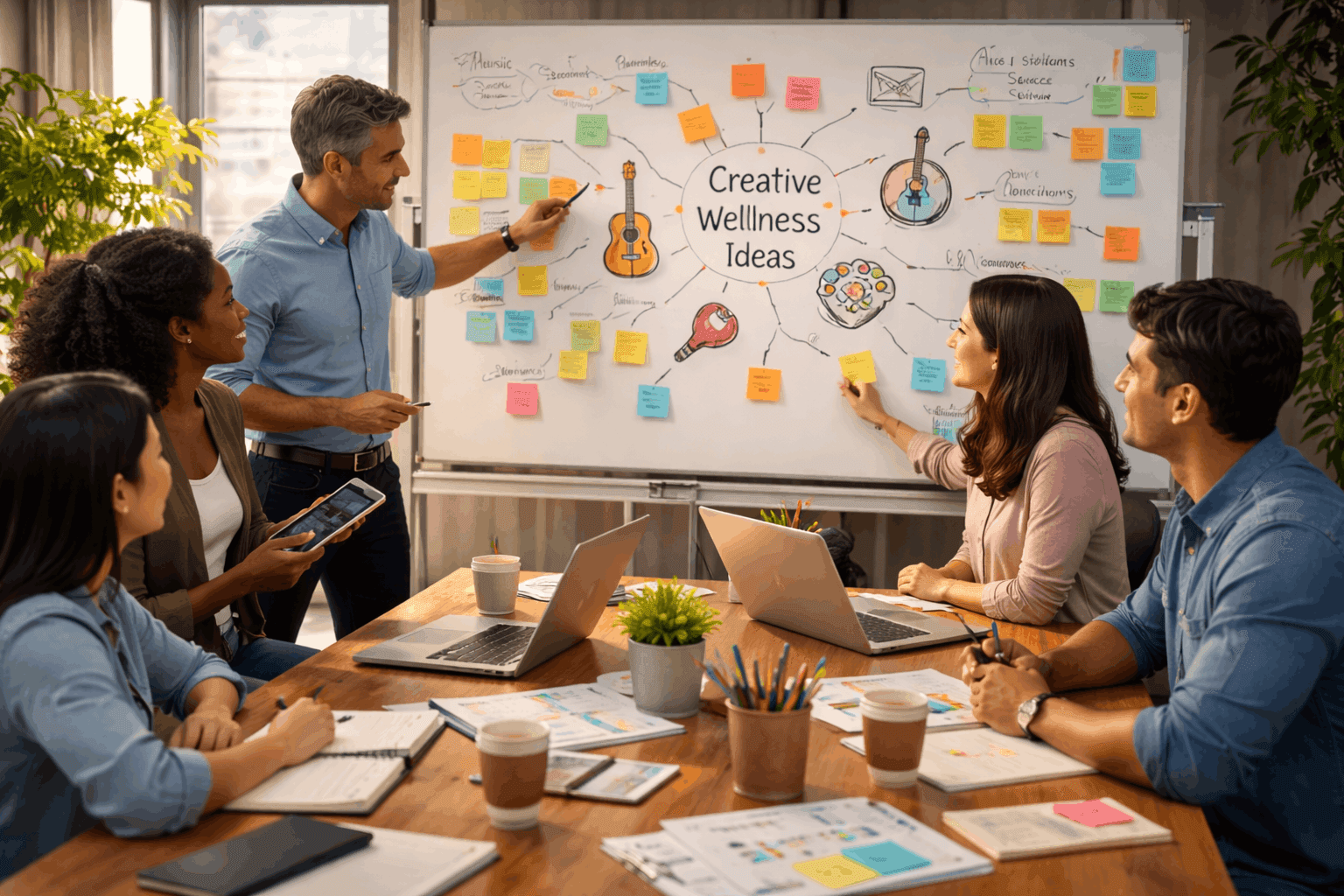 Implementation doesn't have to be complex. The most effective creative wellness rollouts start small, validate quickly, and scale with confidence. Here's a practical roadmap any HR team can follow , regardless of company size or budget.
The key is to start with curiosity, not assumptions. What do your employees actually want? The answer might surprise you , and it almost certainly involves more creativity than your current program delivers.
Start with Employee Needs Assessment
Before selecting any programs, survey your workforce. A simple pulse survey , five to eight questions , uncovers what creative interests employees have, what wellness activities they currently use, and what feels missing. This data-first approach ensures you invest in what people actually want, not what HR assumes they want.
Introduce Trial Wellness Sessions (Try Before You Pay)
Reduce organizational risk by piloting before committing. Offer a free two-week trial of creative wellness sessions to a group of 20 to 30 employees. Art Gharana Corporate allows companies to trial live 1:1 creative sessions , guitar, tabla, Bollywood dance, Bharatanatyam, vocals , before any formal subscription commitment. This 'try before you pay' model removes friction from the buying decision and lets internal champions emerge organically from the experience.
Measure Engagement and Feedback
After each pilot phase, collect structured feedback. Track participation rates, session completion, qualitative satisfaction scores, and before-and-after engagement survey data. Correlate creative wellness participation with turnover rates in your HR analytics. The numbers will tell the story compellingly , and give you the executive buy-in you need to scale.
Scale Programs Across Teams
Once the pilot validates impact, scale thoughtfully. Offer creative wellness across all departments, geographies, and seniority levels. Build it into your onboarding narrative so new hires know from day one that their employer invests in their whole self. Make it a headline benefit, not a footnote in an HR handbook.
Phase Action Timeline 1 , Assess Survey employee creative interests and gaps Week 1–2 2 , Design Select creative wellness provider and art forms Week 3–4 3 , Pilot Run free trial sessions with 20–30 employees Week 5–8 4 , Measure Collect engagement data and structured feedback Week 9–10 5 , Scale Roll out across teams with full subscription Month 3–4 6 , Celebrate Host quarterly virtual showcase for participants Month 4+
Future of Employee Retention: Creativity, Culture, and Wellbeing
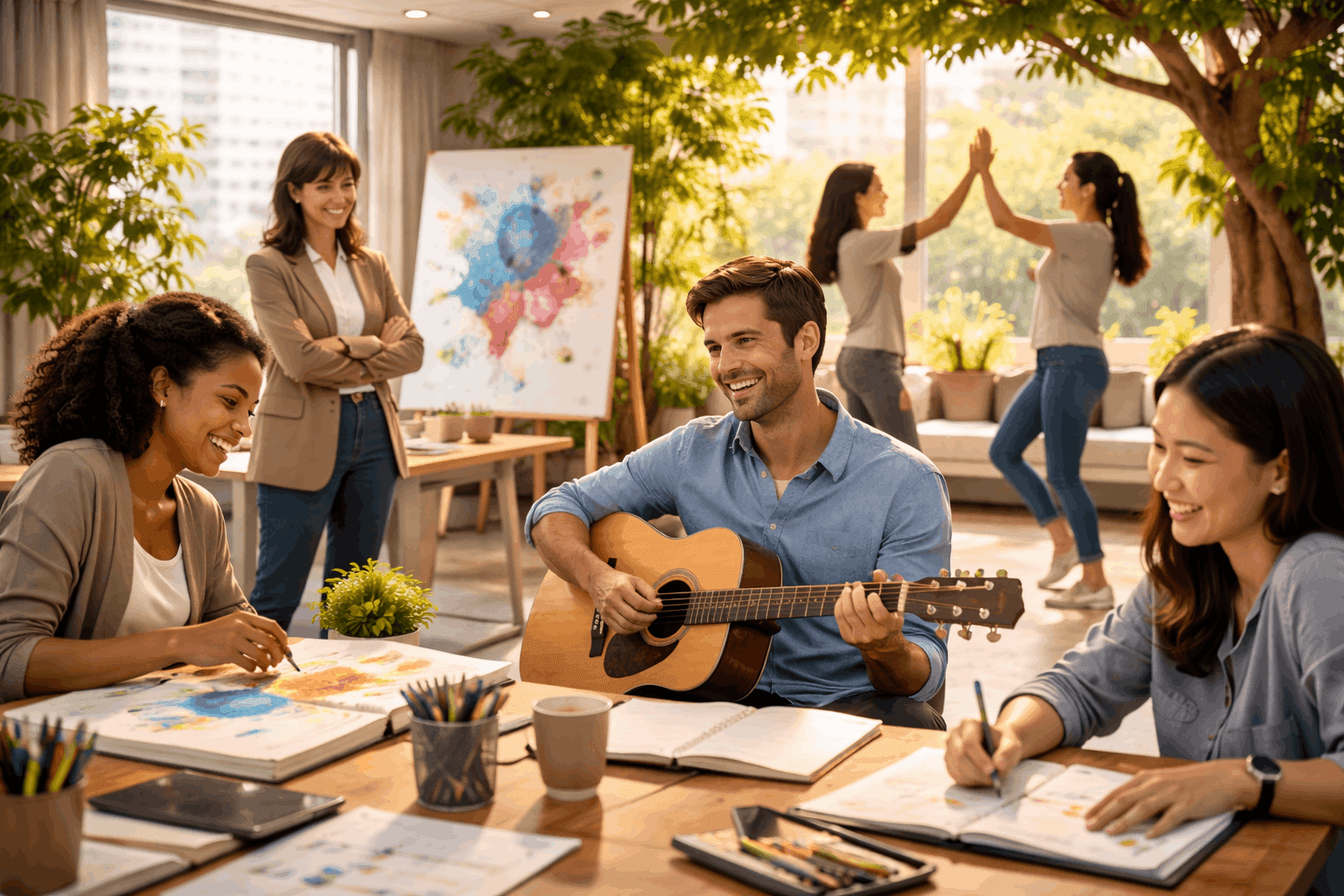 The trajectory is clear. Companies that will win the talent war over the next decade aren't just offering the highest salaries. They're building the most human workplaces , environments where employees feel creatively alive, culturally celebrated, and genuinely cared for every week, not just at annual review time.
Creative wellness isn't a trend. It's the natural evolution of what 'employee experience' must mean as the workforce grows younger, more globally diverse, and more experience-driven. Organizations that get ahead of this shift will build a retention advantage that compounds over years.
Why Creative Wellness Is the Next Big Trend
The corporate wellness industry is a $68 billion market projected to reach $118 billion by 2034. Within that market, creative wellness , music, dance, art, performance , is the fastest-growing and least saturated segment. Early movers are building brand equity as 'creative employers' that attract talent beyond their own industry and geography.
How Gen Z Will Redefine Workplace Expectations
Gen Z employees , now the largest demographic entering the workforce , will not tolerate forgettable benefit packages. They grew up building creative identities online and choosing brands based on authentic self-expression. A company that helps them learn Bollywood dance or tabla isn't just offering a perk , it's speaking their language fluently. Gen Z rewards that fluency with their loyalty.
Conclusion
Retention in 2026 isn't a compensation problem , it's an experience problem. Companies that win are those offering something genuinely memorable: creative wellness, cultural richness, personalized growth, and authentic belonging. These staff retention strategies aren't soft. They're the most strategically sound investments a people-focused organization can make right now.
The most powerful retention tool isn't a salary band. It's a workplace that makes employees feel creatively alive, emotionally connected, and genuinely valued , every week, not just at the annual review. Build that experience, and your best people will stop looking elsewhere.
Boost Employee Retention with Creative Wellness Programs
Your employees want more than a job. They want an experience that energizes them, grows them, and connects them to something meaningful. Creative wellness programs deliver exactly that , and they deliver measurable results. Reduced turnover. Higher engagement. Stronger teams. A culture people are proud to be part of.
Organizations across the US, India, UK, Canada, and Australia are already partnering with creative wellness platforms to offer live 1:1 music, dance, and art sessions to their workforce. They're building the kind of environment that retains talent without relying on endless salary inflation.
Why Companies Are Choosing Creative Engagement Solutions
The organizations seeing the biggest retention gains moved first. Creative wellness programs are still rare enough to be a genuine differentiator , a benefit that makes candidates say yes and employees think twice before leaving. The window to lead in this space is open now. It will not stay open forever.
Try a Free Corporate Wellness Session
Ready to see the impact for yourself? Art Gharana Corporate offers live 1:1 creative wellness sessions , music, dance, and art , for corporate teams of all sizes. Guitar, piano, tabla, flute, ukulele, Bollywood dance, Bharatanatyam, Kathak, Hindustani vocals, Carnatic vocals , your employees choose what excites them. No long-term commitment required. Start with a free trial, measure the engagement lift, and scale what works.
Your workforce deserves a benefit that's genuinely exciting. Give them one.