ChatGPT
 Google AI
 Grok
Grok Claude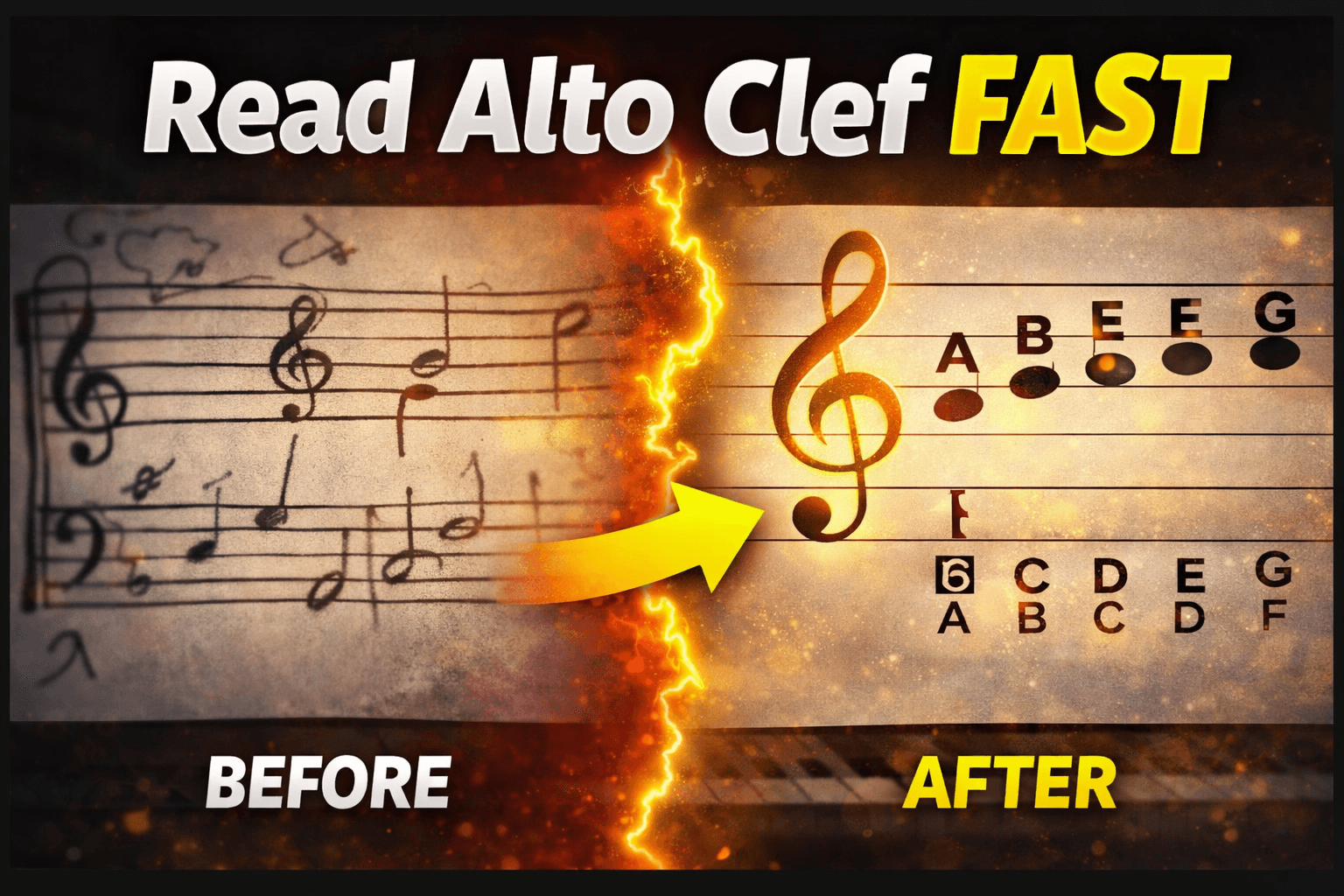
Reading music becomes much easier once you understand how clefs work. Most learners begin with treble and bass clef, but many feel stuck when they encounter something unfamiliar. Alto clef notes often create that moment of confusion. The symbols look similar, yet the note positions seem different. This guide clears that confusion and helps you read alto clef notes with confidence.
The alto clef is an important part of the music notation system. It appears mainly in viola music and sometimes in orchestral scores. Once you understand its logic, it feels just as natural as reading treble clef notes or bass clef notes. This article explains everything step by step using easy English, clear examples, and real musical context.
What Is the Alto Clef in Music Notation?
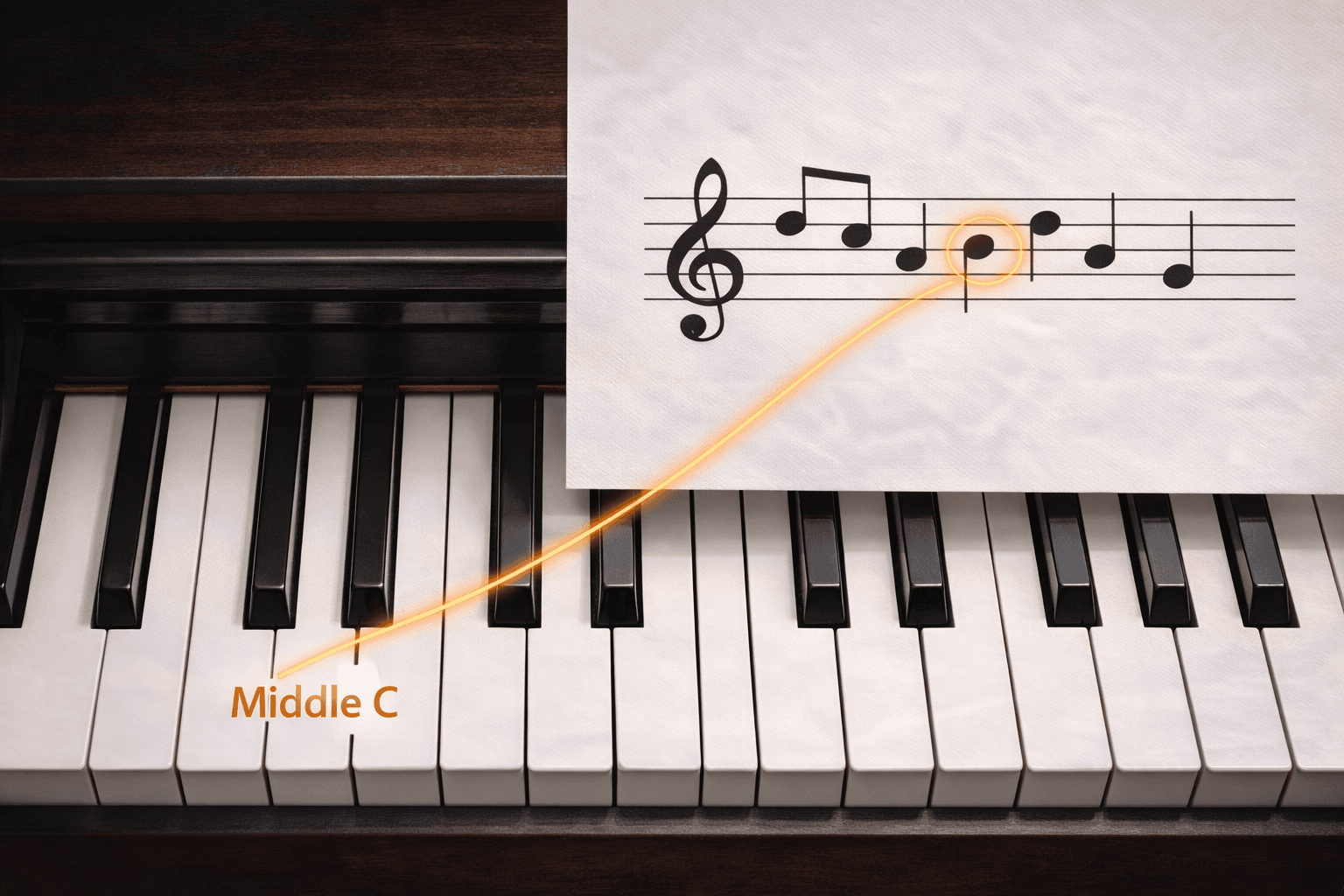 The alto clef is one of the C clefs used in staff and clefs in music. Its main job is to place Middle C in the center of the music staff. Unlike treble clef, which highlights higher pitch notes, or bass clef, which focuses on lower pitch notes, the alto clef balances both ranges evenly.
In simple terms, the alto clef changes how notes are named on the staff. The five horizontal lines in music stay the same, but their pitch meaning shifts. This allows musicians to read music without too many ledger lines, which improves clarity and speed when reading music.
The alto clef is most commonly used for the viola. The viola sits between the violin and cello in pitch range. Because of this wide pitch range instrument role, the alto clef becomes the most efficient way to represent its sound on paper.
Why the Alto Clef Exists
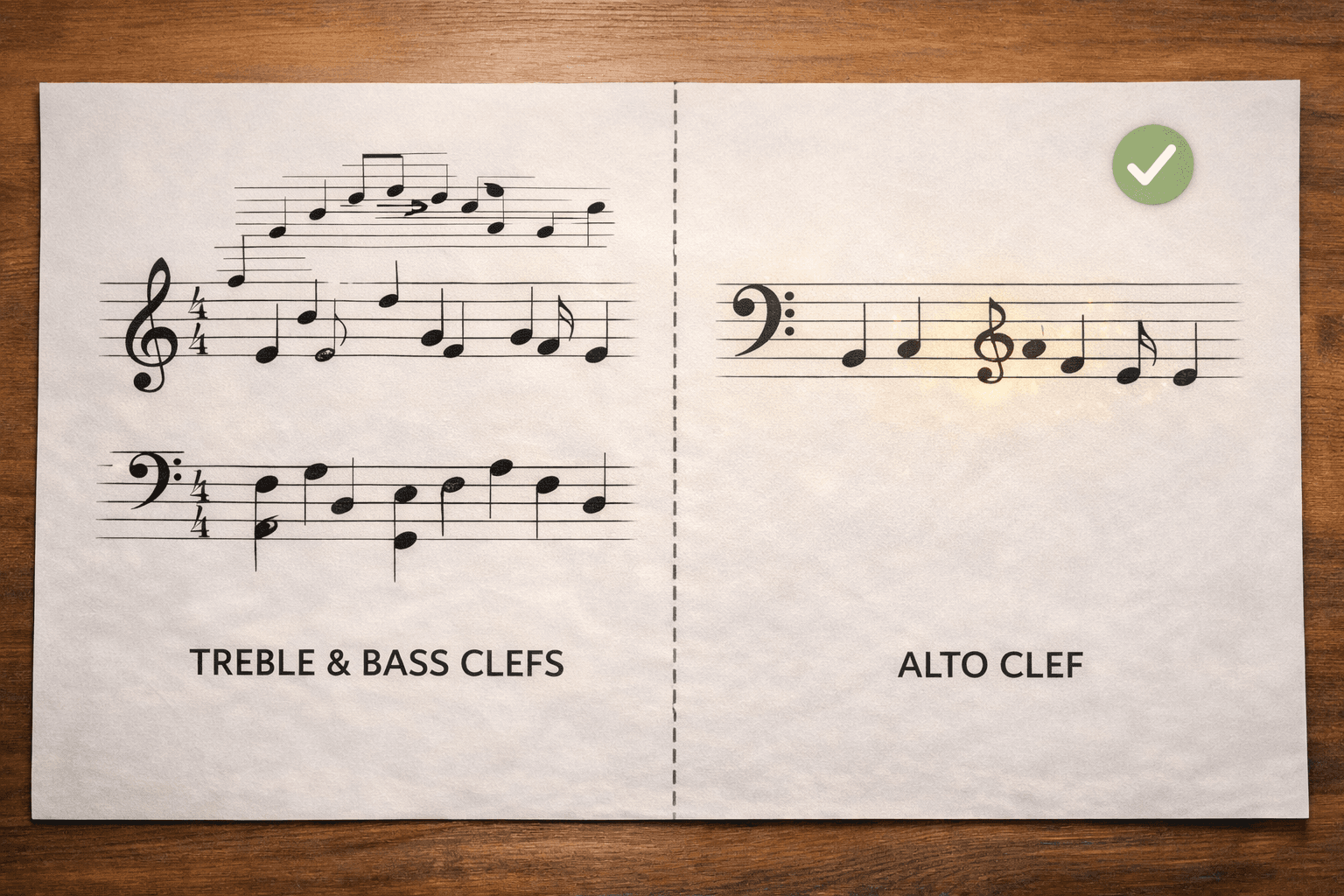 Music notation evolved to make reading easier, not harder. The alto clef exists because using treble or bass clef alone would create clutter for mid-range instruments. Too many notes written on ledger lines slow down music reading for beginners and professionals alike.
The alto clef places notes where they naturally belong on the staff. This creates a clean visual representation of pitch. Notes stay close to the five staff lines, which improves reading accuracy and reduces mental strain. Historically, composers wanted musicians to focus on expression, not decoding symbols. The alto clef supports that goal by simplifying how written music symbols appear on the page.
Understanding the Alto Clef Symbol
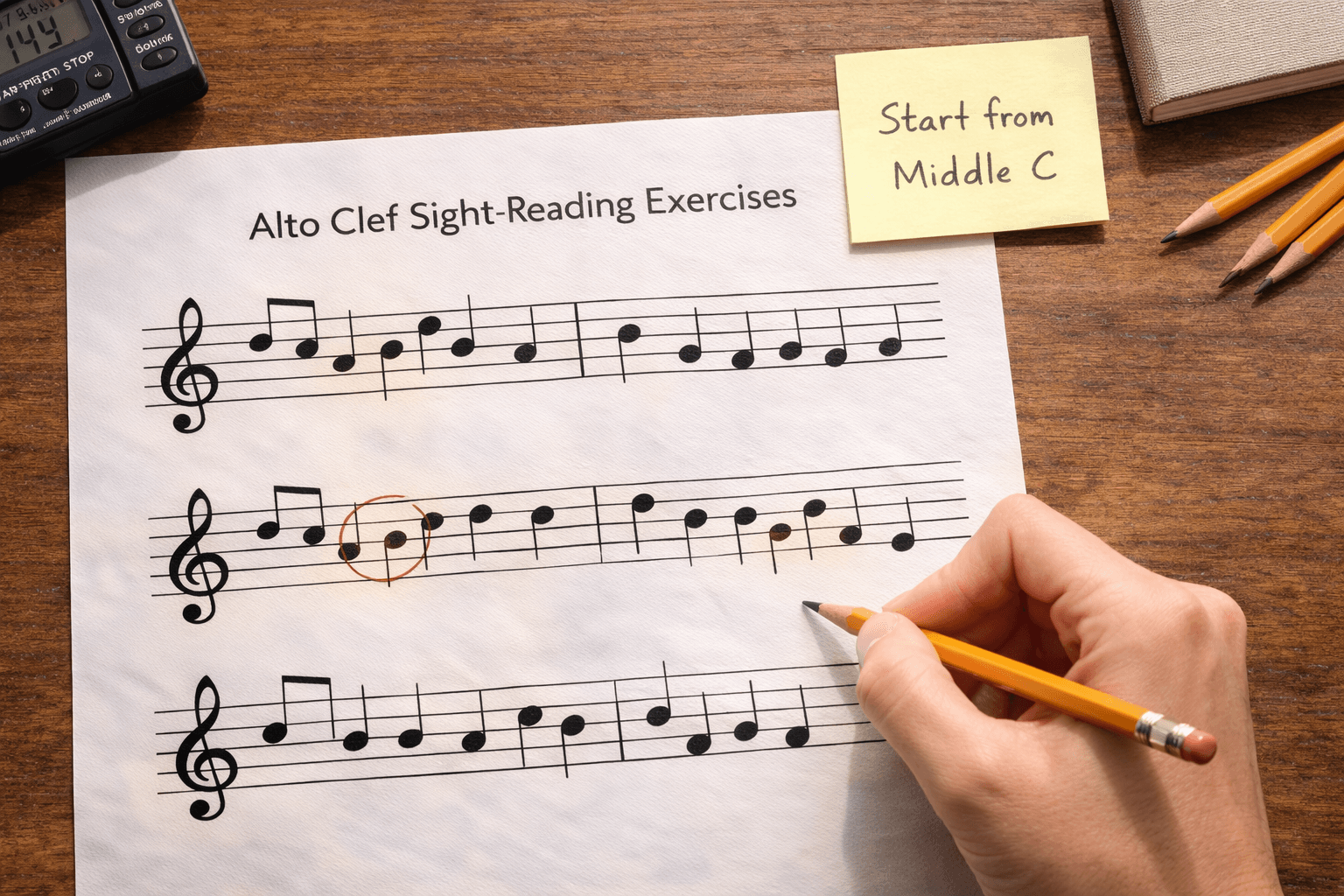 The alto clef symbol looks similar to a stylized letter “B” or two backward-facing curves. The most important detail is the center of the symbol. That center points directly to Middle C.
This placement is the key to understanding piano notation systems and clef reading in general. Once you know where Middle C sits, every other note becomes easier to identify. The alto clef simply shifts Middle C to the middle line of the staff.
Think of the clef as a map legend. It tells you how to interpret the staff. Without understanding the symbol, the notes make little sense. With it, the entire system becomes logical.
Alto Clef Notes on the Staff
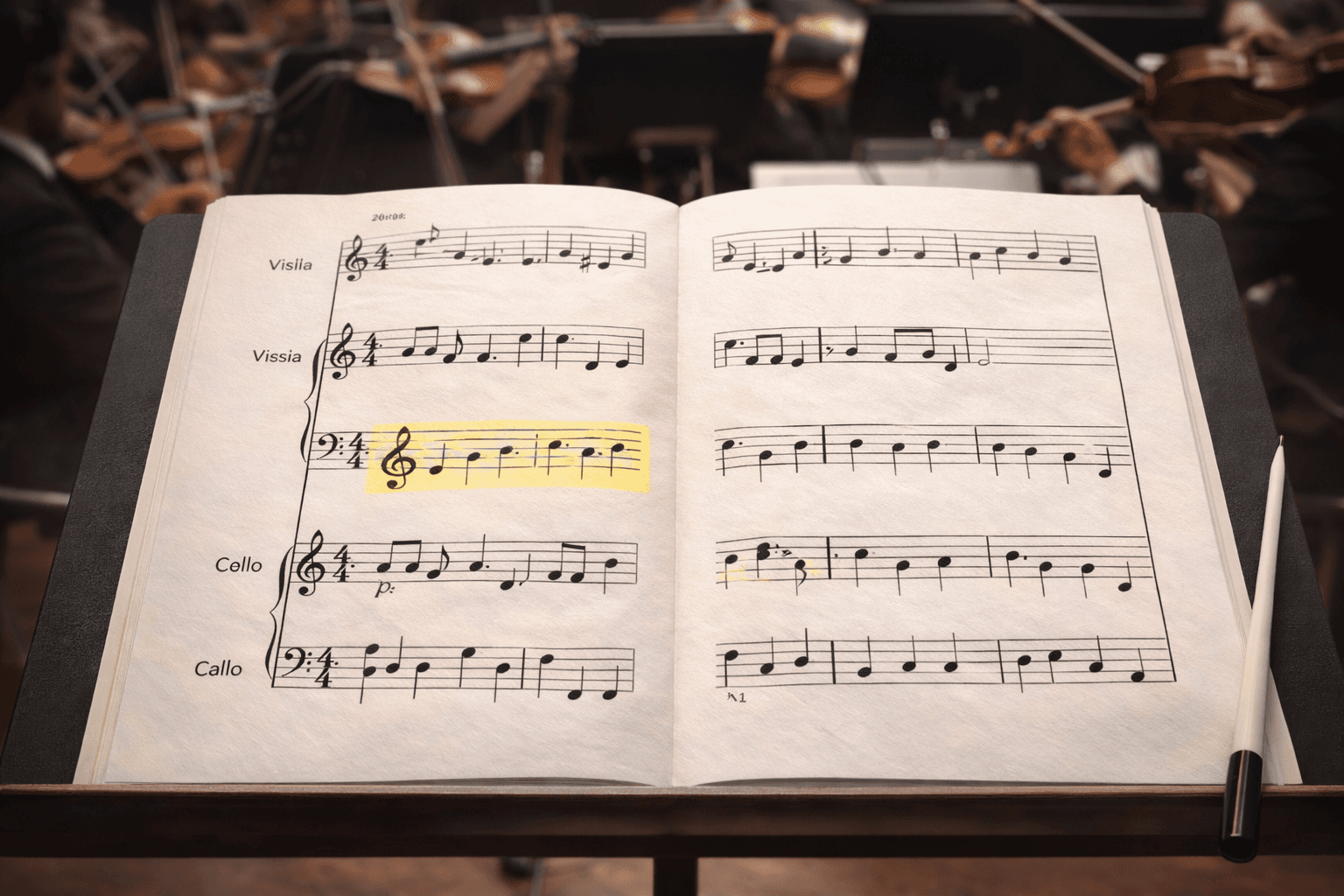 Alto clef notes follow a clear alphabetical order, just like all music staff lines and spaces. The difference lies in where each note sits.
In the alto clef, Middle C appears on the third line of the staff. From there, notes move upward alphabetically for higher pitch notes and downward for lower pitch notes. This symmetry makes reading two clefs together easier when switching between alto, treble, and bass clef.
Here is a simple reference table for alto clef notes on the staff:
Line or Space | Note Name Top Line | G Top Space | F Fourth Line | E Fourth Space | D Middle Line | C (Middle C) Second Space | B Second Line | A Bottom Space | G Bottom Line | F
This structure helps musicians identify notes on the staff without guessing. With practice, note recognition becomes automatic.
Middle C in Alto Clef
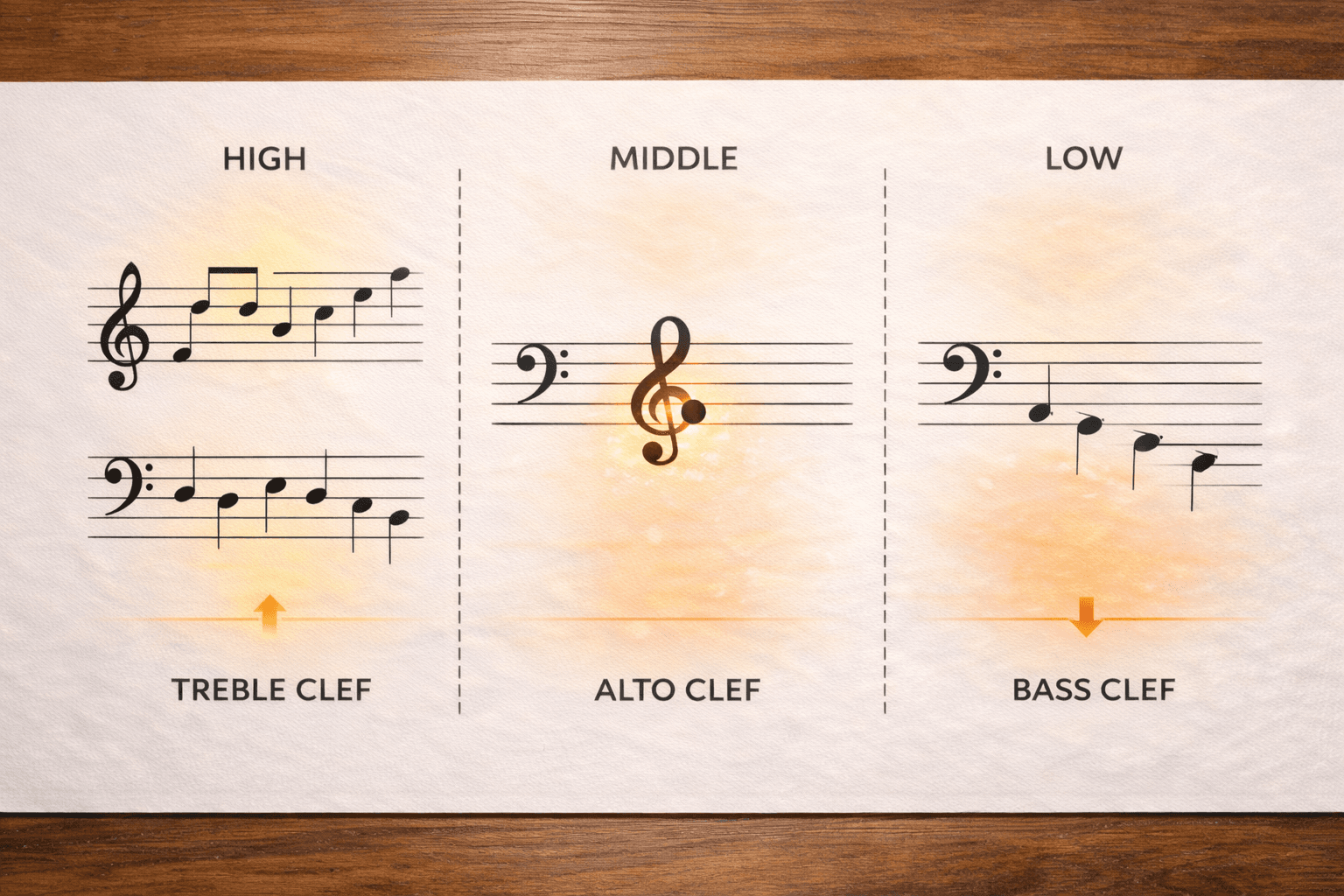
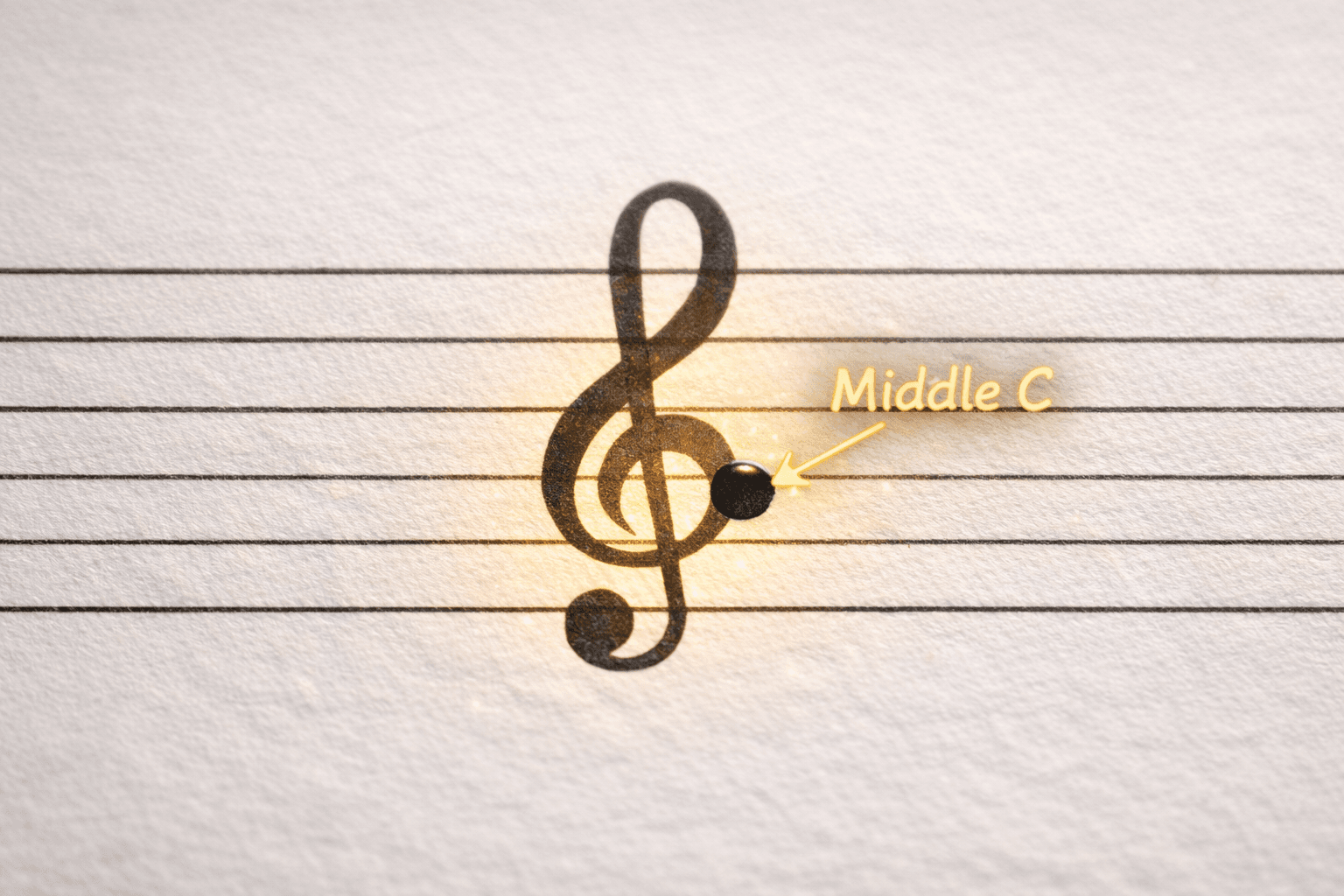 Middle C position on staff changes depending on the clef. In treble clef, it sits below the staff. In bass clef, it appears above the staff. In alto clef, it sits comfortably in the middle.
This central placement is the main reason the alto clef exists. It reduces the need for notes written on ledger lines and keeps the music visually balanced. For music reading for beginners, this makes a huge difference in speed and confidence.
Understanding Middle C also helps with piano keyboard note placement. Once you locate Middle C on the keyboard, matching it to the staff becomes second nature.
How Alto Clef Compares to Treble and Bass Clef
 Many learners fear alto clef notes because they already know treble and bass clef. In reality, the alto clef is not harder. It is simply different.
Treble clef focuses on higher pitch notes, commonly used for melody and right hand piano notes. Bass clef covers lower pitch notes, often played by the left hand. Alto clef lives between these two worlds.
This comparison helps when switching clefs in orchestral music. Instead of relearning everything, you adapt your existing knowledge of piano note reading basics to a new visual layout.
Why Viola Music Uses the Alto Clef
 The viola sits between violin and cello in pitch range. Treble clef would push viola notes too low on the staff, while bass clef would push them too high. The alto clef solves this problem perfectly.
By placing most viola notes within the five staff lines, the alto clef improves readability. Viola players can focus on tone and phrasing instead of decoding notation.
This practical design shows how music notation for beginners and professionals evolves around efficiency and clarity.
Learning Alto Clef Notes Step by Step
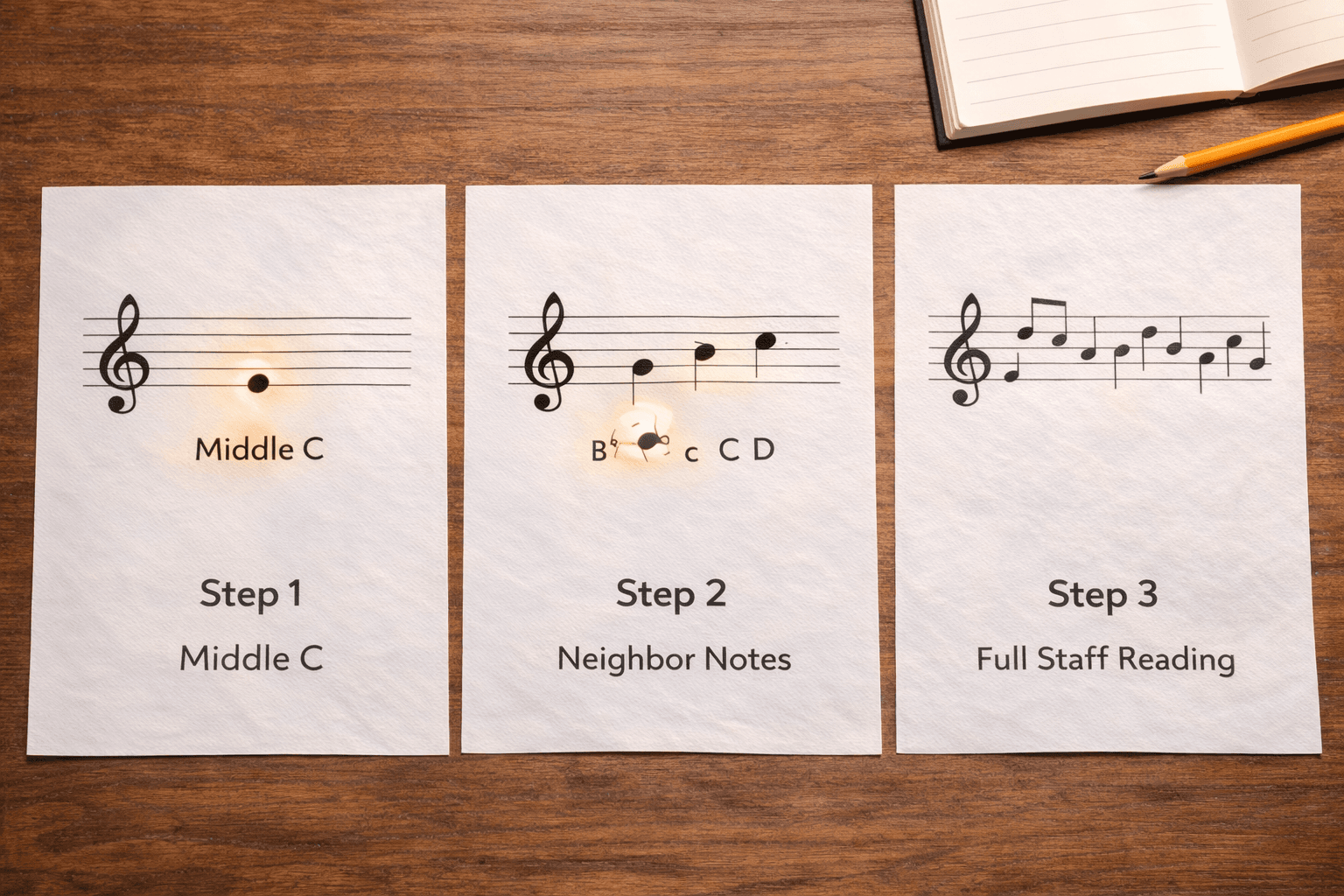
The best way to learn alto clef notes is to start with landmarks. Middle C is your anchor. From there, learn the notes directly above and below it. Gradually expand outward.
Avoid memorizing every note in isolation. Instead, recognize patterns and intervals. This approach mirrors how musicians develop fluency in reading piano sheet music.
Short, consistent practice sessions work better than long study periods. Ten minutes of daily reading builds muscle memory and mental clarity faster than cramming.
Common Challenges When Learning Alto Clef
Many learners confuse alto clef notes with treble clef notes because the staff looks identical. The mistake happens when the clef symbol is ignored.
Another challenge involves slow note recognition. This often comes from translating notes mentally into treble clef. Over time, this habit fades as the alto clef becomes its own visual language.
Patience is key. Just like piano theory fundamentals, clef reading improves gradually with exposure and repetition.
Practical Tips to Master Alto Clef Faster
Consistent reading practice builds confidence. Reading simple viola exercises helps train your eyes to recognize alto clef notes instantly.
Writing out note names on blank staff paper reinforces memory. This method strengthens your understanding of staff notation explained visually and physically.
Using familiar melodies written in alto clef also helps. When your ear already knows the tune, your eyes learn faster.
Alto Clef in Ensemble and Orchestral Music
In orchestral scores, different instruments use different clefs. Understanding alto clef allows musicians to follow scores more effectively.
Composers rely on clefs to show music clearly across multiple instruments. The alto clef plays a crucial role in connecting higher and lower pitch notes within ensembles.
This understanding becomes essential for conductors, composers, and advanced performers.
Using Alto Clef for Music Theory Learning
The alto clef supports learning music theory basics such as intervals, harmony, and chord structure. Because notes sit centrally, patterns become easier to spot.
Students studying composition benefit from understanding alto clef. It allows flexible writing for mid-range voices and instruments.
Learning multiple clefs deepens overall understanding piano notation and general music literacy.
Alto Clef and Piano Learning
 Although piano music rarely uses alto clef, understanding it improves overall keyboard music notation skills. Pianists reading orchestral reductions or studying theory gain a broader perspective.
It also strengthens the ability to read two clefs together. This skill supports advanced piano sheet music reading and sight reading practice.
Musicians who understand multiple clefs adapt faster in collaborative environments.
Frequently Asked Questions About Alto Clef Notes
1. Is the alto clef hard to learn?
It is not difficult. It simply requires practice and a shift in perspective.
2. Who uses the alto clef?
Viola players use it most often. It also appears in orchestral and theoretical music.
3. How long does it take to learn alto clef notes?
Basic reading takes a few weeks. Fluency develops over months of regular practice.
4. Do beginners need to learn alto clef?
Beginners focused on piano do not need it immediately, but learning it later builds strong music reading skills.
Why Learning Alto Clef Improves Overall Music Reading
Learning alto clef notes expands your understanding of how written music symbols work together. It breaks the habit of relying on only one visual system.
This flexibility strengthens sight reading, improves pitch awareness, and deepens musical understanding. It also prepares you for advanced studies in music theory and composition.
Musicians who read multiple clefs think in sound, not symbols. That shift marks real progress in musical growth.
Final Thoughts on Alto Clef Notes
The alto clef exists to make music easier to read, not more complex. Once you understand its purpose and structure, it feels logical and elegant.
By learning alto clef notes step by step, you gain confidence, clarity, and flexibility as a musician. Whether you play viola, piano, or study theory, mastering the alto clef strengthens your connection to music and expands your reading ability.